Opinion
From Study to Survival
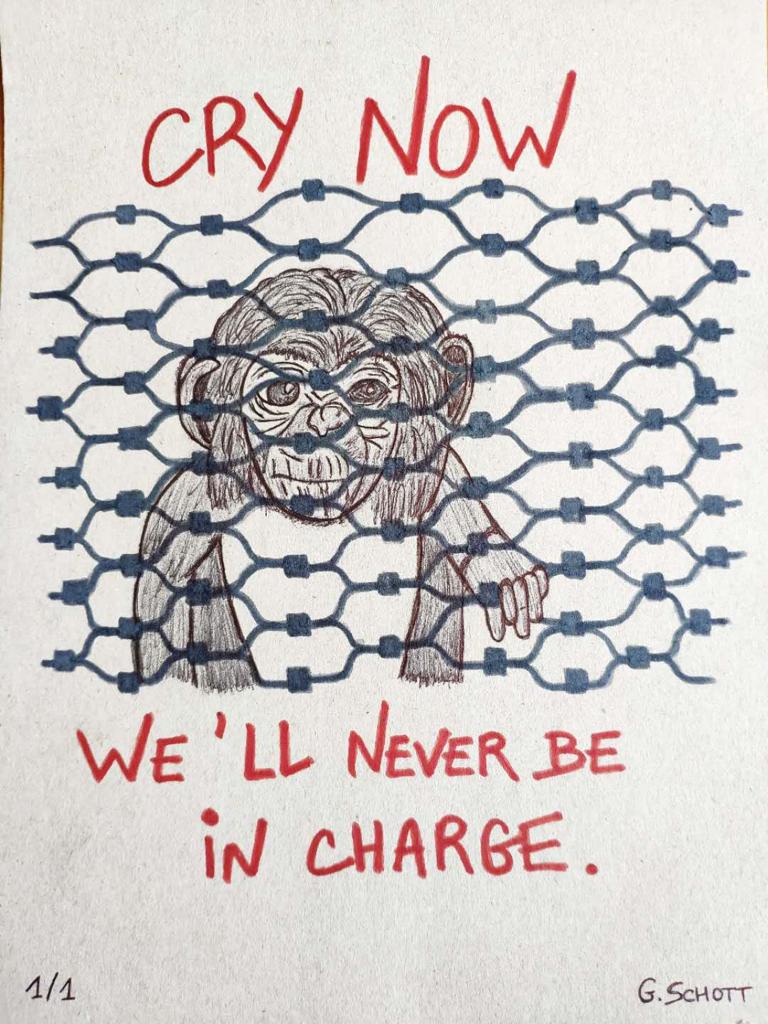
Why Artists Need New Structures and Not Old Promises
The contemporary art ecosystem is undergoing a profound transformation that goes beyond trends or generational shifts. It is a structural adjustment that directly affects how artists produce, sustain, and legitimize their practice.
Today, being an artist involves much more than creating work. Creators are expected to construct discourse, manage their visibility, develop networks, understand market dynamics, and maintain a consistent presence, often without the institutional support that for decades accompanied an artistic career. At the same time, independent platforms and self-managed communities are proliferating, attempting to fill the gaps left by a system that no longer serves the majority.
This change is not a choice. It is a direct response to a logic of survival.
The end of the passive artist
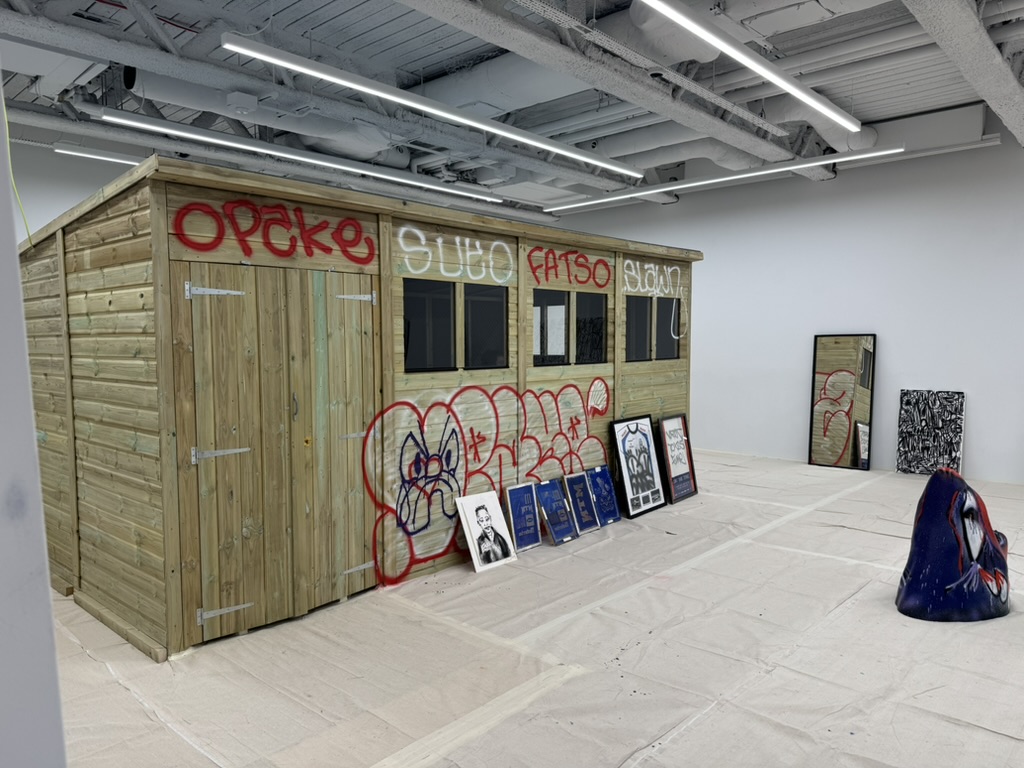
The image of the artist waiting to be discovered belongs to another era. The current ecosystem rewards adaptability, agency, and sustained visibility—skills that for years were excluded from art school curricula, where management, communication, and market knowledge were considered secondary.
This gap between training and professional reality reveals a fundamental problem. Only those with a financial safety net can afford to remain passive. The rest must learn to operate within the system, establish connections, and sustain their practice, or abandon the artistic field.
Visual arts training has become increasingly inaccessible to large segments of society. For many young people, choosing art means accepting precariousness as their future. Not for lack of talent, but because vocation alone does not guarantee basic living conditions.
The cultural consequences are significant. When access to creative expression is conditioned by economic criteria, the diversity of voices is reduced and art loses its capacity to reflect social complexity.
This inequality begins long before access to higher education. An analysis of the so-called shadow education system shows how higher-income families can afford artistic and cultural activities that others cannot, widening the gaps from childhood and conditioning future access to creative careers, as detailed in research published by Chalkbeat on educational and cultural inequality.
After university, where do artists disappear?
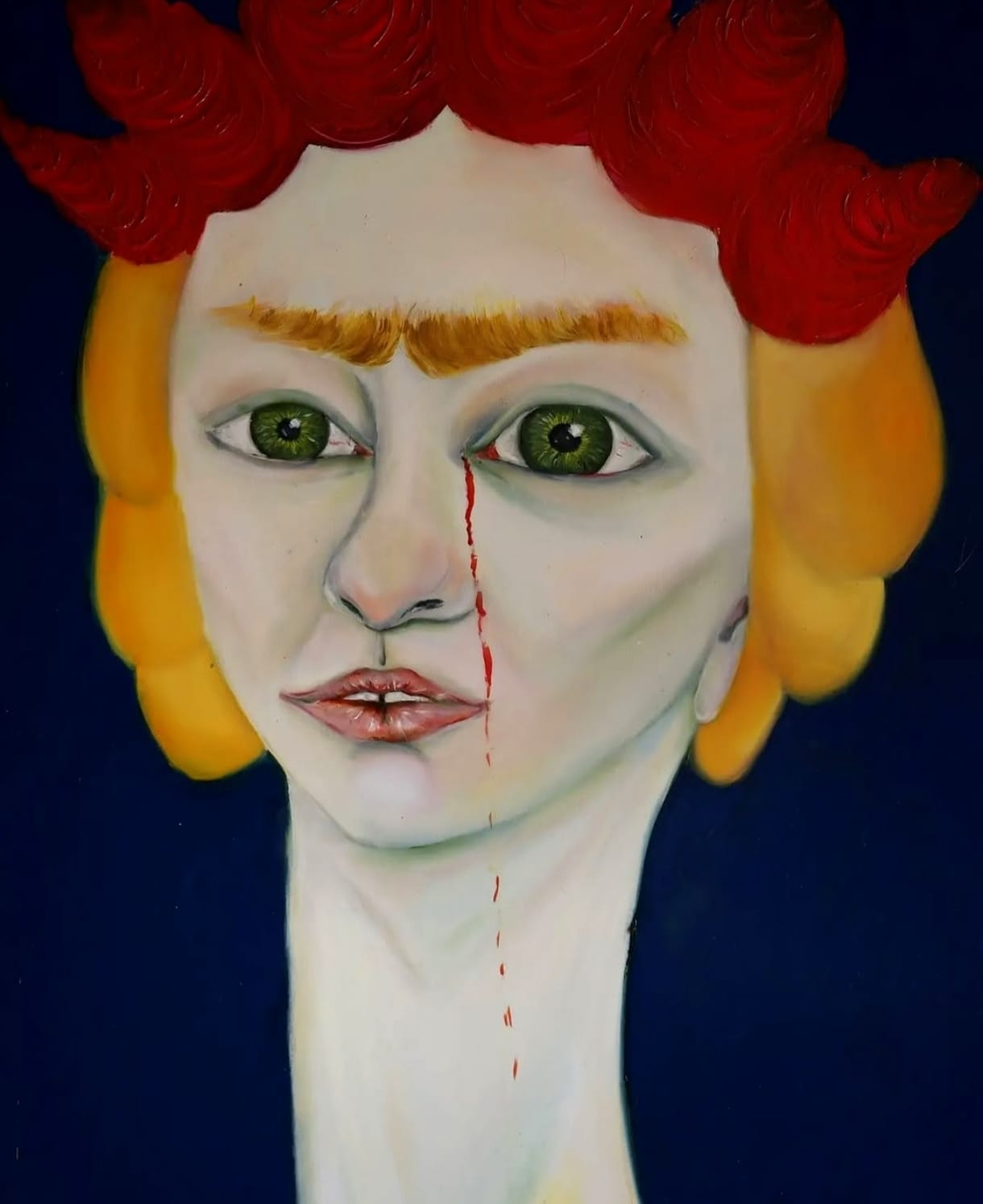
Completing a degree in Fine Arts or related disciplines no longer guarantees the possibility of continuing as an artist. For those without family financial support, leaving university often marks the beginning of a highly vulnerable period. They are trained to think, research, and produce work, but not to navigate a professional ecosystem characterized by closed networks, unspoken rules, and profoundly unequal access.
The consequence is predictable. Economic survival takes center stage in daily life, and artistic practice is relegated, interrupted, or simply abandoned. Not for lack of commitment, but for lack of resources.
This situation is not due to individual failures, but rather to a structural problem. A report by the Social Observatory of the "la Caixa" Foundation on inequalities in access to culture indicates that socioeconomic background remains a determining factor in cultural participation and the continuity of creative careers. In the absence of stable support mechanisms, culture tends to reproduce the same inequalities present in other social spheres.
This reality is compounded by a well-documented trend in the art sector. An analysis published by Artsy shows that young people aspiring to work in art and design are the most dependent on family financial support during the early years of their careers, which determines who can afford to stay and who ends up dropping out.
The result is a silent but steady exodus of artists from the system. They don't disappear due to a lack of talent or training, but because there is no real bridge between university and professional practice that would allow them to sustain a practice in the medium term.
Patronage and taxation, an unresolved issue
Given this situation, it is inevitable to ask an uncomfortable question: Why has patronage ceased to play a structural role in supporting culture, and why does the tax framework continue to so clearly penalize the arts sector?
Historically, patronage fostered continuity, risk-taking, and experimentation. It enabled artists to develop their work without being immediately subject to the logic of financial return. Currently, this model has been reduced, in many cases, to occasional and conditional support, tied to visible and immediate results.
This structural fragility is compounded by a crucial factor: tax pressure. In Spain, the VAT applied to the sale of works of art remains at the standard rate, significantly higher than that applied in other European countries. This difference places the Spanish art market at a clear competitive disadvantage, directly impacting galleries and artists and limiting the circulation of artworks.
This situation has recently been addressed by the business press. An article in El País reports how the Business Circle has asked the Government to reduce the VAT on works of art to bring it in line with that of other European countries, warning that the current tax system discourages cultural investment and weakens the national art ecosystem.
Various analyses of cultural policy agree that patronage is not merely a decorative element, but a key tool for the very existence of cultural projects. Financial support, visibility, the potential for innovation, and the social impact of art depend on stable support structures, as highlighted in a study on the importance of patronage in cultural development published by Patrocina Cultura .
New platforms for a different reality
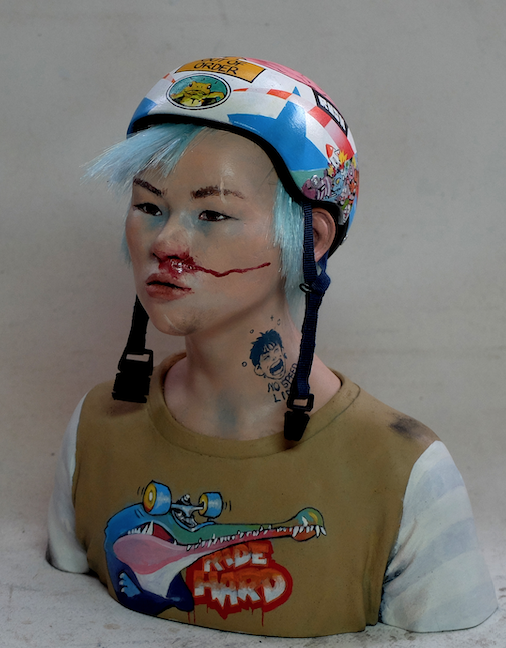
Given the lack of answers from traditional structures, independent platforms have begun to emerge seeking to offer something that the system has stopped providing: support, guidance, and context.
It's not about promising immediate success or visibility, but about working on the intermediate space that exists between academic training and professional survival. Initiatives like the web platform Studio To Gallery fall within this framework, operating from an approach of support, mentoring, and community building, combining critical reflection and contextualized visibility through digital spaces such as their Instagram account.
These platforms do not replace institutions or the market, but they step in where both are insufficient. They help artists understand the dynamics in which they operate, make informed decisions, and sustain their practice without instrumentalizing it or reducing it to mere content.
The contemporary debate on patronage increasingly emphasizes the need for ethical and inclusive support, aligned with diversity, sustainability, and social responsibility, as analyzed by various studies on contemporary patronage and cultural access.
A cultural emergency, not a fad
When only those with financial security can afford to continue being artists, art ceases to represent society as a whole. It becomes more homogeneous, more predictable, and less critical.
The future of art will not be determined solely by technology. It will be determined by who can afford to endure. When artistic creation is conditioned by economic security, culture loses its social function and ceases to reflect the diversity of experiences that shape a society.
This isn't an individual or local concern. It's a fundamental cultural issue. Artists don't need more promises. They need structures that allow them to continue existing.
Sources and links used
• Article on educational inequality and access to artistic activities, Chalkbeat
https://www.chalkbeat.org/2018/5/30/21105061/the-shadow-education-system-how-wealthier-students-benefit-from-art-music-and-theater-over-the-summe/
• Report on social inequalities and access to culture, Social Observatory of the ”la Caixa” Foundation
https://elobservatoriosocial.fundacionlacaixa.org/-/desigualdades-sociales-acceso-cultura
• Article on dependence on family financial support in the art world, Artsy
https://www.artsy.net/article/artsy-editorial-rich-kids-afford-work-art-world
• Article about the request for a reduction in VAT on art in Spain, El País
https://elpais.com/economia/2026-01-19/el-circulo-de-empresarios-pide-bajar-el-iva-de-las-obras-arte-y-alinearlo-al-del-resto-de-europa.html
• Article on the importance of cultural patronage, Sponsor Culture
https://patrocinacultura.com/por-que-el-mecenazgo-es-importante-para-el-desarrollo-del-arte-y-la-cultura/
• Article on ethical and inclusive patronage, Nonsuch Foundation
https://nonsuchfoundation.com/art-patronage-effect/
• Contextual reference to the independent platform Studio To Gallery https://www.studiotogallery.com


You may be
interested
...