Exhibitions
William Eggleston and 'The Last Dyes' as the definitive legacy of the father of color photography
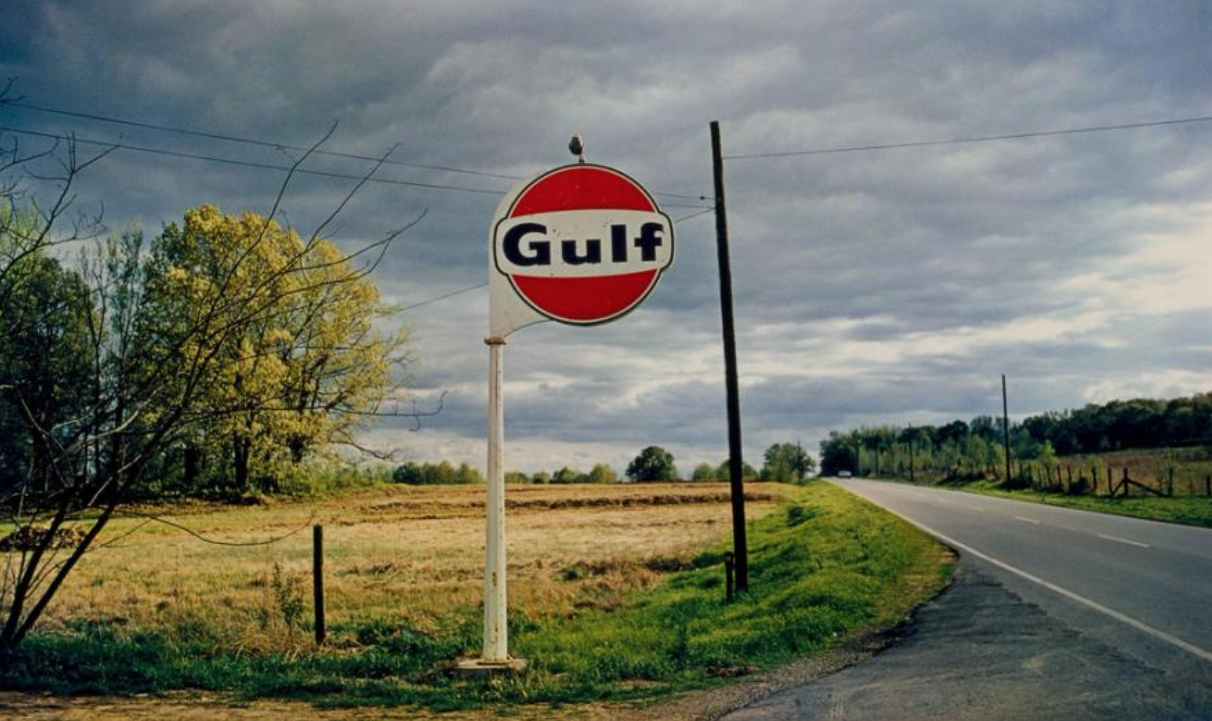
William Eggleston with The Last Dyes is the new exhibition presented by the David Zwirner Gallery in New York City. Open to the public from January 15 to March 7, the show highlights Eggleston as one of the great pioneers of dye-transfer printing in fine art photography during the 1970s. As the title suggests, the works on display are the last prints made of his images using this historic analog process.
Considered one of the most influential photographers of the last four decades, the so-called 'father of color photography' invites us, through his images, to look beyond the obvious and delve into deeper layers of reality. This exhibition itself comprises the last major collection of photographs produced using this printing method, making it a truly exceptional opportunity to view several of Eggleston's works in the same format in which they were originally conceived and displayed by the artist.
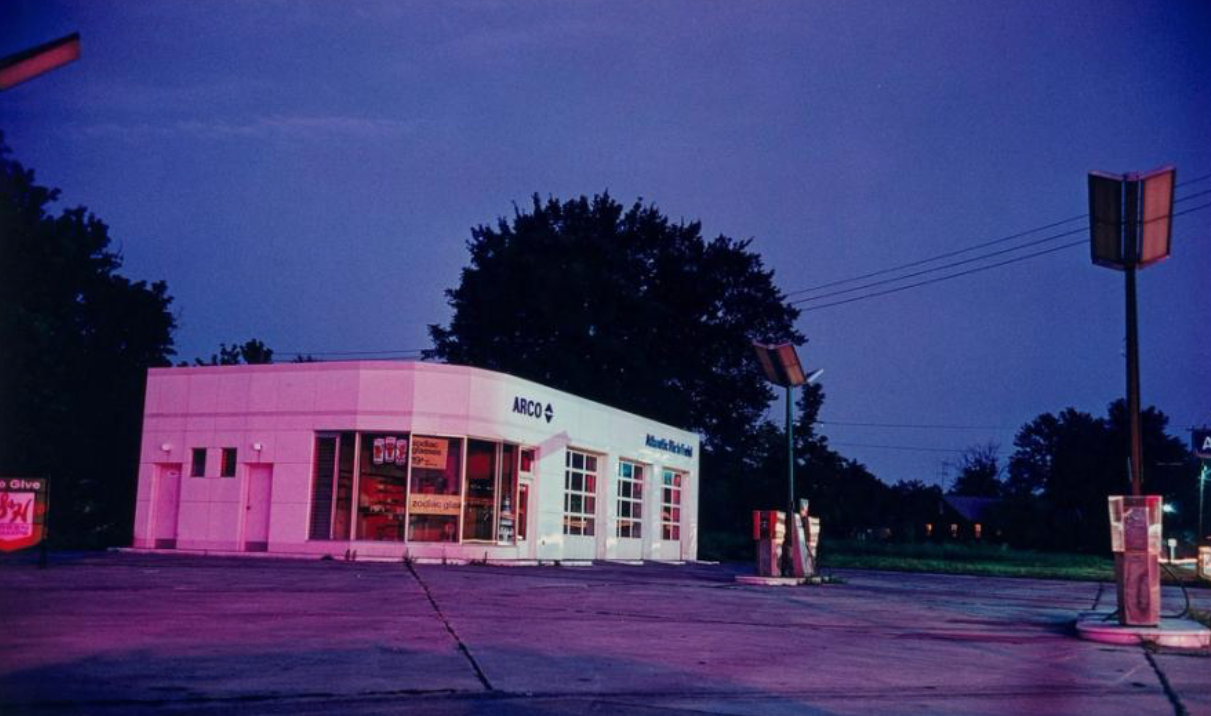
William was just ten years old when he first held a camera in his hands, a Kodak Brownie Hawkeye. However, the initial experience was not what he expected, and he soon became frustrated with the results: "Everything I photographed came out blurry; it looked terrible."
Eggleston attended three universities over six years without earning a degree. His family's comfortable financial situation played a part in this, as he never felt any real pressure to graduate and sometimes didn't even bother to take exams. Even so, this academic period left a significant mark on his development. In an art class, he was introduced to Abstract Expressionism in the mid-1950s, and he found non-figurative painting particularly captivating. Since then, he has felt a deep admiration for artists like Paul Klee and Wassily Kandinsky, although Eggleston himself clarifies that he wouldn't speak of a direct influence, but rather an aesthetic and conceptual affinity.
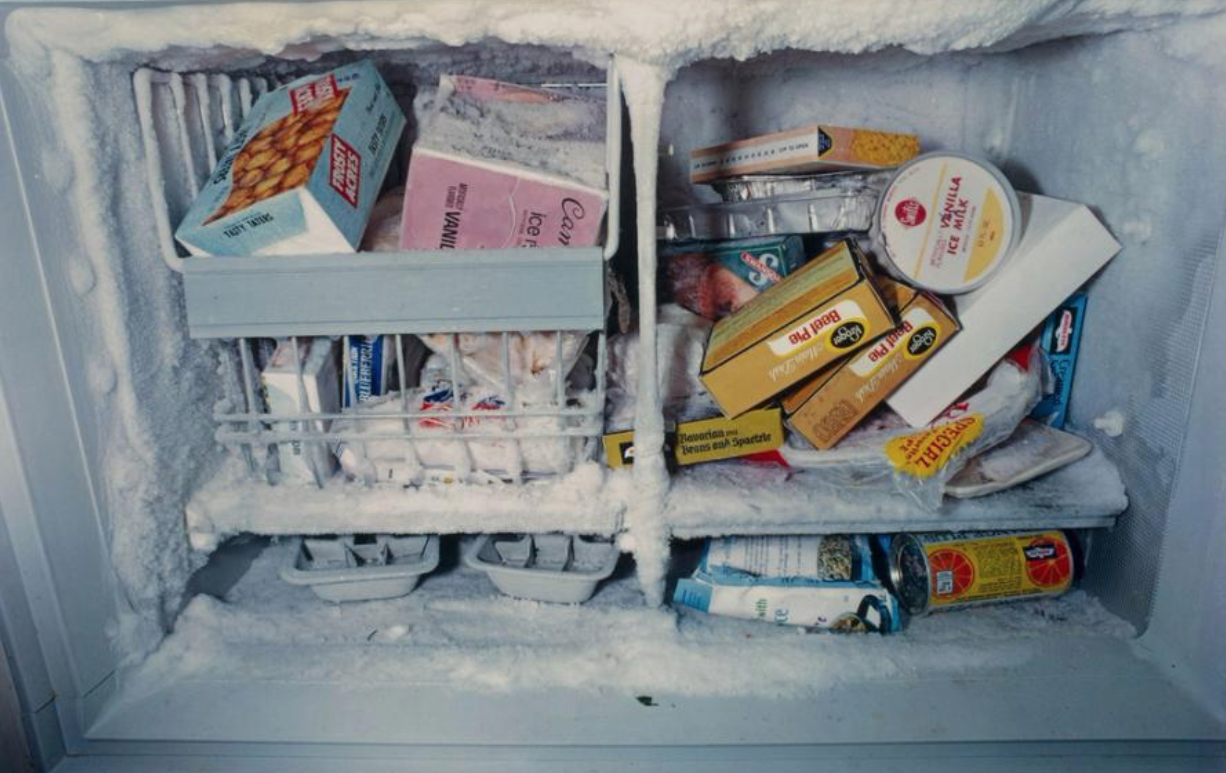
The works on display belong to Eggleston's celebrated Outlands and Chromes series, along with several images first shown in the influential 1976 exhibition of color photography the artist presented at the Museum of Modern Art in New York, as well as in the accompanying publication, William Eggleston's Guide. For his final dye-transfer prints, Eggleston selected this group of images in consultation with his sons, William and Winston, as a representative sample of the vast photographic project he developed between 1969 and 1974 during his travels through the American South. It was in 1972 that Eggleston discovered the dye-transfer process, a technique that allowed him to achieve the intensity, tonal depth, and chromatic saturation he had been seeking in his photographic work.
“Eggleston followed the tactic of letting himself be captivated by the capacity that an event might have to tell a story of whatever kind.” Ian Jeffrey


You may be
interested
...