Exhibitions
Serpentine Announces 2026 Pavilion Architects as Programme Celebrates 25 Years This Summer
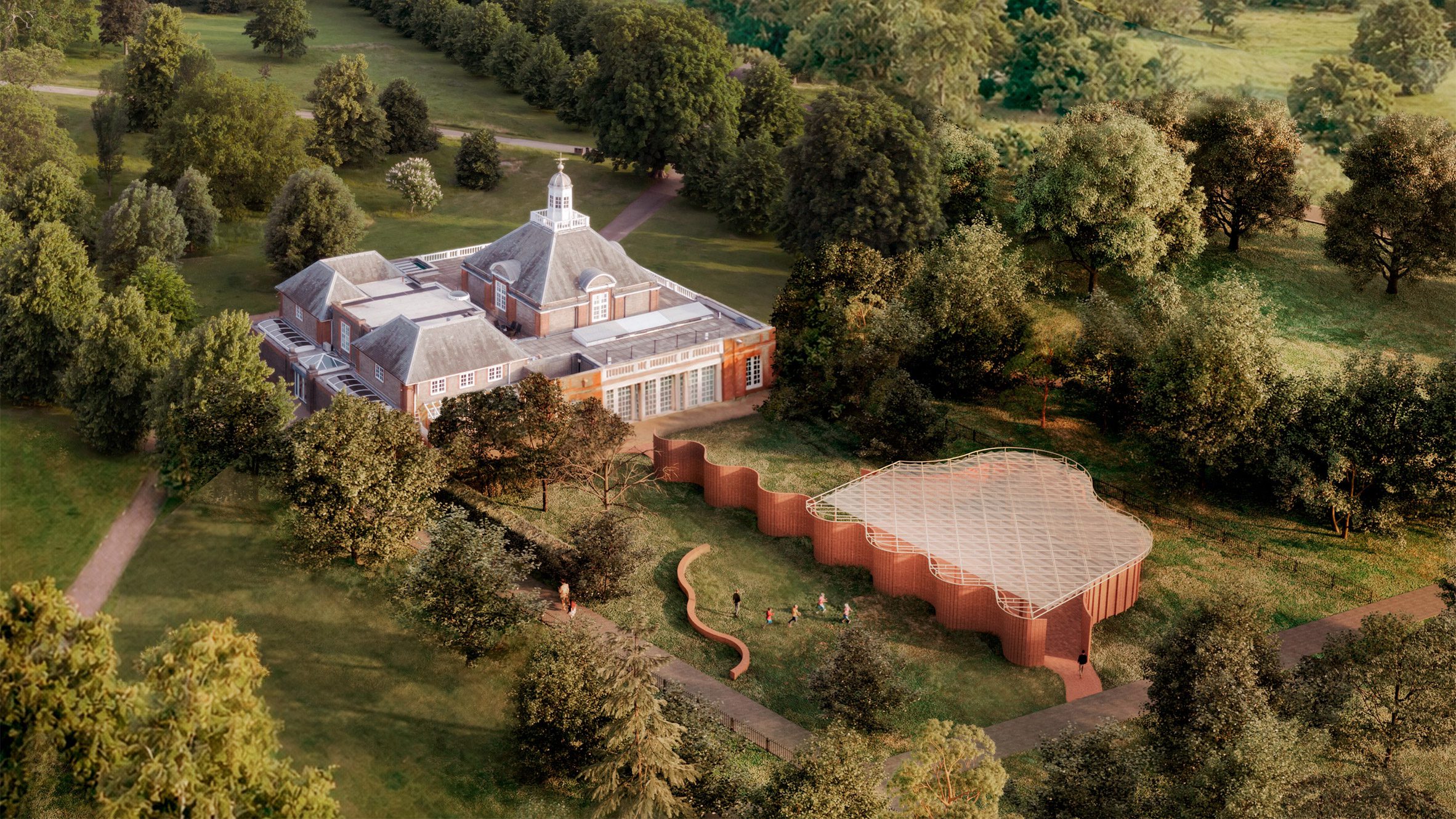
As the Serpentine Pavilion approaches its 25th anniversary, the institution announced this week the 2026 commission will be designed by Mexico City–based architecture studio Lanza Atelier. The announcement coincides with a moment of institutional expansion, as this summer, Serpentine will also collaborate with the Zaha Hadid Foundation to launch a dedicated architecture programme at Serpentine South Gallery, commemorating the late architect Zaha Hadid and further consolidating architecture’s role within the organisation’s curatorial agenda.
Founded in 2015, Lanza Atelier takes its name from the Spanish verb lanzar, and from the Latin lanzea, meaning “light spear.” The studio’s founders have described their choice of the name as deliberate, “a word that functions as both noun and verb”, capturing an understanding of architecture as something simultaneously formed and in motion. Founder Isabel Abascal has described Lanza as “flying towards somewhere, but you don’t really know where,” an idea that closely mirrors the studio’s exploratory approach to design. The studio has received international recognition, including the Architectural League of New York’s Young Architects Prize in 2017 and its Emerging Voices Award in 2023. Their practice is grounded in drawing, model-making, and material experimentation, privileging hands-on processes as a way of thinking through structure, form, and construction. As stated on their website, the studio aims to “contribute to the beauty of the world,” developing projects in direct response to specific contexts rather than predetermined formal outcomes, purposefully driven to create an engagement between a community.
Their work advances a reactive architectural philosophy, one that treats each project as a launch, rather than a conclusion. Their selection for the Serpentine Pavilion feels particularly resonant given the theme proposed for the 2026 commission, as serpentine. Here, the term extends beyond the Pavilion’s name to reference the historic crinkle-crankle, or “snake,” wall, an undulating brick structure once valued for its structural efficiency, material economy, and capacity to generate favourable microclimates. Long associated with England’s East Anglia, with earlier precedents in ancient Egypt, the serpentine wall embodies ingenuity through constraint and is a form that produces spatial richness with minimal means. These qualities align closely with both the Pavilion’s experimental legacy and Lanza’s materially attentive practice.
The serpent, symbolically and historically understood as both generative and protective, offers a further register through which to read the Pavilion this year. As shared in a statement made this week, Lanza Atelier mentions how they were, ‘Inspired by the figure of the serpent as a generative and protective force, we draw a parallel with England’s winding fruit walls, which are structures that temper climate, create shelter, and enable growth,’ The statement was followed by, ‘From this idea emerges a pavilion built of simple clay brick, foregrounding vernacular craft and the elemental capacity of architecture to bring people together. The 2026 Pavilion proposes built forms that are permeable, shaped and held by a gentle geometry, and continually responsive to those who move through it.’ These qualities echo Lanza Atelier’s materially attentive practice and the Pavilion’s own legacy as an event established for its experimental and temporary architecture.



You may be
interested
...