Exhibitions
Cèsar Malet, the irreverent photographer of the Gauche Divine, returns to the light in the Barcelona Photographic Archive
A major exhibition portrays the modernity, humor and experimental gaze of a creator who transformed the aesthetics of Barcelona in the sixties.
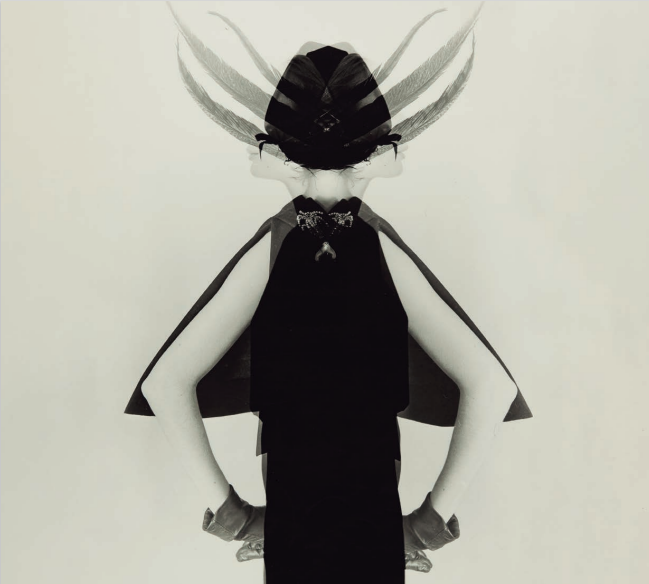
The Barcelona Photographic Archive is opening a new exhibition and is doing so with the help of one of the most unique figures of the Gauche Divine —that unrepeatable movement that shook Barcelona in the sixties and early seventies, a world of incandescent creativity ironically baptized by Joan de Sagarra.
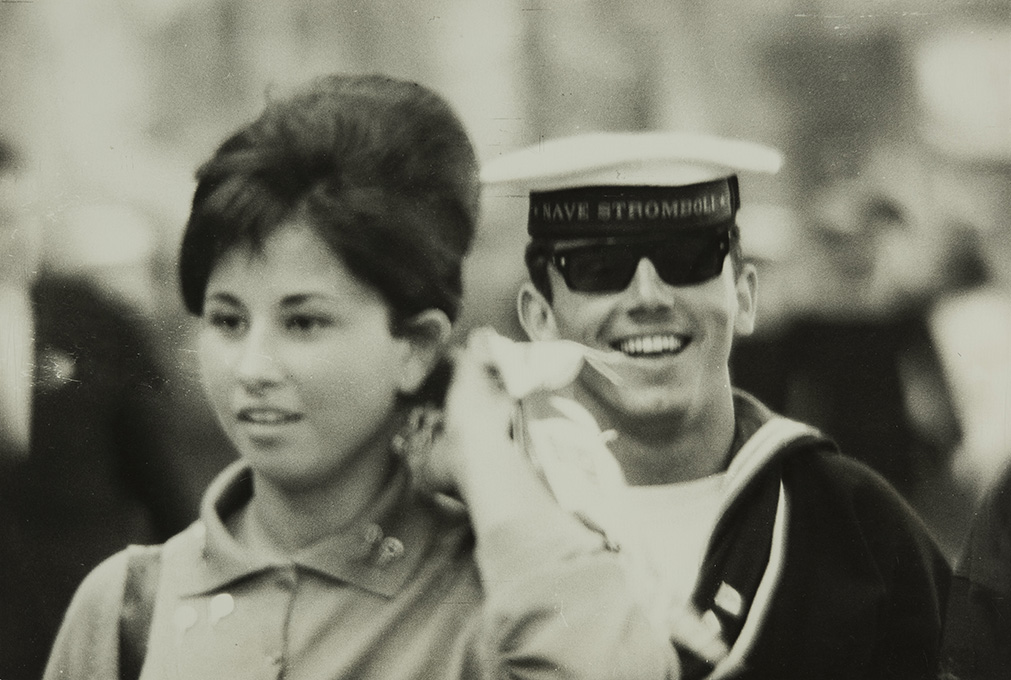
Cèsar Malet. Self-portrait. Irony, aesthetics and passion is the title of the exhibition that can be visited from November 19 to May 25, 2026. Curated by Laura Terré, the exhibition recovers the career of a Barcelona photographer born around 1940 and who disappeared in 2015, considered one of the most personal voices of Catalan photography of the 20th century. A full member of the divine left, Malet shared space and spirit with that group of intellectuals, artists and creators who transformed the cultural life of the city and gave it a new look.
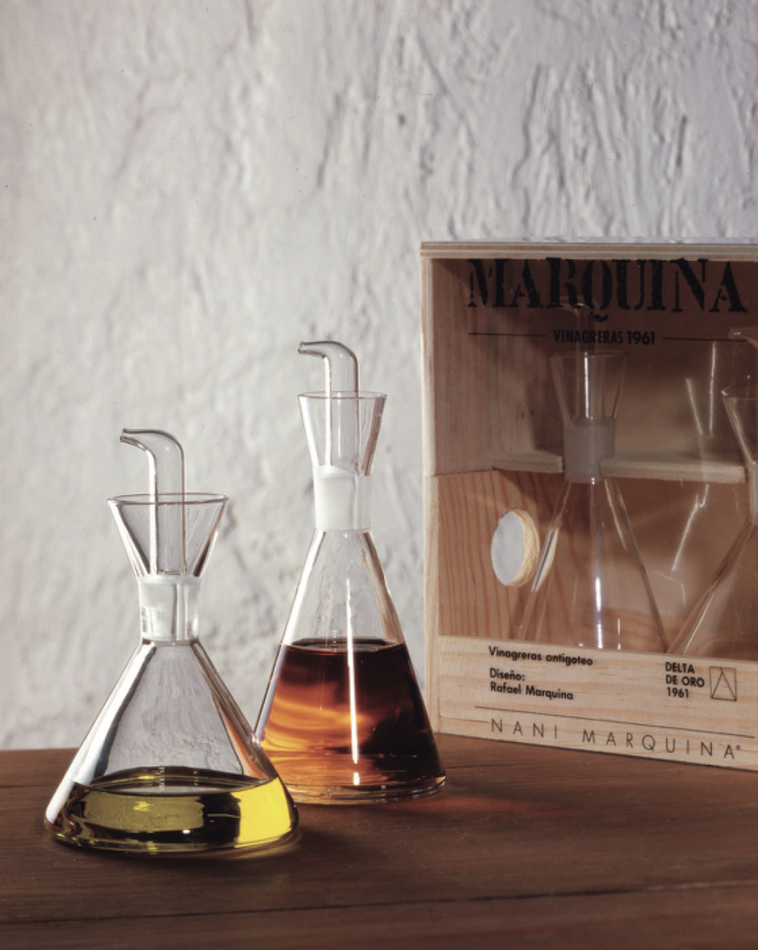
His production is immense. The Barcelona Photographic Archive preserves more than 11,000 images that document fashion, advertising, urban and nightlife, as well as portraits of some of the most representative figures on the cultural scene. In the field of fashion, Malet knew how to break molds and move away from the visual conventions of the time: his goal was to seek a restless, forceful modernity, always open to experimentation. In 1960 he opened a studio specializing in advertising and fashion that soon became a small laboratory of creativity. From there, he collaborated with the main commercial houses in Catalonia, for which he created campaigns and images that contributed to renewing the aesthetic landscape of the moment.
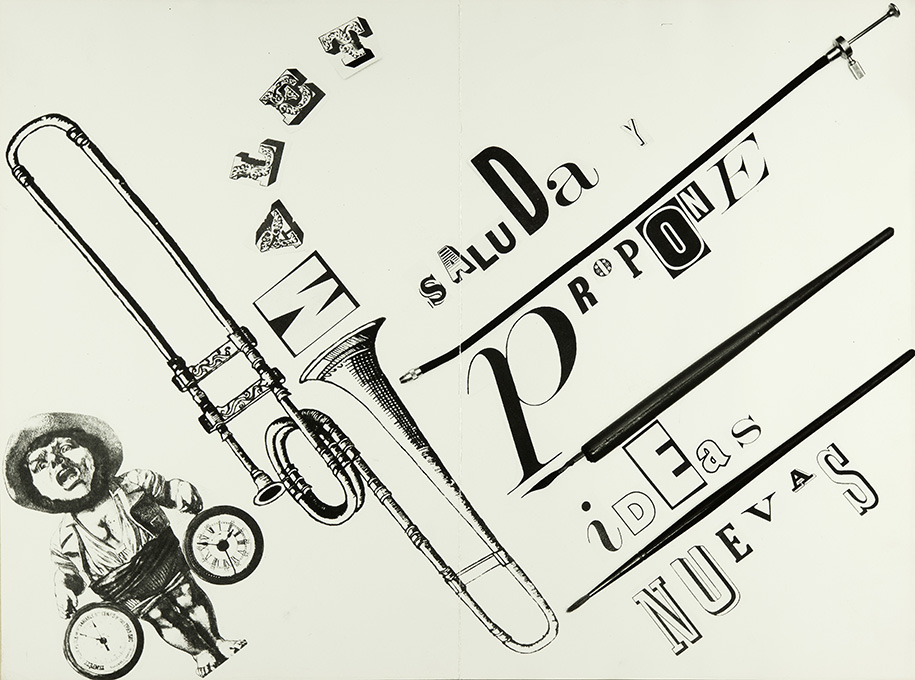
What made Malet an exceptional creator was his precocity and that surprising modernity that was ahead of its time. He did not establish boundaries between professional work and artistic research: each photograph was an affirmation of identity, a unique piece. The writer Juan Marsé said of him that he reminded him of the Marx brothers, but all three at the same time — a perfect metaphor to describe his triple gaze: ironic, sensitive and passionate. His work, lucid and playful at the same time, explores photographic technique and language beyond its immediate meaning, always searching for that point of light that turns reality into a revealed scene.

You may be
interested
...