Exhibitions
Nostalgia for the future: traversing the collapse
Barcelona Producció presents two new curated projects at La Capella that can be seen from October 23, 2025 to January 18, 2026
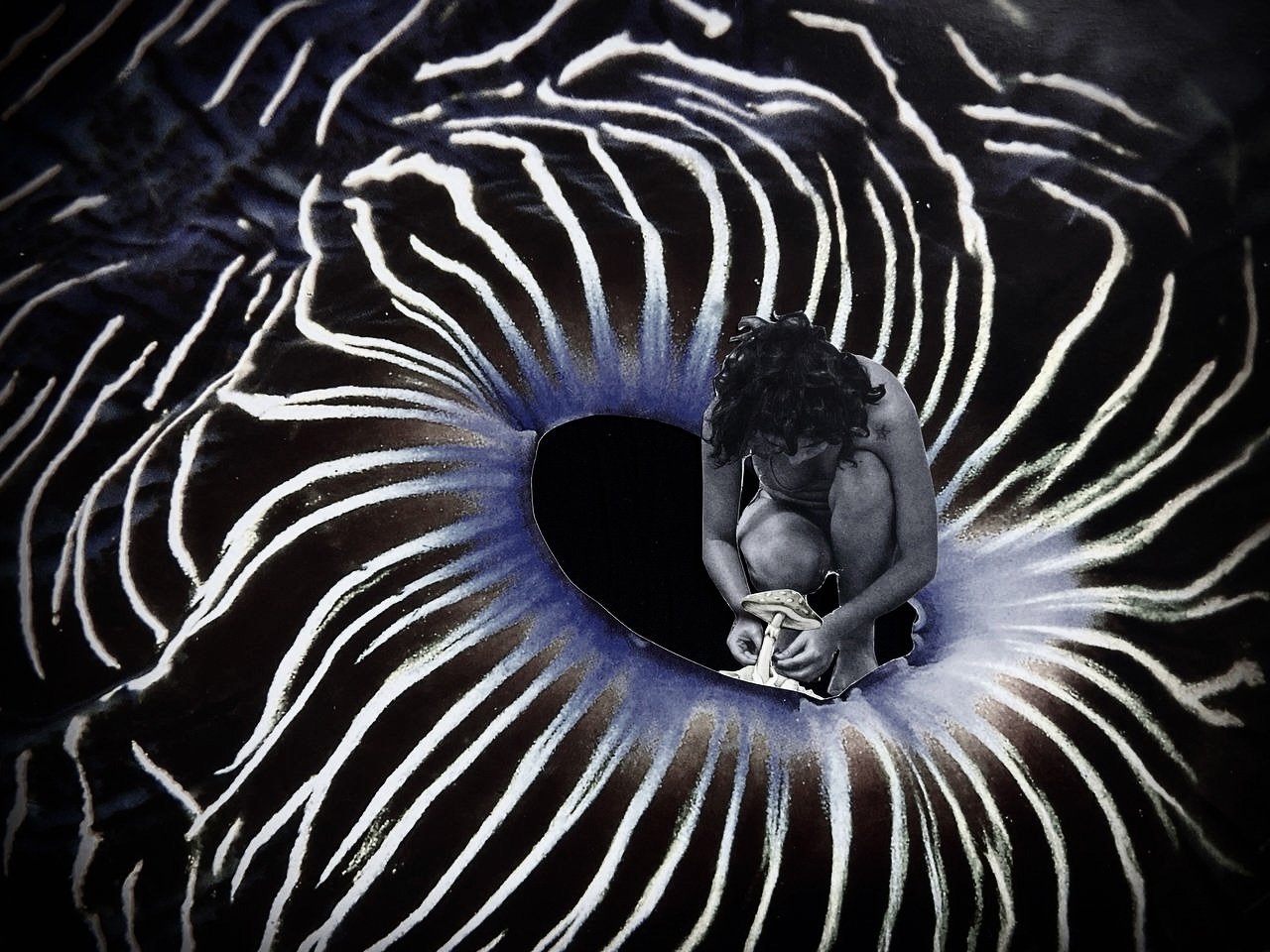
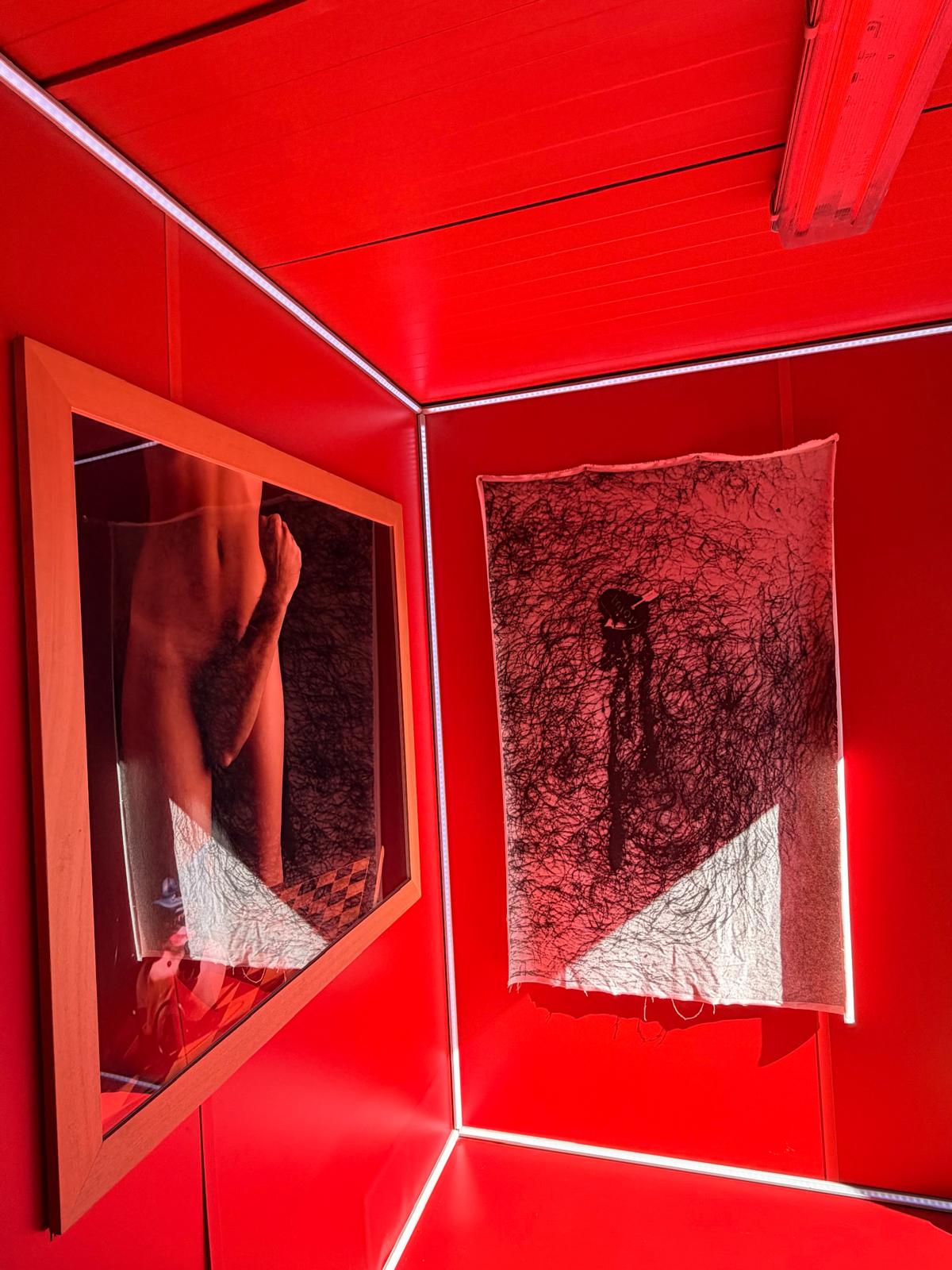
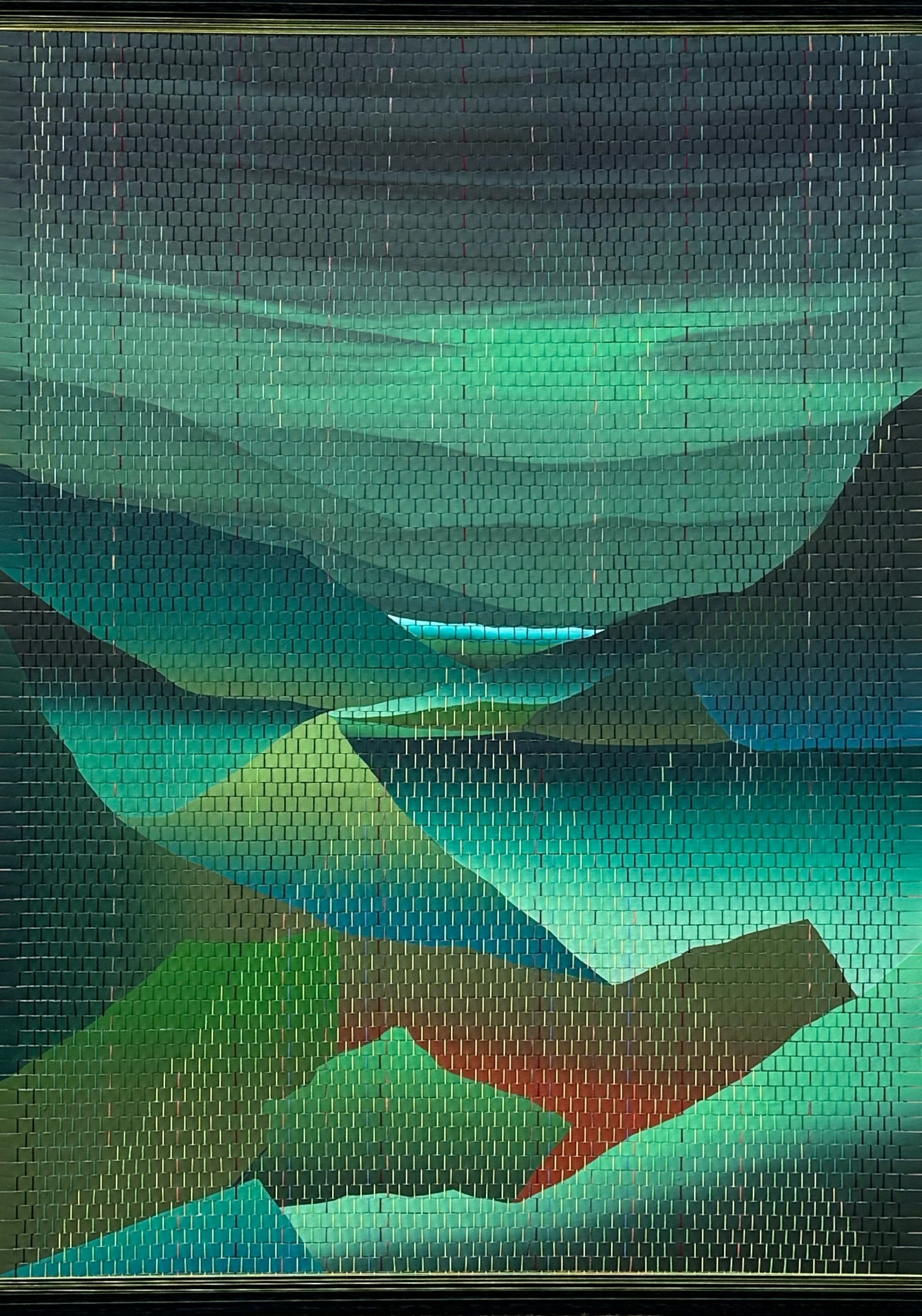
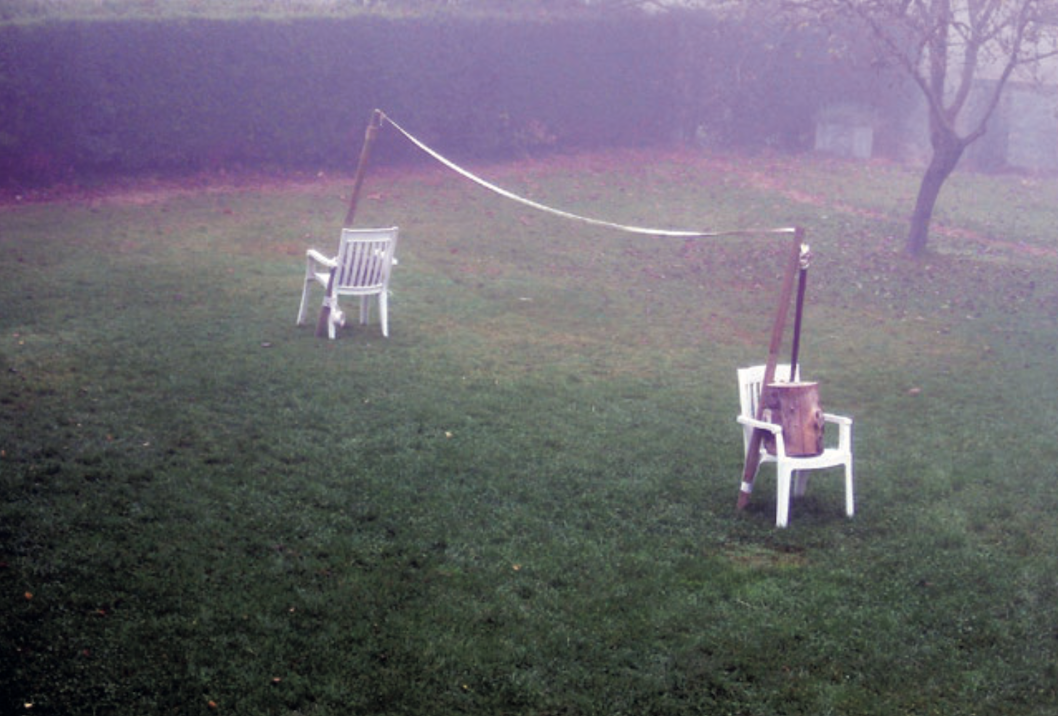
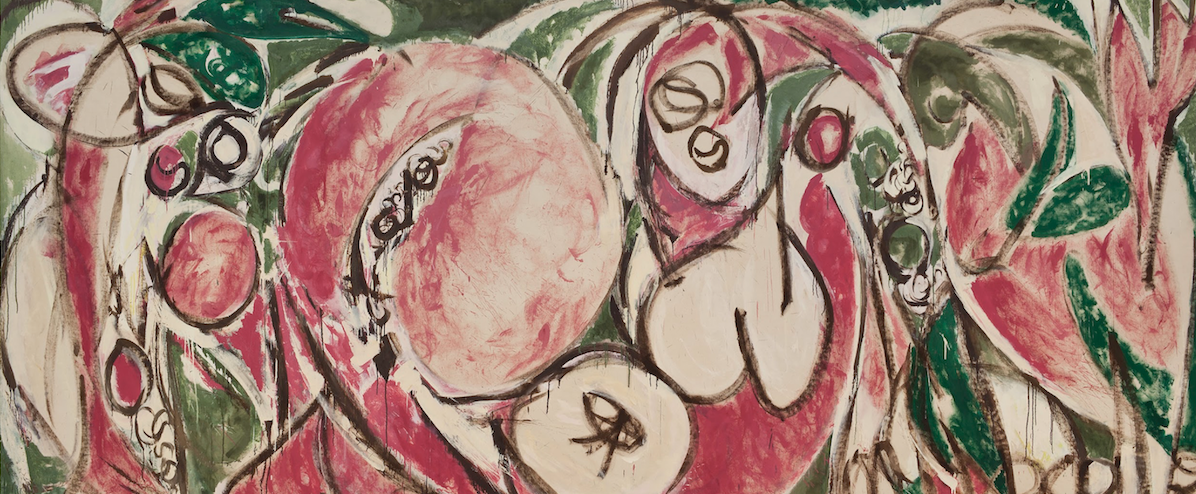
There is a nostalgia that is not directed towards the past, but towards what has not yet existed. A nostalgia for the future, made up of interruptions, attempts, desires that did not come to fruition. With this idea as a compass, the La Capella Art Center presents two exhibitions that dialogue with uncertainty and transformation: Nostalgia for the future: traversing the collapse , curated by ArsGames (Luca Carrubba and Eurídice Cabañes), and Caixa sorpresa , curated by the Grup d'Estudi . Both are part of the Barcelona Producció 2025 call and can be visited until January 18, 2026 .
In the Espai Capella, Nostalgia for the Future is erected as a speculative archaeology of interrupted futures. Carrubba and Cabañes start from a disturbing observation: we inhabit a world where imaginaries about the future have been hijacked, reduced to scenarios of crisis. We accept collapse as the certain horizon of our time, while this same future fades away in our hands. But it is precisely in this orphanhood where a new way of imagining it can emerge.
Three compasses for new imaginaries
The exhibition proposes a journey through unrealized, but still possible, futures, organized around three curatorial axes that function as conceptual compasses: permacomputing , holobiont and compost .
The first imagines technologies that adapt and regenerate; the second, ecologies of symbiosis and interdependence; and the third, processes of transformation that turn what is rejected into the seed of the future. This framework, both poetic and political, redefines the relationship between art, technology and ecology: technology ceases to be a machine of domination to become a sensitive organism.
Ecosystems of art and living technology
The works that participate unfold this thought from multiple perspectives. Xavi Manzanares activates autonomous sound ecosystems; Oscar Martín Correa investigates the possibility of a more-than-human composition; Hamilton Mestizo Reyes works with biological microuniverses; Maria Ignacia Ibarra and Wladimir Riquelme Maulén recover fluvial memory and territorial knowledge; Cooperativa Matajuego explores ecological video games; Constanza Piña Pardo reactivates pre-Hispanic textile memory in her electrotextile Khipu ; Andy Gracie combines science and speculation to imagine alien life forms; Rabía Williams turns the voice into sculptural matter; and Francisca Silva and María José Díaz propose an immersive experience where ancestral memory becomes virtual reality.
The installation, by Meritxell Ahicart with the support of Jara Rocha , reinforces the feeling of a living organism in constant transformation. The exhibition invites us to go through the collapse not as an end, but as a space of learning and healing. “Understanding ourselves as communities that create technologies and, with that, discourses of the future,” the curators affirm, “means promoting a future beyond the crisis, in which resistance, life and knowledge are put into play.”
The book as a crack in time
The project expands beyond the room with the book Nostàlgia de futur , published by ArsGames Edicions. More than a catalogue, it is a literary prequel that precedes and summons the exhibition, a speculative archive of stories that interweave science fiction, technopoetic criticism and data poetry. In its pages, water remembers, bacteria dialogue and sound weaves memory: fragments of a future that perhaps already exists in a latent state.
A box to think about
In Espai Rampa, the second proposal of the season, Caixa sorpresa , unfolds another kind of research. The Study Group turns curatorship into a living and open process: an exhibition device designed by Estructuras 3000 that will be activated in four phases through public calls . Each opening will give rise to a different project around participation and uncertainty as a motor of thought. Here, the exhibition is not a result but a path: a space that is written as it opens.
With these two exhibitions, La Capella reaffirms its commitment to experimental formats and collective research as a curatorial practice. Nostalgia for the Future and Surprise Box share the same drive: to imagine futures that escape catastrophe, to inhabit fragility and to rethink the institution as a place of shared life. Going through the collapse, perhaps, means this: learning to care for it, to make the past a promise and the future a space to continue inventing ourselves.

You may be
interested
...