Exhibitions
Sadomasochism, idiosyncrasy of Cadaqués made into an exhibition
The Cadaqués Gallery is hosting, from August 28 to September 28, an exhibition of artists linked to the space, curated by Vicenç Altaió.
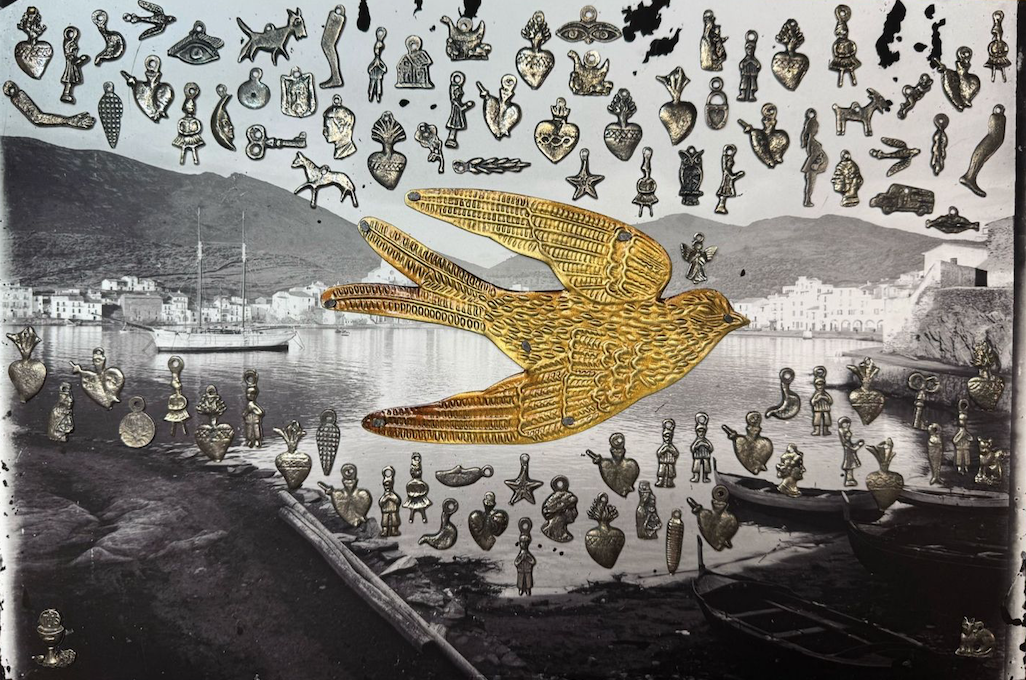
Cadaqués, an epicenter of artists, is confirmed once again as a privileged setting with the collective exhibition Sadomasoqués , curated by Vicenç Altaió at the Galeria Cadaqués. The proposal claims the intense relationship between art and the town: an enjoyment inevitably marked by suffering, the result of geographical isolation and, at the same time, the irresistible charm of the place.
The unmistakable light of Cap de Creus, the indelible imprint of iconic artists and intellectuals, and the vitality of a community that has managed to remain active beyond the passage of time, have turned Cadaqués into a true cultural capital. A space where memory and contemporary creation constantly dialogue, making the town a unique territory on the international art map.
Sadomasoqués opens its doors on August 28 and invites you to enter its universe until September 28. The exhibition brings together works by more than fifty artists and was born from an idea by Antoni Muntadas, weaving a dialogue between memory, territory and shared creativity. The exhibition invites both local and international artists, capable of responding because, in one way or another, they have lived or stayed in Cadaqués —whether for a prolonged period, temporarily or even accidentally—.
In 1974, the Cadaqués Gallery became an improvised film set thanks to Antoni Muntadas, who launched an unusual and pioneering project there: Cadaqués Canal Local , where the initiative consisted of creating an ephemeral television channel, made from the town itself and aimed at its inhabitants. Interviews with fishermen and residents were broadcast on televisions distributed in emblematic spaces of the town —the Marítim, the Casino or other bars—, turning art into a shared and everyday experience.
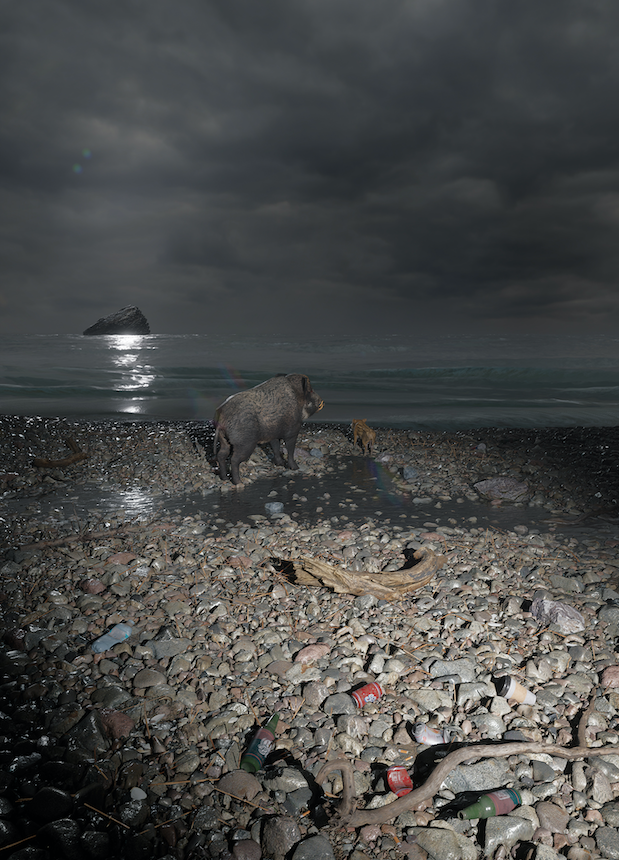
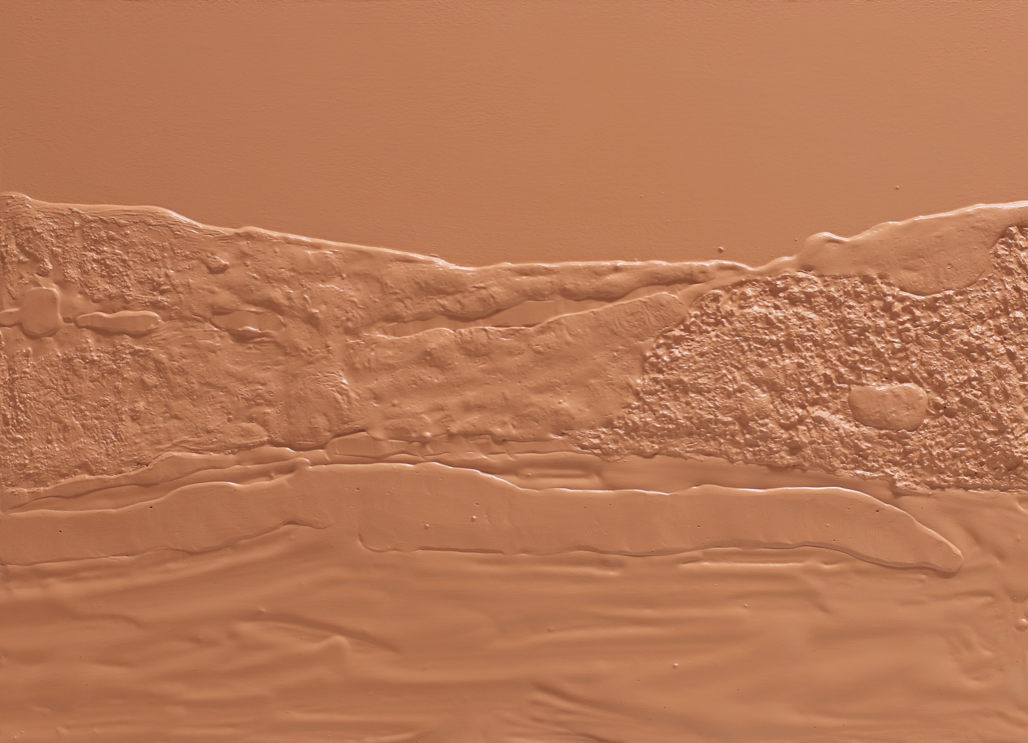
Work by Serafín Álvarez in Sadomasoqués.
The work combined a single-channel color video, approximately 120 minutes long with sound, with reprographs of texts, documents and photographs, which completed an information point about local life. With this installation, Muntadas not only experimented with the language of video art, then still in its infancy, but also questioned the way collective narratives are constructed and how a community can be given a voice from its own space.
Taking the thread of that journey begun decades ago, the Cadaqués Gallery today opens a new chapter that interrogates the psychophysical identity of the place. The characters who were then witnesses and neighbors, now become artists and creators who, with their gazes, have woven a constellation that is an inseparable part of the history of art in our country. The gallery thus becomes a space of transit and metamorphosis where light, memory and the matter of the territory are deployed in multiple languages. Painting, installation, photography, video or conceptual experimentation join hands in a polyphony of formats and voices.
Among this pleiad, names such as Antoni Abad, Laia Abril, Serafín Álvarez, Jordi Benito, Vicenç Altaió, Frederic Amat, Joan Fontcuberta, Robert Llimós, Francesca Llopis, Antoni Muntadas, Jordi Pagès, Antoni Miralda, Pere Noguera, Albert Serra and Rosa Tharrats stand out , among many others. Each one contributes a gesture, a fragment, a light that, taken together, construct a choral and changing portrait of Cadaqués: a town that is at once origin, mirror and creative horizon.
All these artists are united and rooted in Cadaqués, a territory that has not only welcomed them but has deeply permeated their language and way of understanding art. Their work, in constant dialogue with light, geography and the spirit of the people, is also part of the continuity of those key names that have left a universal mark: Pablo Picasso, Salvador Dalí, Marcel Duchamp or Richard Hamilton. It is at this crossroads, between historical memory and contemporary creation, that Cadaqués becomes a privileged space for reflection and artistic experimentation.
Memory, like an invisible thread, takes us back to moments and works that have marked the cultural life of the gallery and the town. It is, for example, to find ourselves again with the piece by Jordi Benito hanging in the room, and to let ourselves be transported to the memory of El piano suspès en una creu. Opus Hg , a piece created in 2005 and which shares temporal resonances with the exhibition Sadomasqués . That work, as radical as it is poetic, condensed the spirit of a time and a place where transgression and beauty were in tense balance.
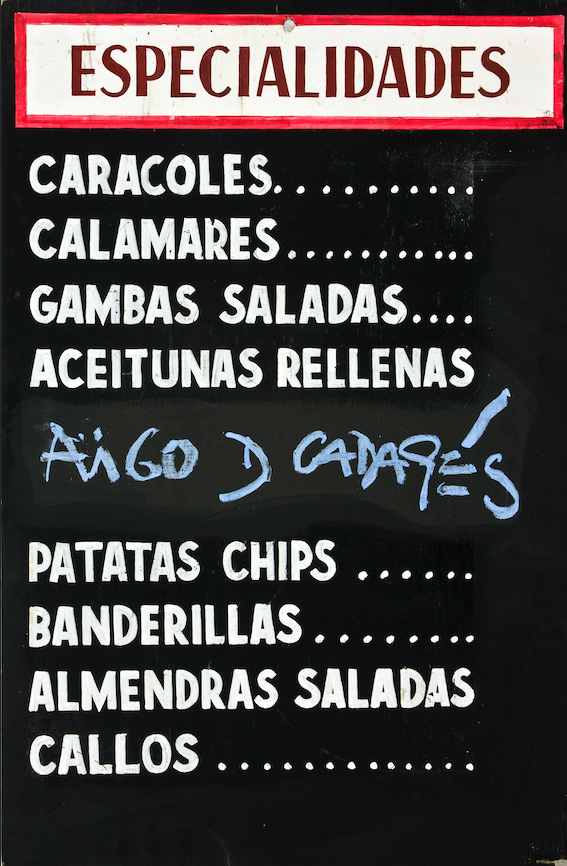
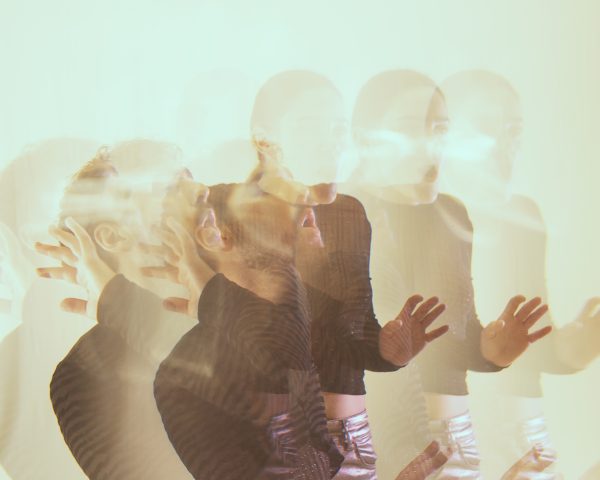
Work by Jordi Benito in Sadomasoqués.
Cadaqués, then, is not only the setting where these creations are exhibited, but the vital element that connects them, inspires them and makes them endure in the collective memory. A place where the works dialogue with the past and the present, and where each piece is also an inner journey towards the identity of the territory and its artistic echoes.
However, the spotlight falls on Sadomasoqués , an exhibition curated by Vicenç Altaió, which focuses precisely on its title to unfold a game of meanings. The term, Altaió explains, attempts to define the idiosyncrasy of Cadaqués based on the literary work of two writers who have become archetypes —the Marquis de Sade and Sacher-Masoch—, to which the suffix “-quers” is added, which refers to stone, a foundational element of the landscape of Cap de Creus.
From this linguistic fusion a concept is born that, far from being reduced to the allusion to the psycho-affective or physico-chemical pleasure of the personal and social body, opens up a range of readings and interpretations. The works gathered in the exhibition dialogue with what the title does not say: they suggest analogies, arouse suspicions, offer partial certainties or simply multiply the questions. The conceptual and analytical value is thus transformed into images that think, into looks that expand the sense of the territory and its artistic tradition.
You may be
interested
...