News
The Prado Museum's Nativity in the spotlight: Sijena's new disputed piece
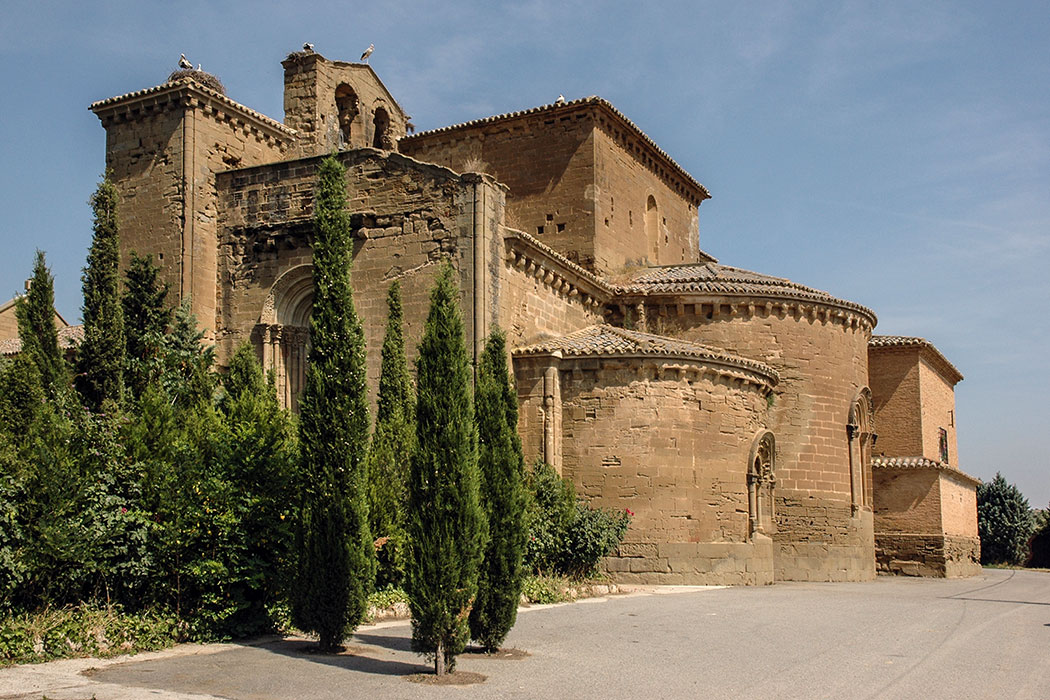
The Nativity currently on display at the Prado Museum is a delicate Gothic work attributed to Rodrigo de Sajonia. It originally formed part of the main altarpiece of the Villanueva de Sijena monastery in the province of Huesca, an artistic collection of great historical and heritage value.
In parallel to the long-running dispute between Aragon and the National Art Museum of Catalonia (MNAC) over the mural paintings in this monastery, a new front has now emerged: the potential claim for this panel. The question lies in determining whether the piece left the monastery illegally after 1936, during the turbulent context of the outbreak of the Civil War.
The Vice President of the Aragon Government, Mar Vaquero, announced this Wednesday that the government headed by Jorge Azcón is willing to initiate the procedures to recover it, provided its illegal removal is confirmed. This position is supported by the conclusions of Juan José Nieto, a researcher and expert from the Villanueva de Sijena City Council, who analyzed the documentation provided by the MNAC (Nativity Scene). These documents, from the monastery itself and dating from the early stages of the war, suggest that the Nativity was moved without authorization, which would open the door to an official claim.

In 1923, the monastery was declared a National Monument, which meant that all the works of art it housed at the time became inalienable property, meaning they could not be sold. The Nativity piece was acquired by the State at an auction held in 2003 for a sum close to 90,000 euros. After the investigation was made public, after reviewing the documentation provided by the Museu Nacional d'Art de Catalunya, historian and former Director General of Heritage for the Government of Aragon, Marisancho Menjón, stated in X that Juan José Nieto "should be more rigorous" with the information he provides to the media. According to Menjón, "the table could not have been in the chapter house of Sijena in 1936," since, if it had been, "it would have burned" during the events of that year. In her opinion, the expert was confusing the dates on the photographs he was using.
In light of these statements, sources within the Aragonese government have opted to exercise caution and emphasize that the possible reclaiming of the painting is still subject to verification of the data and confirmation of its irregular removal from the monastery.
Along the same lines, the historian and former curator of the Lleida Museum, Alberto Velasco, has provided new evidence through a thread published in X. As he explains, there are documents that place the work in a London auction house in 1926. Specifically, he cites an issue of the magazine Arte Español from that year, which included an article entitled Spanish Paintings on the International Market . It reproduces photographs of the table and indicates that it was for sale at the AL Nicholson gallery in London.
The Government of Aragon has reiterated its willingness to take the necessary steps to recover the tablet, provided it is verified that it was removed from the monastery illegally after 1923. The regional government insists that any claim will be based on solid documentary evidence and the support of the corresponding technical reports.
For its part, the Prado Museum has stated that its actions will be strictly governed by the contents of the official report prepared on the case and by current legislation. The art gallery emphasizes that, if any irregularity in the provenance of the piece is proven, it will apply the appropriate measures in accordance with heritage regulations.
You may be
interested
...