Exhibitions
Eulàlia Grau: five decades of critical art arrive in Andorra
The Sala d'Exposicions inaugurates the exhibition of the artist from Terrassa, Art as an ethical commitment curated by Ricard Planas and Julie Crenn.
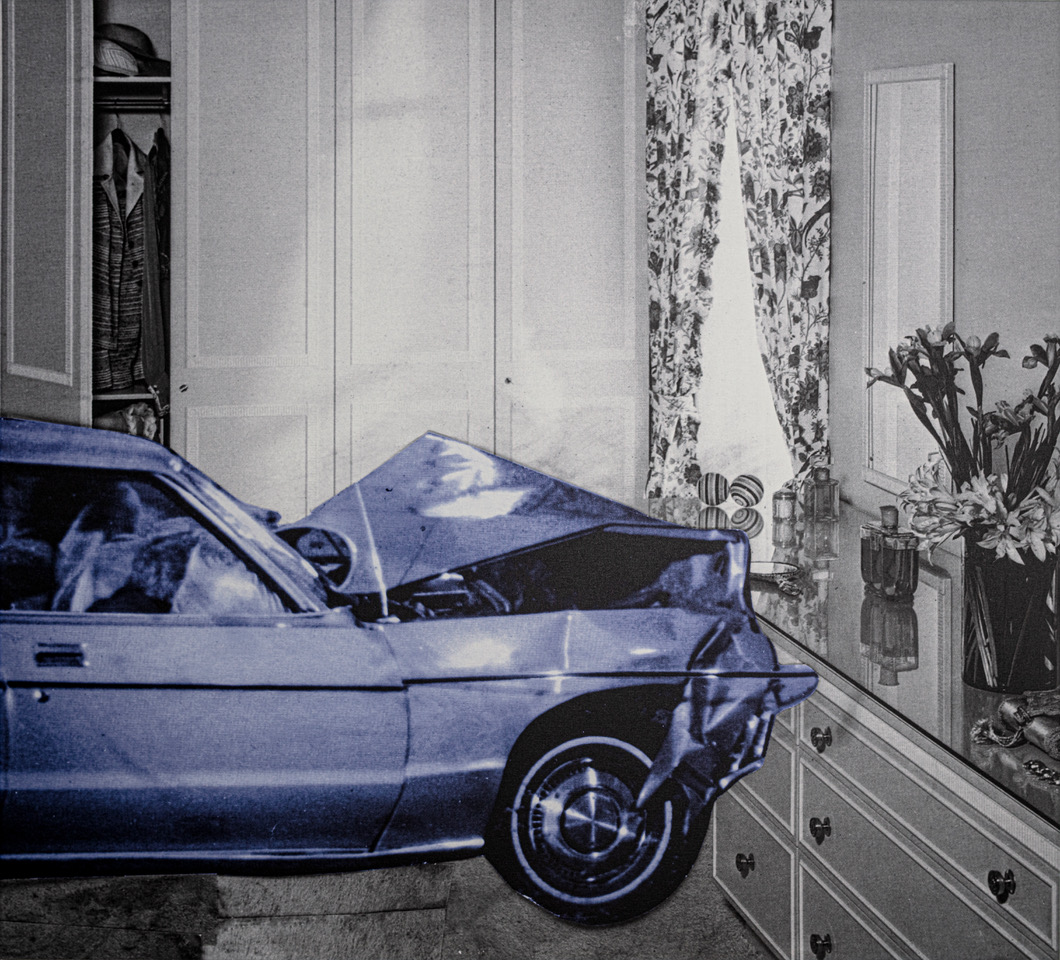
Eulàlia Grau and her entire career will be the protagonist in Andorra with the exhibition Eulàlia Grau. Art as an ethical commitment at the Government Exhibition Hall curated by Ricard Planas and Julie Crenn. An exhaustive, detailed tour, full of emblematic pieces, for all her artistic moments creating a careful retrospective that includes representative works from the 70s, 80s and recent pieces, which can be seen until October 26.
From the beginning he created a label with a particular style where collage is the backbone of all his work and he is one of the most significant figures of the first transition of the Franco dictatorship. Collage and photomontage to denounce inequalities, institutional and gender violence or corruption with a diverse theme that he adapts and creates over time and through the ages.
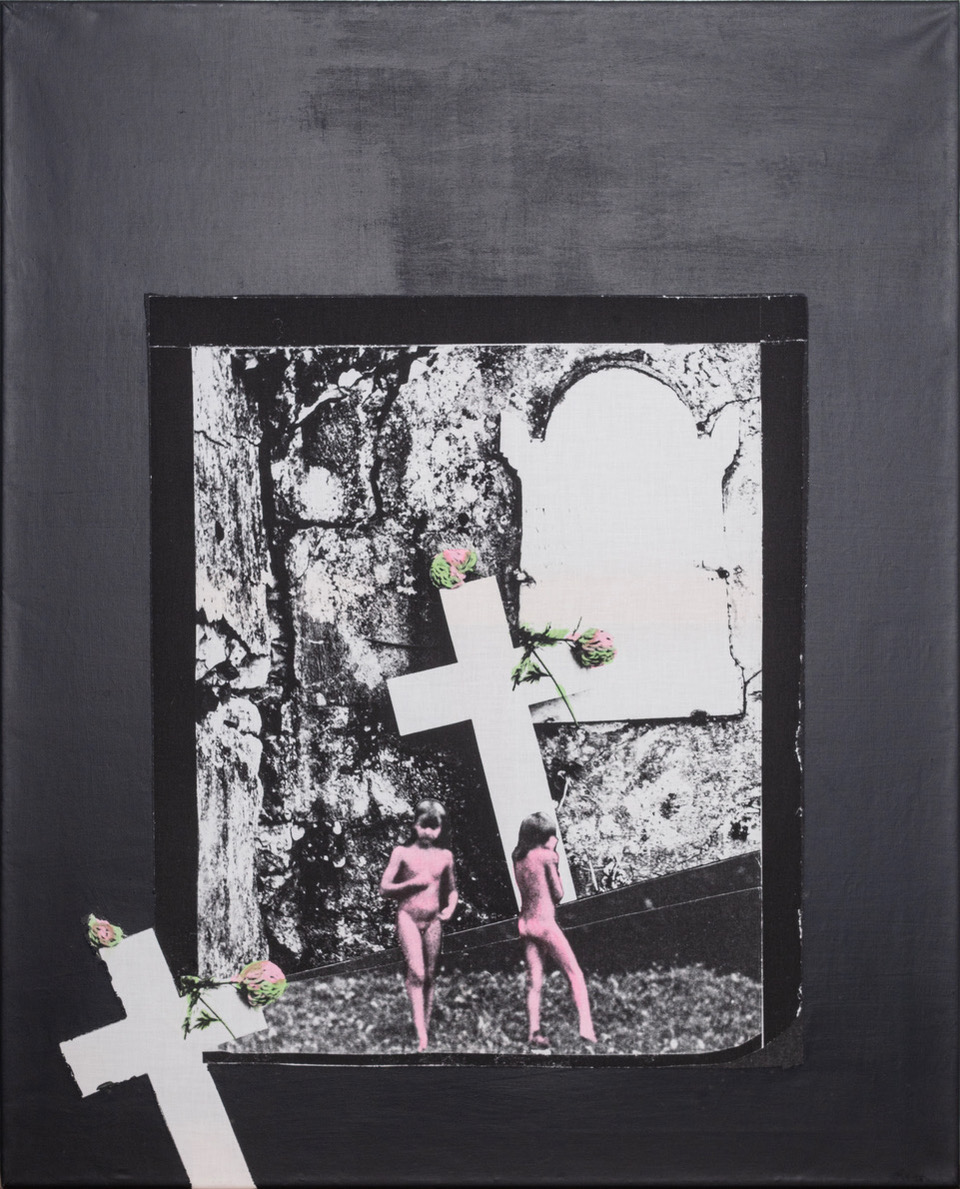
Cemetery, Eulàlia Grau, 1972.
The inauguration will take place on Tuesday 15 July at the Government Exhibition Hall in Andorra la Vella with one of the most forceful voices of conceptual and critical art on the contemporary scene. Art becomes a tool for thought, transporting the viewer's gaze to a striking iconographic world. A tour of the Principality's museum room with works, collages, photographs, silkscreens, books and Grau's latest work, a video about the street that is very representative of the sweat, drunkenness and open bars, Grau explains with the terrible suffering it entails for the residents.
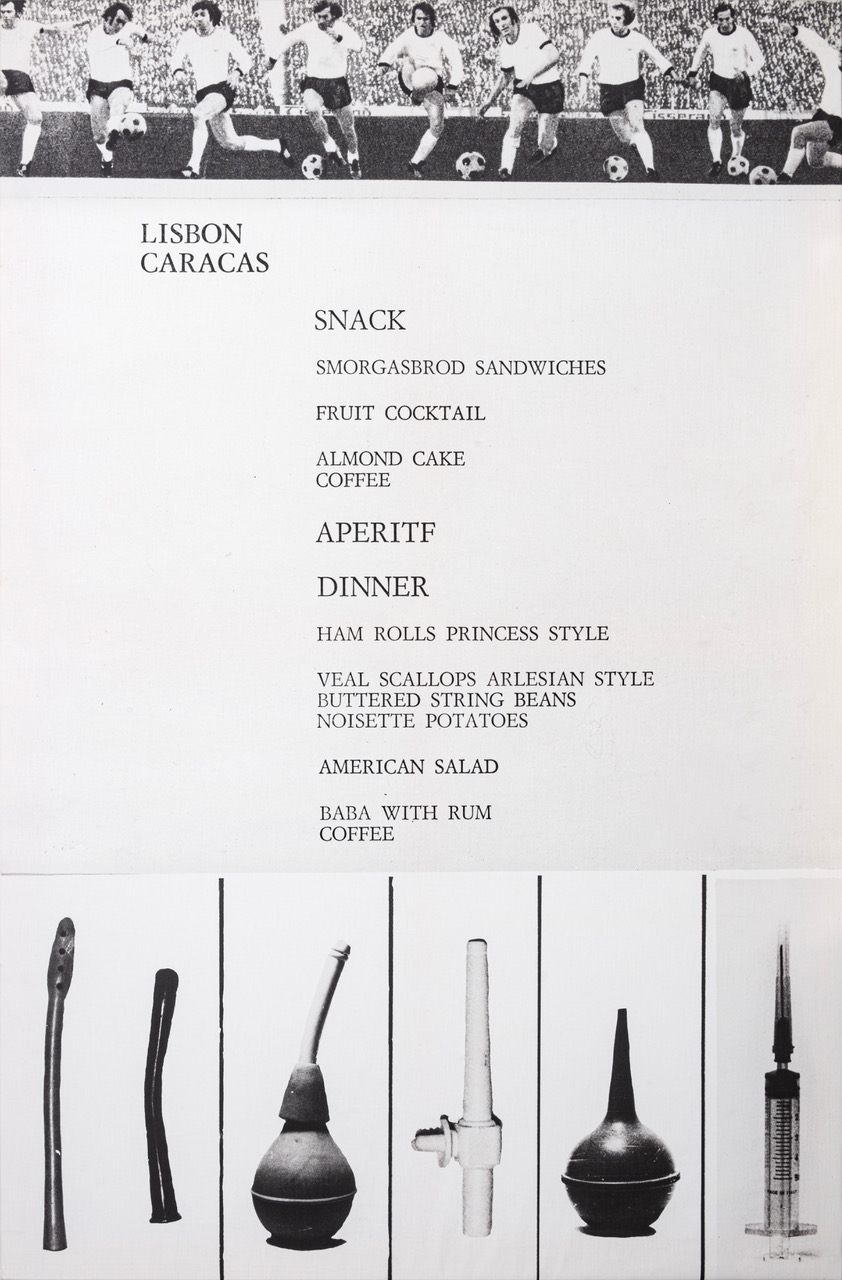
Menu, Eulàlia Grau, 1973.
From that moment in 1973 when she exhibited at Vinçon, an indispensable space in Barcelona at that time, to exhibiting in many places around the world and making a space for herself as a woman in the art world, along with key figures such as Fina Miralles, Esther Ferrer or Àngels Ribé, until landing in the exhibition that MACBA dedicated to her in 2013. More than ten years later, Eulàlia Grau continues to think and create, always in parallel with current issues. Art as an ethical commitment details this point of awareness and collective responsibility of her art, but also gives voice to uncomfortable social criticisms always based on her artistic practice.
Eulàlia Grau, Julie Crenn and Ricard Planas, the exhibition's curatorial duo, have created a journey that offers a broad vision of Grau's entire career, where each work and each piece has a look that invites reflection, thinking and rethinking, leaving aside contemplation, as it transports you to provocation, even discomfort. The Terrassa artist opens cracks to articulate a visual resistance against forms of injustice.
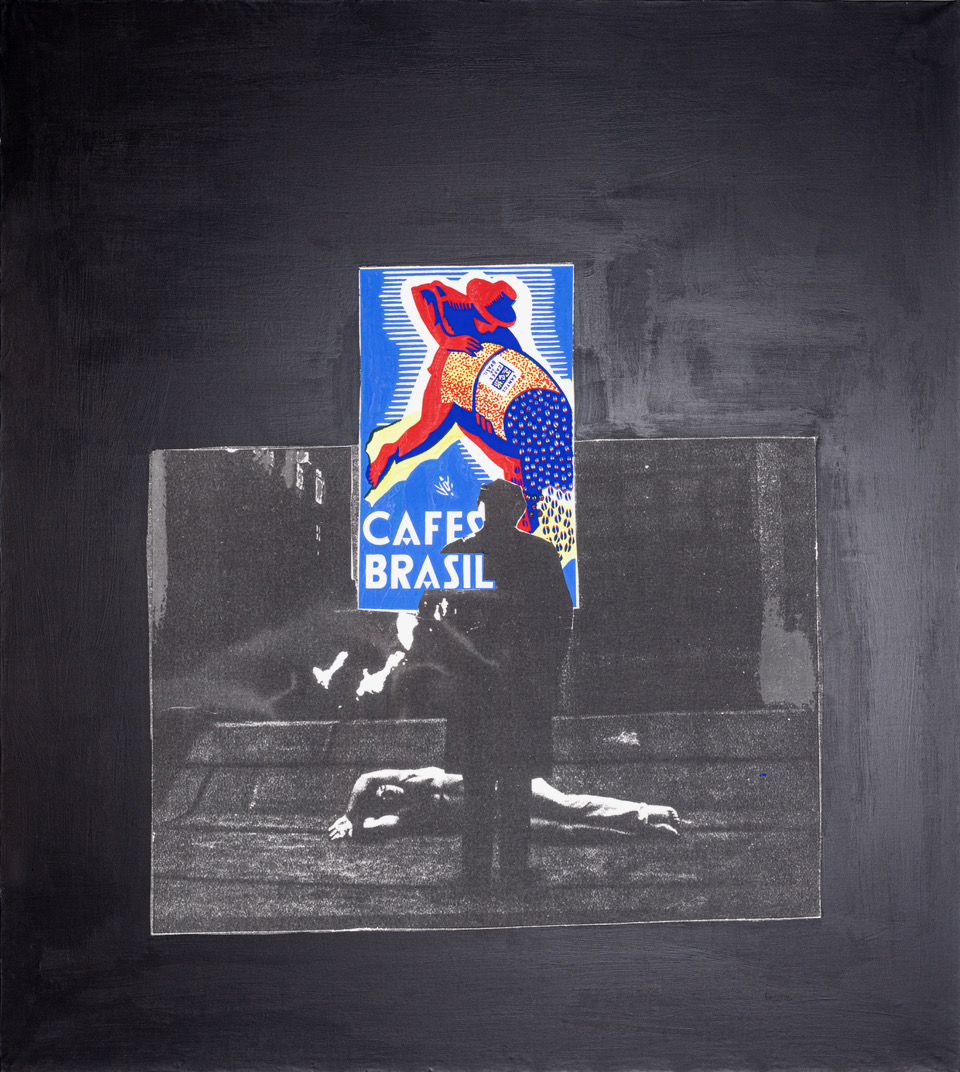
Cafés Brasil, Eulàlia Grau, 1972
The artist recovers techniques such as collage and photomontage to build a striking iconographic vocabulary. She is considered an author between the roles of avant-garde artist and activist, where newspaper fragments, clippings, posters, magazine covers such as Canigó or Bonart, are the new communication media and give rise to a composition full of contrasts, but loaded with visual power between rawness and beauty.
You may be
interested
...