Exhibitions
The essence of the Barranquilla Carnival arrives in Florida
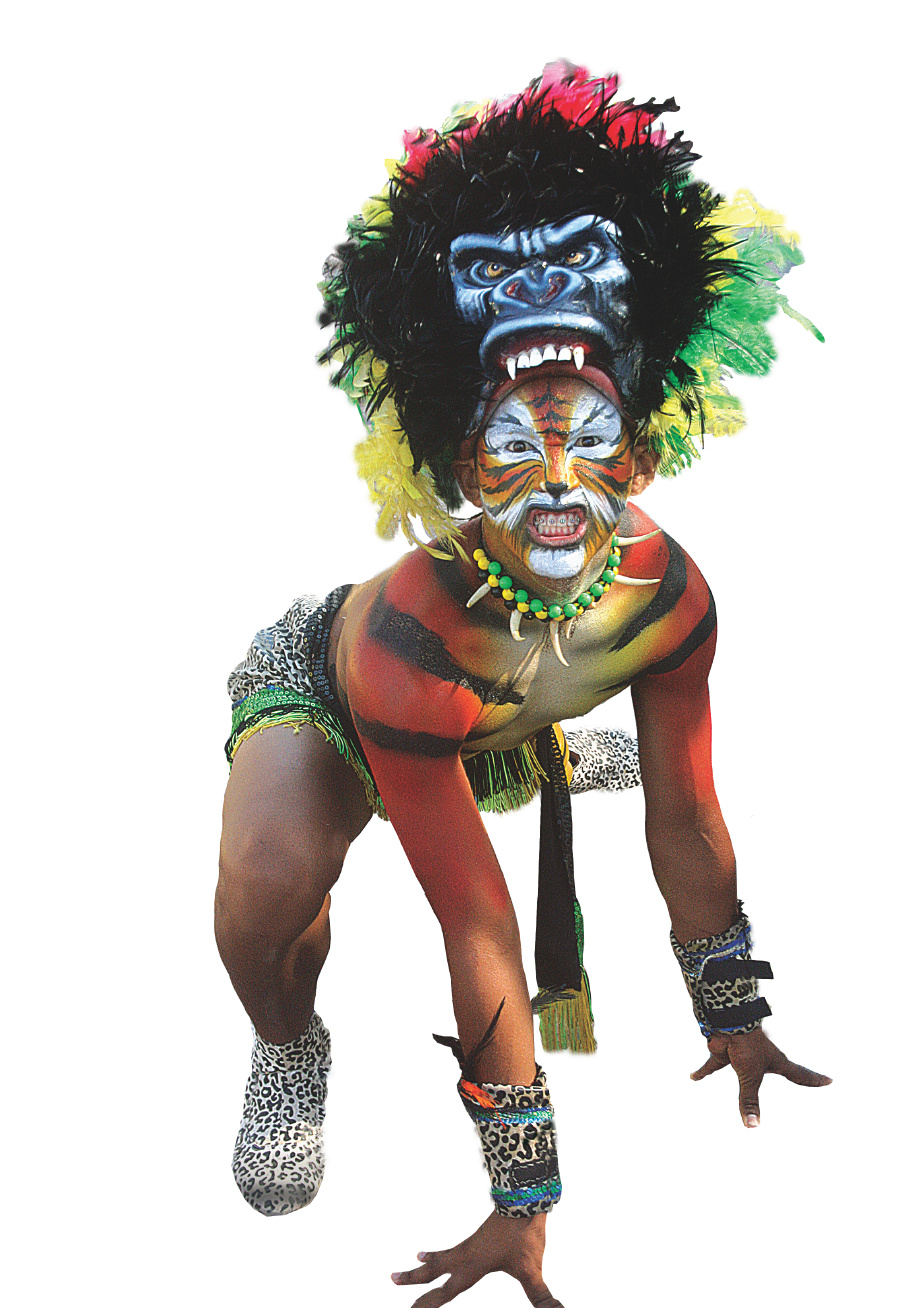
The Coral Gables Museum in South Florida is hosting the exhibition "Life Is a Barranquilla Carnival ," a project that brings the rich cultural heritage of one of Latin America's most iconic festivals—the Barranquilla Carnival—to an international audience. The exhibition, which runs from April 25 to October 4, 2026, offers a journey through the traditions, music, personalities, and artistic expressions that have made this celebration a symbol of Colombian Caribbean identity.
Recognized by UNESCO in 2003 as a Masterpiece of the Oral and Intangible Heritage of Humanity, the Barranquilla Carnival stands out for the diversity of its cultural manifestations, the vitality of its traditional dances and music, as well as for its ability to preserve and transmit centuries of historical and popular heritage.
The exhibition pays tribute to Colombian photographer León Birbragher Vinkel (1940-2022), whose work constitutes one of the most important visual archives of this festival. For more than three decades, Birbragher sensitively and meticulously documented the main events of the carnival, capturing the energy of its parades, the creativity of its costumes, and the passion of those who keep this tradition alive year after year.
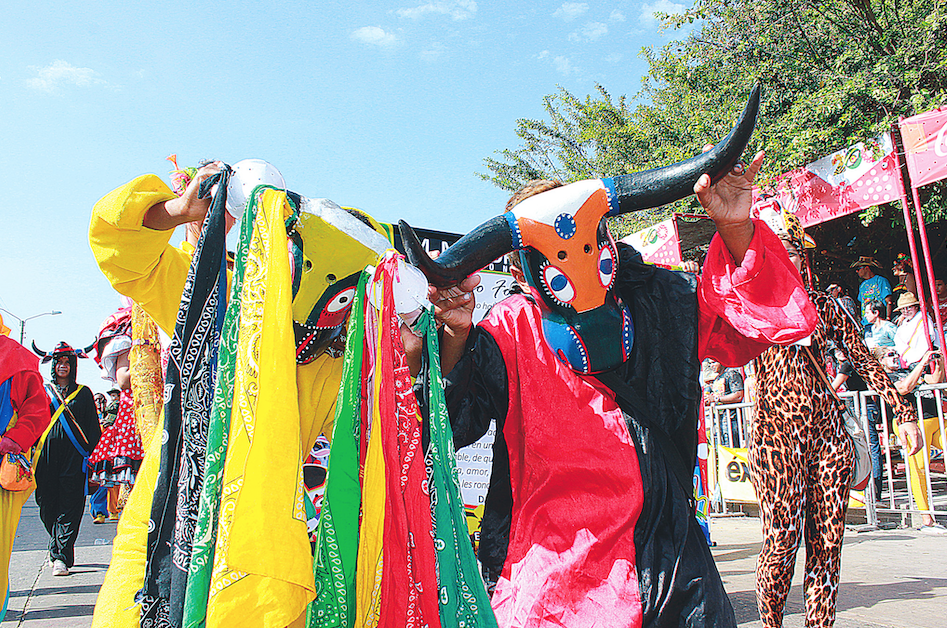
Through a carefully curated selection of images, visitors discover the human and festive world of carnival-goers, the protagonists of a celebration where African, Indigenous, and European influences converge. The photographs reveal both the spectacular nature of large public events and the intimate, communal dimension that sustains carnival.
In addition to valuable photographic material, the exhibition includes original costumes, audiovisual projections, and a musical selection that allows visitors to experience the sounds, colors, and rhythms characteristic of this cultural expression in an immersive way. The result is a multisensory experience that transports visitors to the very heart of Barranquilla's celebrations.
Conceived as a chronological journey through the different moments of Carnival, the exhibition begins with the Guacherna, the traditional nighttime parade that announces the start of the festivities. The tour continues through some of the most representative events, such as the Battle of Flowers, featuring historic dance and folklore groups like the Cumbias, the Congos, and the Garabatos.
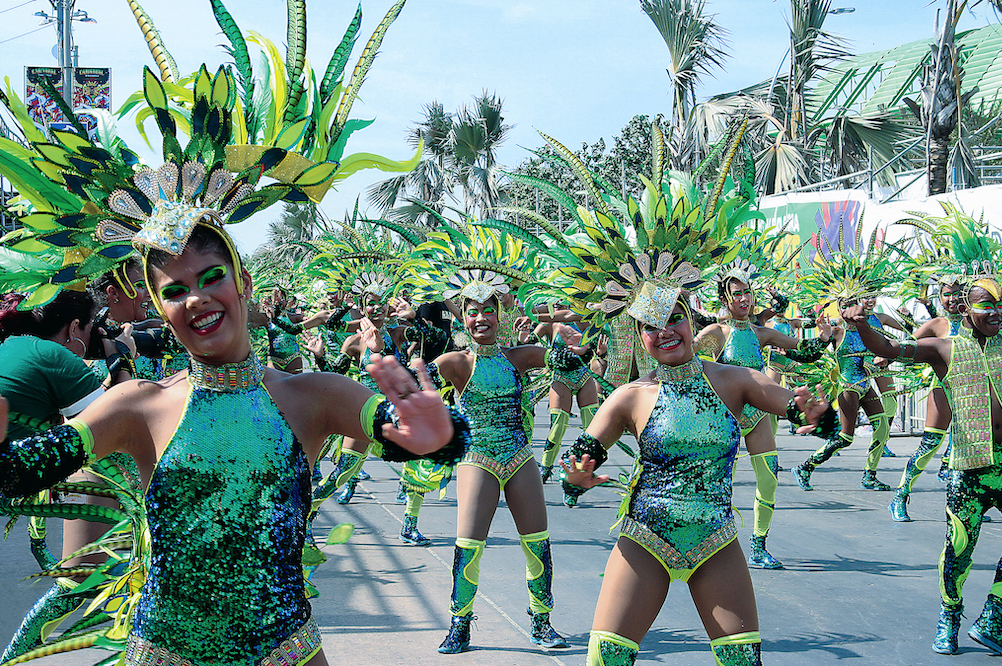
The proposal also explores the spectacular Grand Parade of Comparsas, one of the carnival's most creatively charged moments, characterized by the exuberance of the costumes and the collective choreography. The itinerary concludes with the symbolic Burial of Joselito, a satirical ceremony that marks the end of the festivities and the return to everyday life.

You may be
interested
...