Exhibitions
The suspended art of Ruth Asawa
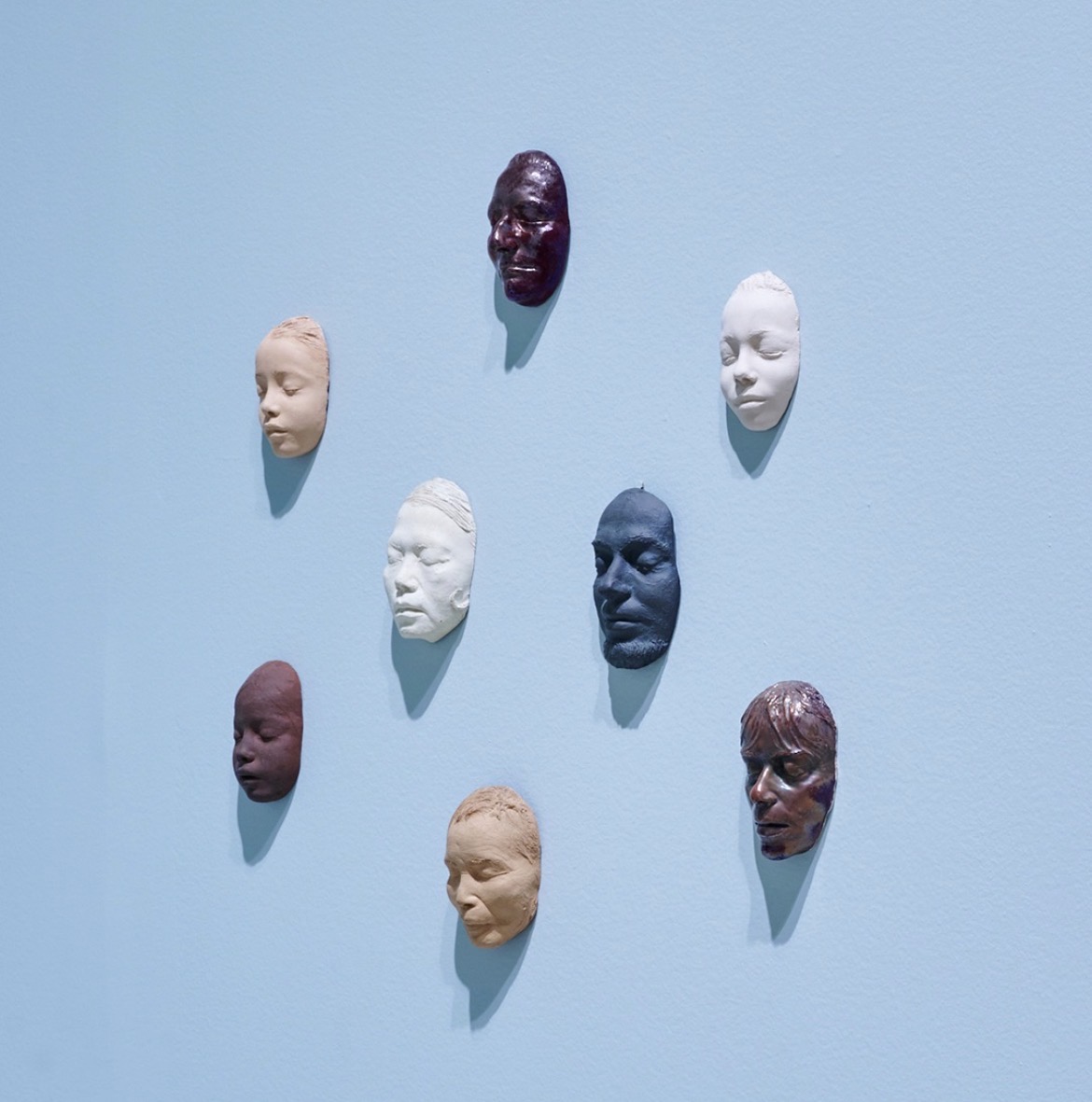
The Guggenheim Museum Bilbao presents, from March 19 to September 13, 2026, an ambitious retrospective dedicated to Ruth Asawa (1926–2013), one of the most gifted and prolific artists of the postwar United States. Organized by SFMOMA and MoMA in New York, in collaboration with the Bilbao museum, this exhibition is the first museum-scale presentation to encompass all aspects of her varied and innovative work.
Ruth Asawa's life story is a testament to resilience. The daughter of California farmers, her youth was cut short in 1942 when, in the midst of World War II, she and her family were interned in camps for Japanese Americans. Far from stifling her creativity, this period marked the beginning of a remarkable academic career. In 1946, she entered Black Mountain College, the epicenter of artistic experimentation in the United States. Under the tutelage of figures like Josef Albers, Asawa learned to look at everyday materials like paper, leaves or stamps, not as banal objects, but as drivers of new forms.
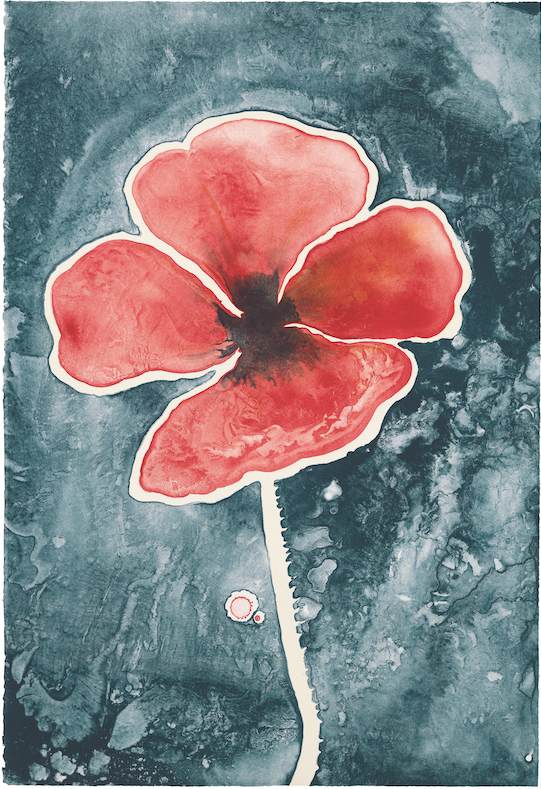
RUTH ASAWA, Amapola (TAM.1479) [Poppy (TAM.1479)], 1965: 20 The Museum of Modern Art, New York. Gift of Kleiner, Bell & Co. © 2026 Ruth Asawa Lanier, Inc., Courtesy David Zwirner; photo: © 2015 MoMA, NY.
From 1949 onward, already settled in San Francisco, her three-dimensional research expanded to include wire structures, pieces of intense technical complexity reminiscent of neural networks, roots, or floral structures. Her work stands out for its balance between geometric rigor and the mimicry of nature, also employing materials such as galvanized bronze, paint, and printmaking.
The exhibition at the Guggenheim, which will occupy galleries 103 and 105 of the museum, focuses particularly on his celebrated hanging sculptures of looped wire. These pieces, with their organic sensuality and hypnotic transparency, redefined the concept of sculpture in the mid-20th century. Asawa was not seeking the solid object, but rather repetition and the interplay between space and shadow.
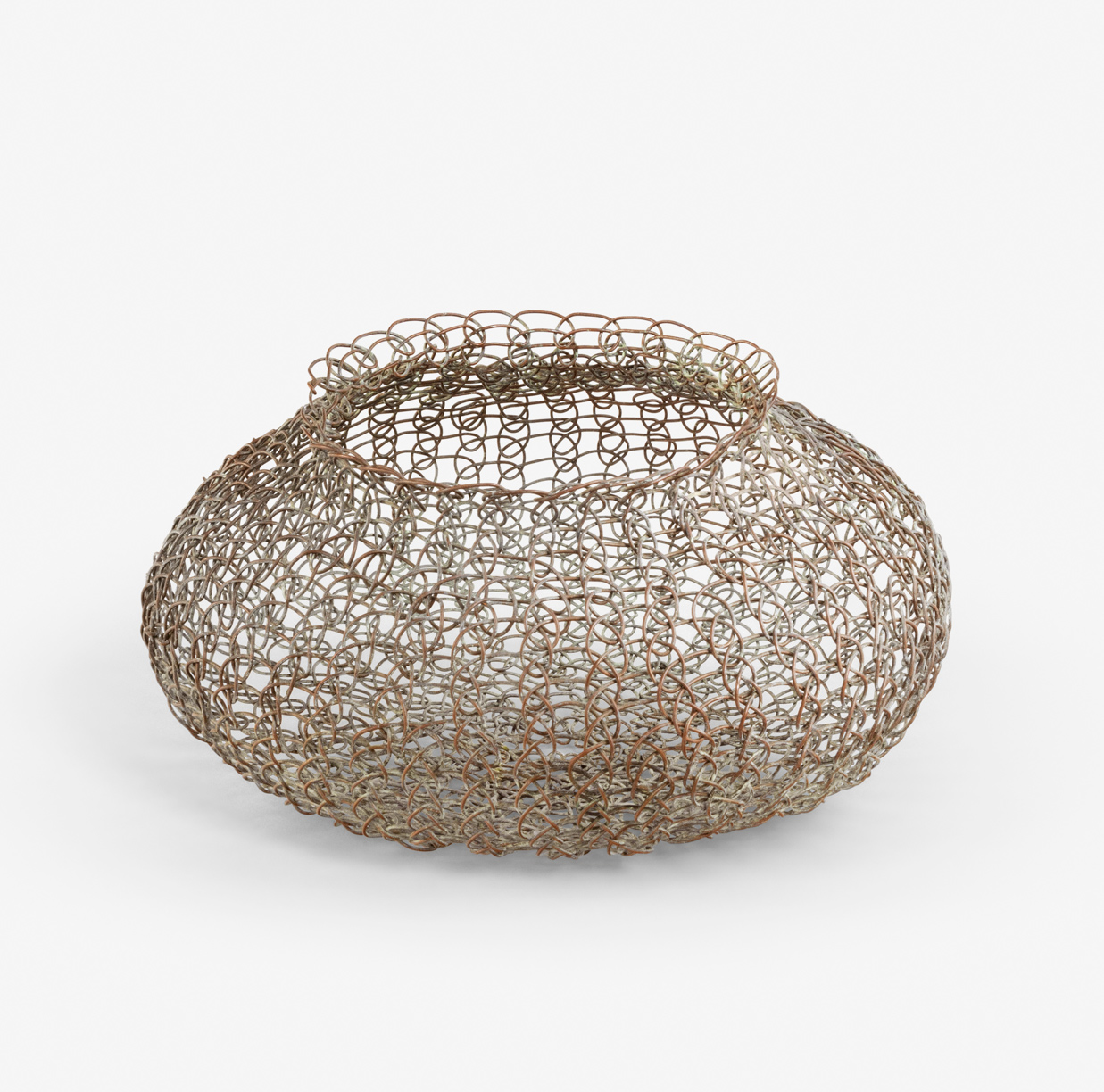
RUTH ASAWA, Untitled (S.363, Freestanding Basket), ca. 1948; Asheville Art Museum, North Carolina. Black Mountain College Collection. Museum acquisition with funds from the 2010 Collectors' Circle and additional funds from Frances Myers. © 2026 Ruth Asawa Lanier, Inc., Courtesy David Zwirner; photo courtesy Christie's.
Beyond her work as a sculptor, the retrospective celebrates Asawa as a significant public figure. Known for her activism in the fight for civil rights and her unwavering belief in art education as a fundamental right, she transformed the San Francisco Bay Area with numerous public art commissions. For her, creation was not an isolated act, but a tool for social transformation.
Curated by Janet Bishop (SFMOMA) and Cara Mandas (MoMA), with the collaboration of Geaninne Gutiérrez-Guimarães (Guggenheim Bilbao), this exhibition is the culmination of a recognition that has grown exponentially in recent years. After showings in San Francisco, New York, and the Fondation Beyeler in Switzerland, its arrival in Bilbao will allow European audiences to discover the full scope of a body of work that, for some time, remained in the shadow of commercial art circuits.
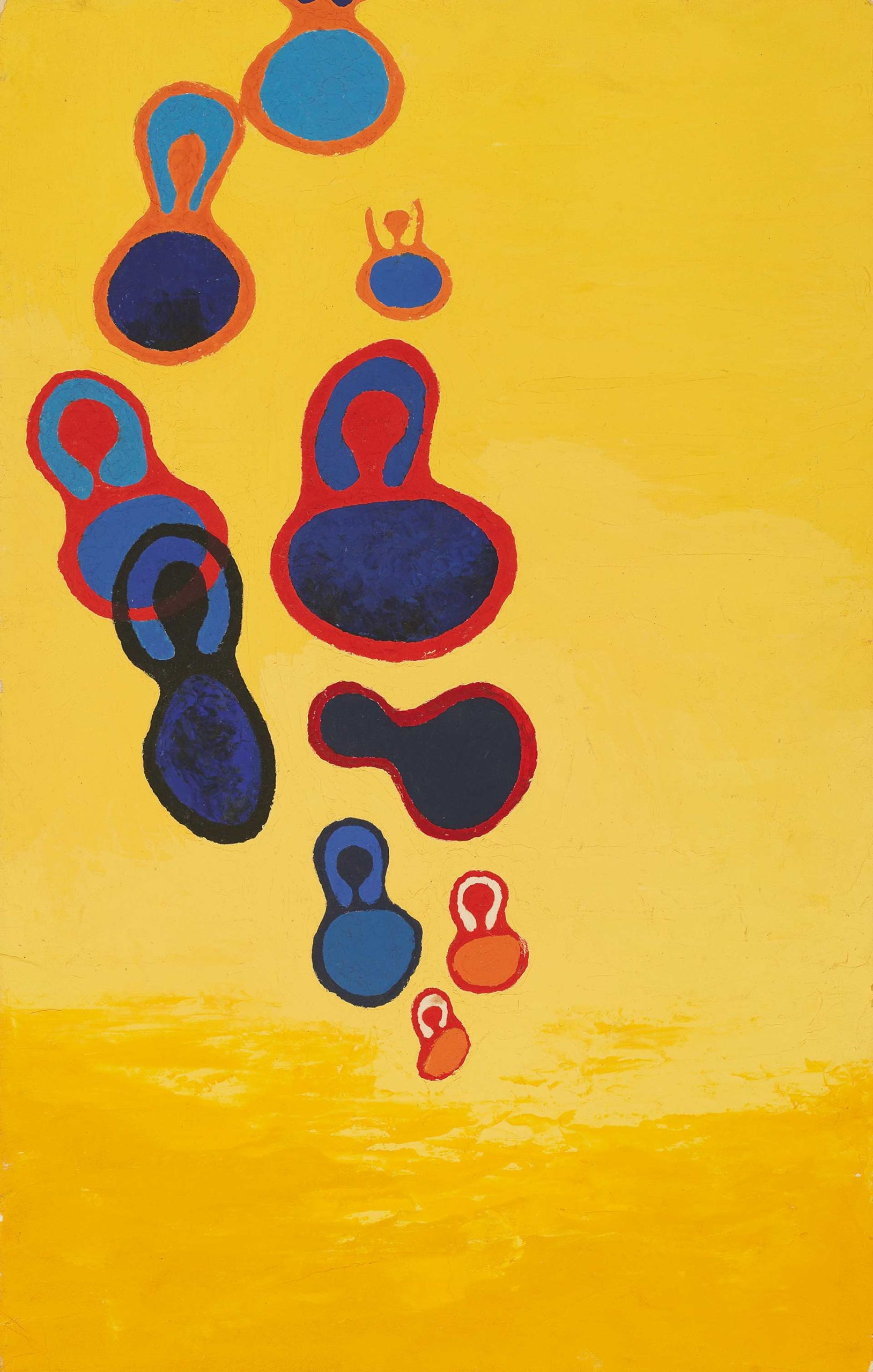
RUTH ASAWA, Untitled (BMC.52, Dancers), ca. 1948–49; Private collection. © 2026 Ruth Asawa Lanier, Inc., Courtesy David Zwirner; photo courtesy Fine Arts Museums of San Francisco.



You may be
interested
...