Exhibitions
Georg Baselitz fills the opening of the new Bilbao Fine Arts Museum with color and provocation
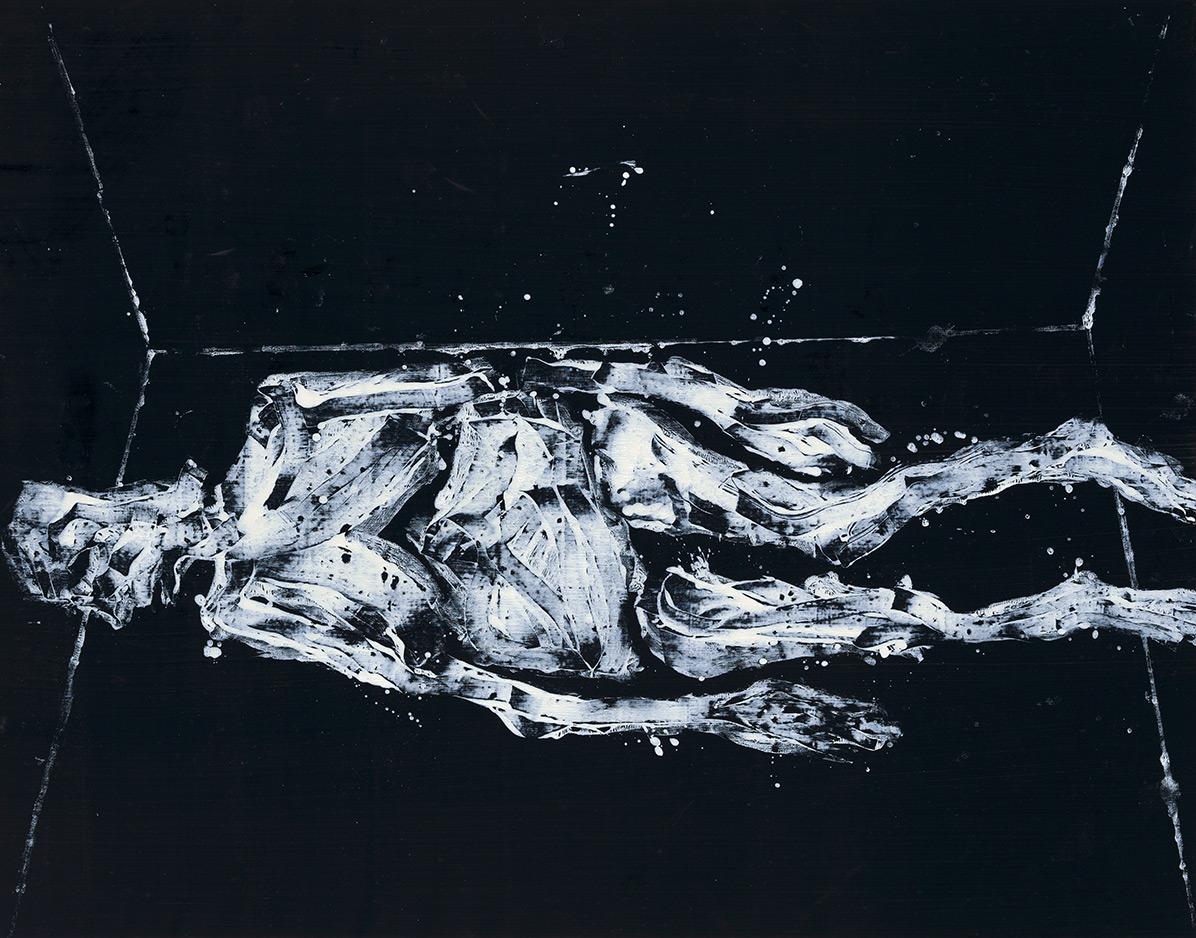
The inauguration of the new Fine Arts Museum building last October solidified its status as a landmark of architectural renewal and cultural reaffirmation in the Basque capital. To celebrate this new chapter, the museum opened its doors with a particularly significant exhibition, Georg Baselitz. Paintings 2014–2025. Something in Everything , which will be on display until March 1st.
Curated by art historian Norman Rosenthal, the exhibition offers an exceptional opportunity to explore the German painter's most recent work. Through a selection of 50 pieces created over the last decade, the exhibition provides a concentrated and unusual view of Baselitz's formal and conceptual evolution in recent years, underscoring the enduring relevance and radical nature of one of the key figures in contemporary European art.
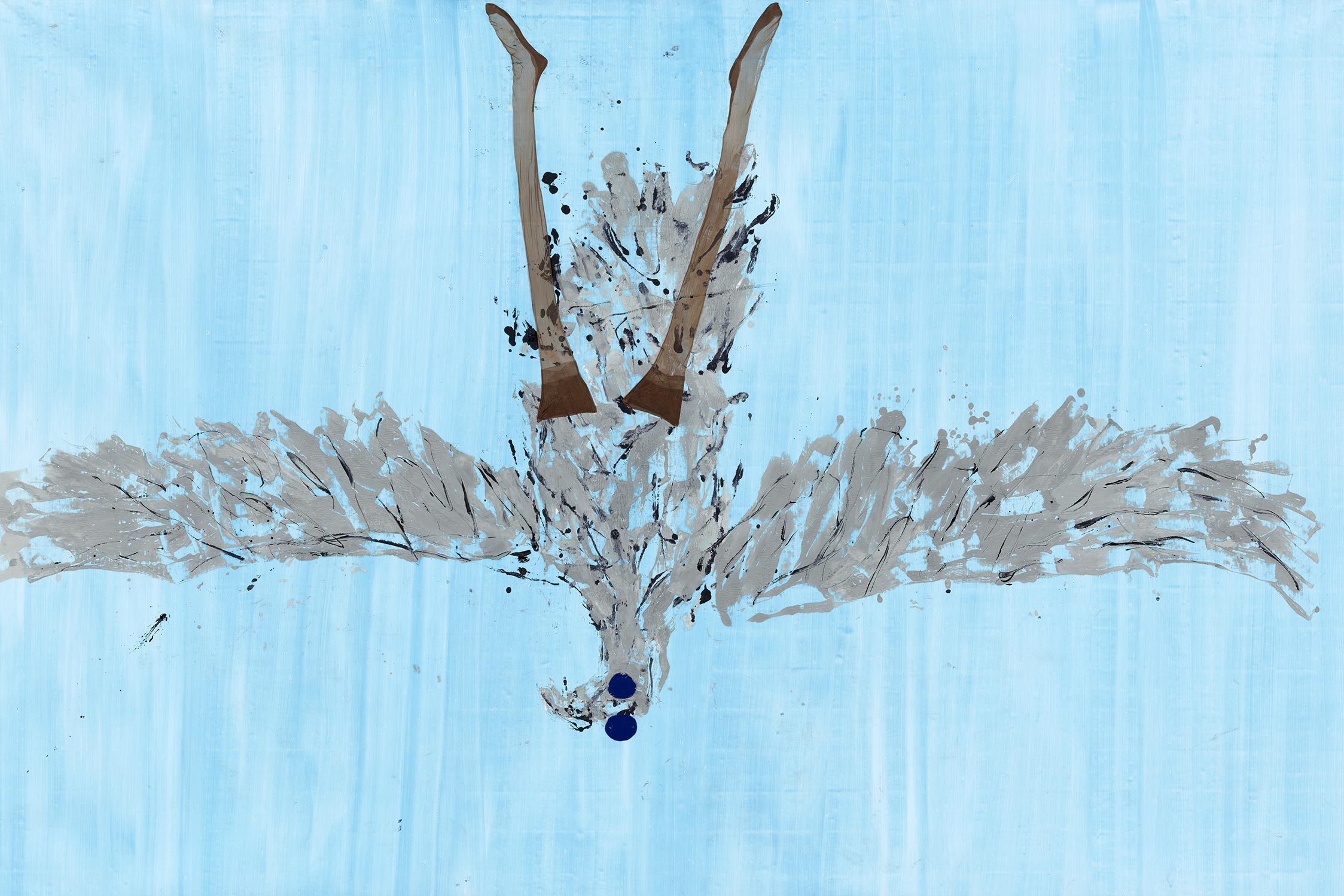
Baselitz's exhibition unfolds on the top and brightest floor of the new building, a space that enhances the chromatic intensity and monumental scale of the works. "His work rests on a very delicate balance between abstraction and figuration. Few contemporary artists are able to draw upon the tradition of the great masters, and Baselitz is one of them," states British curator Norman Rosenthal, also alluding to how the artist himself has become the main reference point and central focus of his most recent production.
The exhibition revolves around a series of variations on the human figure, rendered through powerfully expressive color palettes. These are stylized bodies, often reclining, which—as Rosenthal points out—recurringly allude to Baselitz himself and his wife, Elke. All the pieces, large-format and in some cases up to six meters tall, reinforce a powerful physical presence that envelops the viewer and underscores the introspective and persistent nature of this period in his painting.
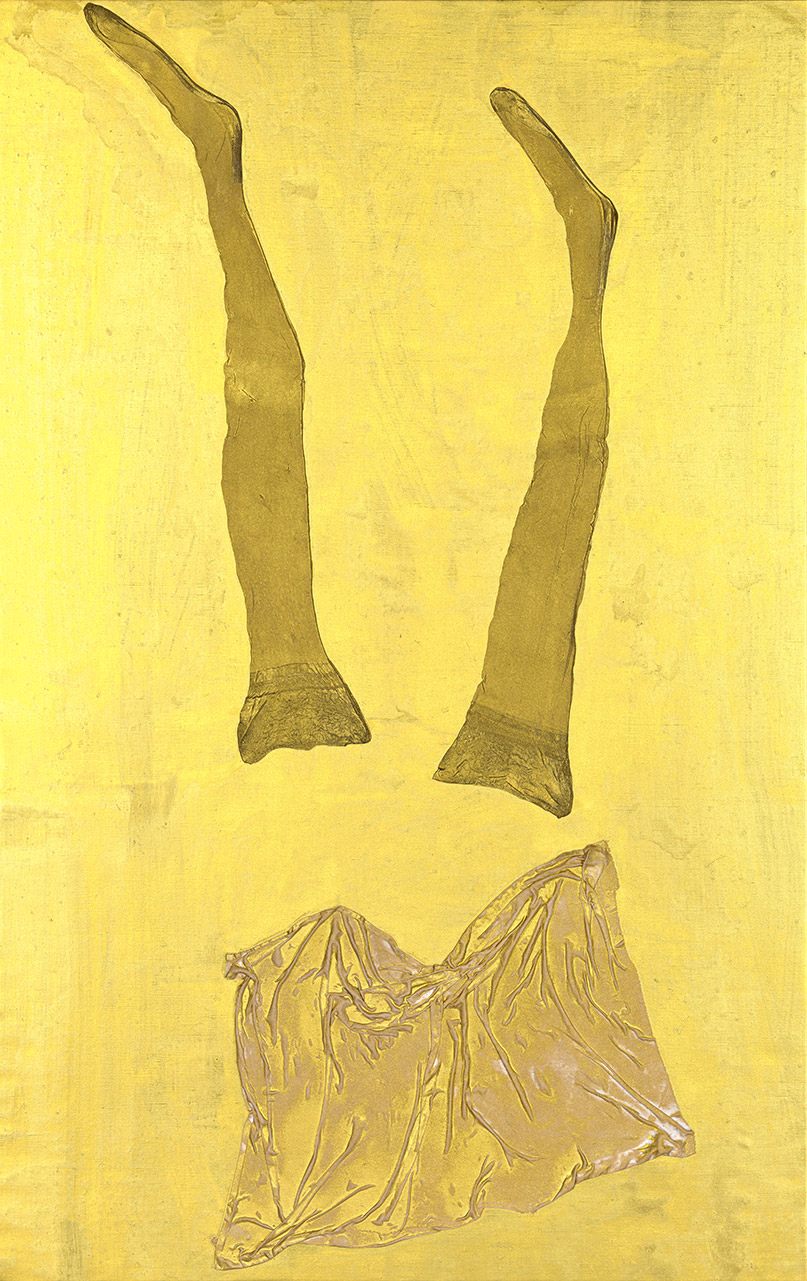
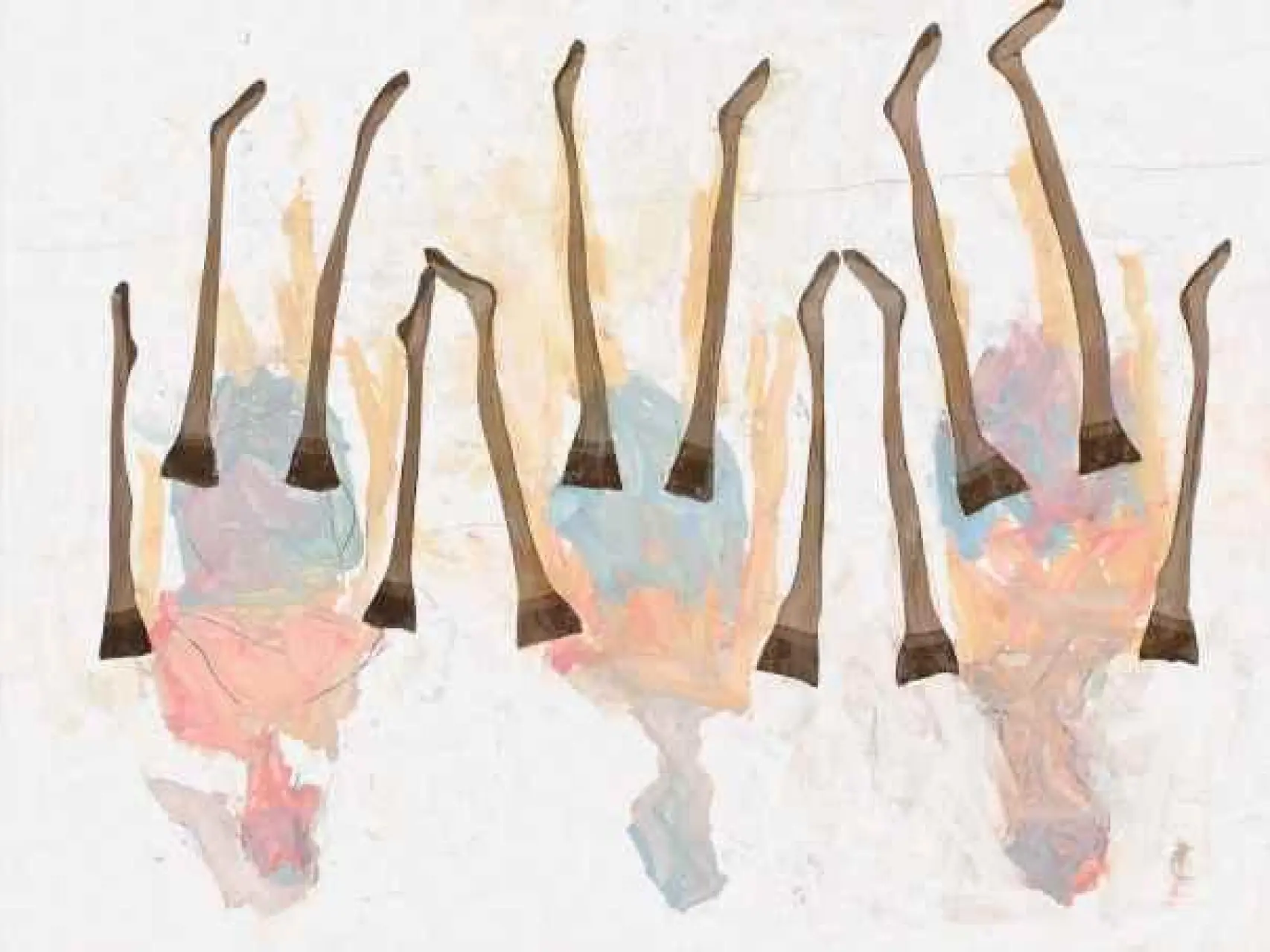
The curator also focuses on the moment of revelation from which Baselitz decided to invert the figure and systematically paint his works upside down, a gesture that would decisively mark his pictorial language. In other pieces, the human figure dissolves into more abstract territories or seems to fragment under violent, almost cutting brushstrokes that pierce the surface of the canvas. Some works lean openly toward abstraction, constructed from fields of pure color—greens, blues, oranges—while others take the form of collages incorporating women's stockings, fabrics, and veils.
"Deep down, he's a prophet," Rosenthal quips, "because you only have to look around to see that the world is upside down: Ukraine, Gaza, the United States, Great Britain..." This statement connects the formal radicalism of Baselitz's work with a symbolic reading of the present and its global disorder.



You may be
interested
...