
Exhibitions
One becomes many at the Pérez Art Museum Miami: the ritual and the museum
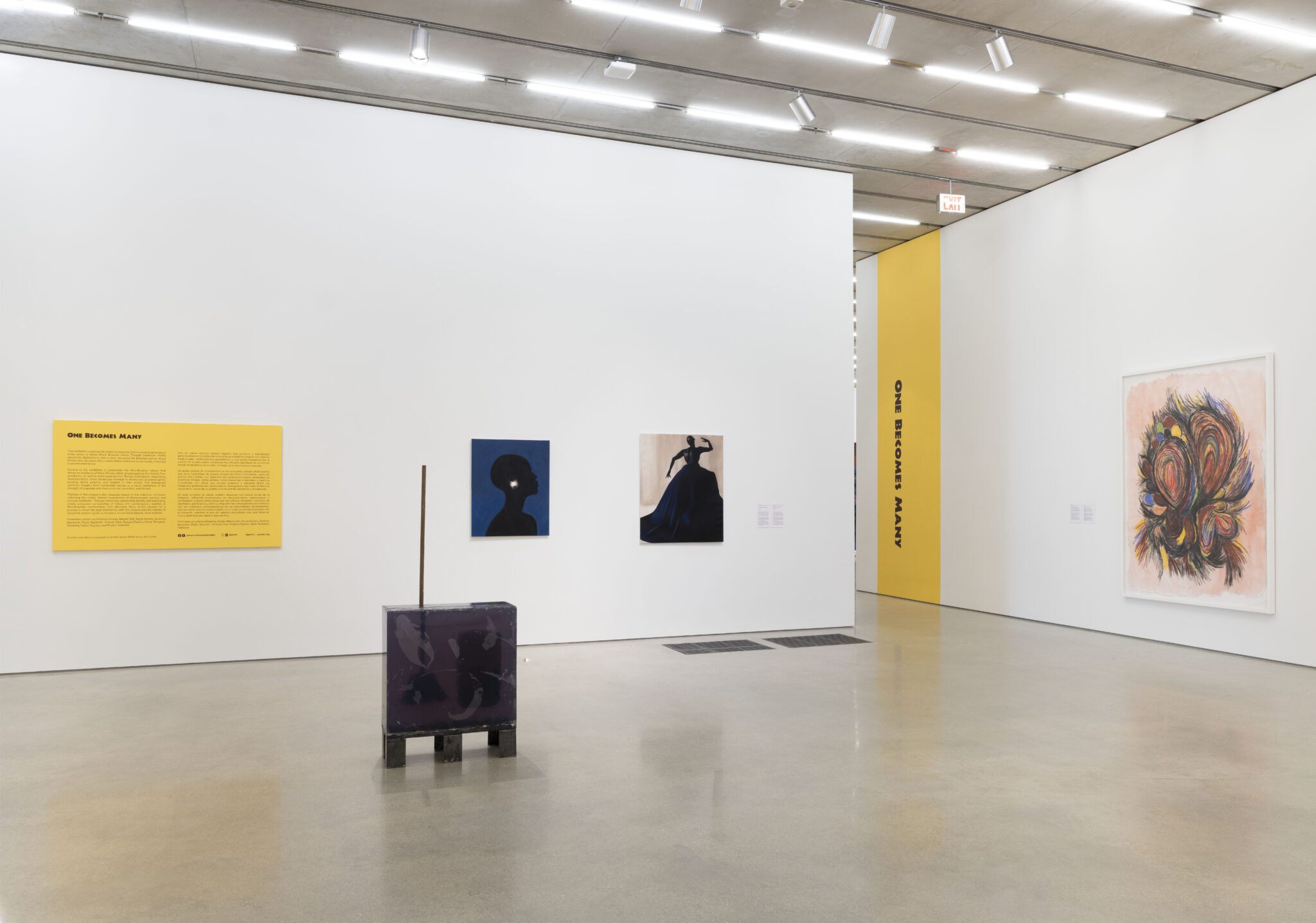
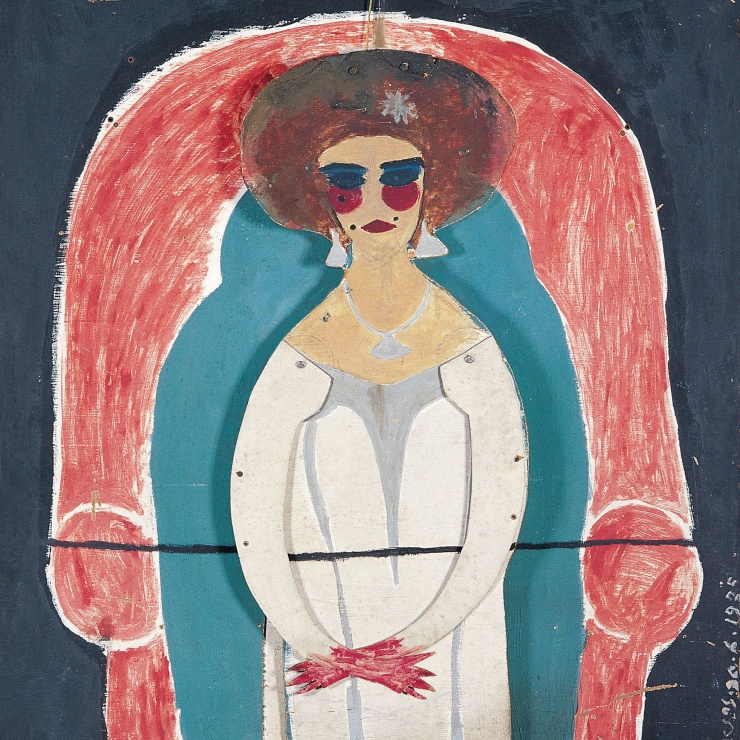
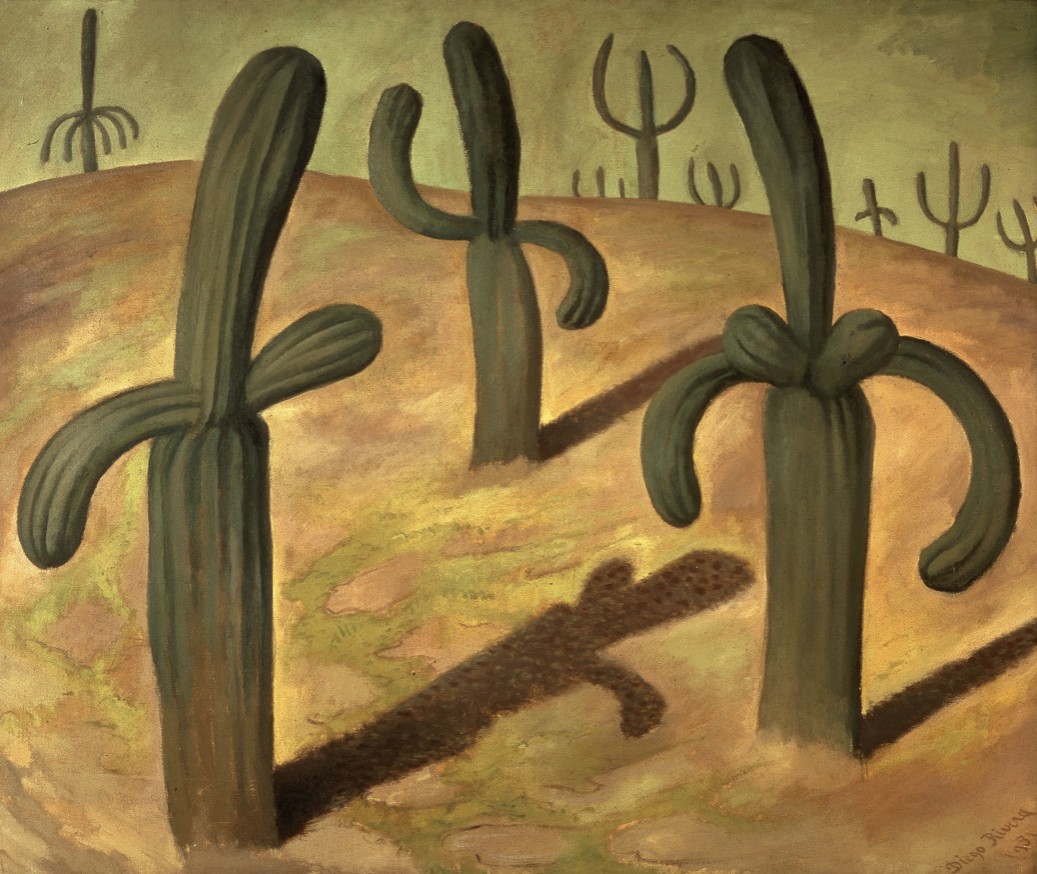
The title, One Becomes Many , suggests the dissolution of the individual subject into a plural, communal, and transgenerational identity. In this sense, the artistic self is presented as a shared archive that brings together the works of eleven Afro-Brazilian artists: Emanoel Araújo, Mestre Didi, Sonia Gomes, Gustavo Nazareno, Paulo Nazareth, Antonio Obá, Alberto Pitta, Hariel Revignet, Tadaskía, Nádia Taquary, and Rubem Valentim.
The cultural cohesion of enslaved African populations in Brazil gave rise to multiple forms of expression, such as capoeira, music, ritual, and art, in which the essence of African cultures was preserved and transformed as it intertwined with their new environment. One of the exhibition's core concepts is Candomblé Ketu, an Afro-Brazilian religion developed in the 19th century. Forged in contexts of slavery, displacement, and historical violence, this belief system emerged as a way to preserve the cultural memory of Yoruba communities and other African populations in Brazil. These practices constitute, to this day, a living archive of memory, resistance, and cultural transmission.
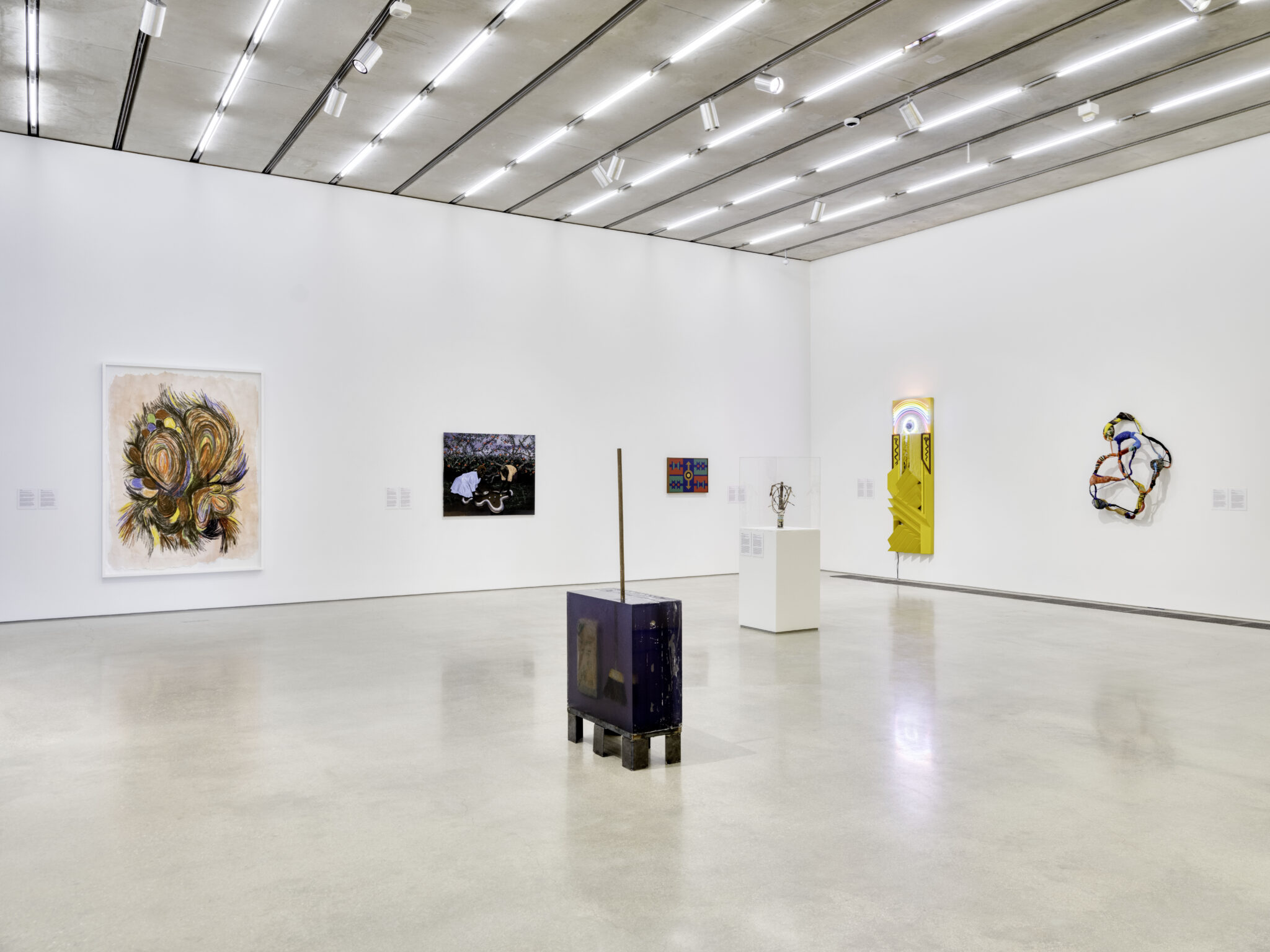
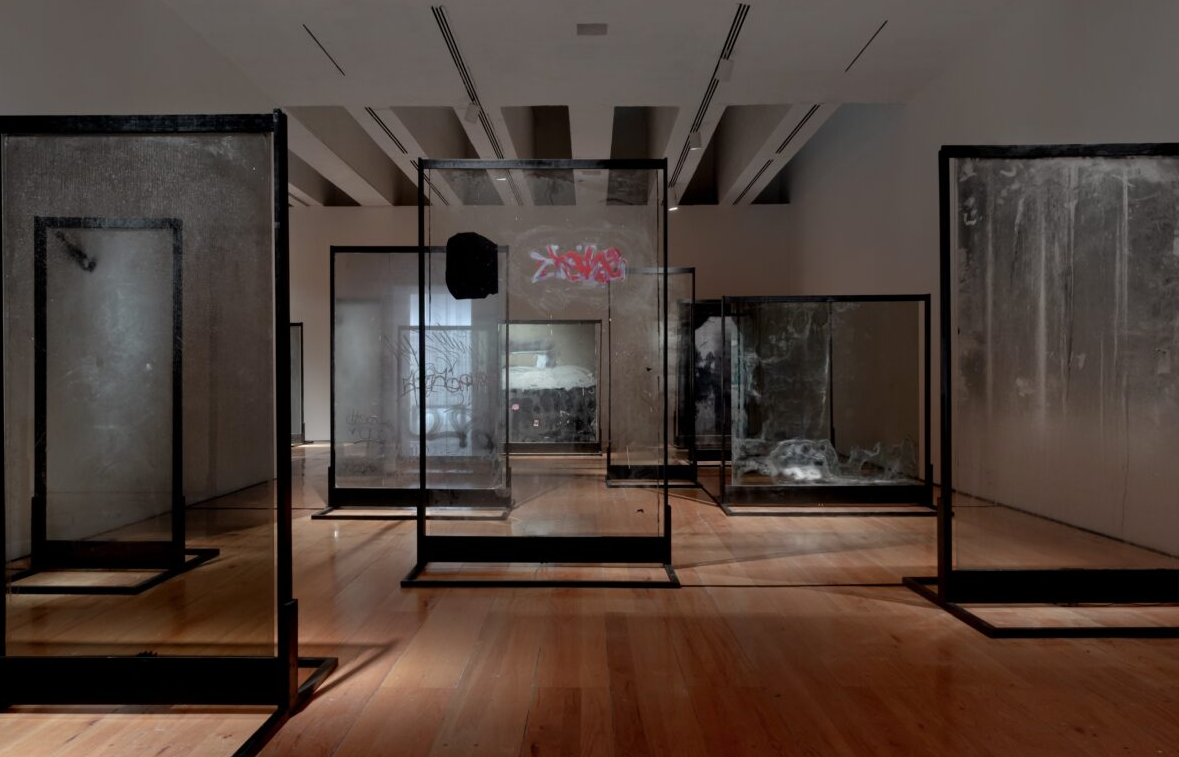
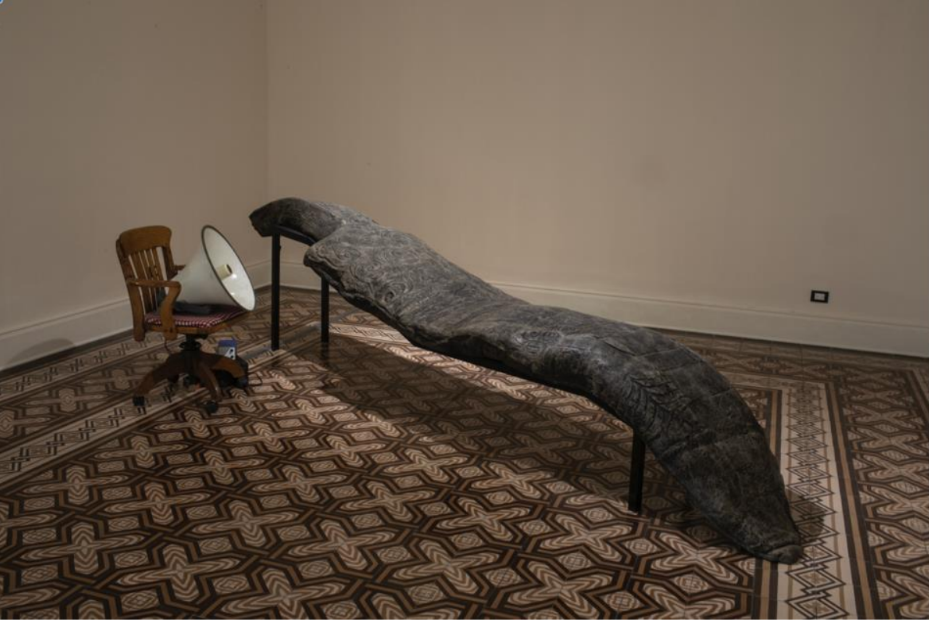
One Becomes Many , on view at the Pérez Art Museum Miami until April 16, situates this archive of ritual within the myth of the white cube. Victor Turner argues that the exhibition space functions as an intermediate territory where ritual practices are separated from their original context, traversing a liminal state—in this case, that of the white cube—to be reconfigured in a provisional collective experience and to acquire new meanings. This transformation activates a central question: what happens when spirituality enters the museum, when the sacred is subjected to perfectly calibrated lighting? Within this framework, works full of texture and striking colors are installed on white surfaces under neutral lighting, in contrast to narratives marked by diaspora and its resilience. The exhibition context does not completely neutralize these memories but rather places them in a space where constant friction can exist.
This friction, far from being an obstacle, constitutes one of the most productive aspects of the exhibition. Through representations of Black bodies, references to folk art, and rituals of Afro-Brazilian memory, a narrative is reconstructed where the past is reanimated. A vibrant color palette reinforces this continuity, inviting us to immerse ourselves in these genealogies that articulate memory, resistance, and belonging. Through these voices: these intertwined voices construct a hive of archives that guarantee their history, in which we must participate so that it is not forgotten.
You may be
interested
...