Exhibitions
Picasso: Memory and Desire, the dialogue between the classical and the modern
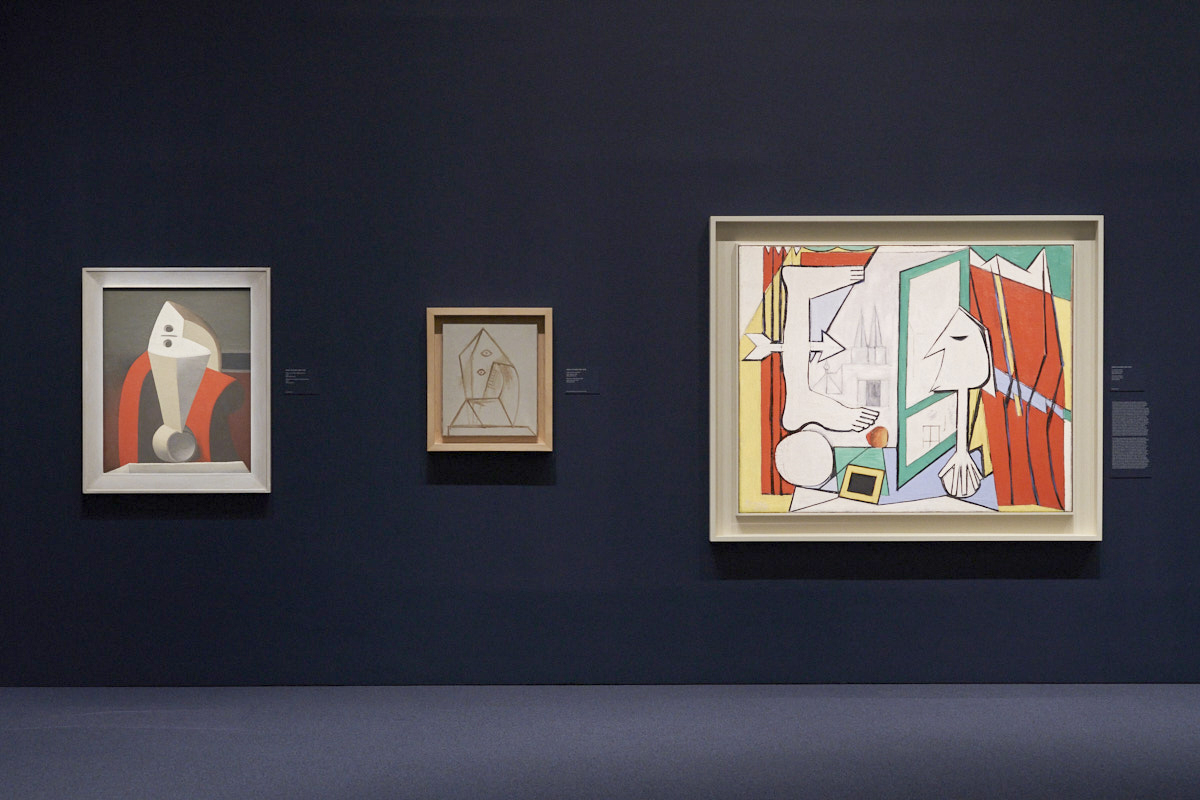
The exhibition Picasso: Memory and Desire invites reflection on the system of images and its relationship to the development of the modern subject, exploring both Picasso's work and that of his contemporaries. The exhibition focuses on a key work created by the artist in 1925: Study with Plaster Head . In dialogue with the surrealist atmosphere of the time, this piece demonstrates that an era does not constitute a fixed mental universe, but rather a complex articulation of times, cultural references, and life experiences.
Study with Plaster Head not only impressed figures like Dalí and Lorca, but has also been considered by critics and art historians as a turning point in Picasso's production, marking a kind of "dividing line" in the evolution of his artistic personality. In this work, Picasso reflects on the passage of time and history, offering a perspective that transcends the individual to engage with the cultural and emotional context of his time.
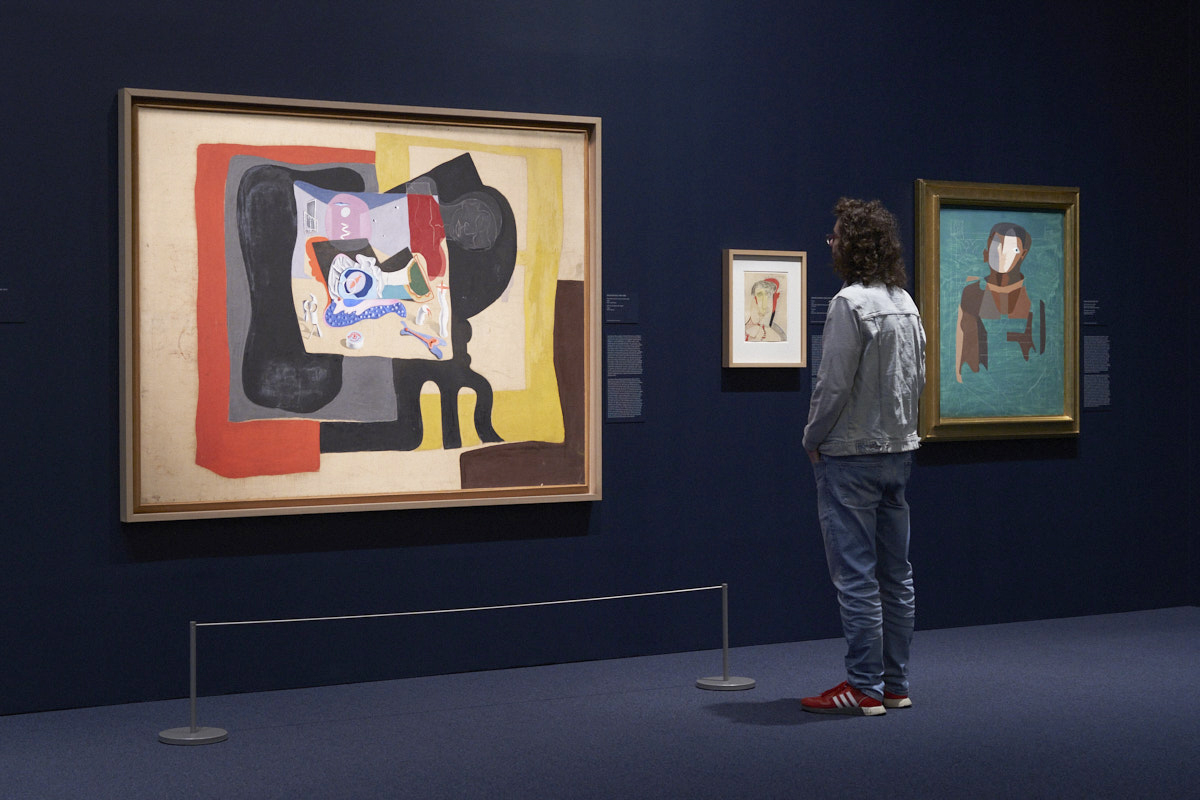
The exhibition, entitled Picasso: Memory and Desire, will be on display until April 12, 2026, and brings together more than one hundred works by essential figures of 20th-century art, such as Giorgio de Chirico, Fernand Léger, Jean Cocteau, Man Ray and René Magritte, while exploring the interpretation that Salvador Dalí and Federico García Lorca made of Picasso's Study with Plaster Head .
Curated by Eugenio Carmona, Professor of Art History at the University of Malaga, and sponsored by the Unicaja Foundation, the exhibition establishes a revealing dialogue between memory and desire, between historical time and modernity, and proposes a reflection on how subjectivity transforms and redefines cultural symbols.
The reinterpretation of the antique plaster bust and the doubled faces were not exclusive to Picasso. Giorgio de Chirico, Fernand Léger, and Juan Gris explored these resources, each from their own particular perspective: De Chirico with inert figures that denied the external gaze, Picasso with faces that burst with inner life, and Gris incorporating the bust into still lifes as a tribute to the arts.
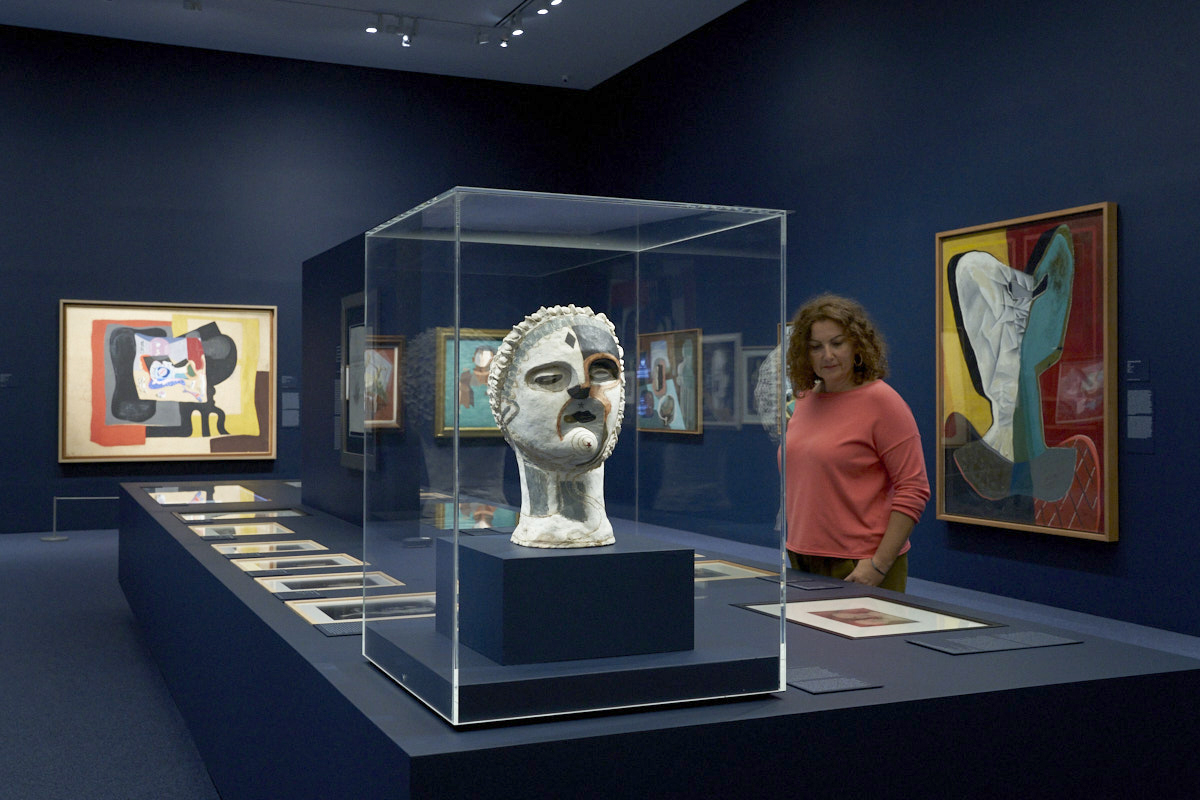
The study with a plaster head became a reference point for contemporaries such as Salvador Dalí and Federico García Lorca, who reinterpreted the bust and the doubling of the face to explore identity, desire, and the conflicts of the self. Jean Cocteau, Man Ray, and René Magritte incorporated these figures into reflections on myth, memory, and trauma, while photographers such as Brassaï, Dora Maar, and André Kertész played with shadow and the street as dreamlike settings that blur the lines between the everyday and the artistic.
Artists Eileen Agar and Claude Cahun expanded these investigations into gender and identity, inverting roles and creating pioneering references in transgender art. In Spain, figures of the New Art movement, such as José Moreno Villa and Benjamín Palencia, understood the reference to ancient art as a living dialogue with modernity. The exhibition thus reveals how a seemingly classical motif becomes a central point of reflection on memory, desire, and subjectivity in modern art.

You may be
interested
...