Exhibitions
Claes Oldenburg: the drawings that transformed the everyday into monumental art
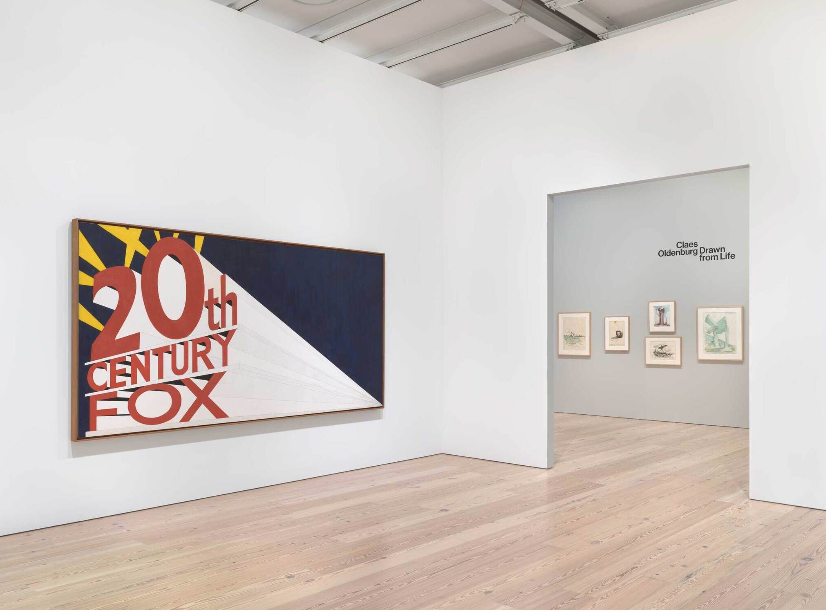
A powerful program at the Whitney Museum in New York features a top-notch exhibition that spans the seventh floor of the Gansevoort Street space, featuring architecture by Renzo Piano. Since early July, Claes Oldenburg's "Drawn from Life" is on view, focusing on the drawings Oldenburg made in the 1960s, in which he transformed scenes of everyday life—streets, shops, homes, and common objects—into playful and dynamic compositions.
These works became the starting point for his celebrated soft sculptures and public monuments. His spontaneous and expressive strokes drew on graffiti, children's art, comics, and advertising. This exhibition, featuring works on paper from the Whitney's extensive collection, demonstrates both Oldenburg's versatility as a draftsman and his ability to expand the possibilities of drawing to represent everyday life.
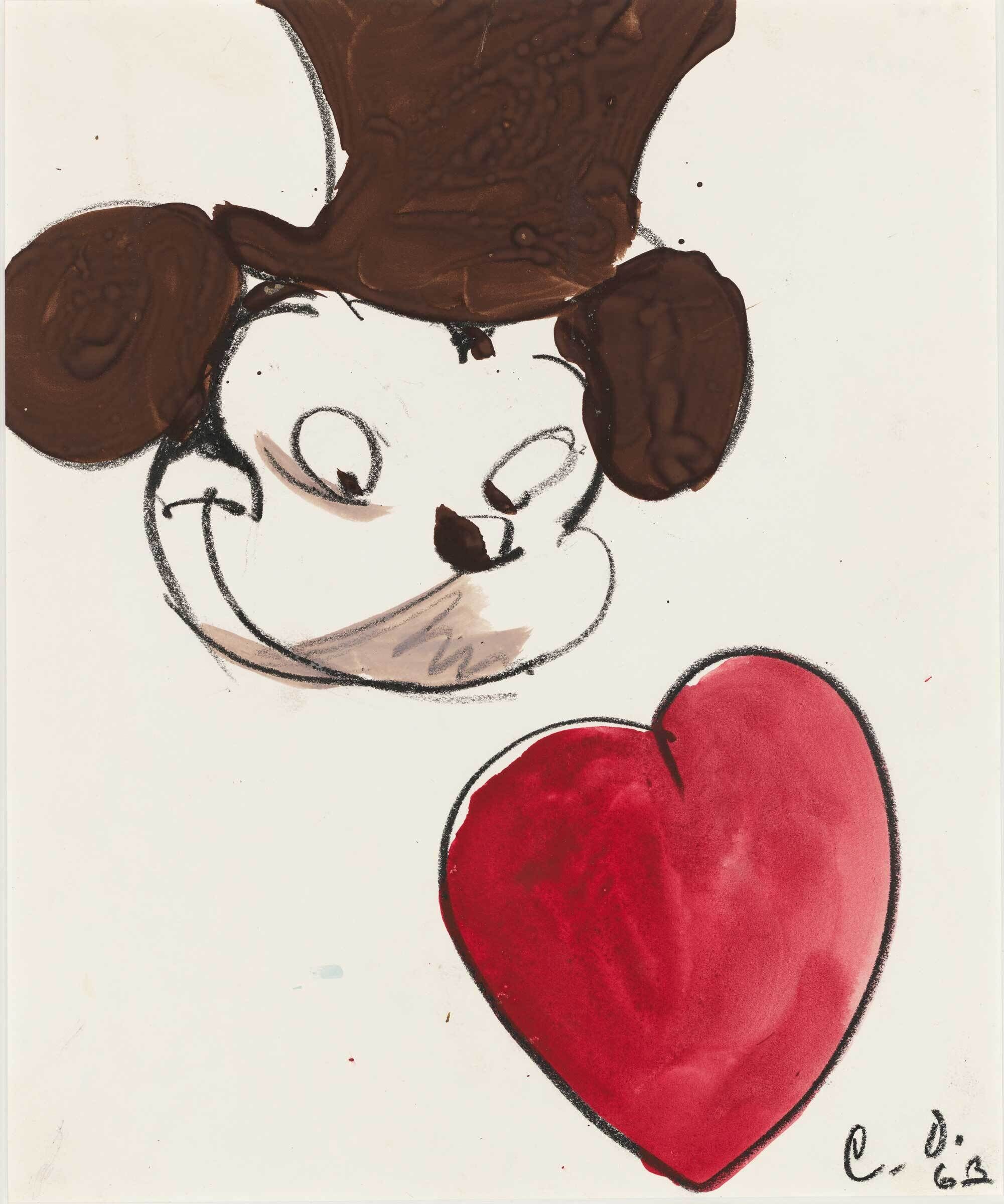
Oldenburg’s first group of works featured in the exhibition, The Street (1959–60), draws on influences from everyday drawing forms—from urban graffiti to children’s art—to create intense and visceral portraits of city life. Later, in The Store (1961–64) and The Home (1963–69) series, the artist drew inspiration from comic books and advertising illustration, resulting in vibrant drawings of food, clothing, and household appliances that would serve as the basis for his celebrated soft, colorful, cartoonish sculptures.
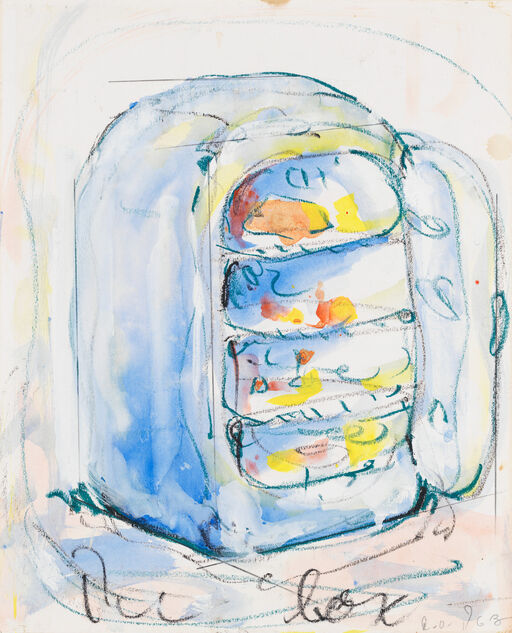
Highlights at the Whitney Museum include Icebox (1963), a vividly rendered refrigerator, and works such as a monumental toilet, a lipstick in Piccadilly Circus, and a tap-shaped cathedral in Seattle. Claes Oldenburg: Drawn from Life offers a privileged look into the creative engine of one of Pop Art's most inventive artists. The exhibition invites us to contemplate everyday objects as if they were extraordinary, imbuing them with humor and boundless ambition.
The exhibition underscores Oldenburg's importance in redefining "life drawing." For him, observing and drawing did not mean faithfully reproducing reality, but rather transforming the everyday into an exercise in imagination and humor. His quick, spontaneous sketches reveal not only the immediacy of his creative process but also his vision for conceiving large-scale works that would move from paper to monument. In this sense, Oldenburg was a pioneer within Pop Art: he gave common objects an air of surprise, wit, and monumentality. His fluid strokes and satirical gaze on the ordinary remain key to understanding the essence of the movement.



You may be
interested
...