Exhibitions
Discovering Čiurlionis: freedom captured in 40 photographs
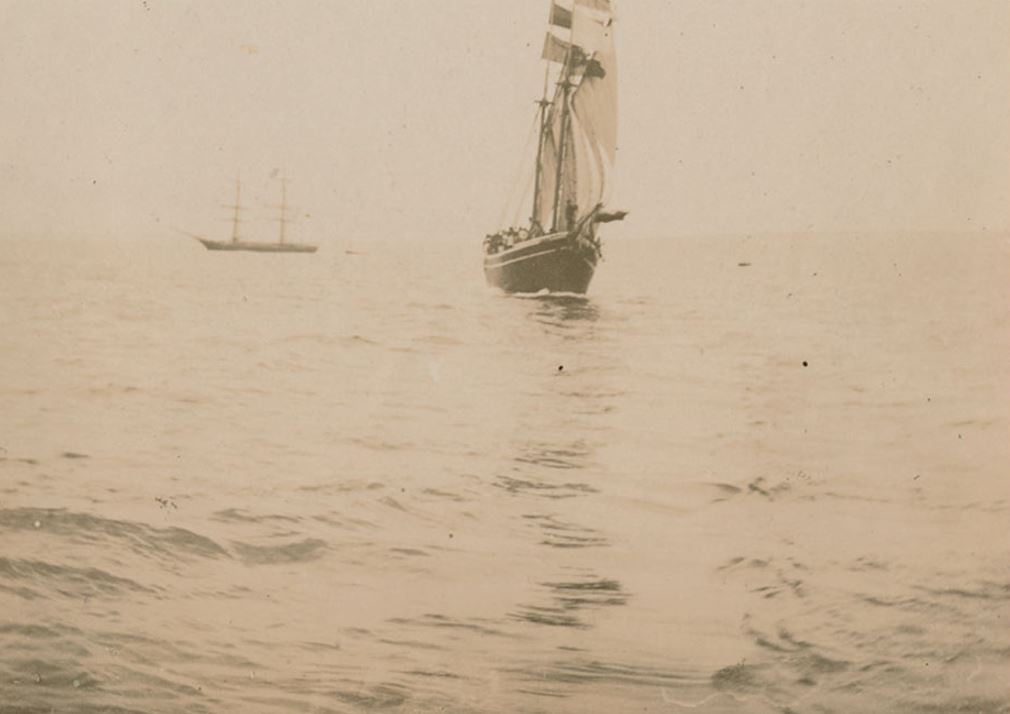
The photographic work of Lithuanian painter and composer Mikalojus Konstantinas Čiurlionis is being presented for the first time in Spain in the exhibition "Prelude to Freedom ." The exhibition, which offers a new perspective on his work, will be on view at the Castellón Museum of Fine Arts (MBACAS) from June 19 to October 5, 2025.
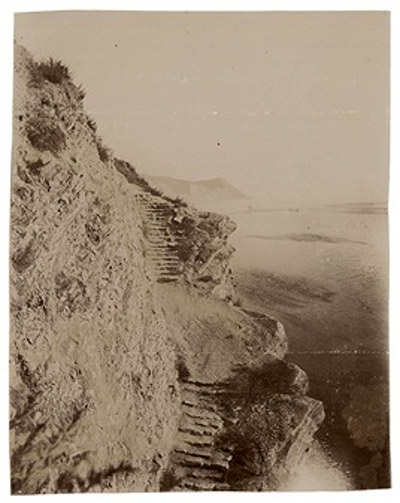
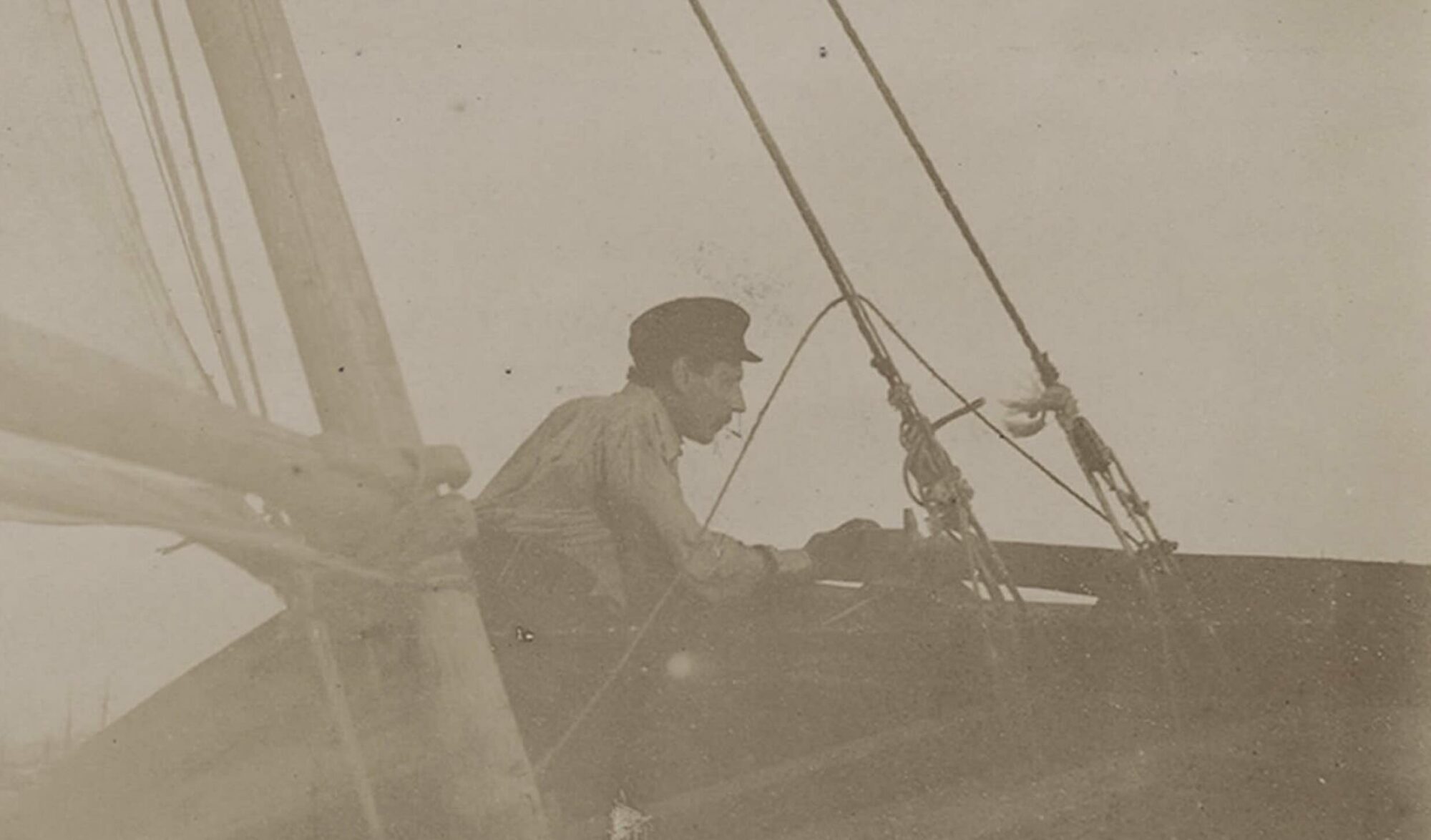
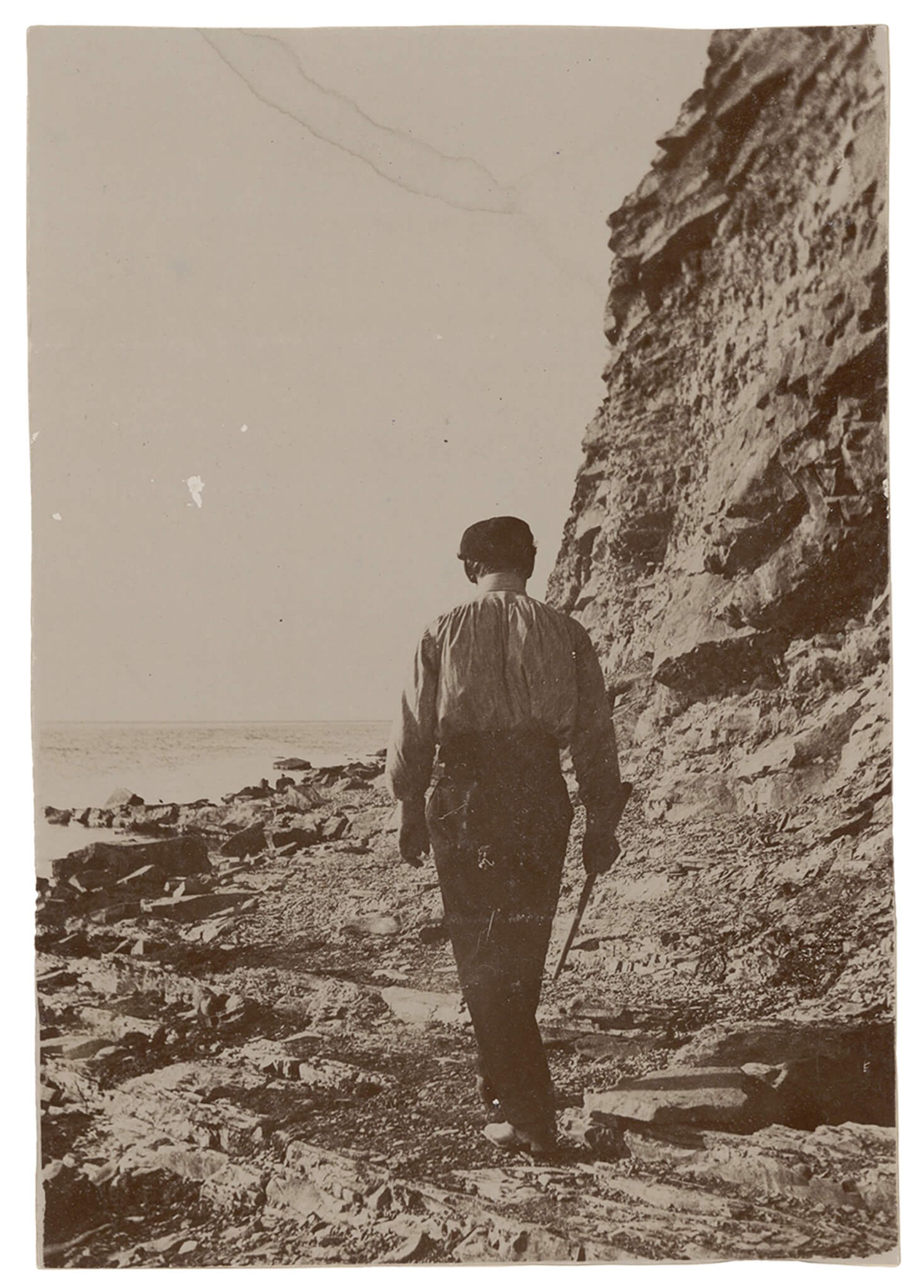
The exhibition is based on 40 photographs taken by Ciurlionis during his stay in the Caucasus in 1905. The Lithuanian artist whose work transcends the traditional boundaries of art, combining painting, music, and poetry. His multidisciplinary approach sought to express a unique synesthesia, where colors and shapes intertwined with sounds and musical harmonies.
In painting, Čiurlionis was associated with Symbolism and Art Nouveau, developing a style characterized by fantastic figures, mythological motifs, and structures that reflect his musical sensibility. His works do not represent reality literally, but rather emotions, sensations, and abstract visions that anticipate modern abstract art.
Despite his short life, Čiurlionis left behind an exceptional cultural legacy, becoming a symbol of the Lithuanian artistic renaissance and a source of inspiration for generations of artists seeking to merge different creative languages. His work demonstrates that art can be a bridge between senses, emotions, and thought, transcending any disciplinary boundaries.
The photographs from the Castellón exhibition, included in his album ANAPA 1905 , reveal his artistic vision and commitment to creative freedom. The sea, a recurring theme in many of them, stands as a metaphor for freedom, the central axis of his entire work. This time-lapse tour is part of the commemoration of the 150th anniversary of Ciurlionis's birth, organized by the Valencian Institute of Culture and the Consulate of Lithuania in Valencia.
The exhibition curator, Vilma Dobilaitė, emphasized that “although his life was short—barely 35 years—Čiurlionis left behind an exceptional artistic legacy: he created nearly 400 musical compositions and 300 paintings, as well as an extensive collection of illustrations, photographs, and literary texts.”



You may be
interested
...