Exhibitions
Eufloria: A sensory journey to the floral splendor of the Kaluz Collection
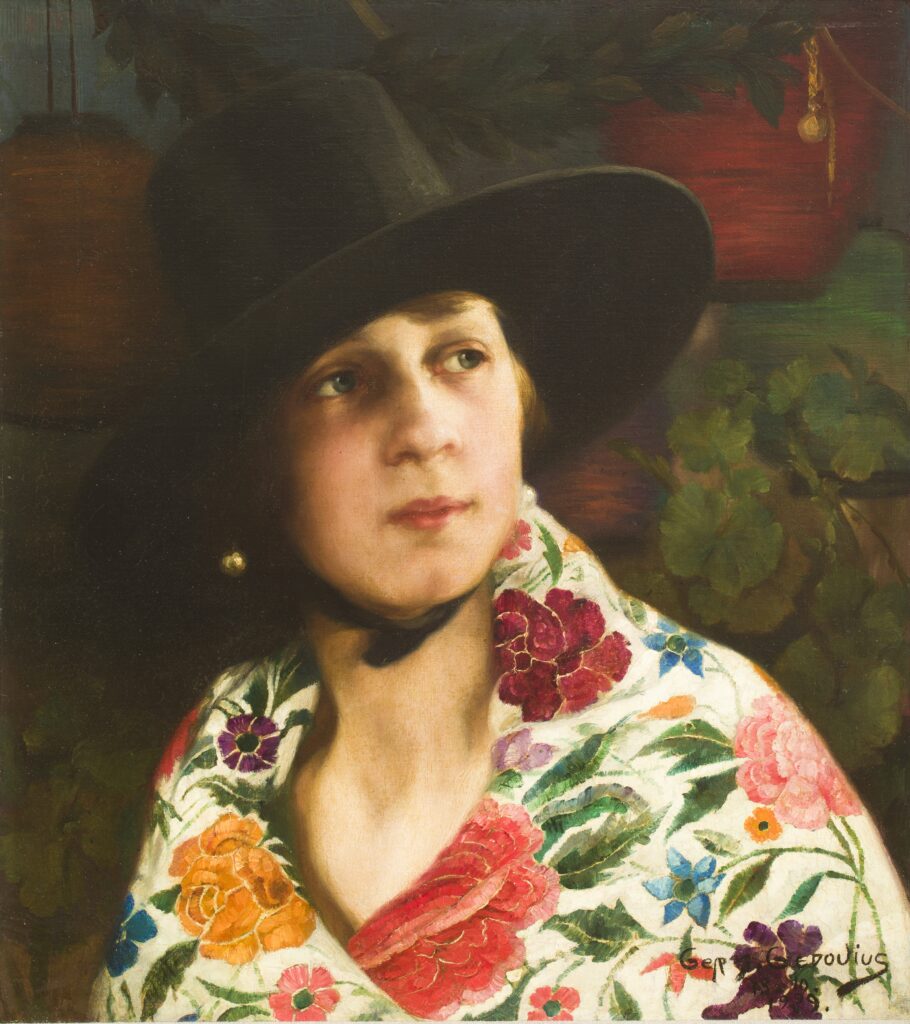
Mexico City's Kaluz Museum, located in a former 18th-century hospice, presents Eufloria. Floral Splendor in the Kaluz Collection until September 15. This exhibition brings together more than 50 works by Mexican and European artists from the last three centuries. Curated by Sara García Fernández, the exhibition offers a fascinating visual journey through the most emblematic floral representations, inviting the public to discover the splendor and diversity of artistic language through flowers.
Far from being limited to a simple decorative motif, the exhibition proposes flowers as a language laden with symbolism and as a bridge to reflections on contemporary ecological thought. The exhibition is presented as a tribute to the eternal fascination that flowers have awakened in artists throughout history. From the delicacy of roses to the intensity of sunflowers, the exhibition pays special attention to the wild flower cacaloxochitl, known as the May flower, which is reflected in the ancient Florentine, Huamantla, and De la Cruz Badiano Codices, thus connecting artistic tradition with the symbolic richness of nature.
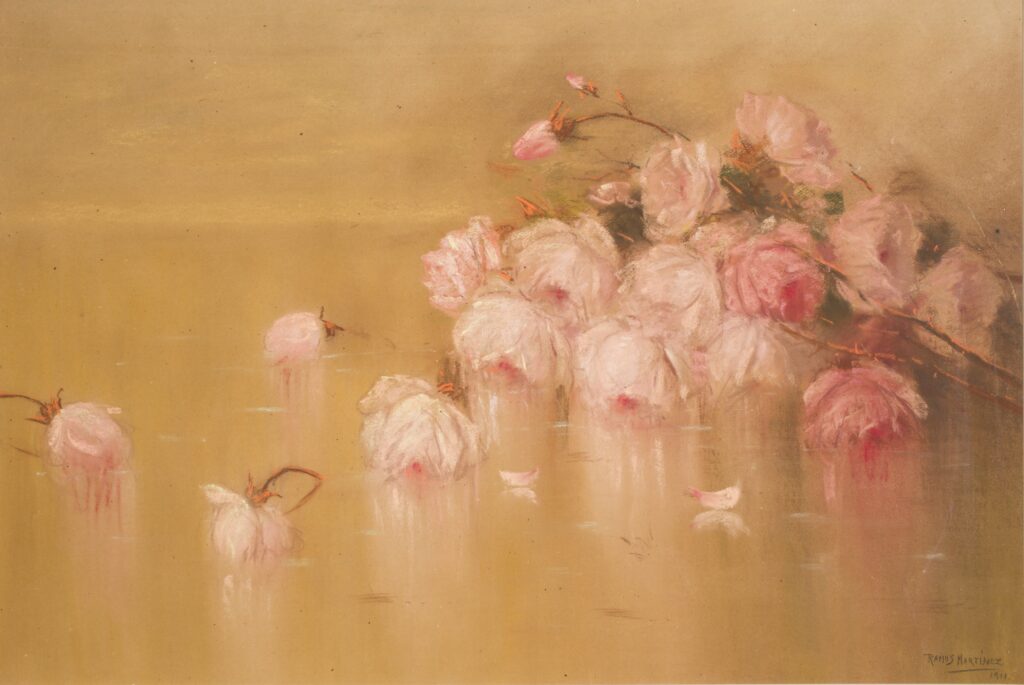
Alfredo Ramos Martínez, Flowers, 1911, Kaluz Collection.
Organized into seven thematic sections, the exhibition does not follow a chronological order, but rather a sensorial journey through seven thematic sections. The works dialogue with each other to explore concepts as diverse as abundance and fragility, memory and cultural exchange, as well as the sensuality inherent to the plant world. This approach allows the viewer to delve into a universe where aesthetic beauty intertwines with environmental awareness and conceptual richness, revealing how floral art can become a mirror of our history, our culture, and our relationship with nature.
The path is forged through a dialogue with the gaze and encompasses elements of abundance, cornucopia, bouquets, balconies and gardens, Manila flowers, Open Sky, and The Fallen Flower. Each section offers a unique perspective on the interaction between flowers and artistic creation, encompassing everything from their decorative function to their symbolic meaning.
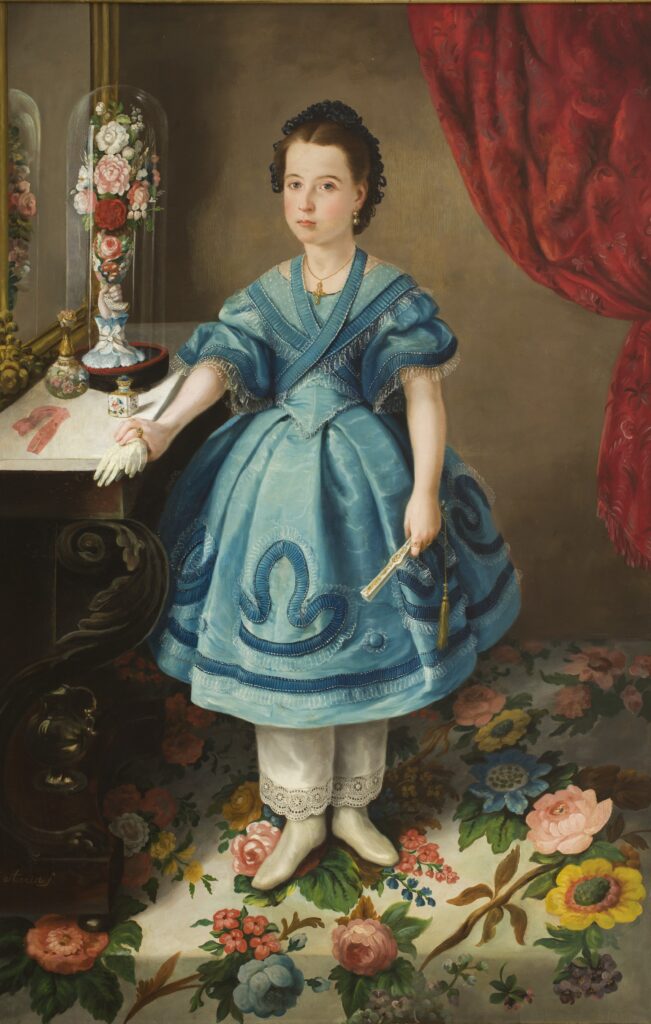
José Agustín Arrieta, Portrait of Josefa María Sanz, undated, Kaluz Collection.
“The exhibition will feature flowers like the magnolia, which is more than 90 million years old, which is why it's considered a living fossil. But beyond that reflection, this exhibition highlights painting, in which various artists have dedicated themselves to depicting the plant,” explains Miguel Fernández Félix, director of the Kaluz Museum.
Works by artists such as Josefa Sanromán, with a spectacular untitled still life, Alfredo Ramos Martínez, Joy Laville, José Agustín Arrieta, Leonora Carrington, and Francisco Camps Ribera, among others, offer a renewed vision of floral art. The exhibition is complemented by a striking mural by Dulce Chacón and an innovative olfactory station created in collaboration with the MUPE (Museum of Natural History), which invites visitors to experience flowers not only with their sight but also with their sense of smell.


You may be
interested
...