
Exhibitions
Claudia Pagès Rabal explores the geometries of the future in Travesía Cuatro
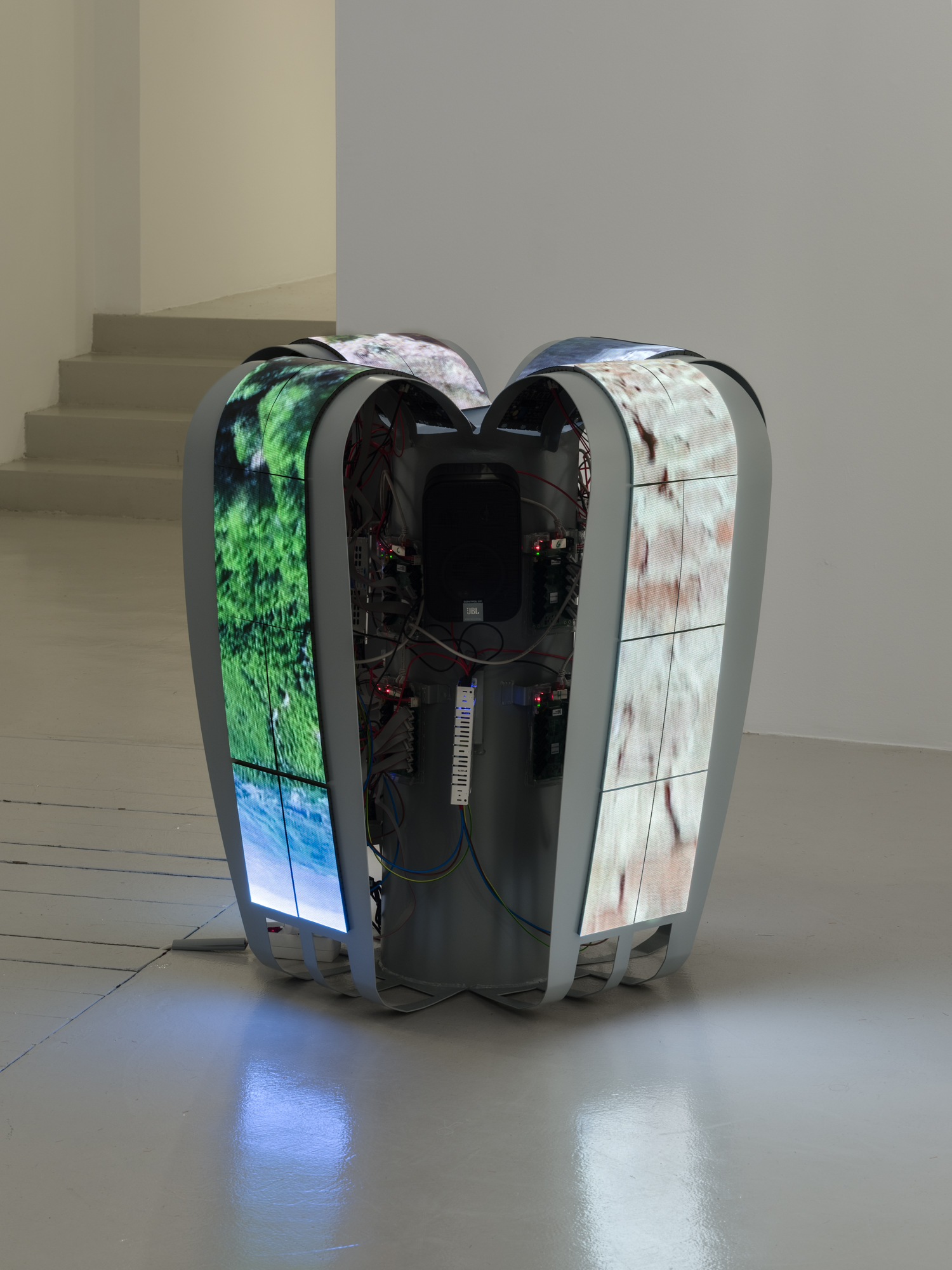
At Travesía Cuatro, in Madrid, Claudia Pagès Rabal presents Buffer Studies, an exhibition that places scientific language in the realm of artistic creation to open new spaces of meaning. From November 14, 2026 to February 15, 2027, the proposal establishes a dialogue between mathematics, material culture, consumption, and imagination, exploring the capacity of objects and forms to generate other readings of the world.
The reference to Henry Poincaré (1854-1912), a French mathematician frequently cited by Marcel Duchamp in interviews and writings, constitutes one of the starting points of the exhibition. Poincaré delved into the study of topological structures and the complexity of forms, with the torus as a mathematical figure that allows thinking about other spatial configurations. His famous conjecture, linked to three-dimensional topology, here becomes a reference point from which the artist establishes connections between scientific imaginaries and the poetic possibilities of art.
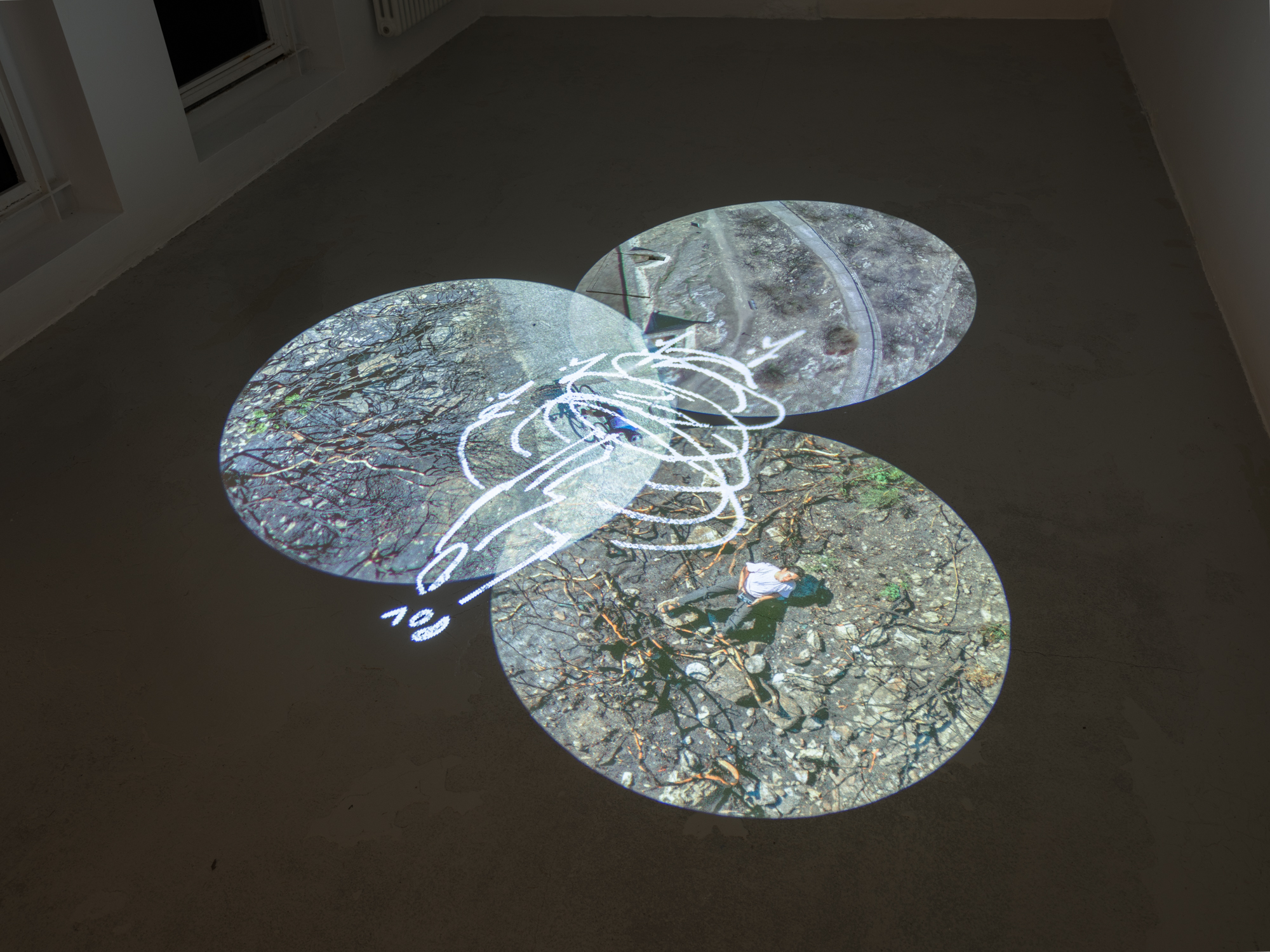
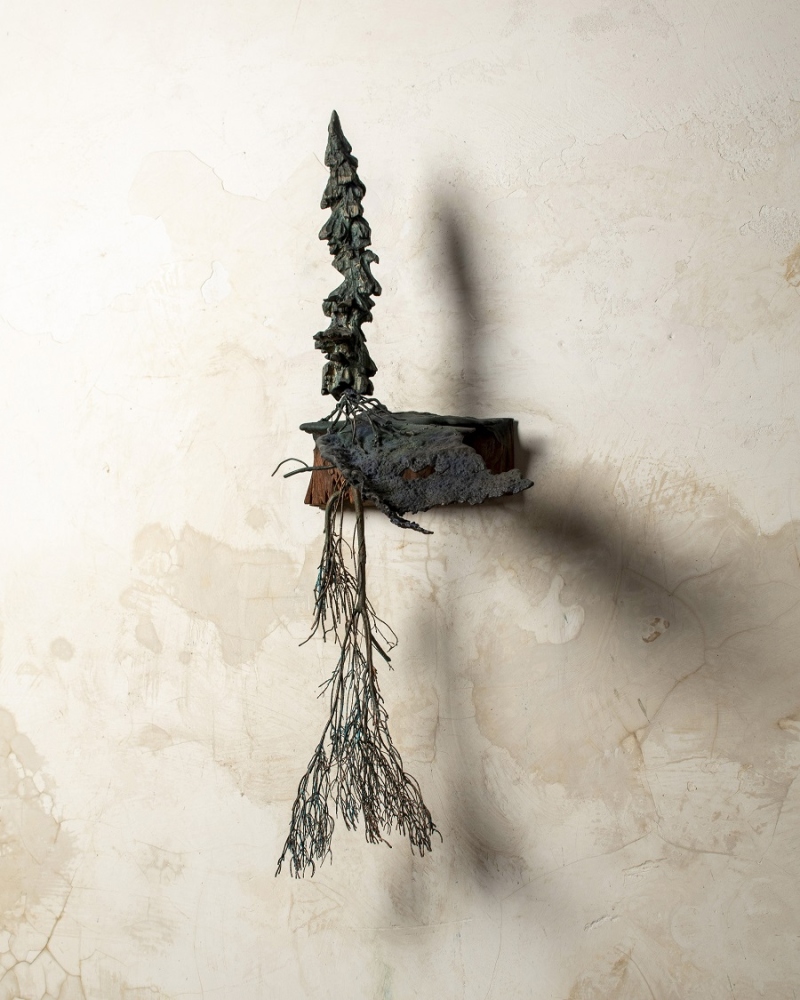
In this space of confluence, Toro Mar i Muntanya suggests a leap toward another reality. The object, which at first glance could appear to be a deformed hanger or a dysfunctional domestic appliance, leaves behind any conventional utility to become a device of imagination. It does not make coffee nor produce ice cream, but activates the possibility of capturing the world from an unexpected perspective, as if its materiality allowed crossing a border and accessing a different dimension.
Science, consumption, domesticity, and everyday life gestures coexist in the exhibition under an atmosphere marked by the tensions of language. The works oscillate between the hypothetical functionality of a scientific model, the appearance of a domestic appliance, and the suggestion of an advertisement that anticipates a time yet to come. The torus, simultaneously a mathematical figure and a possible gastronomic reference, displaces conventions and questions the way objects, images, and words construct our imaginaries.
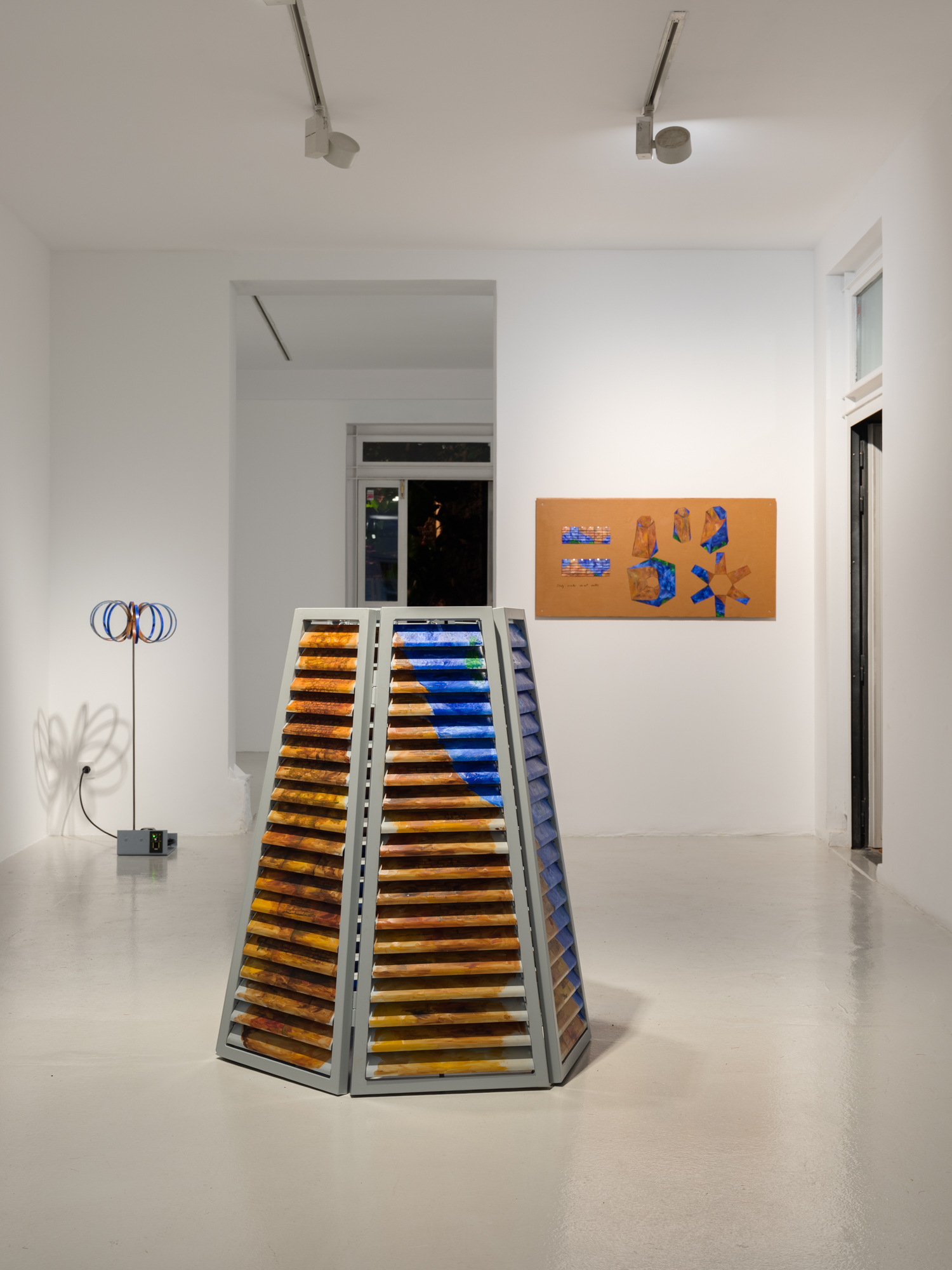
Language also manifests itself in the sound poem, where Claudia Pagès Rabal works with the verbal tense of the future perfect. A grammatical form that, according to the artist, at first contact suggested a verb linked to imagination. The future perfect contains a temporal paradox: it expresses an action that has not yet happened but is presented as if it had already been completed. A temporality that allows thinking of the present as the symptom of a future still unfolding.

You may be
interested
...