
News
The Glico running man, a luminous icon of Osaka, prepares for a new era
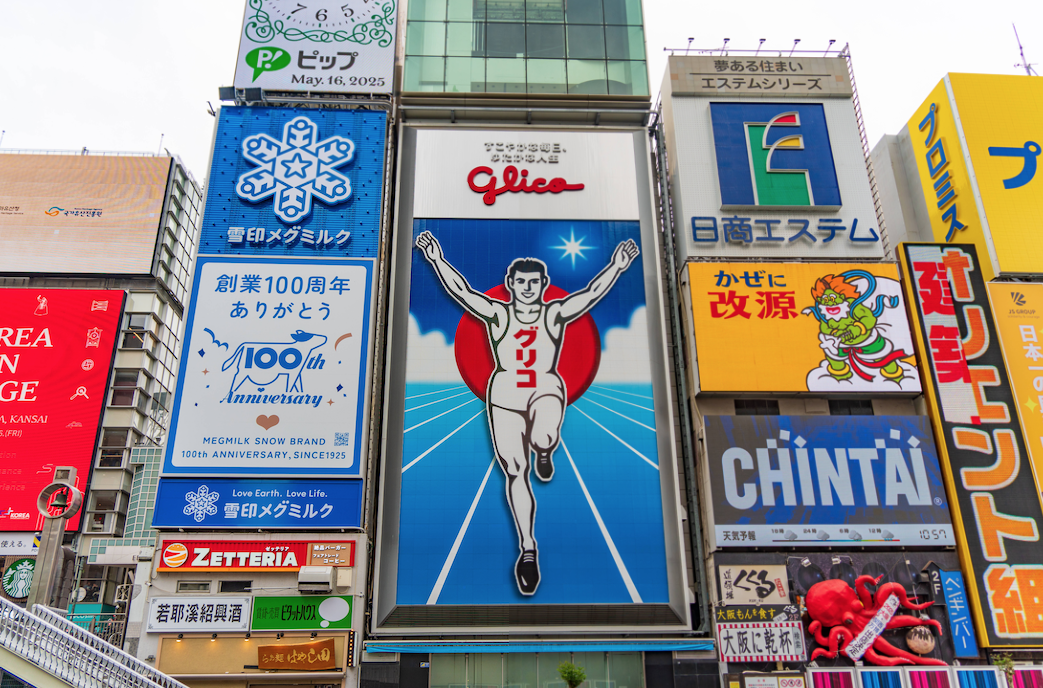
Osaka is preparing to renew one of its most recognizable urban symbols. The famous Glico neon sign, located next to the Dōtonbori canal, will close in November 2026 a chapter that began twelve years ago to make way for a new installation planned for spring 2027. The company Ezaki Glico has announced the renewal of this advertisement, whose image of the runner with raised arms has become one of the city's most iconic photographs and a visual reference of Japanese urban culture.
The current installation, inaugurated in October 2014, corresponds to the sixth generation of the sign and uses around 140,000 LED lights, which allow for modifying visual effects and background images. The new version will retain the figure of the athlete, although its technical features and final design have not yet been revealed. The decision is mainly due to the aging of electronic components and difficulties in finding certain spare parts after more than a decade of operation.
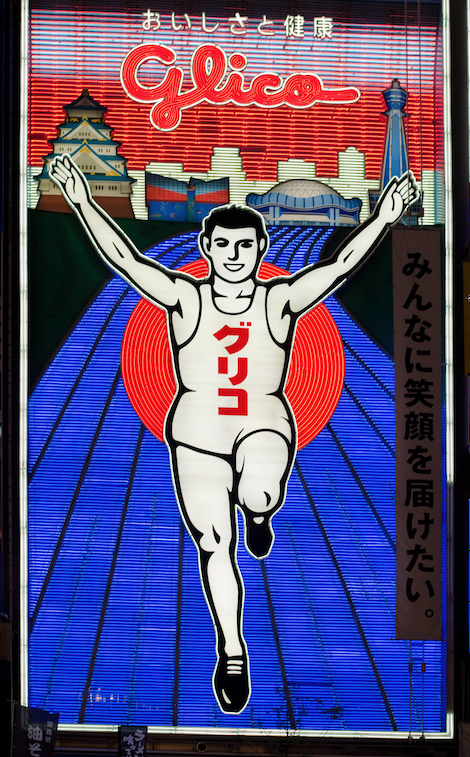
Sign in Osaka 2011.
The history of this icon dates back to 1935, when the first version of the sign was installed near the Ebisu bridge, over the Dōtonbori canal. Since then, the sign has undergone successive transformations in size, technology, and lighting but has kept the image of the runner crossing an imaginary finish line. The sixth generation replaced the traditional neon system with LED lighting and consolidated the advertisement’s presence as one of the major visual landmarks in Osaka’s urban landscape.
With approximately twenty meters in height and 10.38 meters in width, the current installation is not only a commercial advertisement but also a meeting point, a tourist reference, and an image deeply associated with Osaka’s contemporary identity. Its presence, among commercial architecture, canal reflections, and the bustling activity of Dōtonbori, is part of an urban iconography that has transcended its advertising origin.



You may be
interested
...