News
DART celebrates ten years of cinema that looks at art from all its dimensions
The Barcelona International Festival of Film and Visual Arts celebrates its tenth anniversary with fifteen documentaries, ten premieres, and a program that moves between the great figures of contemporary creation, activism, memory, and the conflicts of the art market. Carlos Saura will receive, posthumously, the Honorary Award for Artistic Career.
Cinema and visual arts reunite again in Barcelona with a new edition of DART, the International Cinema and Visual Arts Festival, which from November 26 to 28 celebrates its tenth anniversary at Mooby Bosque Cinema. A decade after its launch, the event retains its uniqueness as the only film festival in Spain exclusively dedicated to visual arts, with a program that claims the documentary as a tool to approach artistic creation, its protagonists, and the cultural and social debates of our time.
The DART 2026 program, Bonart participates in this edition as an associated media, includes fifteen documentaries, ten of which are premieres, that build a journey through different geographies, disciplines, and ways of understanding artistic practice. The iconic figures of contemporary art occupy a prominent place in this edition, with productions dedicated to Frida Kahlo, Georgia O’Keeffe, Fernando Botero, Ai Weiwei, Tina Modotti, and Hilma af Klint. These names coexist with stories about artistic activism, heritage preservation, creative freedom under repressive contexts, the therapeutic power of art, and the tensions that cross the international market.
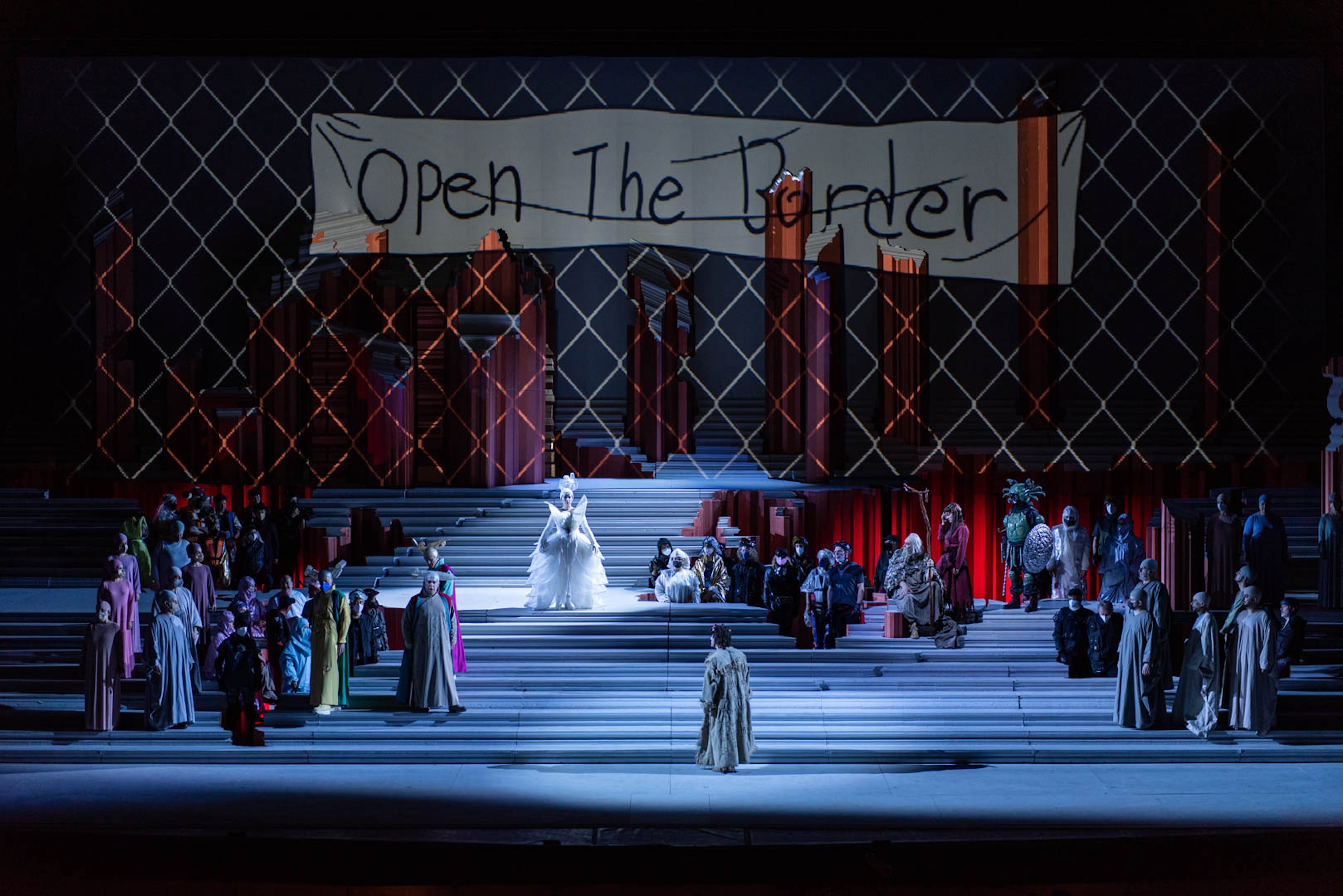
Ai Weiwei, Turandot.
The inauguration will be led by The Gaze of Frida, a production that explores the global phenomenon of Fridamania and proposes an approach to the artistic and symbolic dimension of the Mexican painter. The presence of Frida Kahlo is part of an itinerary that also recovers the trajectory of Fernando Botero through two complementary films. Gracias Botero revisits the legacy of the Colombian artist beyond his death, while Botero traces his rise from his beginnings as a provincial artist to becoming an internationally recognized figure. The program also includes Georgia O’Keeffe: The Brightness of Light, dedicated to one of the major protagonists of American painting and her influence on several generations of artists.
Another axis of the festival is artivism, understood as the capacity of creation to intervene in reality and become a tool of protest and social transformation. Ai Weiwei’s Turandot documents the operatic debut of the Chinese artist and activist, which takes Puccini's opera as a starting point to connect the scenic narrative with global issues like the war in Ukraine and the refugee crisis. Meanwhile, Tina: Art, Love & Revolution recovers the figure of Tina Modotti, an Italian photographer and revolutionary activist who made her life an inseparable experience from artistic practice and political commitment. The documentary traces her journey from Italy to Mexico and the United States, as well as her relationships with creators such as Frida Kahlo and Edward Weston.
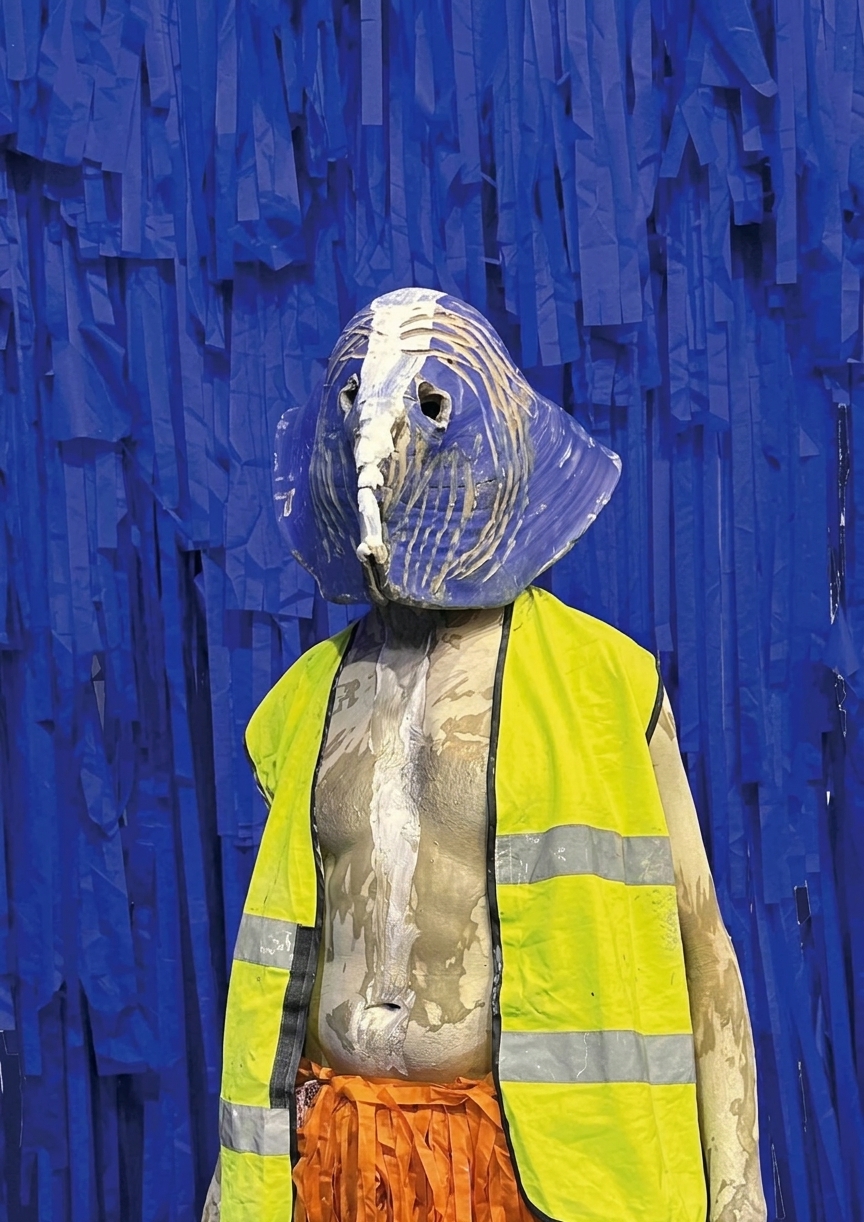
The restitution of looted cultural heritage is the focus of Elephants & Squirrel, which follows the work of Sri Lankan artist Deneth Piumakshi to achieve the repatriation of cultural artifacts and human remains held in two Swiss museums. The screening is presented in collaboration with Acció>Cinema, an initiative that promotes cinema as a tool for social transformation, driven by Catalunya Film Festival with the Catalan Agency for Development Cooperation, the Department of Culture, and (Tr)african(t)s, a research program on the colonial origin of Catalan museum collections.
The defense of culture and heritage also runs through War on Art, a documentary that tells the story of a network of Ukrainian volunteers who risked their lives to protect paintings, sculptures, and other artistic goods from the Russian invasion. The disappearance of the location of Ukrainian museums on Google on the day the large-scale invasion began becomes a revealing image of the vulnerability of heritage in times of war. The work of these volunteers highlights that preserving artworks also means protecting the cultural identity and collective memory of a nation.
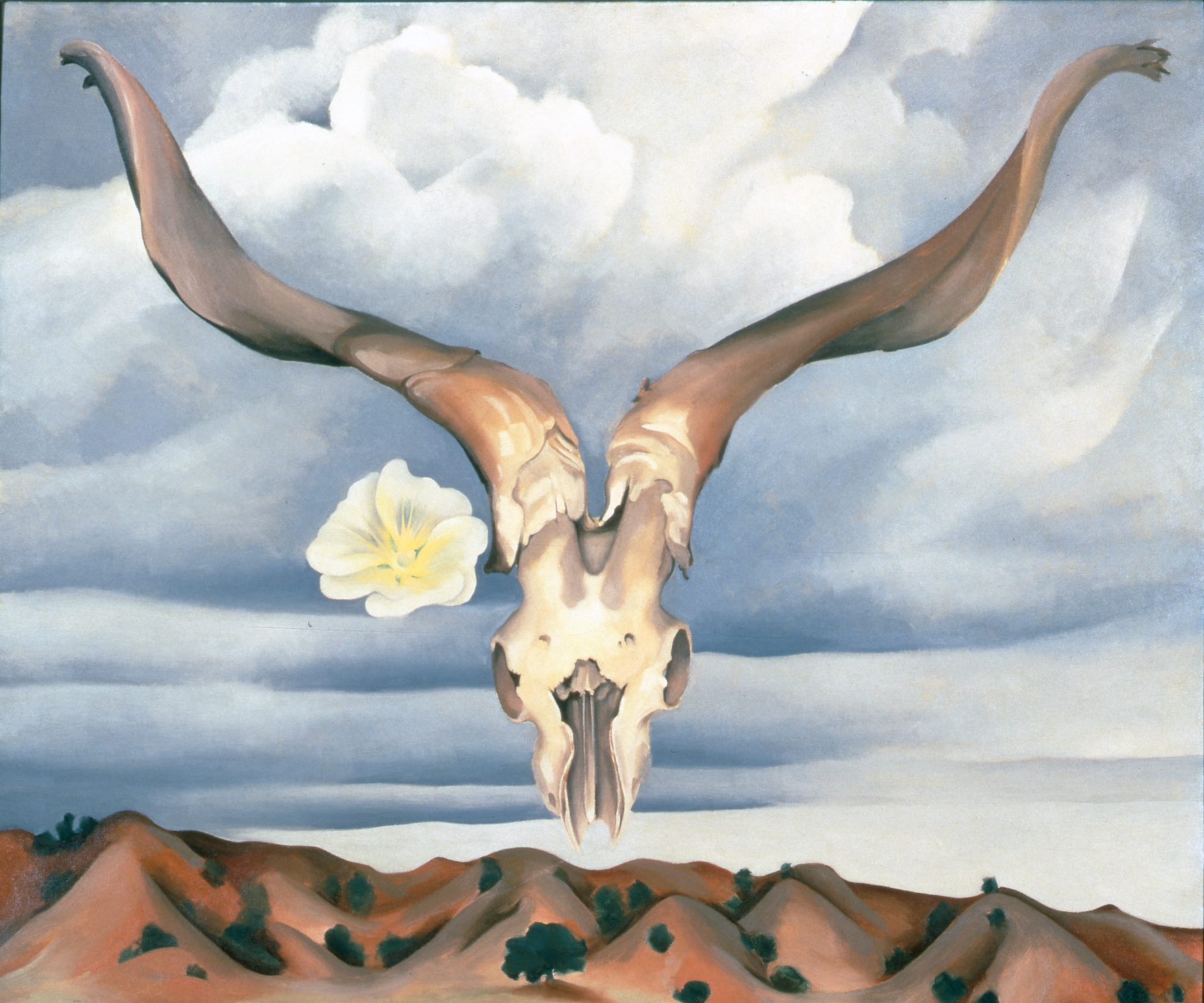
Georgia O'Keeffe, The Brightness of Light.
In another political context, Westoxicateds, an autobiographical documentary by Iranian director Gilda Pourjabar, delves into the possibilities of freedom that culture can open in a society marked by repression. Based on her memories of adolescence in Tehran during the 1990s, the filmmaker reconstructs the impact of smuggled rock tapes and MTV videos captured with illegal satellite dishes. Those images and sounds fueled a rebellious attitude that spread throughout a generation, which the documentary recovers as a form of cultural resistance.
The transformative power of artistic practice also appears in two proposals that address personal experiences and alternative ways of understanding creation. The Painter and the Scorpion, by Sadrak Zmork, world premieres at DART the portrait of artist Jesús Galiana, facing a vital crisis after being diagnosed with Parkinson's at 39. The disease forces him to reconsider his relationship with painting and his own body, while abstraction becomes a new means of expression and a possibility of transformation. Alongside it, The Double Life of Hilma af Klint recovers the figure of the Swedish painter, a pioneer of abstraction, and her search linked to spirituality and other forms of knowledge. A work ahead of its time that questioned the limits of representation and perception of the visible world.
The festival also delves into the less transparent areas of the art system with The Oligarch and the Art Dealer, a documentary that adopts the codes of a thriller to reconstruct one of the most notorious conflicts in the contemporary art market: the clash between Russian multimillionaire Dmitry Rybolovlev and Swiss dealer Yves Bouvier. An initially trust-based relationship and the construction of an extraordinary collection, with works by Leonardo da Vinci, Mark Rothko, and René Magritte, ends in a multimillion-dollar legal battle. The film focuses on the relationships between economic power, speculation, and art trade, and the structures that determine the value and circulation of artworks.
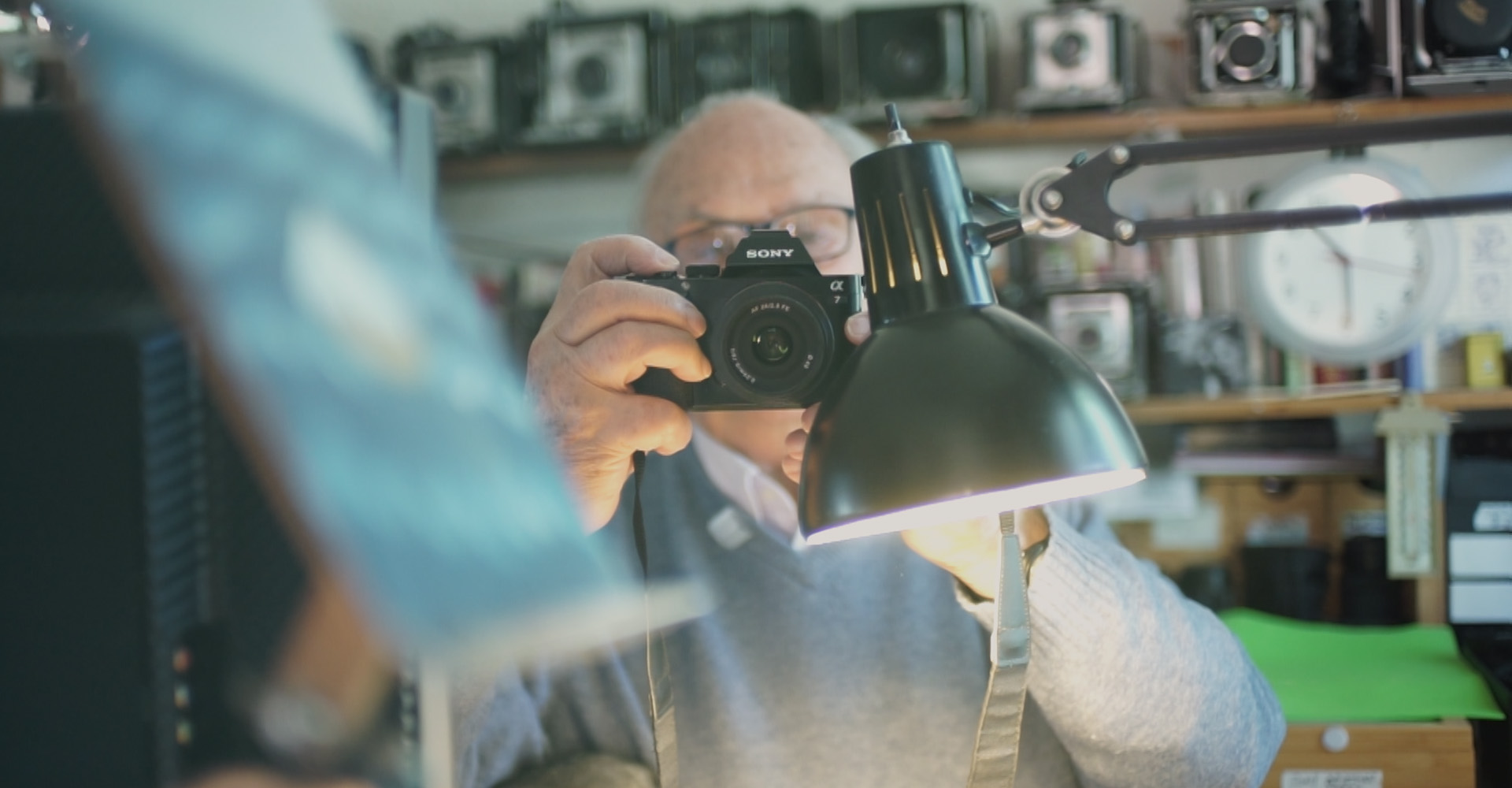
Carlos Saura.
The memory and relevance of artistic and architectural movements complete this journey. bauhaus forever revisits the legacy of the Bauhaus and the capacity of its ideas to continue influencing contemporary ways of creating and inhabiting. On the other hand, Facundo Martínez: From Mislata To Kioto recovers the trajectory of a visionary Valencian builder, little known until now, and claims a work that forms part of Valencia’s urban memory and demands to be preserved and rediscovered. The program also includes a look at visionary women in architecture through figures like Denise Scott Brown.
Beyond the screenings, the tenth edition strengthens the professional and reflective dimension of the festival with a new call for DART Lab, which reaches its second edition. Among the activities, the presentation of Synthetic Memories stands out, a project by Domestic Data Streamers recently acquired by MoMA New York, which allows exploring the new creative possibilities arising from the intersection between art and technology. There will also be a round table on the role of cinema and moving image in caring for aesthetics amidst contemporary visual oversaturation. The program will be completed with a session of animated short films and a colloquium on the evolution of this genre in Spain, with the participation of the Annecy International Animation Film Festival, one of the main international events in this field.
The closing will have a special meaning with the posthumous awarding of the Honorary Prize for Artistic Trajectory to Carlos Saura, in recognition of his cinematic legacy and contribution to visual culture. His daughter, Anna Saura, will receive the award and present Carlos Saura: That Boy from the Photograph, a documentary she directs that will be screened during the closing gala. Based on previously unpublished personal archives, the film proposes an intimate portrait of the filmmaker, his way of seeing and creating, and the passion for his craft that he maintained throughout his life.

You may be
interested
...