Exhibitions
Aurrekoetxea and Maroufi: the commitment to continue growing
La Fabra consolidates its international ambition with unprecedented exhibitions in Catalonia and a program that strengthens its role as a center for production, research, and hosting new artistic perspectives.
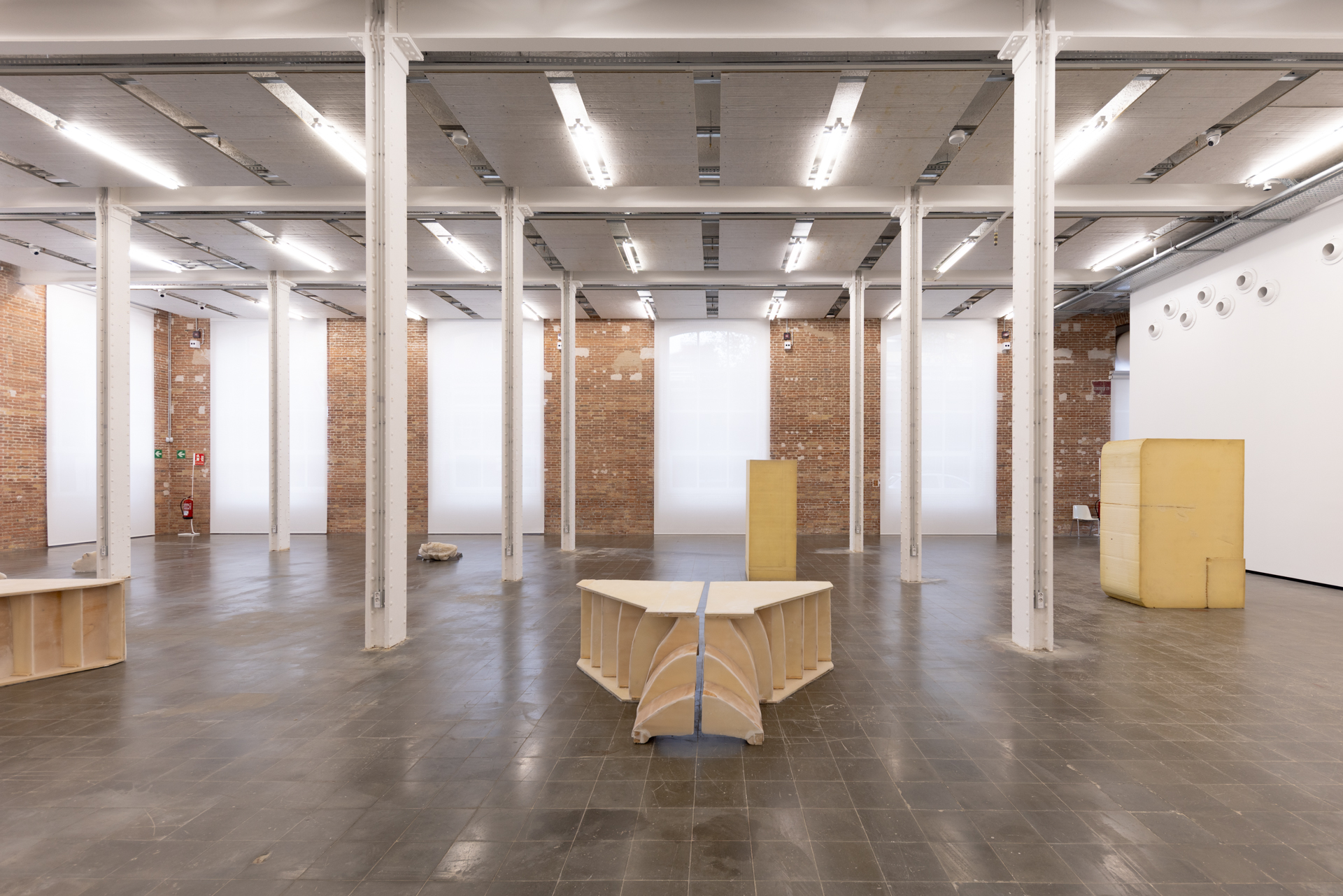
La Fabra continues in this second season under the direction of Claudia Elies, betting on ambition. In the past year, the center has already consolidated an audience increase of 84.70%, with 15,791 visitors. It aims to continue in this line, focusing on various solo exhibitions of artists never before shown in Catalonia, an approach and closer relationship with the city's contemporary centers—which are undergoing a total renewal process due to the domino effect of new leaderships—better contracts and more guarantees for the workers, and a dynamism in the exhibitions that allows La Fabra to stay active throughout the academic year, occupying the different rooms and programming a wide set of activities that manage to provide different perspectives on the same exhibition. Again, the various mediation, education, and public programs intend to consolidate a good relationship both with the city's contemporary centers and with students and schools of higher education in contemporary art, as well as with the local community living in the Sant Andreu neighborhood.
The season kicks off in September with an exhibition on the 2nd Floor by LUCE (Valencia, 1989), titled Out of the Corner of the Eye, which, with an exhibition of a group of streetlamps accompanied by phrases, statements, and thoughts, intends to create a new vision of the uses of public space as places for reflection, using the example of the use of these streetlamps as bulletin boards, which is so common in the city.
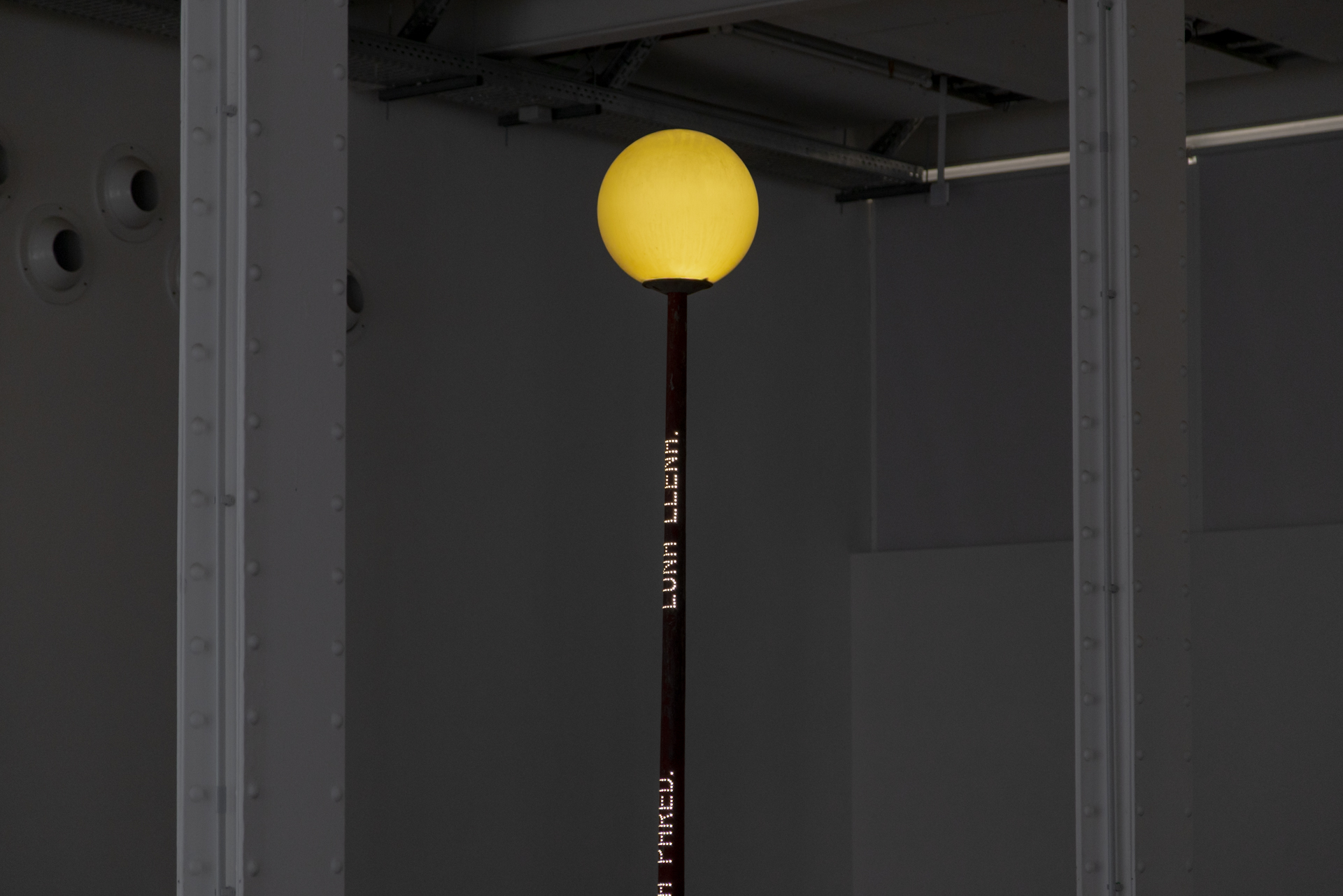
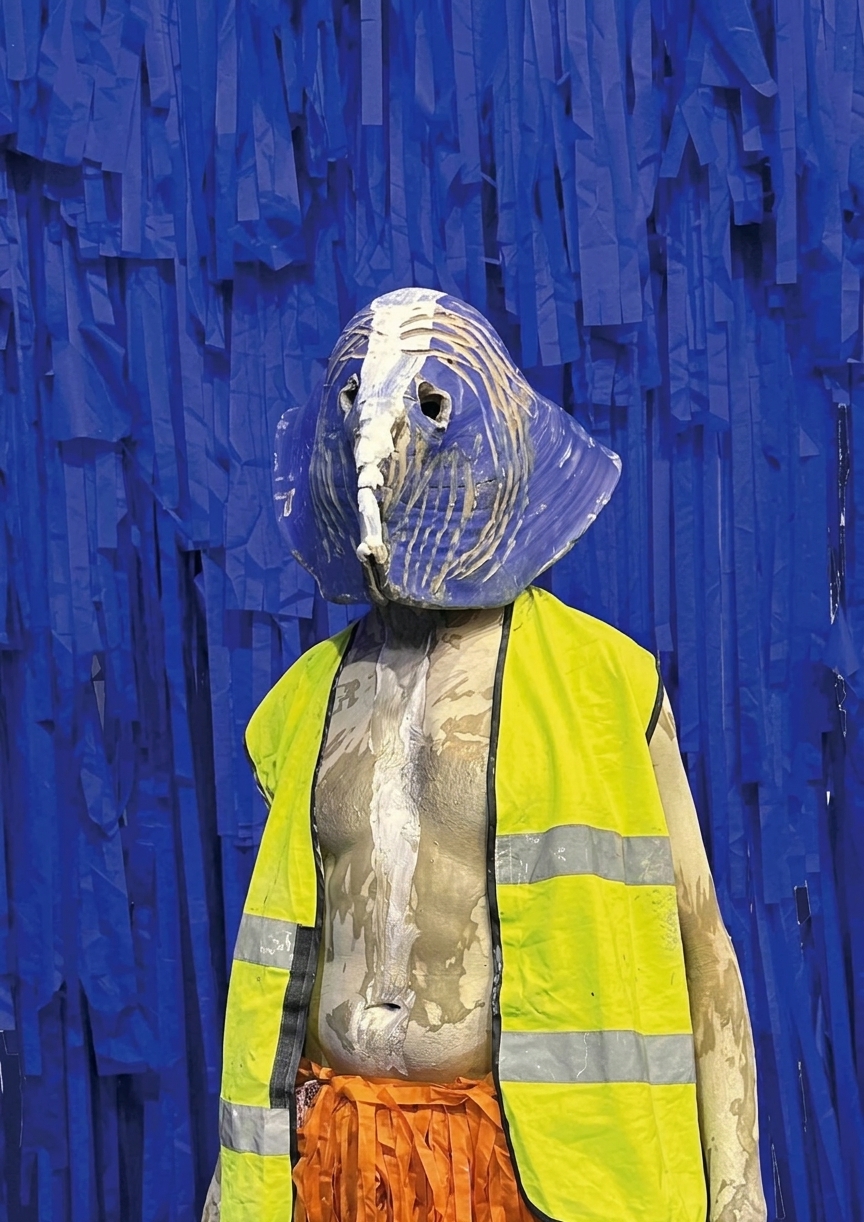
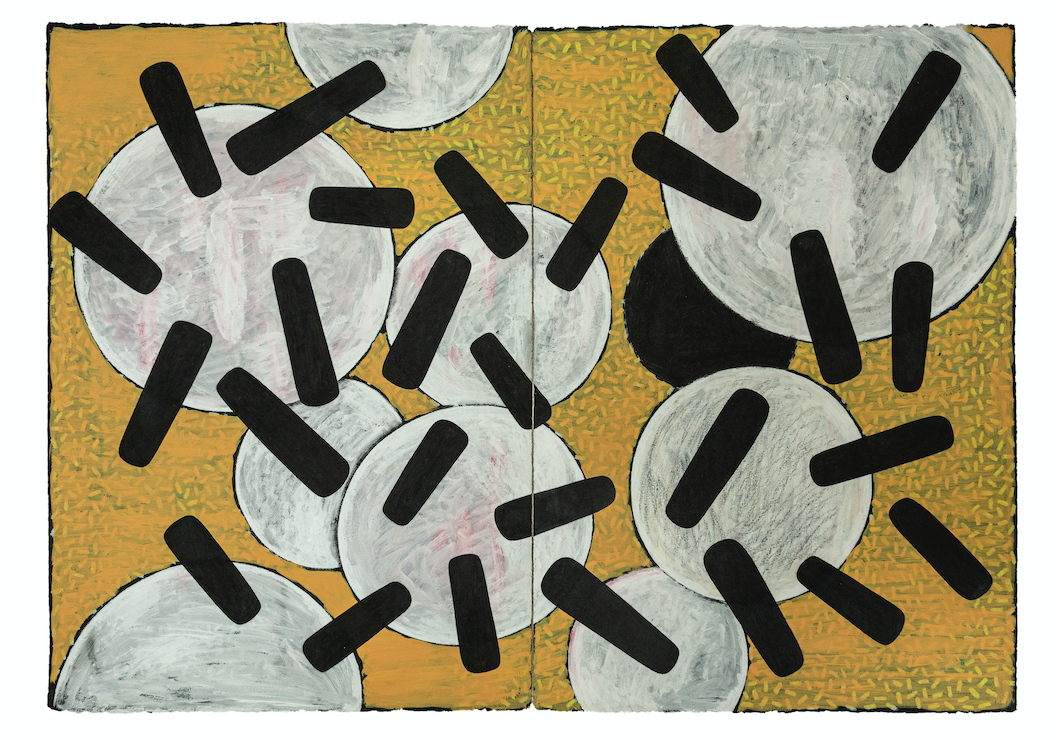
In October, two more exhibitions show La Fabra's strong commitment to becoming a welcoming space for artists already established in the international and national scene, but who have not yet had a major solo exhibition in Catalonia. This is the case with the exhibition of Nora Aurrekoetxea (Bilbao, 1989), who on Floor 0 will present a show curated by Vera Martín Zelich. Here, existing works will be joined by new productions, highlighting La Fabra’s role as an art production center, and will show us Aurrekoetxea’s work, which is based on movement in space configured through her sculptures. Through performance, text, and installation, Aurrekoetxea explores the material expression of processes, highlighting movement, accident, and the use of everyday objects. After having a fairly well-established trajectory both nationally and internationally, she presents her first solo exhibition in Barcelona.
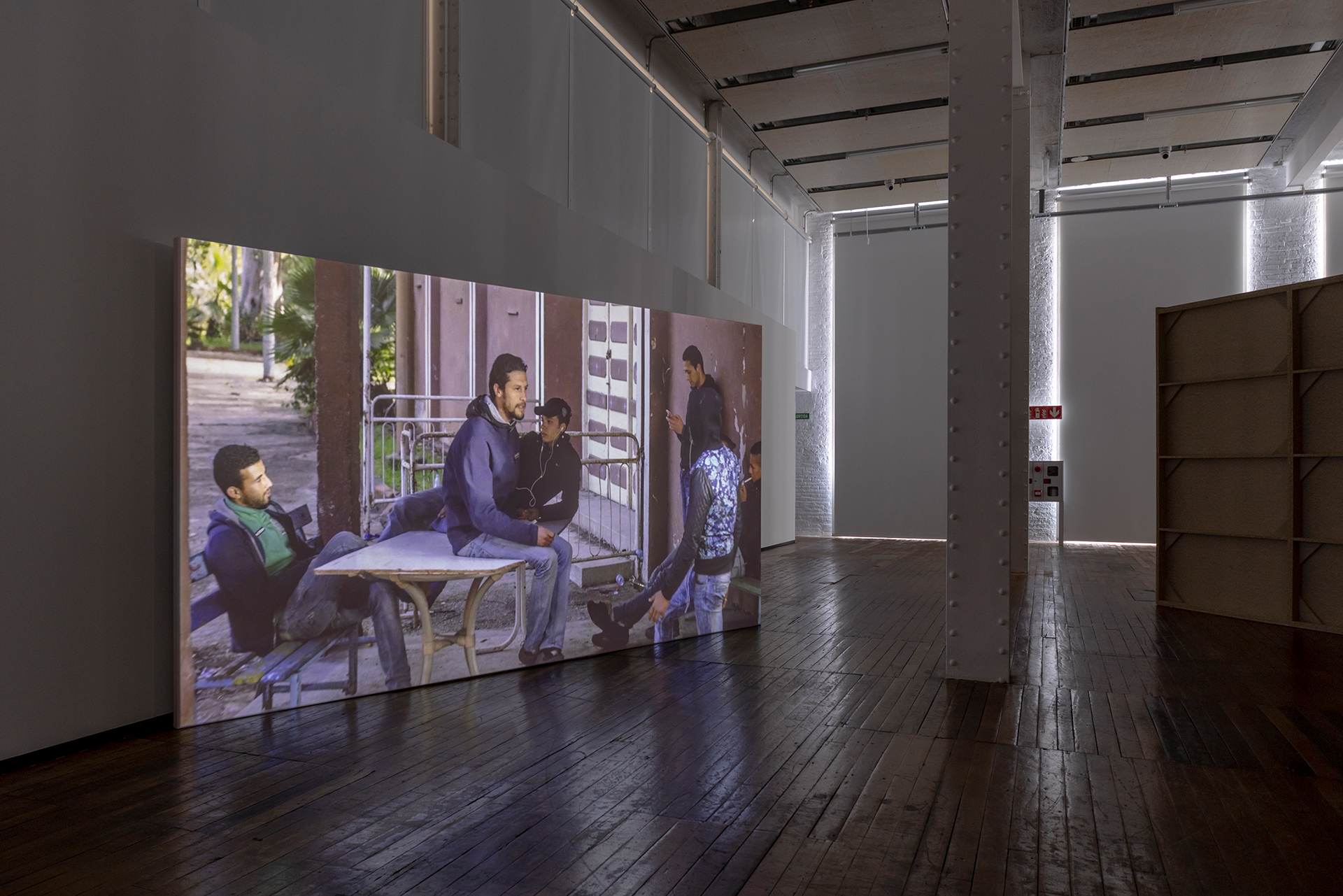
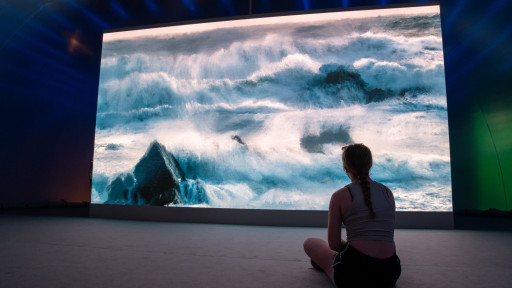
And if Aurrekoetxea represents this line with the bet on national artists, the exhibition dedicated to Randa Maroufi (Casablanca, Morocco, 1987)—her first solo exhibition in Spain—curated by the director Claudia Elies herself, gives us this international perspective that the center wants to embrace. Against Aurrekoetxea’s materiality, Maroufi’s films, photographs, and installations bring us closer to the exploration of how bodies are shaped by various devices: bureaucracy, work, borders, or public space. This exhibition will feature several guided visits, among which stand out one scheduled with activist and writer Brigitte Vasallo and another with artist María Alcaide, which will allow us to broaden the narratives that we can develop from the exhibition itself.
Aurrekoetxea and Maroufi are examples of La Fabra’s ambition: to consolidate itself as a welcoming space for artists already renowned nationally and internationally, who find in this space their first approach to the Catalan and Barcelona scene through the possibility of developing a processual, unprecedented, and, at the same time, consolidating project.

You may be
interested
...