News
GTA VI turns Vice City into the great stage of contemporary culture
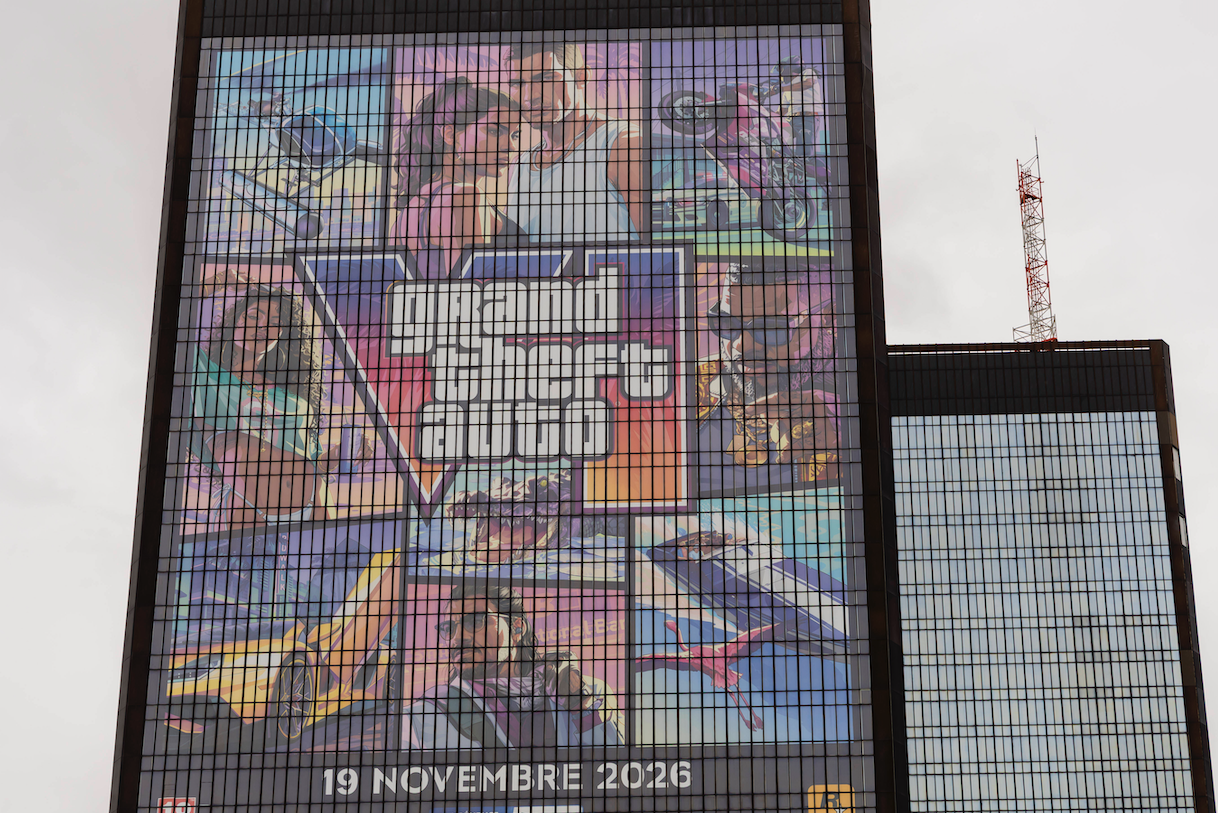
The launch of Grand Theft Auto VI once again places Vice City at the center of an imaginary geography that long ago transcended the screen. Inspired by Miami, this fictional city from Rockstar Games is much more than the setting of a virtual adventure: it constitutes a recognizable representation of American urban culture, with its contradictions, excesses, and visual icons. Thirteen years after the previous installment, the saga returns with a production set to mark a new milestone in the video game industry and reaffirm the place of a franchise that has made popular culture, audiovisual storytelling, and the exploration of contemporary imagination some of its main territories of expression.
The release, scheduled for this Thursday, November 18, will allow players to access the title starting at midnight in their respective local time zones, initially on PlayStation 5 and Xbox Series X|S. The staggered distribution means some Asian territories and countries like New Zealand will be able to start playing before the United States. The technological scale of the operation gives an idea of the magnitude of the event. According to Kurt Rodgers, head of network strategy at Chorus New Zealand, the game file occupies 212 gigabytes, an unprecedented size representing more than a quarter of the monthly data consumption of an average household, concentrated in a single download. The company foresees around 35 petabytes of additional traffic on its network, a figure Rodgers has described as "enormous."
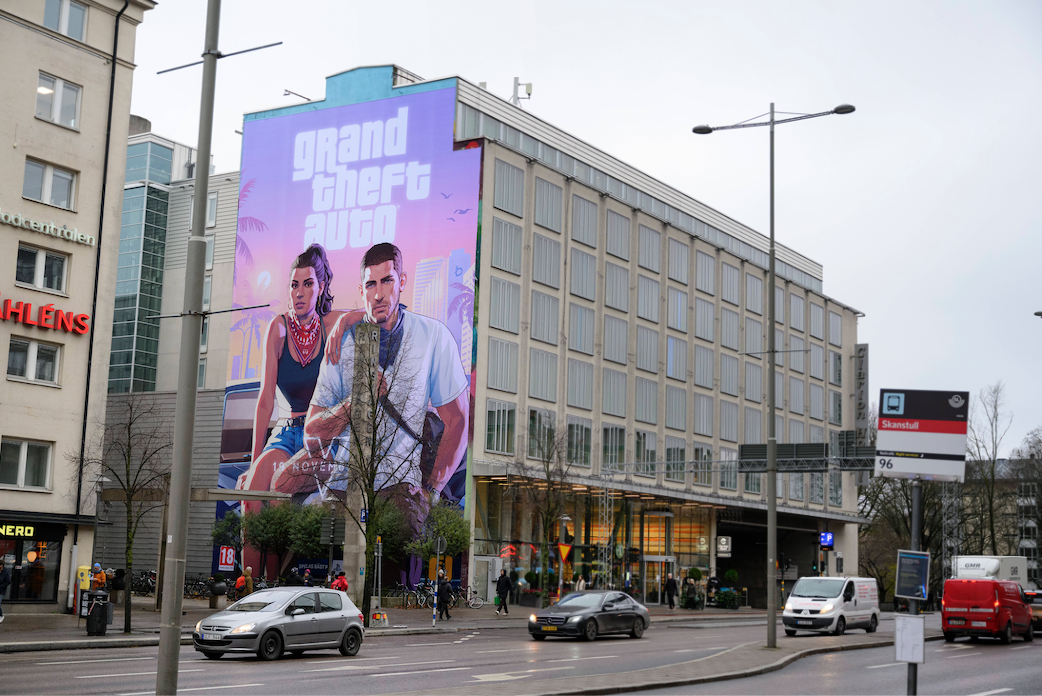
Stockholm
Commercial expectations match these dimensions. The Grand Theft Auto franchise has sold over 470 million units worldwide. Of these, more than 230 million correspond to Grand Theft Auto V, released in 2013 and becoming one of the most successful entertainment products in history. Its economic impact was immediate: it reached one billion dollars in retail sales during its first three days. With this background, the new installment faces the challenge of succeeding a title that has marked several generations of players and redefined the scale of major digital releases.
At the core of GTA VI are Lucia Caminos and Jason Duval, two characters whose aspirations to improve their lives ultimately lead them into the depths of Leonida’s criminal underworld, the fictional version of Florida created by Rockstar. Lucia has just been released from prison, and Jason, a former military man, has connected with drug traffickers in the Leonida Keys. When a criminal heist goes wrong, both become entangled in a conspiracy that expands their story's scope and places their relationship at the narrative core of the game. The choice of a leading couple represents a significant difference compared to Grand Theft Auto V, structured around three playable characters.
But the return to Vice City is not limited to revisiting a known setting. Rockstar presents Leonida as its most extensive and detailed open world to date. The game's geography unfolds from beaches and highways to wetlands, nightlife districts, and small communities evoking South Florida. To build this universe, the developers conducted direct field research: they traveled through Miami, the Florida Keys, and nearby towns, flew over the Everglades, and studied the history, architecture, and particularities of the region.
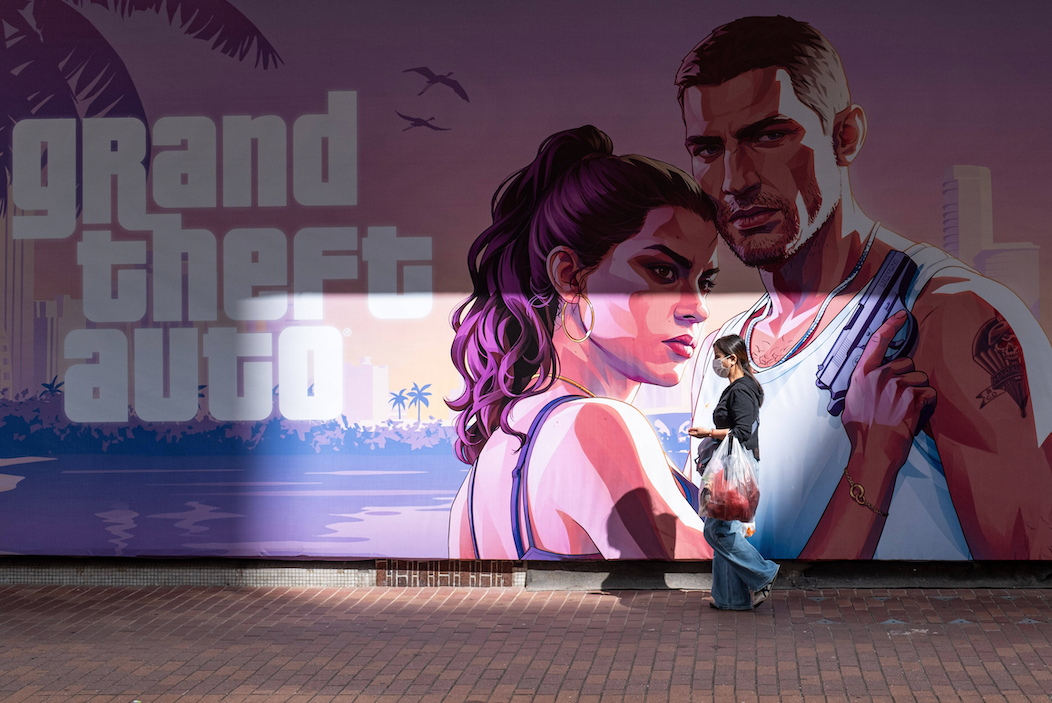
Hong Kong
This documentary dimension connects the project with a central issue in contemporary visual culture: the capacity of images to build, reinterpret, and transform our perception of places. As happens in cinema, photography, or certain artistic practices linked to landscape and urban memory, the video game does not simply reproduce a city but creates its own representation, selecting its icons, contrasts, and atmospheres. Vice City thus functions as a recognizable fiction, fueled by the architecture, popular culture, nightlife, and social contradictions of Miami.
The relationship between the real city and its virtual double has also begun to manifest outside the screen. Miami and its surrounding communities have embraced their identification with Vice City as an opportunity to project their international image. Businesses, sports teams, and local institutions have incorporated the launch into their communication and promotion strategies, an operation that reveals how much a fictional universe can influence a territory’s public identity.
Miami-Dade County has signed a promotional agreement with Rockstar worth 3.9 million dollars, which includes a large light installation displaying the message "Welcome to Vice City" atop the Kaseya Center, home of the Miami Heat. The NBA team, meanwhile, plans to wear black and pink uniforms inspired by Vice City's aesthetic on the eve of the launch.
The operation reveals another dimension of the phenomenon: the circulation of visual imaginaries among video games, sports, advertising, design, and urban identity. The color codes associated with Miami, the iconography of its landscapes, and the construction of a city turned into a cinematic setting are part of a recognizable aesthetic that Rockstar has helped expand globally.
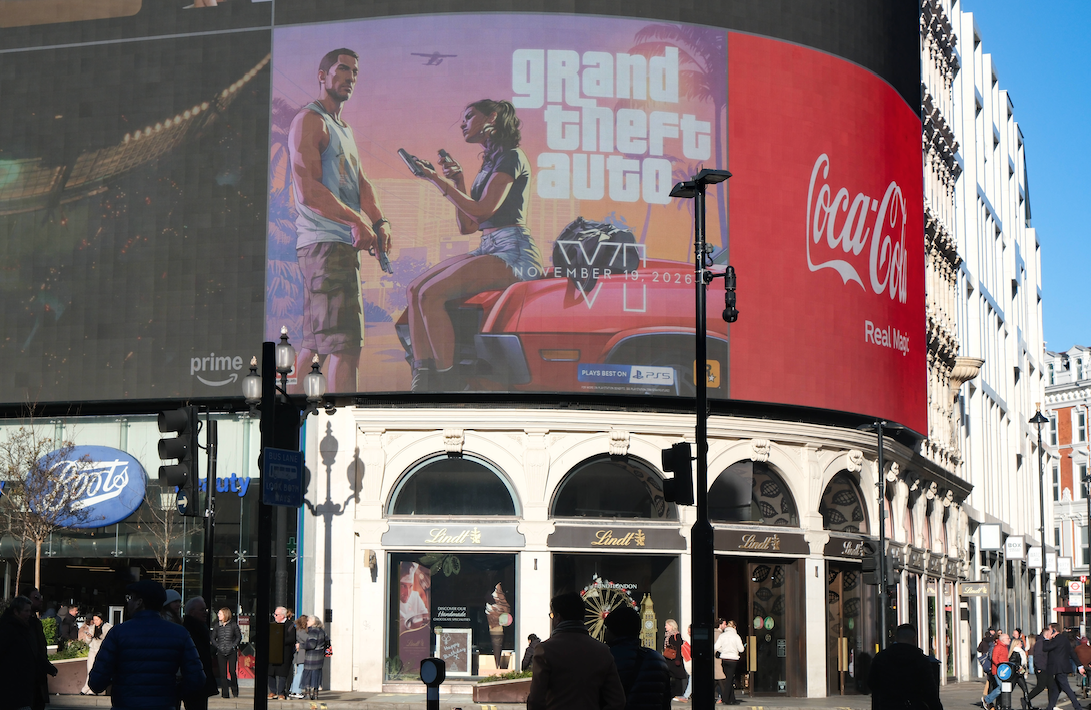
London



You may be
interested
...