Opinion
Allergy to art criticism
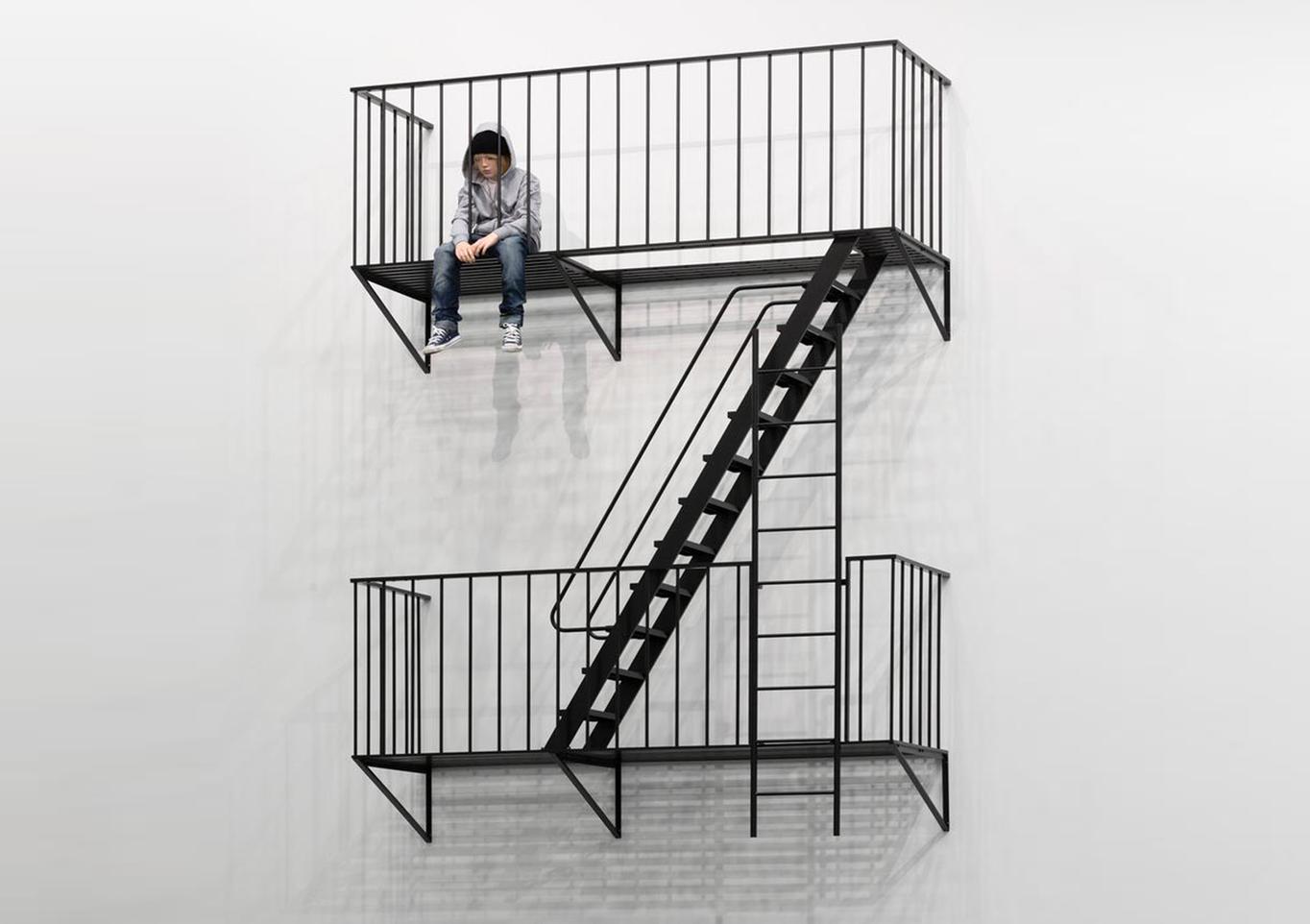
In the past, an art critic was expected to deliver a judgment. Today, they are expected not to cause discomfort. This difference completely changes the nature of the profession. Criticism no longer involves analyzing an exhibition or cultural policy, but rather calculating carefully which sensitivities might be hurt, which alliances might be broken, and what professional consequences or even threats to physical safety the simple act of expressing an opinion might have.
Cancellation is often discussed as if it were an exclusive phenomenon of social media. It is not. In the art world, it rarely takes the form of an explicit ban. It manifests itself in an assignment that stops coming. There is no need for anyone to utter the word veto to understand that certain stances have a cost.
The artistic ecosystem is becoming increasingly allergic to criticism. We have ended up confusing debate with disloyalty. As a result, many cultural texts resemble press releases more than exercises in analysis.
This is no coincidence. Precariousness has profoundly altered the independence of the critic. The person writing also needs to work in other areas. The boundaries between journalist, curator, advisor, teacher, juror, editor, or consultant are increasingly blurred. The very museum about which a critique might be written today could be the one commissioning a catalog or inviting participation in a project tomorrow. Under these conditions, self-censorship ceases to be an ideological choice and in too many cases becomes a survival mechanism. I raised this dilemma in Contemporary Art Criticism, an essay published by Akal in 2024: should the critic conform to the system’s dynamics or accept the risk of becoming a cultural kamikaze, slowly condemned to ostracism? The question remains valid.
I state this from experience. After years of writing about contemporary art, I have observed that the price of maintaining an independent voice rarely encourages. It comes with stumbling blocks, with cooled relationships, with campaigns of discredit, and sometimes with professional consequences that go beyond the strictly cultural sphere. Defending an uncomfortable opinion can end up affecting areas that, in theory, should judge exclusively the work done.
Public conversation seems to demand unconditional allegiances. If you praise an exhibition, someone will suspect you are seeking a favor. If you question it, another will conclude there is personal animosity. The middle ground, that of reasoned analysis, is shrinking dangerously.
Perhaps that is why art criticism is going through one of its most delicate moments. Not because good writers have disappeared or because there is a lack of exhibitions to reflect upon, but rather because the system rewards promotion over questioning. Critical thinking is demanded while those who think independently are penalized.
Nevertheless, I still believe that the critic’s role is not to hand out passes or failures, nor to protect egos or careers. It consists of posing questions that others prefer not to ask, pointing out contradictions, and helping to make cultural debate a bit more intellectually demanding. If this task becomes impossible due to fear of consequences, we will have lost much more than a journalistic genre. We will have relinquished one of the few spaces from which art can still be discussed freely.
You may be
interested
...