Exhibitions
The Museum of Antioquia explores five ways to question the present through contemporary art
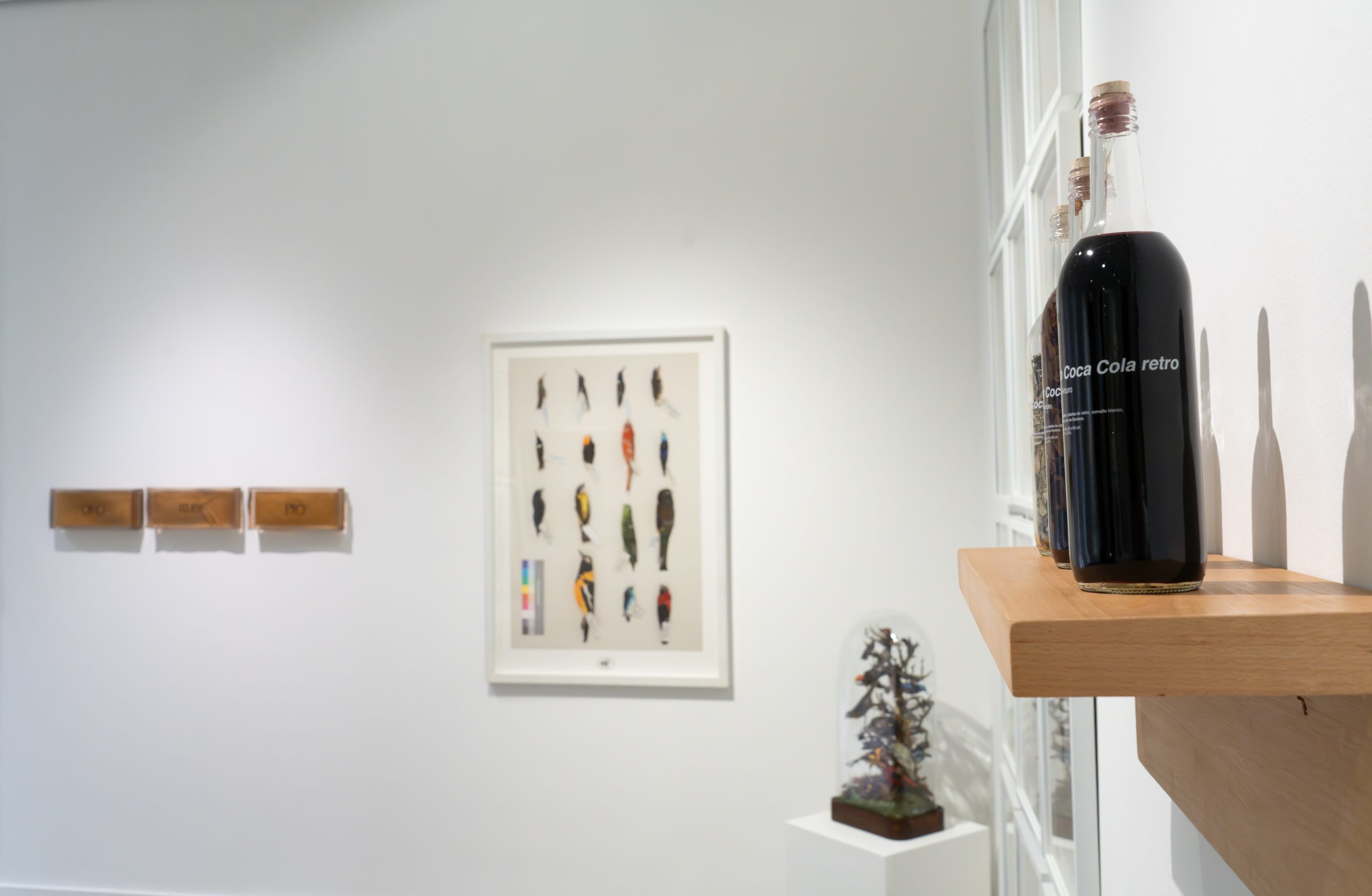
The Museo de Antioquia hosts Independence: Five Ways to Question the Present, an exhibition that offers an approach to contemporary art through a selection of works from the Proyecto Bachué collection, led by José Darío Gutiérrez and María Victoria Turbay. The exhibition proposes a reflection on the way we construct our view of the world, the relationships we establish with history, and the ability of artistic practices to challenge the narratives that have defined our collective identity.
The origin of this proposal lies in the autobiographical experience of a collector from Antioquia, marked by an ancestral tradition of gathering, preserving, and assigning value to what forms part of one’s own culture. This practice allows distinguishing what is genuinely one’s own from what simply belongs to the realm of the popular. To this experience is added the fervor and pride that accompanied the idea of a Federal Antioquia, an imaginary that helps to understand the cultural and symbolic background from which the exhibition is articulated.
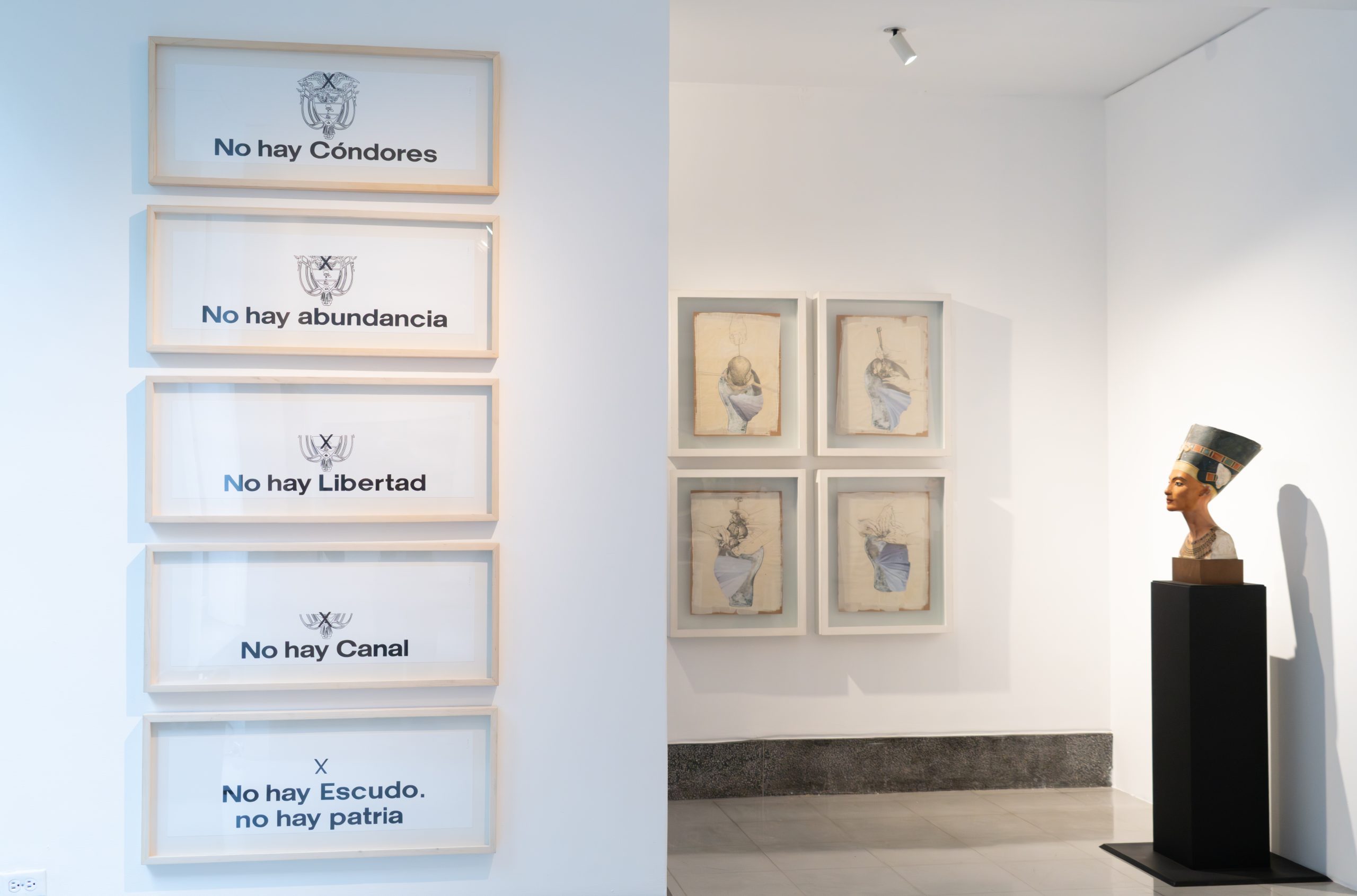
In this context, the concept of independence takes on a dimension that goes beyond its historical meaning. The title refers, on one hand, to the foundational event that politically separated Colombia from Spain, but it also raises a fully current question: to what extent are we capable of building our own perspective, recognizing the diversity of our experiences, and establishing a critical relationship with the discourses presented as hegemonic or universal?
Independence thus becomes an attitude toward knowledge, culture, and forms of representation. A desire to look from another place, establish lateral connections, and offer a complementary perspective to collections constructed from an institutional or universalist vocation. More than a closed affirmation, the exhibition proposes a space from which to question established narratives and explore other ways of interpreting the present.
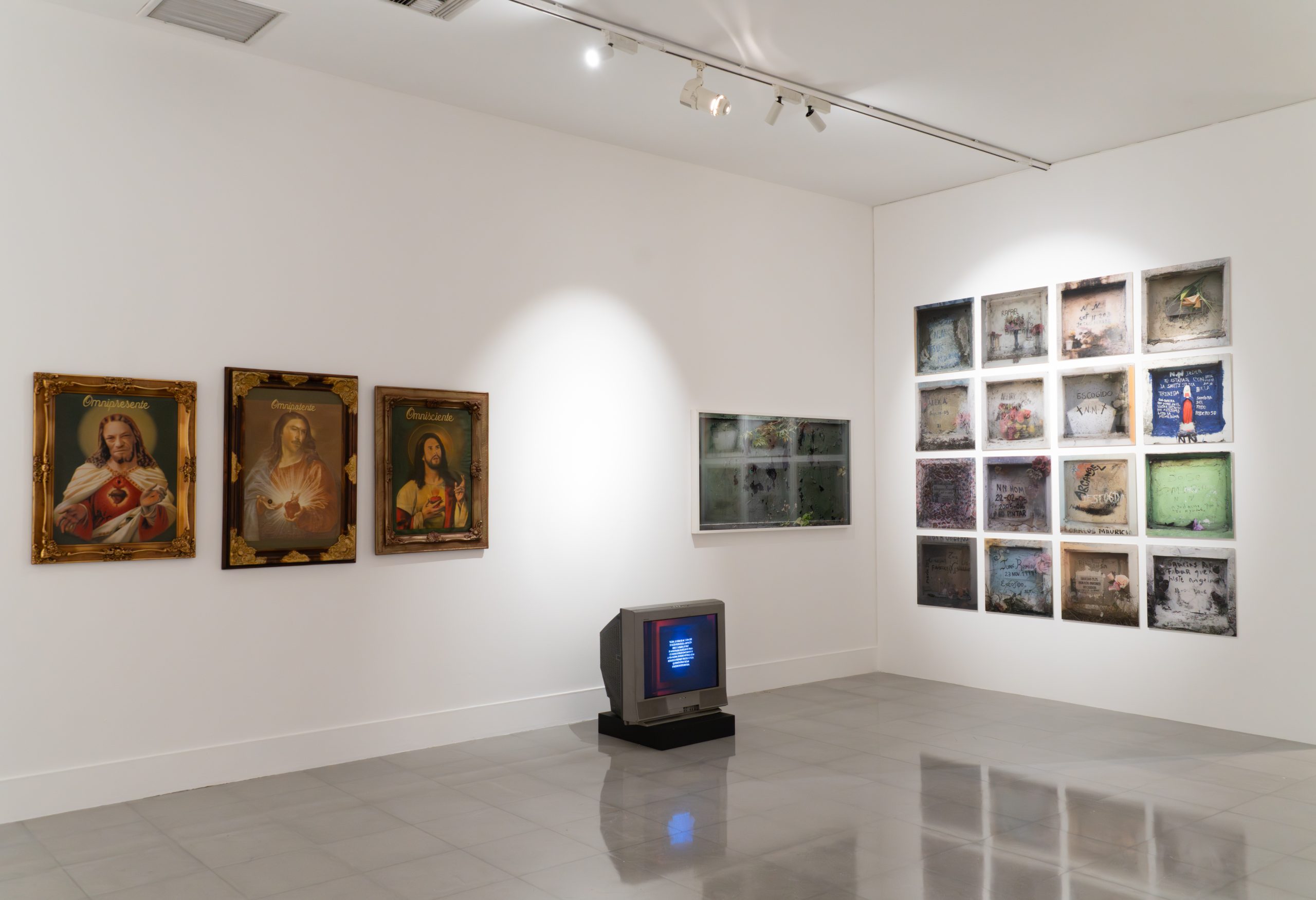
This intention is articulated through five thematic axes that connect different generations and languages of contemporary art. The selection does not follow a chronological organization or classification by trends or formal categories but rather the construction of relationships among the works. A dialogue that allows addressing a complex reality in which the intimate and the collective, the body and territory, memory and violence, as well as identity and history, meet and mutually challenge each other.
The five areas that structure the proposal are Freedom, Independence, and Coexistence; The Place of Enunciation; Territory and Nature; The Broken National Promise; and Recognition and Inclusion. Each opens a path to approach issues that affect both individual experience and the construction of contemporary societies.
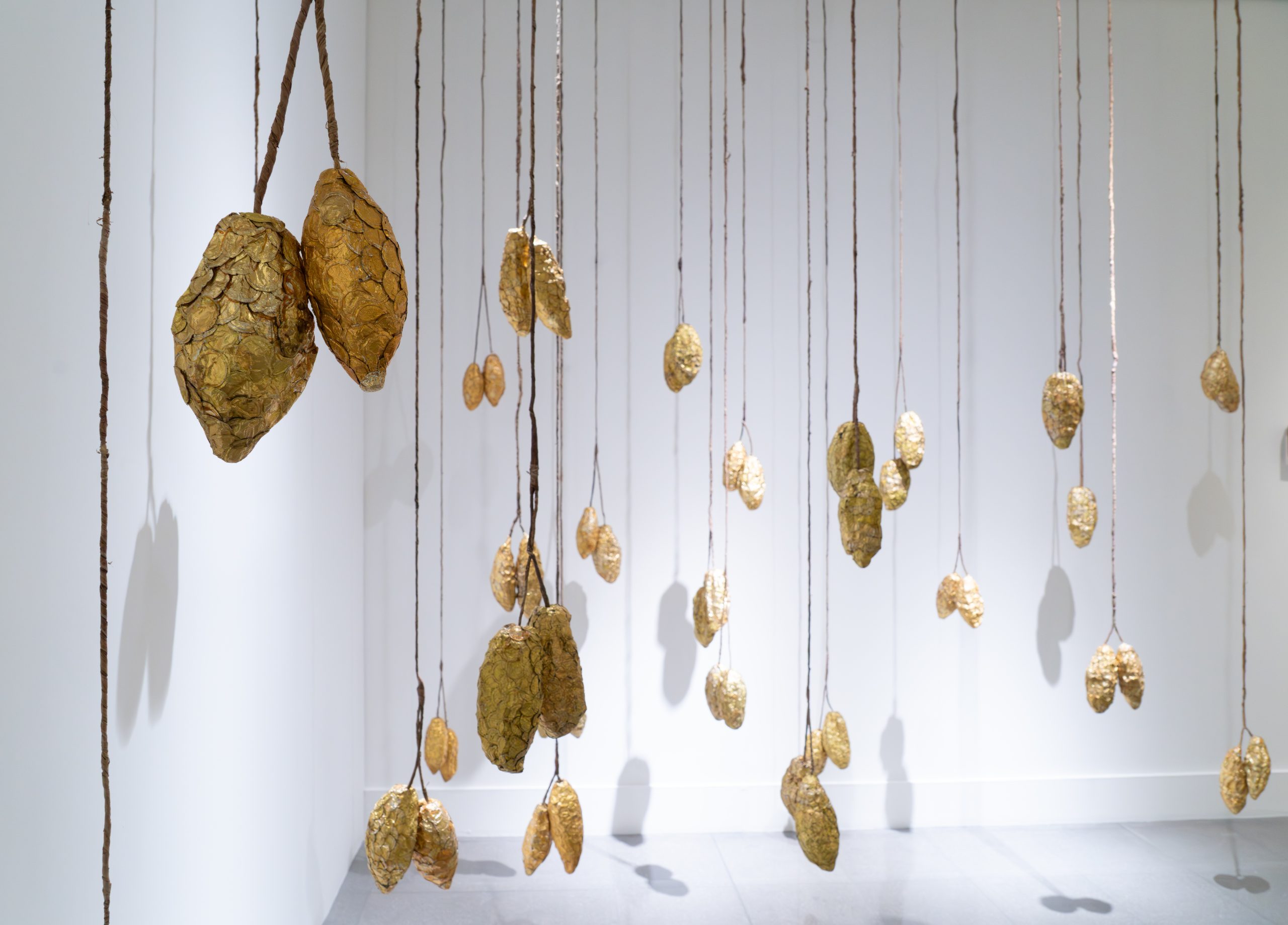
However, the exhibition avoids imposing a single interpretation of the works. Instead of accompanying them with explanations that predetermine their meaning, the decision has been deliberately made to dispense with notes and explanatory labels. This choice grants the visitor a space for interpretive freedom and fosters a direct experience with the pieces, in which each gaze can establish its own connections and construct new readings.

You may be
interested
...