
News
Gaudí enters the international research laboratory with the 'Gaudí Congress'
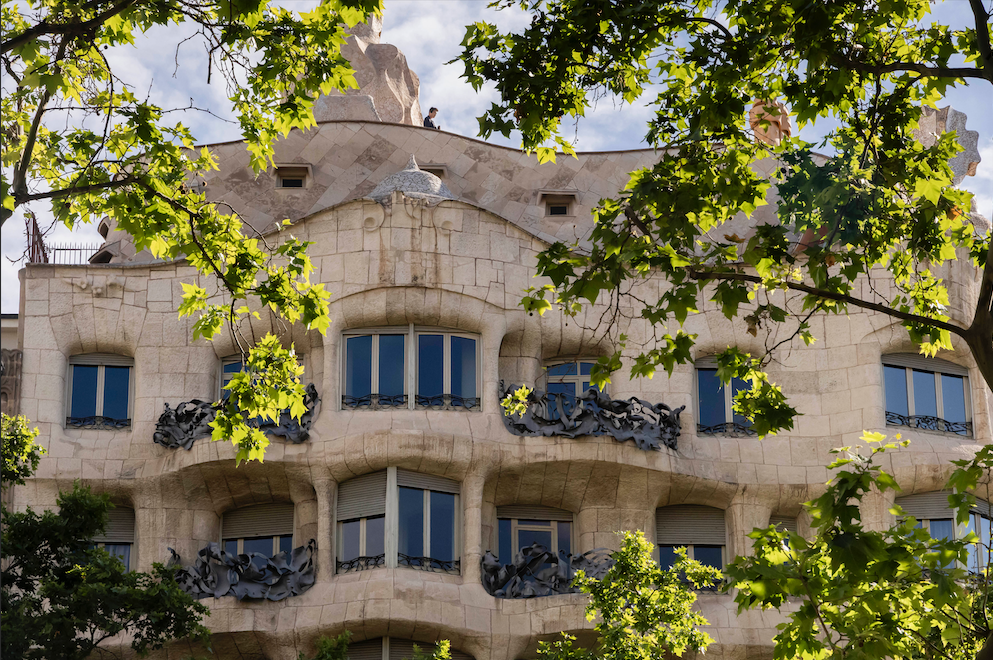
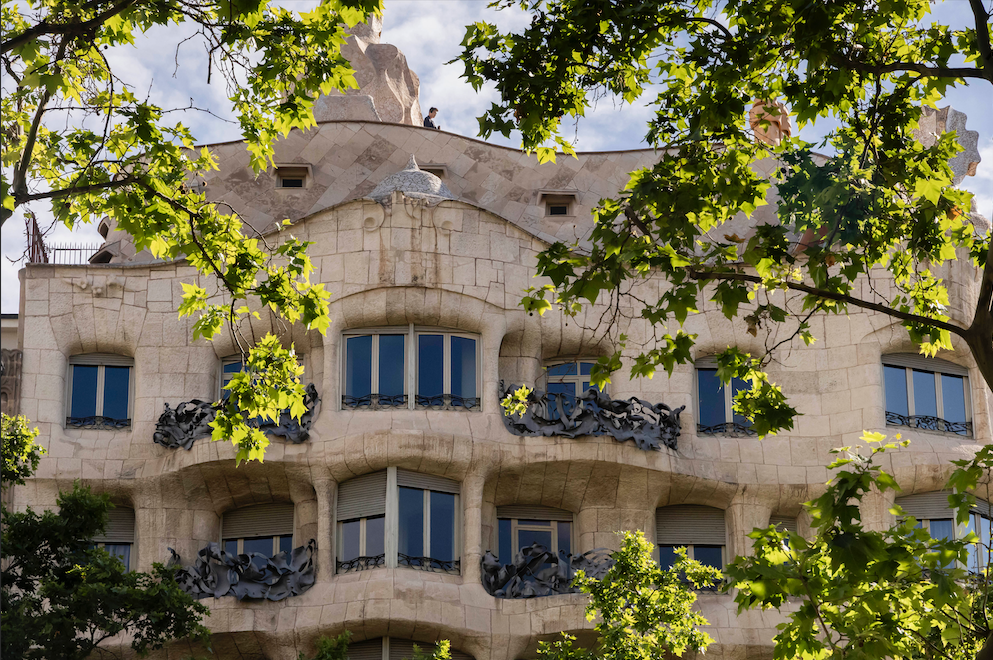
The work of Antoni Gaudí continues to raise questions that extend far beyond its architectural singularity. Geometry, construction solutions, the relationship with nature, symbolism, and the capacity to project new ways of living are some of the areas that will be the focus of the Gaudí International Congress 2026, the first congress specifically dedicated to scientific research on the architect. The event will take place from October 22 to 25 at La Pedrera in Barcelona, with the aim of generating new scholarly work, sharing knowledge, and fostering dialogue between disciplines.
Purchase of Gaudí Congress 2026 registrations
The congress is part of an ongoing effort to delve deeper into Gaudí's legacy from a perspective that combines historical and documentary research with technical analysis, heritage conservation, and the possibilities offered by contemporary research tools. The initiative aims to contribute to expanding knowledge about his work and the context in which it developed, while also posing new challenges for future research.
The official opening will take place on Thursday, October 22, with the participation of the Minister of Culture, Sònia Hernández Almodóvar. The opening address will be given by Galdric Santana, curator of the Gaudí Year and director of the Gaudí Chair. The first day will include the presentation "Inhabiting Gaudí" by Rosa Maria Alsina Pagès, La Salle-URL, and presentations dedicated to the architectural project, construction techniques, and conservation.
Friday the 23rd will be dedicated to research focused on history, theory, and documentation. Among the featured presentations are those by M. Mercè Compte Barceló, from the University of Barcelona, on gardens in Gaudí's work, and by Miquel Domènech Roig, a technician from the Colonia Güell Consortium, dedicated to symbolic figuration and abstraction in the fragile stained-glass windows of the Colony's crypt. The day will conclude with further presentations and a discussion of cultural visits.
The third day, Saturday the 24th, will focus on the communication, values, and contemporary relevance of Gaudí's work. Albert Samper Sosa, from Rovira i Virgili University, will present on the digital reconstruction of Gaudí's lost sounding board, a project that links geometric analysis with the possibilities of digital technologies for recovering and interpreting missing elements. Presentations from the thematic group will complete the day's scientific program, which also includes cultural visits.
The congress will conclude on Sunday, October 25, with a session dedicated to geometry and modulation at the Bellesguard Tower, led by Galdric Santana Roma of the Polytechnic University of Catalonia. The final day will include the presentation of conclusions and future challenges by the scientific committee, a question and answer session, and the presentation of proposals to continue the lines of research initiated during the event.
Over the four days, the program will combine specialized presentations, scientific papers, and cultural activities, with the participation of researchers and professionals from various fields. Beyond reviewing existing contributions on Gaudí, the congress aims to establish a shared workspace from which to foster new questions and methodologies for study.


You may be
interested
...