News
Tashkent opens a new space for contemporary art
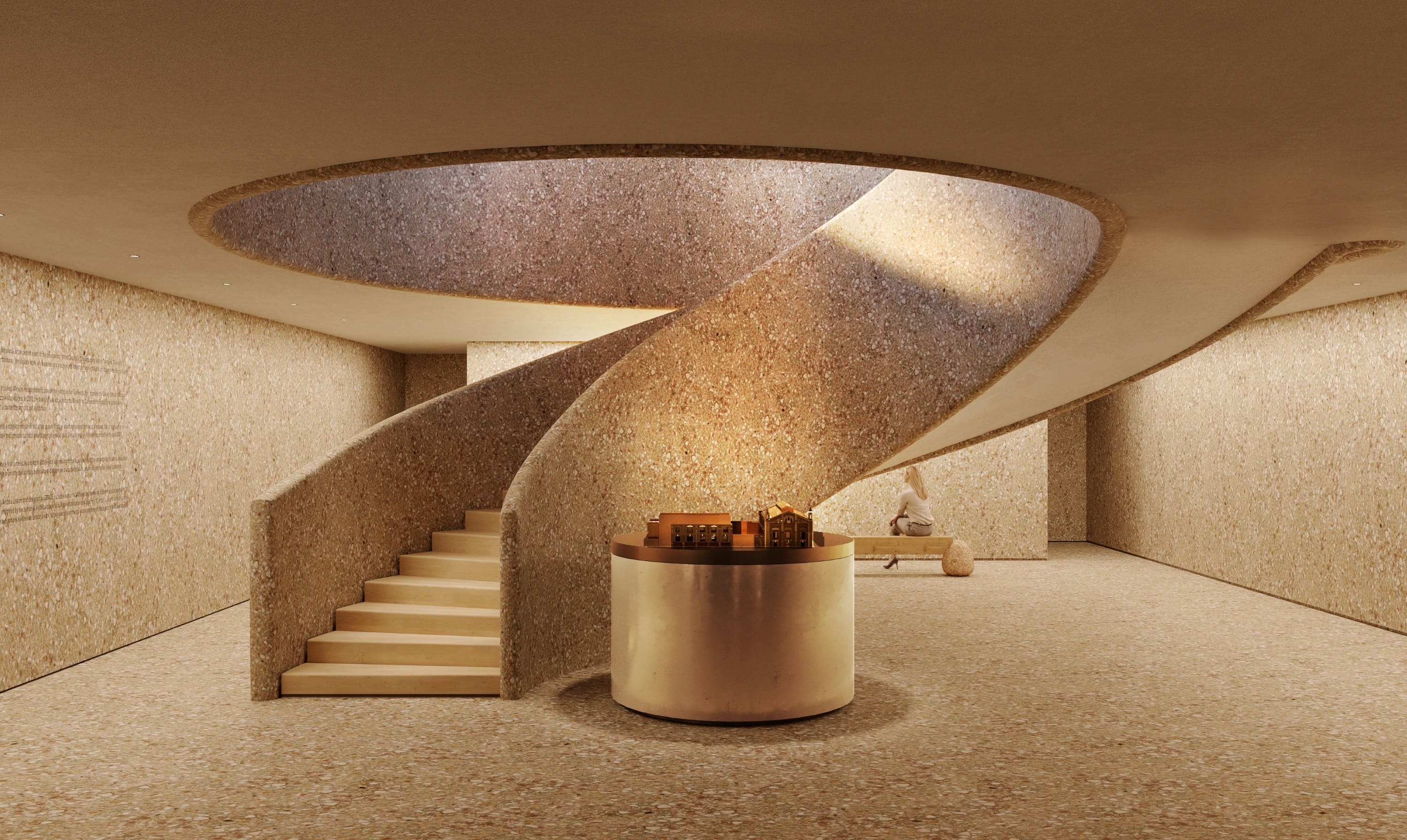
Tashkent welcomes a new addition to its cultural landscape with the opening of the Centre for Contemporary Arts Tashkent (CCA Tashkent), Uzbekistan's first permanent institution dedicated specifically to contemporary art. The center opened its doors to the public on September 6th with the aim of becoming a space for production, research, exhibition, and dialogue surrounding contemporary artistic practices.
At the helm of its artistic and curatorial direction is Sara Raza, a London-born curator, writer, and educator, who assumed this position last year. Her appointment marks the beginning of a project that seeks to place contemporary creation in dialogue with the cultural history of Uzbekistan and with the transformations currently taking place in the Central Asian region.
The center's inaugural exhibition, titled Hikmah , an Arabic word that can be translated as 'wisdom,' explores precisely this dialogue between times, territories, and forms of knowledge. The exhibition brings together contemporary works alongside historical pieces from the Uzbek and Karakalpak artistic traditions, drawn from the collection of the State Museum of Arts of Karakalpakstan. The result is a journey in which the present is not detached from memory, but rather presented as an extension and reinterpretation of different cultural layers. Hikmah will be on view until January 31, 2027.
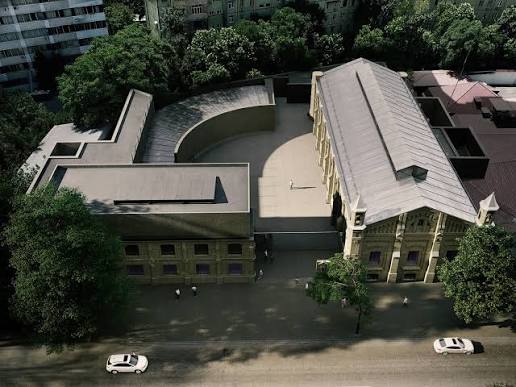
The center's architecture itself reinforces this desire to establish a link between heritage and contemporary life. The CCA Tashkent occupies a former tram depot and diesel station built in 1912, a historic building that has been restored and transformed to house the new cultural facility. The architectural project was developed by the Parisian firm Studio KO, which intervened on the existing structure to create a complex capable of combining conservation, new uses, and spaces dedicated to contemporary creation.
The building was originally designed by Wilhelm Heinzelmann, the architect also responsible for some of Tashkent's most prominent historical buildings, including the Tashkent Royal School, the Grand Duke Romanov Palace, and the Treasury Chamber. The repurposing of this former industrial complex adds a new dimension to the city's architectural history, transforming a transportation hub into a space dedicated to the arts and intellectual pursuits.
Studio KO's proposal goes beyond simply creating exhibition spaces. The project incorporates a library, spaces for workshops and public programs, as well as areas for artist residencies. The center, therefore, is born with a mission that transcends the traditional museum model and proposes different forms of interaction between artists, researchers, communities, and the public.
The opening of the CCA Tashkent also marks the creation of a new platform for the Central Asian art scene. In a country with a rich cultural tradition and a strategic position among various historical exchange hubs, the center offers a contemporary perspective capable of connecting local heritage with international artistic practices.
You may be
interested
...