News
The city that was swallowed by the desert
There are abandoned cities that seem frozen in time. Pripyat, Hashima, and Bodie have built part of their legend on that strange ability to preserve, among ruins, the traces of a life that no longer exists. But few images are as powerful as those of Kolmanskop, a small mining town in southern Namibia that the desert is slowly erasing.
Kolmanskop wasn't defeated by a sudden catastrophe. It was abandoned when it ceased to be useful. And that difference makes it all the more unsettling: a city that didn't die, but was forgotten while the desert finished the job.
Its story began with a tiny, extraordinarily valuable stone. In 1908, the first diamond appeared in this area of the Namib Desert, and that stone sparked a veritable frenzy. Thousands of prospectors arrived, drawn by the promise of wealth, and a population sprang up around the mining operations, growing with a rapidity almost unimaginable in that landscape of sand and wind.
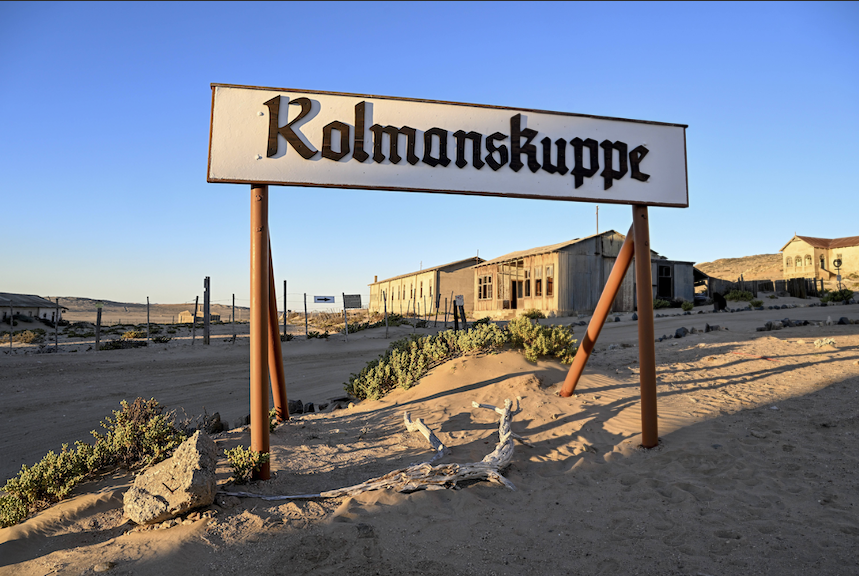
Kolmanskop became an anomaly. Where today only empty buildings and rooms invaded by dunes remain, a perfectly organized community once stood, designed to make life possible in one of the most inhospitable territories on the African continent.
During its heyday, the town boasted around 300 German residents, in addition to hired workers of Ovambo origin. It had a hospital, bakery, ice factory, canteen, and other infrastructure designed to support a small society that had sprung up practically from nothing. Electricity illuminated its streets and buildings in the middle of the desert, while the hospital housed an X-ray machine, one of the first in southern Africa.
Modernity, however, had a very precise boundary here. Prosperity was built around diamonds and, therefore, depended on an extractive economy that transformed the landscape into an extension of the mine. Even some of the most unusual uses of that medical technology were related to mining itself: X-rays were used, among other things, to investigate workers suspected of having hidden diamonds after ingesting them.
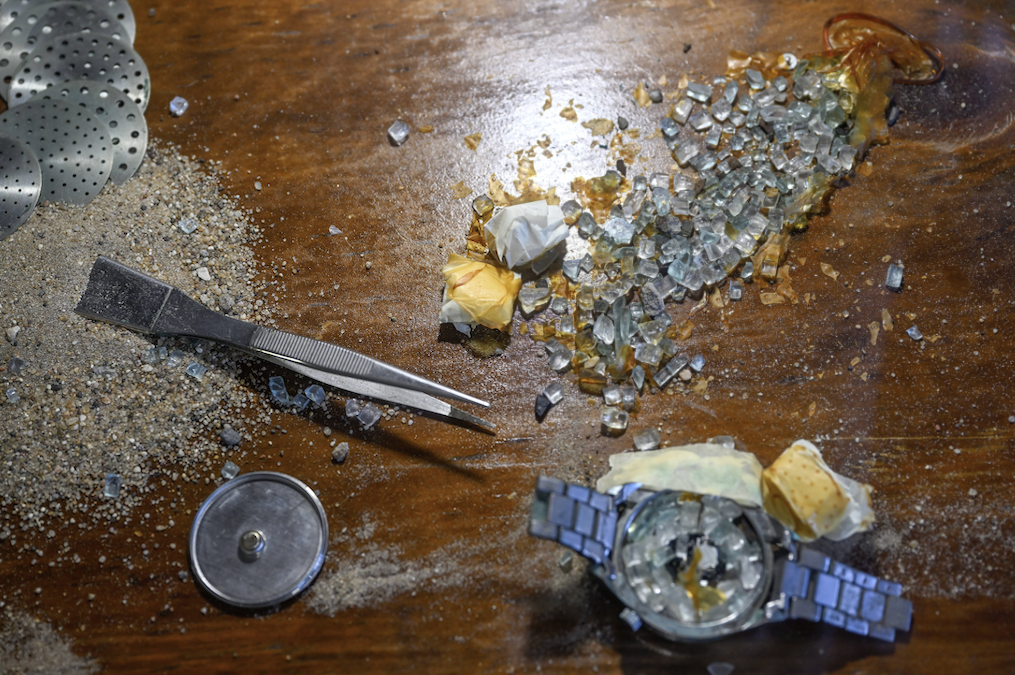
The city grew during the first decades of the 20th century, reaching its peak in the 1920s. But the very wealth that had created it would eventually displace it. In 1928, much larger deposits were discovered near Oranjemund, at the southern end of the area known as Sperrgebiet. The center of gravity of the mining industry then began to shift southward.
By 1938, most of the workers and equipment had already been relocated. Five years later, the mining company's headquarters moved to Oranjemund, and in 1950, operations in Kolmanskop finally ceased. The last residents left the town in 1956.
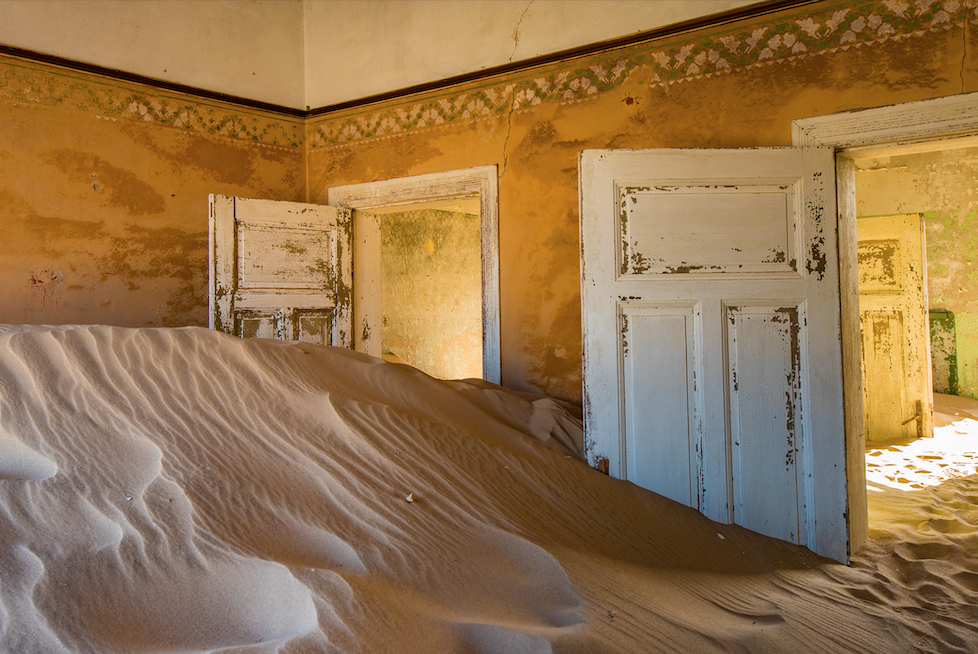
From then on, another story began, a much slower one. Without workers, without economic activity, and without inhabitants, Kolmanskop was left to the elements. The wind and sand, which for decades had been part of the everyday landscape, began to enter through the windows, cover the floors, and fill the rooms. Nature didn't destroy the buildings all at once; it gradually reclaimed them.
This process has transformed Kolmanskop into one of the most recognizable images of ghost towns. Sand dunes encroach upon former halls, staircases, and corridors. The sand reaches the walls, transforming the interiors into almost surreal scenes. What was once a symbol of progress now appears as an unintentional meditation on the fragility of any human endeavor when that which sustains it disappears.
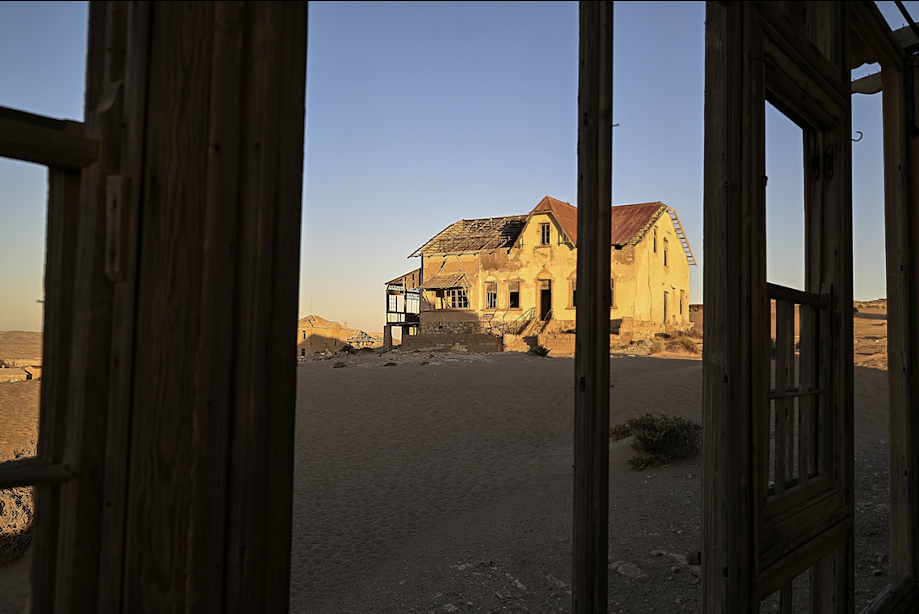
The nearby infrastructure also forms part of this frozen landscape. Several abandoned stations survive along the old railway line between Aus and Lüderitz. Travel through this region is restricted by the Sperrgebiet, a territory historically linked to diamond mining and subject to strict controls. Here, the desert is not simply a landscape to be crossed: it is also a border.
In the 1980s, Kolmanskop began its restoration for tourism. Paradoxically, the place that had been abandoned because its diamonds were no longer profitable found a new source of value in its own ruins. It was no longer necessary to extract wealth from the subsoil. It was enough to contemplate what remained above ground.
Kolmanskop thus presents a profoundly contemporary contradiction. The city was born from an obsession with finding something precious in the sand, and today it is precisely the sand that gives it its value. The diamonds have disappeared from the houses, the people have left, and the machines have stopped working. Only the buildings remain, increasingly reclaimed by the desert.
Perhaps that's why its ruins are so fascinating. We're not just looking at a ghost town, but at the portrait of a model of progress that had an expiration date. Where hotels, homes, shops, and services once stood for a community that dreamed of prospering, today the sand creeps in uninvited.



You may be
interested
...