Exhibitions
The memory of the Transition travels through local museums
'The first steps towards democracy (1976-1978)' arrives this autumn in nine municipalities and closes a tour of 22 facilities of the Local Museums Network.
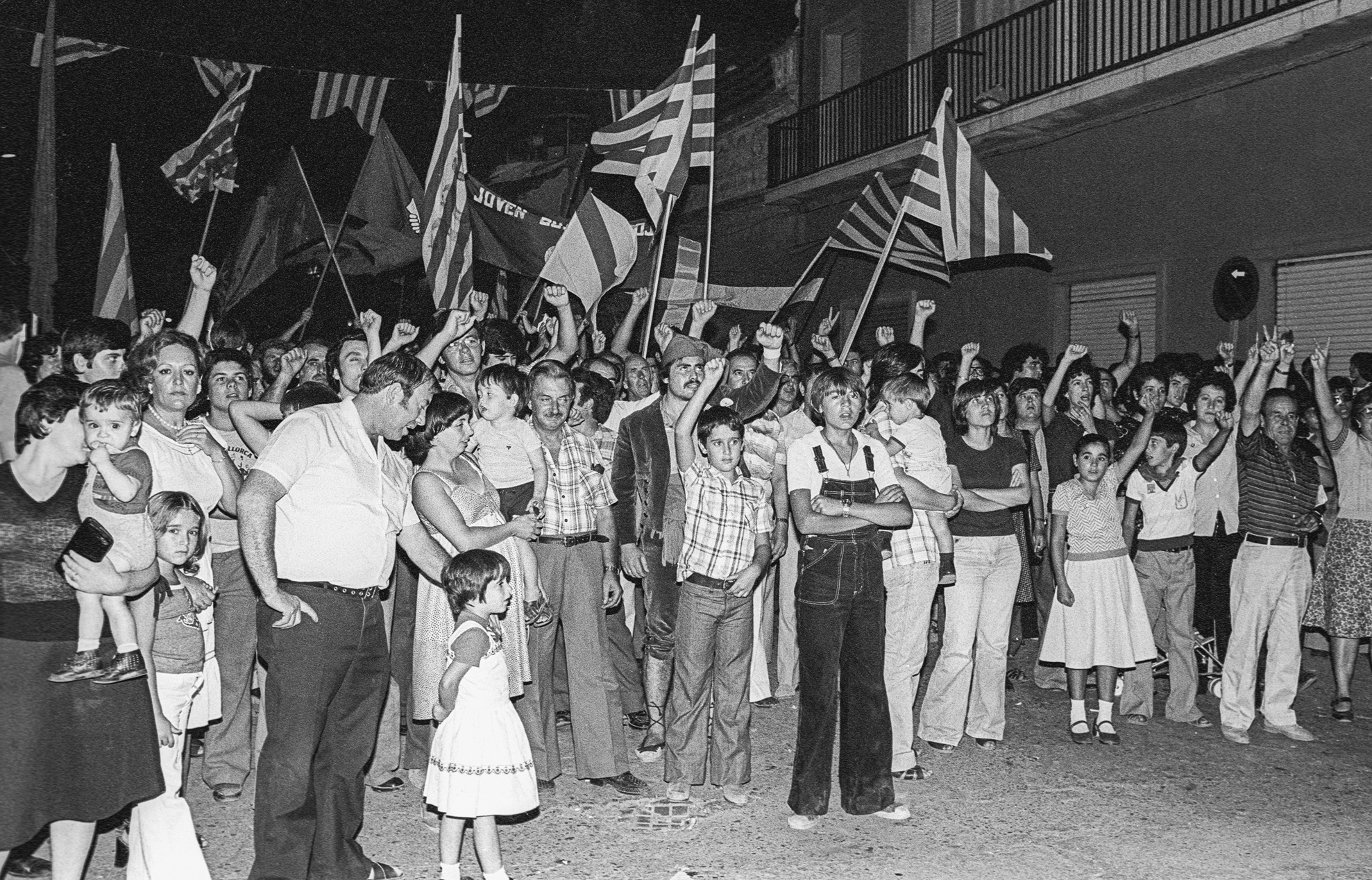
The memory of the first years of the Democratic Transition once again occupies the spaces of the local museums of the Barcelona region . The exhibition The First Steps Towards Democracy (1976-1978) , promoted by the Barcelona Provincial Council with the collaboration of the Democratic Memorial and the participating museums, expands its tour this autumn with the incorporation of nine municipalities: Viladecans, Sant Boi de Llobregat, Manresa, Roda de Ter, Mataró, Mollet del Vallès, el Prat de Llobregat, Tona and Vilafranca del Penedès.
The exhibition, which throughout 2026 will have passed through 22 facilities of the Network of Local Museums, recovers a decisive period in the recent history of Catalonia: the years between 1976 and 1978, marked by the recovery of self-government, the first democratic elections, the emergence of feminist movements, the demand for freedoms and the progressive normalization of Catalan culture after the Franco dictatorship.
Organized by the Barcelona Provincial Council, the initiative is part of the Network Memory project, a proposal that claims local museums as spaces for preserving historical memory and transmitting a shared heritage, both material and immaterial. In this context, the exhibition focuses on how the great political and social changes of the Transition were also experienced from cities and towns, through mobilizations, associations, cultural initiatives and new forms of citizen participation.
Five axes to explain the change
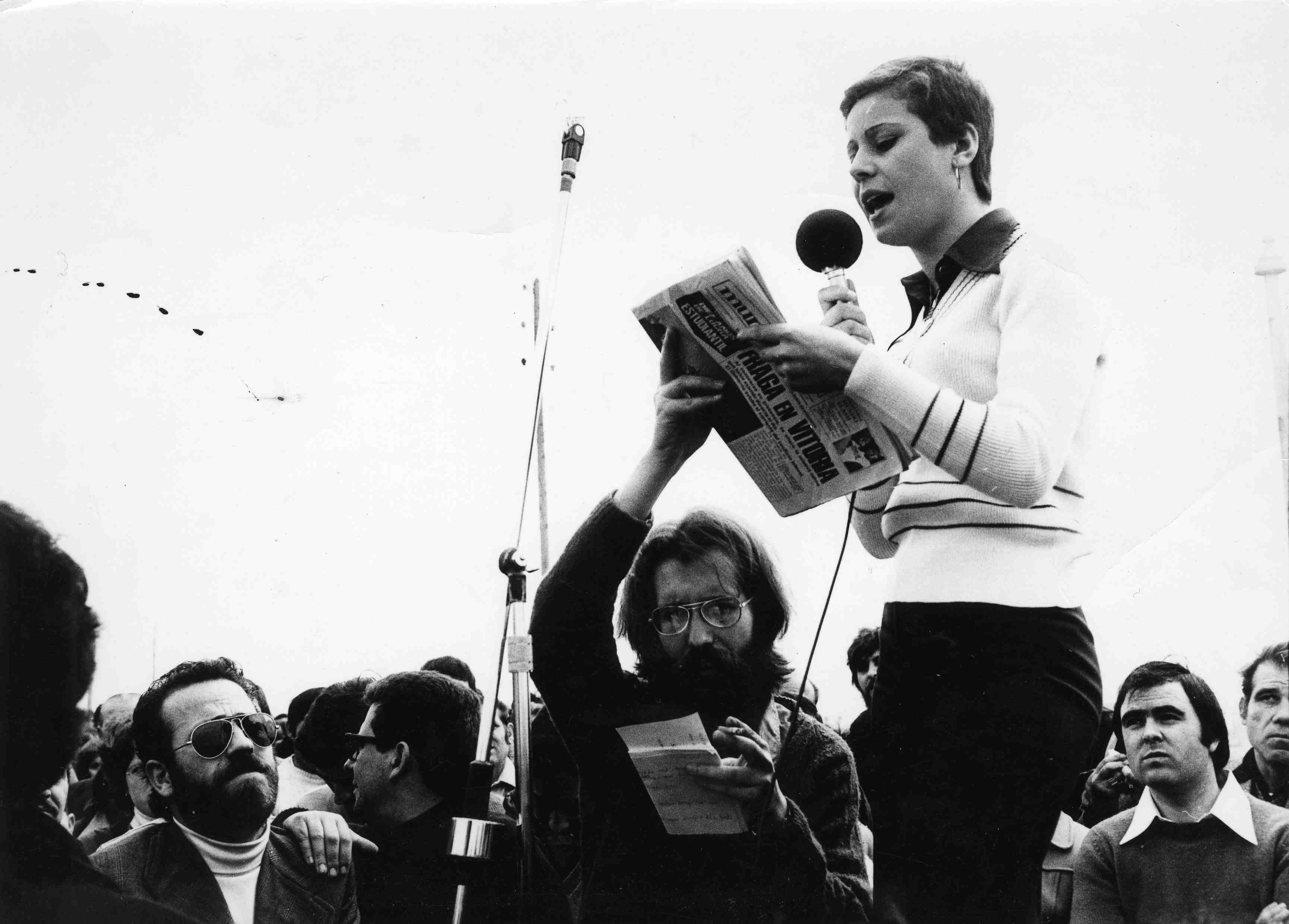
Curated by Joan Francès, director of the Badalona Museum, the exhibition is structured around five thematic axes: Freedom, amnesty and Statute of Autonomy , (Re)Learning to vote , Freedom of expression , A feminine future and A new country for an old culture .
The tour brings together documents, photographs and objects from the collections of local museums and municipal archives. Materials that allow us to reconstruct the atmosphere of a moment in which society was beginning to recover spaces of freedom after decades of dictatorship. The project is completed with video interviews with witnesses from different fields, from the archive of the Democratic Memorial.
The itinerancy also allows each municipality to incorporate its own memory into the general story. Thus, the exhibition does not present a single view of the Transition, but rather constructs a cartography of small local stories that contribute to explaining one of the most important periods of transformation in contemporary Catalonia.
Nine municipalities, nine stories
The Viladecans Museum opens its autumn tour with a proposal dedicated to the National Day of Catalonia on September 11, 1977, the first that could be celebrated in an authorized manner after the dictatorship and which brought together thousands of people. The space can be visited from September 10 to October 31.
In Sant Boi de Llobregat, the museum recovers, from September 11 to December 20, the arrival in the city of the Freedom March, organized by the Assembly of Catalonia on August 4, 1976. Under the title "Catalan people, get moving", the proposal focuses on one of the citizen mobilizations that marked the first years of the Transition.
The Manresa Museum, from September 17 to November 29, vindicates the role of the Bages Women's Association and its fight to achieve a family planning center in the city, one of the first in Catalonia. The initiative allows us to recover part of the history of feminist movements and demands related to women's rights.
In Roda de Ter, the Archaeological Museum of l'Esquerda will present, from September 19 to December 13, "Now is Tomorrow", a proposal around the popular week that in 1978 the poet Miquel Martí i Pol paid tribute to, with activities in Roda de Ter, Manlleu and Vic. Culture and poetry thus become witnesses to a society that was gradually recovering its voice.
The tour will continue in Mataró, where the Can Serra space, Mataró Museum, will dedicate from October 14 to December 13 the exhibition Pioneers of Feminism in Mataró in the Transition to the women who contributed to transforming the social and political life of the city.
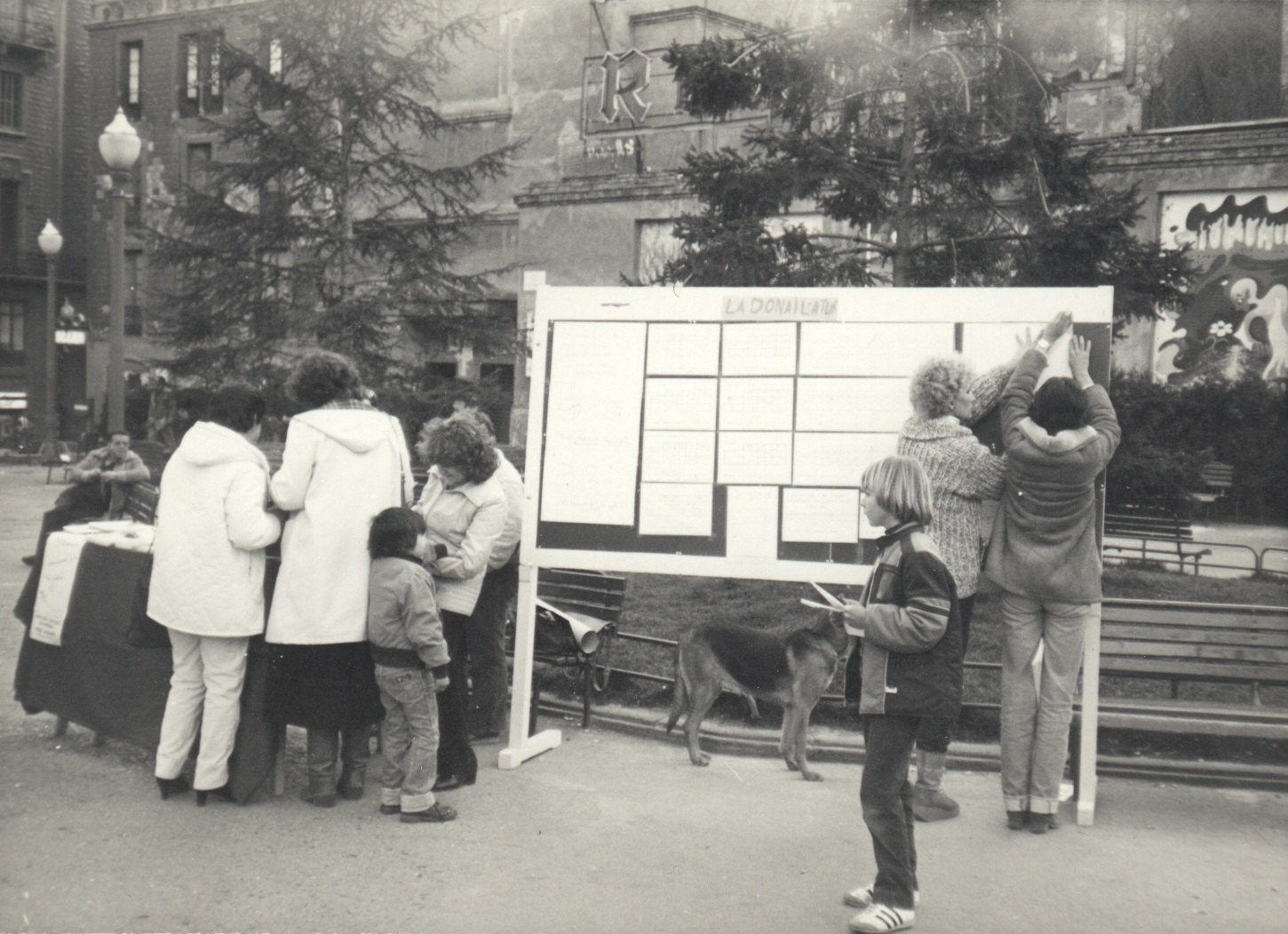
In Mollet del Vallès, the Abelló Museum will recover the female presence in the first democratic councils with Councils with a female voice , which can be visited from October 16 to December 13. The proposal highlights the role of women in the recovery of institutional political participation.
In El Prat de Llobregat, the Cèntric Espai Cultural will focus its proposal on the first family planning center in the municipality. The space can be visited from November 1 to December 11 and will allow the recovery of an initiative linked to the new social demands that emerged during the Transition.
In Tona, the El Camp de les Lloses Interpretation and Site Centre will present, from November 19 to December 31, "Freedom of expression, Catalanity and citizen participation". The proposal will recall the publication La Veu de Tona, which was published on September 11, 1977 and became a reference in local news.
The exhibition tour will close in Vilafranca del Penedès, where the VINSEUM Museum of Wine Cultures of Catalonia will present "Our First Democracy" from November 19 to January 17, 2027. The exhibition will bring together images by photojournalists Jordi Valls and Enric Tomàs, who document the effervescent political and social climate experienced in the city during the seventies.
With this territorial deployment, The First Steps to Democracy (1976-1978) turns local museums into spaces for recovering a memory that goes beyond major political events. Photographs, documents, testimonies and objects allow us to reconstruct a Transition also experienced from squares, associations, schools, streets and citizen movements.


You may be
interested
...