Opinion
Prospect Avenue, a station to discover the Bronx through its layers
Sometimes you have to create a trip to the Bronx. For a moment, abandon the perspective of the hurried visitor and become a flâneur , walking with no other intention than to be carried away by the streets, the sounds, the faces, and the stories the neighborhood offers. The Bronx compels you to see things differently: to discover a city made of layers, contrasts, and displacements, where every corner seems to contain a different geography.
Walking its streets is also to traverse one of New York's most multicultural areas. Latin American, Caribbean, African American, and other communities from around the world coexist, mingle, and continually transform the urban landscape. Spanish and English intertwine with other languages; the shops, restaurants, music, and ways of occupying space all contribute to an identity that is never static.
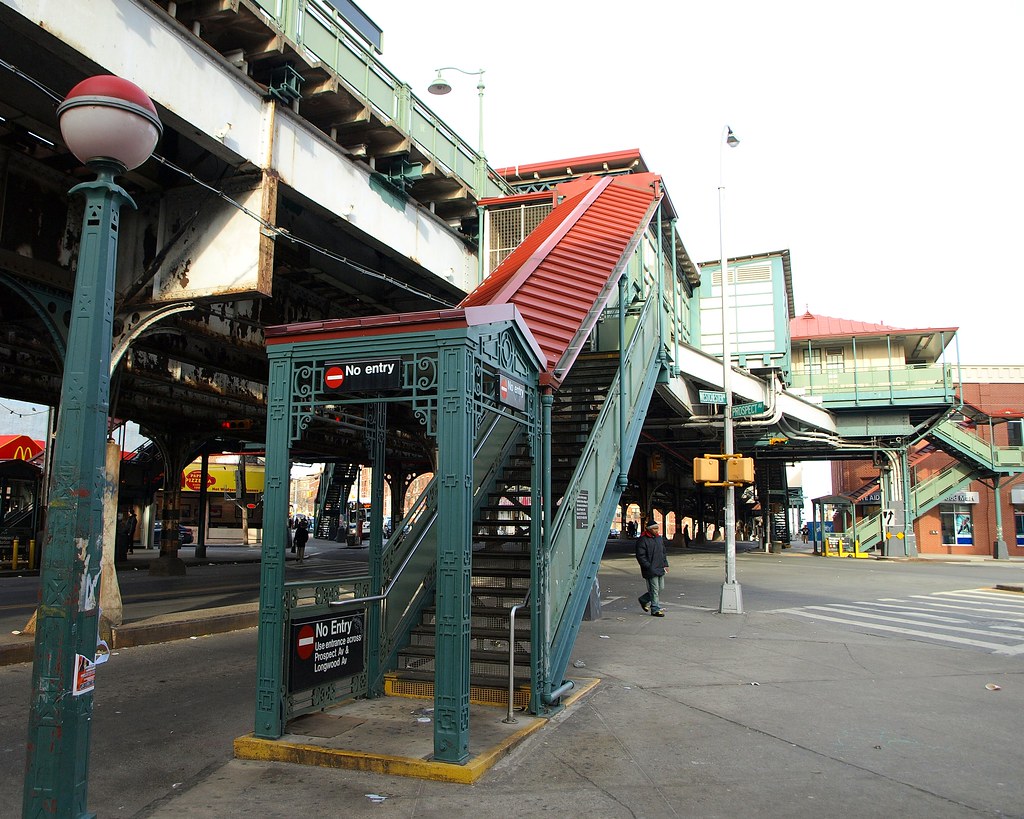
On this journey, the subway becomes much more than a means of transportation. Its stations function as thresholds between neighborhoods, generations, and cultures, but also as spaces where the city becomes visible with particular intensity. Stopping at a Bronx station means, in a way, pausing before one of the many layers that make up New York: observing how architecture, art, daily life, and the diversity of those who pass through it transform a transit point into a veritable urban stage.
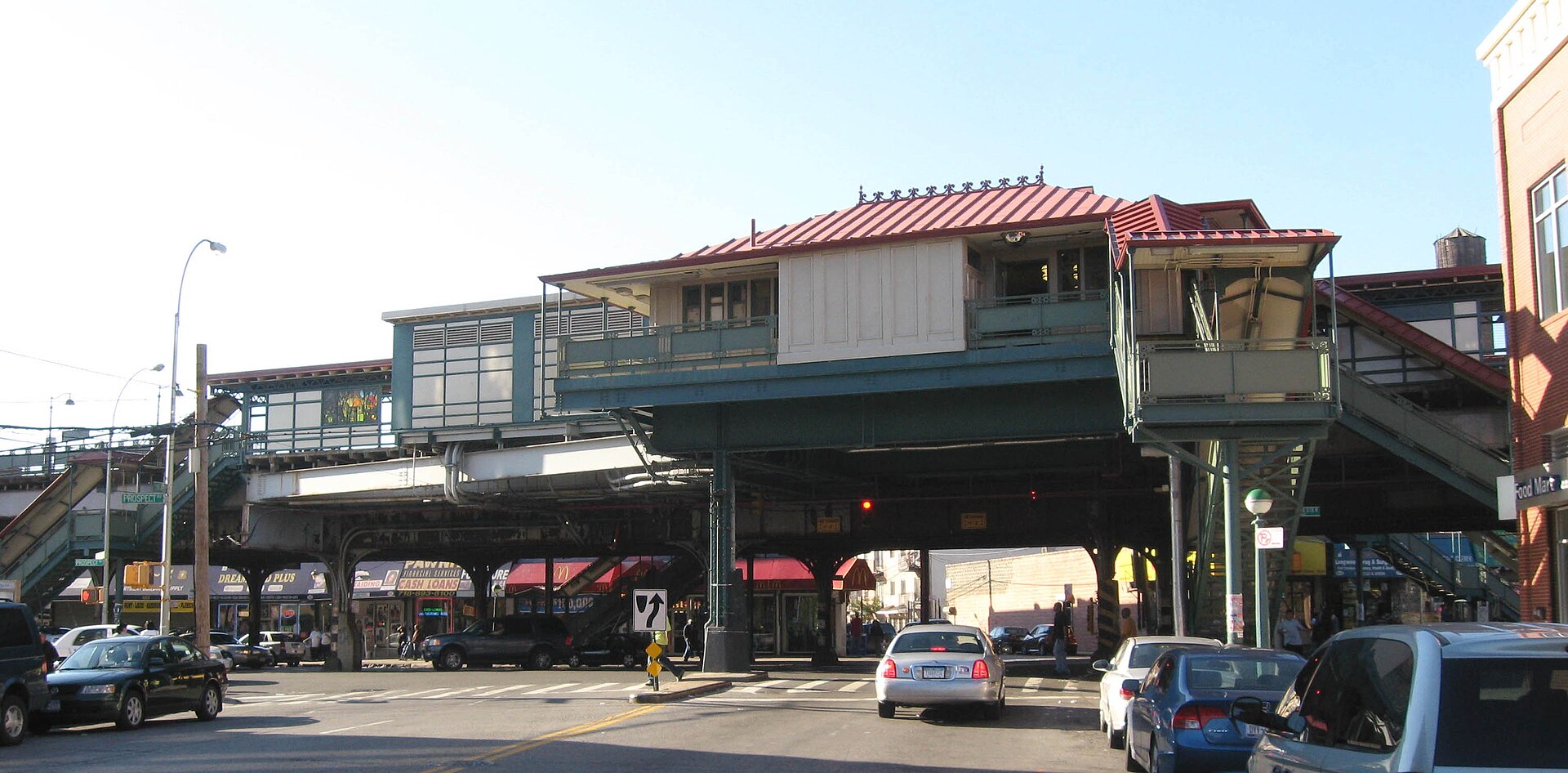
Among the stations that offer a glimpse into the Bronx's unique character, Prospect Avenue stands out. Located at the intersection of Prospect Avenue and Westchester Avenue in the Longwood neighborhood, it's more than just a transit point; it's a small capsule of the neighborhood's urban history—a place where architecture, memory, migration, and everyday life converge on the city's elevated tracks.
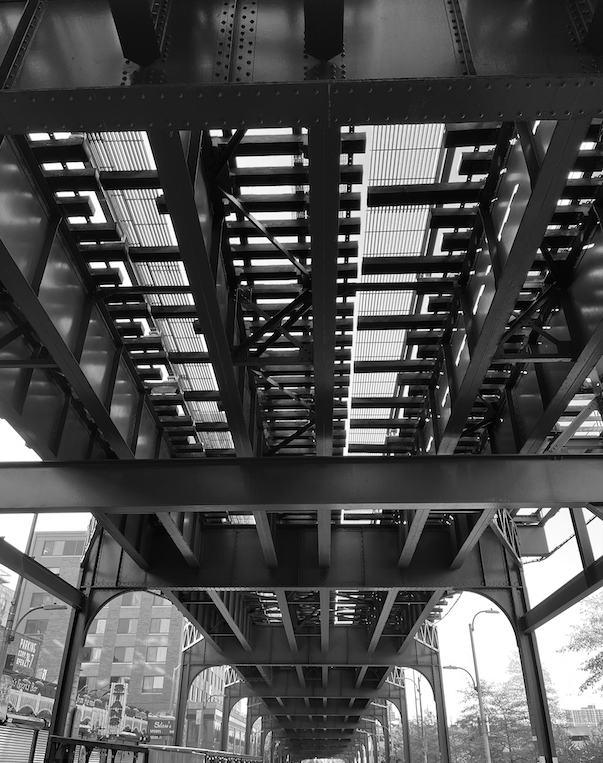
The station is part of the IRT White Plains Road Line, whose first section began operating on November 26, 1904, between 180th Street–Bronx Park and Jackson Avenue. Its structure retains much of the character of the early elevated infrastructure of the New York City subway. The tracks are supported by two large columns located on either side of the roadway, a system complemented by zigzag lateral bracing that is repeated at regular intervals. The engineering, conceived at the beginning of the 20th century, gives the structure an almost sculptural presence, especially when viewed from the street.
Prospect Avenue was listed on the National Register of Historic Places on September 17, 2004, and subsequently renovated in 2006. On its platforms, functional elements also acquire a visual dimension: beige windshields framed in green, red awnings, green columns, and the distinctive black signs with white lettering coexist with the original metal structures. The station thus maintains that particular balance between historic infrastructure and contemporary transformation that defines so many corners of the Bronx subway.
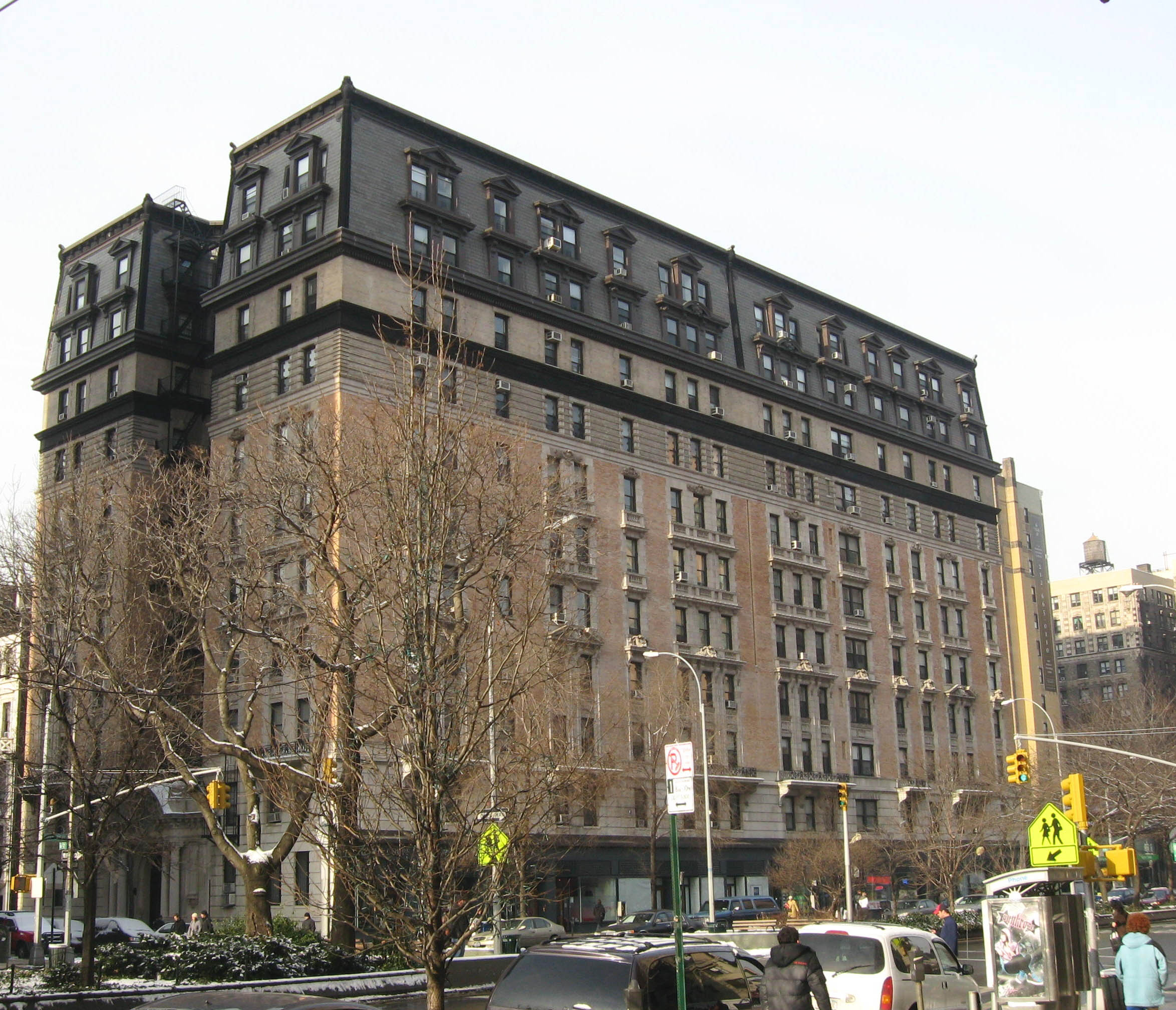
But the true richness of Prospect Avenue emerges when you leave the station and explore its surroundings. Nearby is Casa Amadeo, located at 786 Prospect Avenue, a historic building also known as The Manhanset. The building holds a unique place in the neighborhood's musical memory and is a landmark of the Bronx's Latino culture. Its inclusion in the National Register of Historic Places in 2001 recognizes not only its architectural value but also the importance of the communities and cultural expressions that have shaped this area.
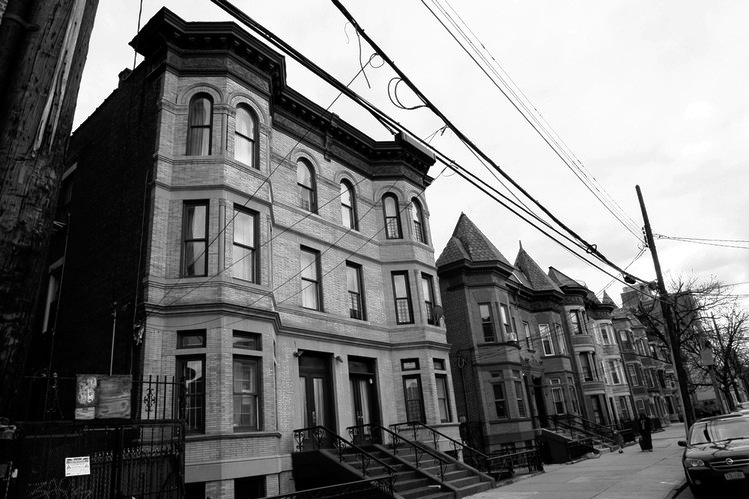
The walk can continue to the Longwood Historic District, where numerous residential buildings from the late 19th century survive. Their facades allow us to reconstruct another stage of the Bronx's development and remind us that, beneath the more accelerated and diverse image of the contemporary city, a complex history of urbanization, immigration, and social transformation persists.
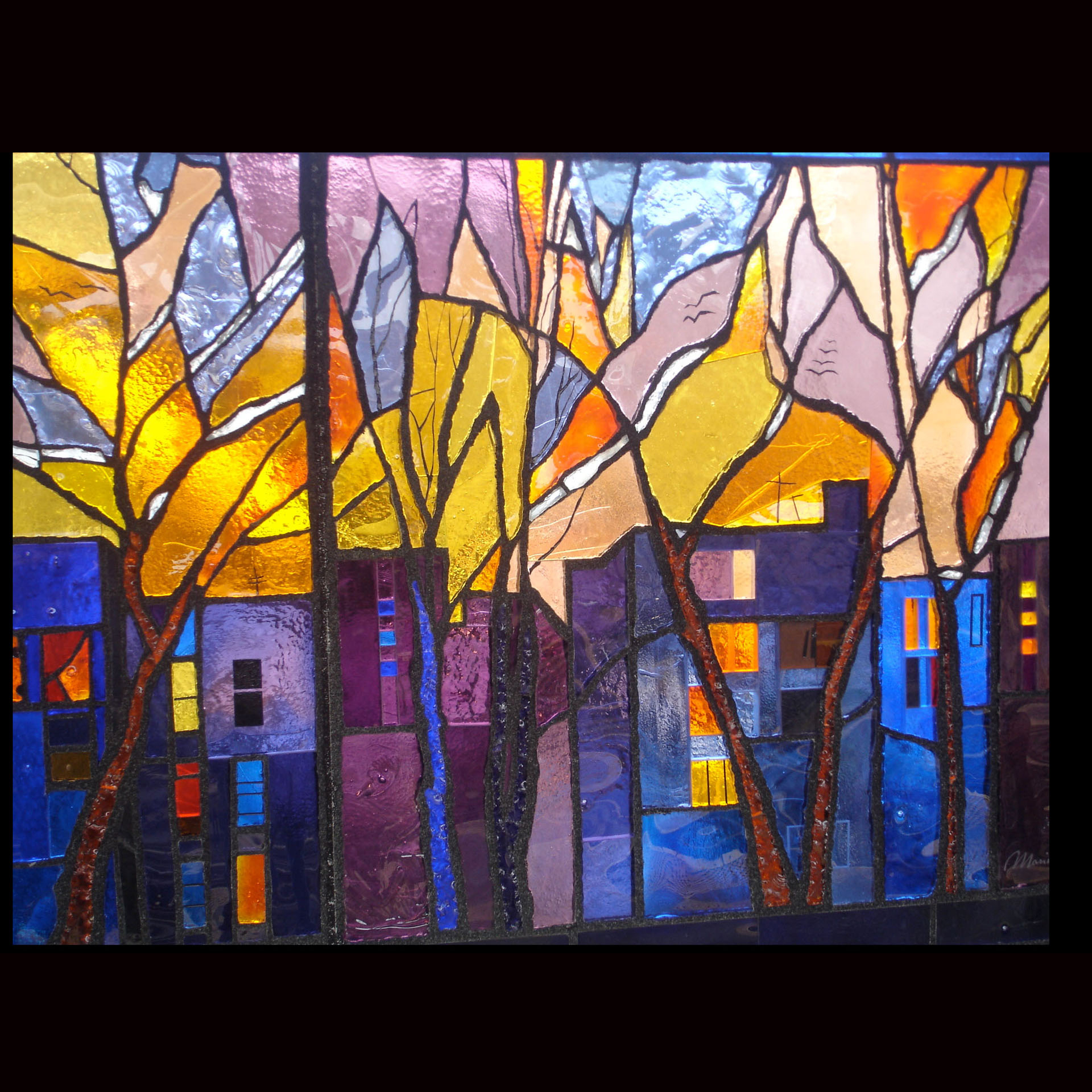
It is precisely in this dialogue between past and present that the station's artistic intervention takes on special significance. In 2006, Ukrainian artist Marina Tsersarskaya created Bronx, Four Seasons , a work integrated into the very architectural elements of Prospect Avenue. The leaded glass panels, distributed across the platform windshields and the station buildings, incorporate images related to the four seasons.
The artwork introduces an unexpected dimension to a space originally designed for movement. Light filters through the glass, altering its appearance throughout the day and making the cityscape and the passage of time an integral part of the station experience. Bronx, Four Seasons thus transforms an everyday place into a space for contemplation, establishing a connection between nature, climate, and urban life.
Prospect Avenue, in many ways, encapsulates the experience of exploring the Bronx as a flâneur . Simply stop, look up, and let the station reveal its different layers: the early 20th-century engineering, Longwood's historic architecture, the memory of Latin culture, the diversity of those who pass through its platforms daily, and the art that transforms the infrastructure into a landscape. The Bronx then appears not as a static backdrop, but as a city within a city, multicultural and ever-changing, where every subway ride can become a form of discovery.



You may be
interested
...