Exhibitions
Álvaro Gómez and the spatial dimension of fabric
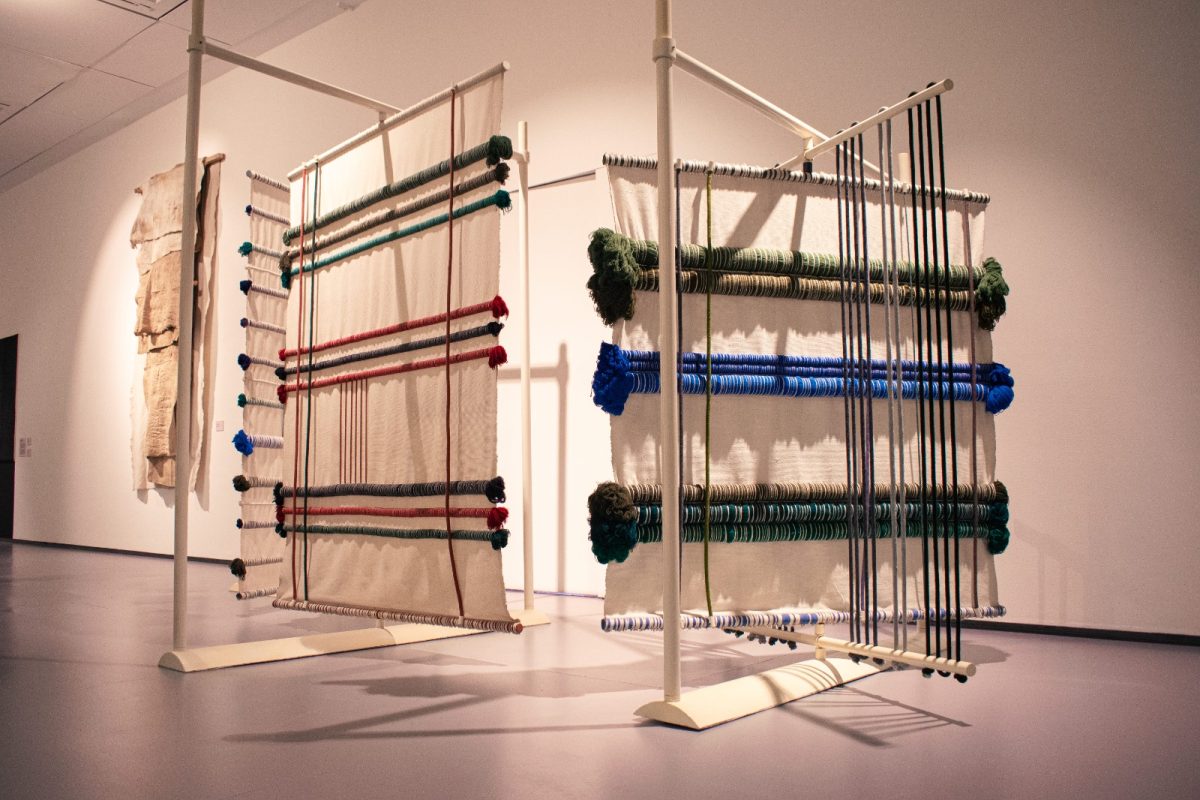
The Museum of Visual Arts (MAV) at Jorge Tadeo Lozano University presents Spatial Weaving , an exhibition dedicated to Álvaro Gómez Campuzano that brings together more than five decades of his artistic career. The exhibition, which opened on July 16 and runs until August 22, 2026, offers a journey through the evolution of an artist who has made weaving much more than a technique: a language capable of occupying, transforming, and questioning space.
Throughout her career, Gómez Campuzano has explored the sculptural possibilities of fiber and its relationship to architecture, matter, and memory. Cotton, silk, wool, acrylic fiber, ceramic, polypropylene, and steel form part of a material universe in which the boundaries between textiles, sculpture, and architecture become increasingly blurred.
Spatial Weave allows us to observe how this research has developed over decades. The works gathered here showcase different approaches to weave, understood not only as the structure inherent in fabric, but also as a principle capable of organizing space and modifying the viewer's perception. In this sense, the pieces construct relationships between emptiness and matter, surface and volume, boundary and expansion.
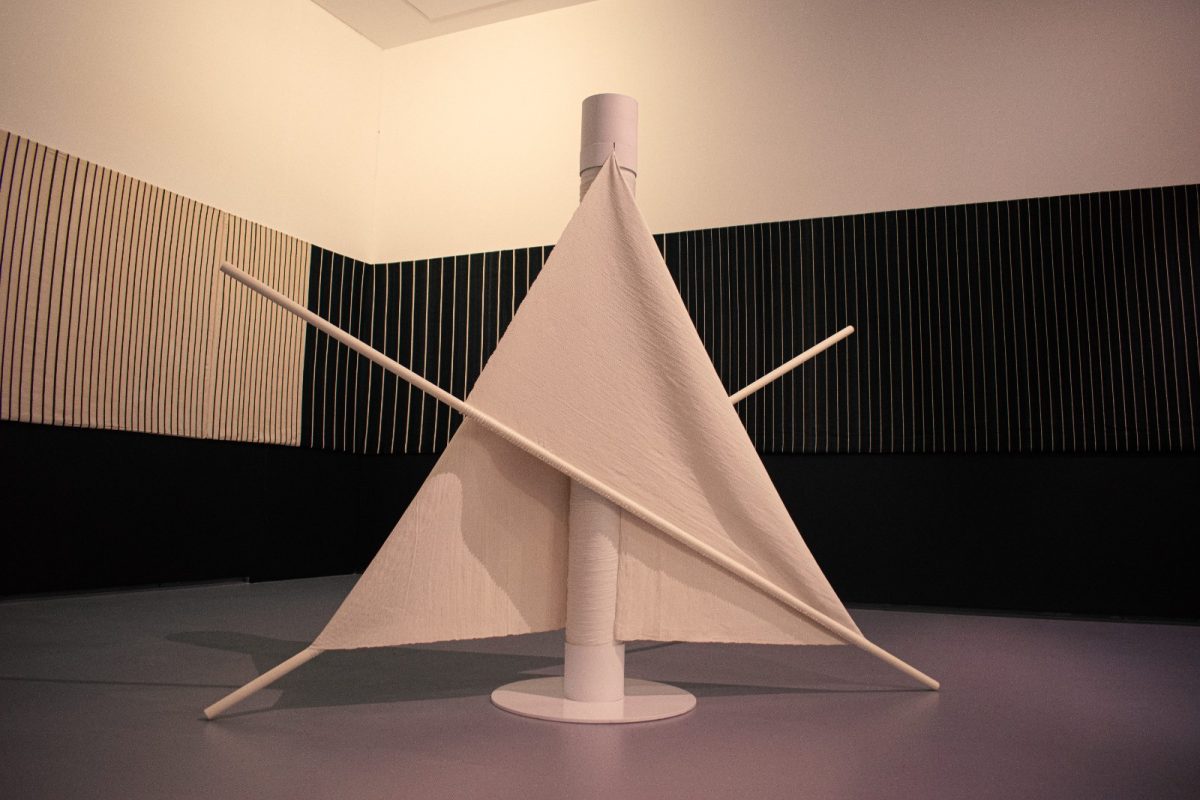
The exhibition has been curated by Jaime Cerón and Elías Doria, who present an interpretation of Gómez Campuzano's work through the connections between architecture, materiality, and perception. The exhibition thus reveals the coherence of an artistic practice that has found in fiber a territory for constant experimentation and a tool for thinking about space from new perspectives.
Among the assembled pieces, Sendero (Path) stands out. Created in 1976, it is considered the oldest work in the exhibition. Belonging to a private collection, it was made with cotton, acrylic fiber, and wood. Small in size and suspended on the wall, the piece establishes a unique dialogue with the painting, while also anticipating some of the concerns that would later permeate the artist's work.
More than a chronological review, Spatial Framework offers an approach to Álvaro Gómez Campuzano's career based on the transformations of his artistic language. His works demonstrate how a material traditionally associated with the domestic and artisanal can acquire a spatial, architectural, and sculptural dimension.


You may be
interested
...