
News
The Tour de France, a summer novel on wheels: Barcelona, the city that enters the album of myth
On July 4, Barcelona will kick off the 2026 Tour de France and will enter the visual imagination of a race that is, at the same time, sport, landscape and cultural heritage.
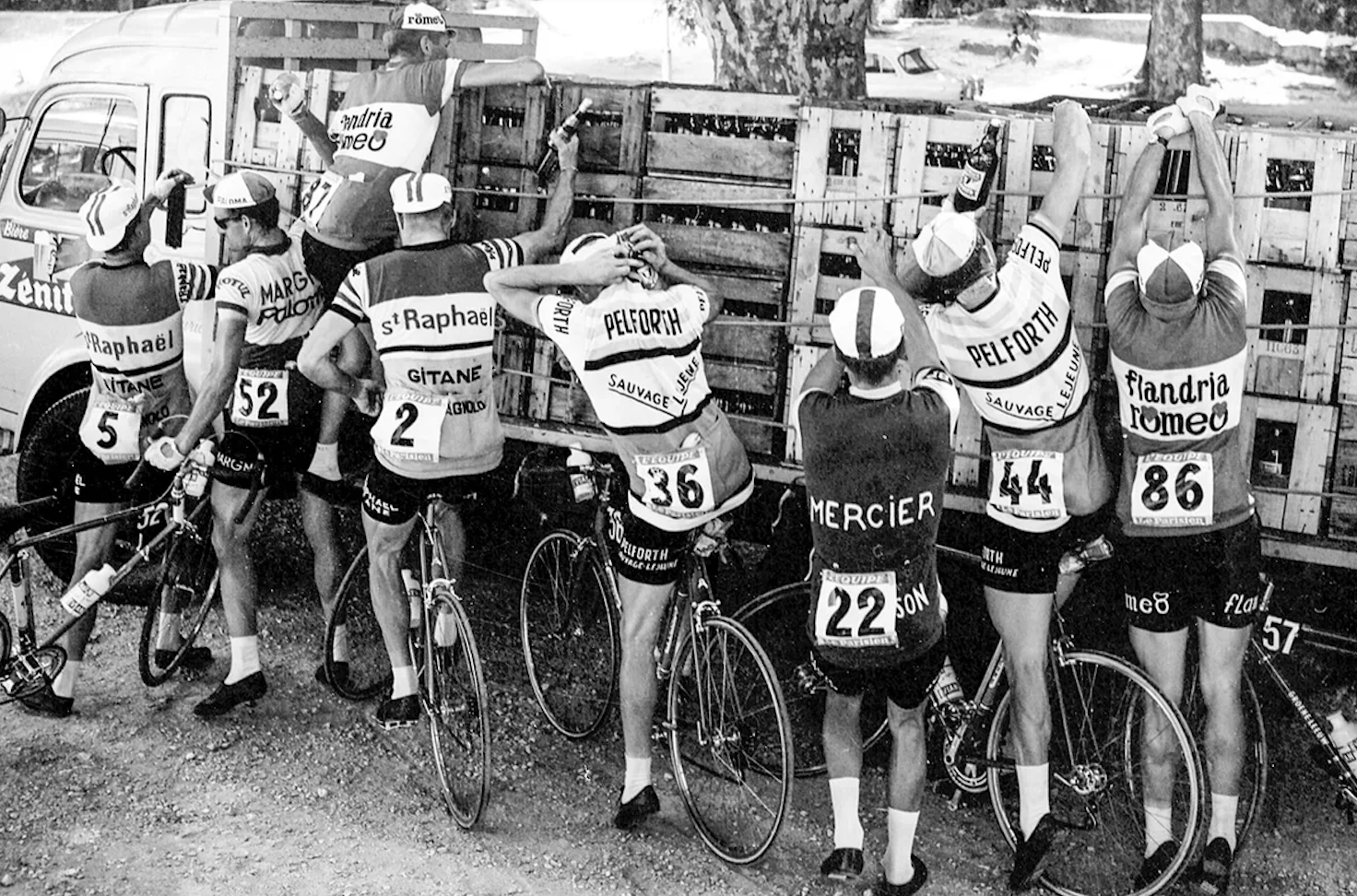
There are sporting events that, over the years, cease to be just sports. They become a story, a collective liturgy, a succession of images that end up forming part of Europe's visual memory. The Tour de France is one of these great cultural artifacts. More than a cycling race, it is a sentimental calendar of the summer, a three-week traveling tour of landscapes, exhausted bodies, decorated villages, mountain passes and crowds that await the fleeting passage of the rider as if waiting for an apparition.
That's why the Tour de France is coming to Barcelona to inaugurate its 2026 edition is not just sporting news. It is also a symbolic gesture: the city is entering, through the grand gate, one of the continent's great iconographic archives. The Barcelona Grand Départ —with the presentation of the teams in front of the Sagrada Família and the first stages between Barcelona, Tarragona and Granollers— not only puts Catalonia at the centre of the world cycling map; it also turns it, for a few days, into the stage for one of the most powerful visual narratives of popular modernity.
The Tour: much more than a competition
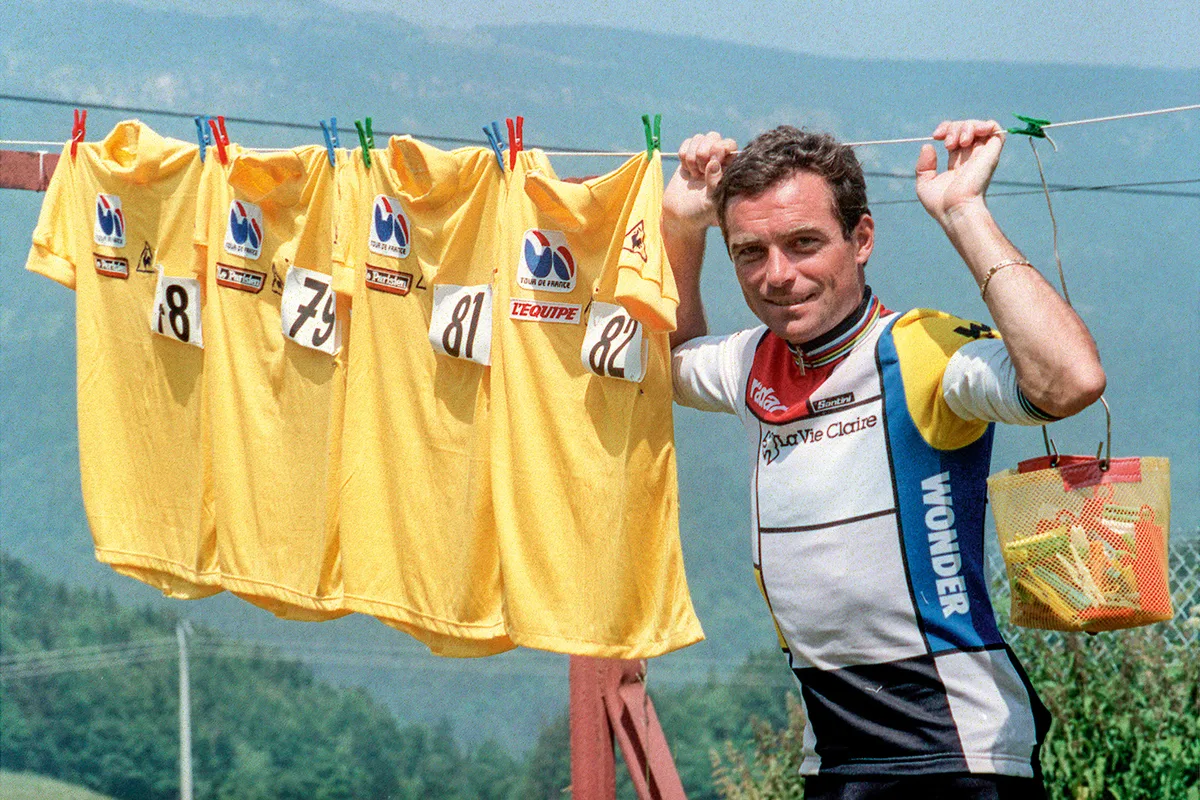
Since its first edition in 1903, the Tour de France has been a myth-making machine. It began as a journalistic operation—an idea from the newspaper L'Auto to boost sales—but it soon became a French national epic and then a global spectacle. Geography and politics, the entertainment industry and the religion of sacrifice, local folklore and global television coexist.
No other race has managed to turn the road into such a meaningful stage. The Tour is not just about who wins in Paris; it is also about the way it crosses territories, codifying them and turning them into a story. The Alps, the Pyrenees, Provence, the wheat fields, the secondary roads and the town squares are all part of the same sentimental scenery. The Tour has helped to imagine France, but also Europe, as a shared landscape: a geography seen through the lens of the camera, from the television helicopter and from the side of the road.
This is one of its great cultural singularities: the Tour doesn't just produce results and rankings; it produces images. And these images, year after year, end up sedimenting as collective memory.
Barcelona: a city made to be watched by the Tour
Barcelona understands this logic well because it is also a city that has learned to narrate itself through its images. The Tour arrives after a long tradition of major events that have become international highlights: the 1992 Games, the World Cup, the Copa América, the Volta a Catalunya and the Vuelta. But the 2026 Grand Départ has a particular texture: it is not just the arrival of an event, but the fit between two very powerful visual machines. On the one hand, the Tour, which turns any landscape into an icon. On the other, Barcelona, a city that has been working on its own urban photogenicity for decades.
The fit is almost natural. The Sagrada Família as the backdrop for the team presentation; Montjuïc as a sports arena and viewpoint over the city; the seafront, the wide avenues, the Olympic traces, the reliefs of the city between the sea and the mountains. Everything seems designed so that the Tour can display its language: the movement, the monumentality, the crowd, the contrast between heritage and speed. Barcelona does not host just one start; it offers a setting with historical, artistic and political density.
There is also a local dimension that gives depth to the event. The Tour's passage through Catalonia connects with a deeply rooted cycling culture: the memory of the Volta, the roads of Collserola and Maresme, the climbs to Montjuïc, cycling as a popular practice and as an imaginary of freedom, effort and landscape. Barcelona does not welcome the Tour as an imported extravaganza; it welcomes it as an illustrious visitor arriving in a city that has also spoken, for some time, the language of cycling.
The Tour as a photographic archive of the 20th and 21st centuries
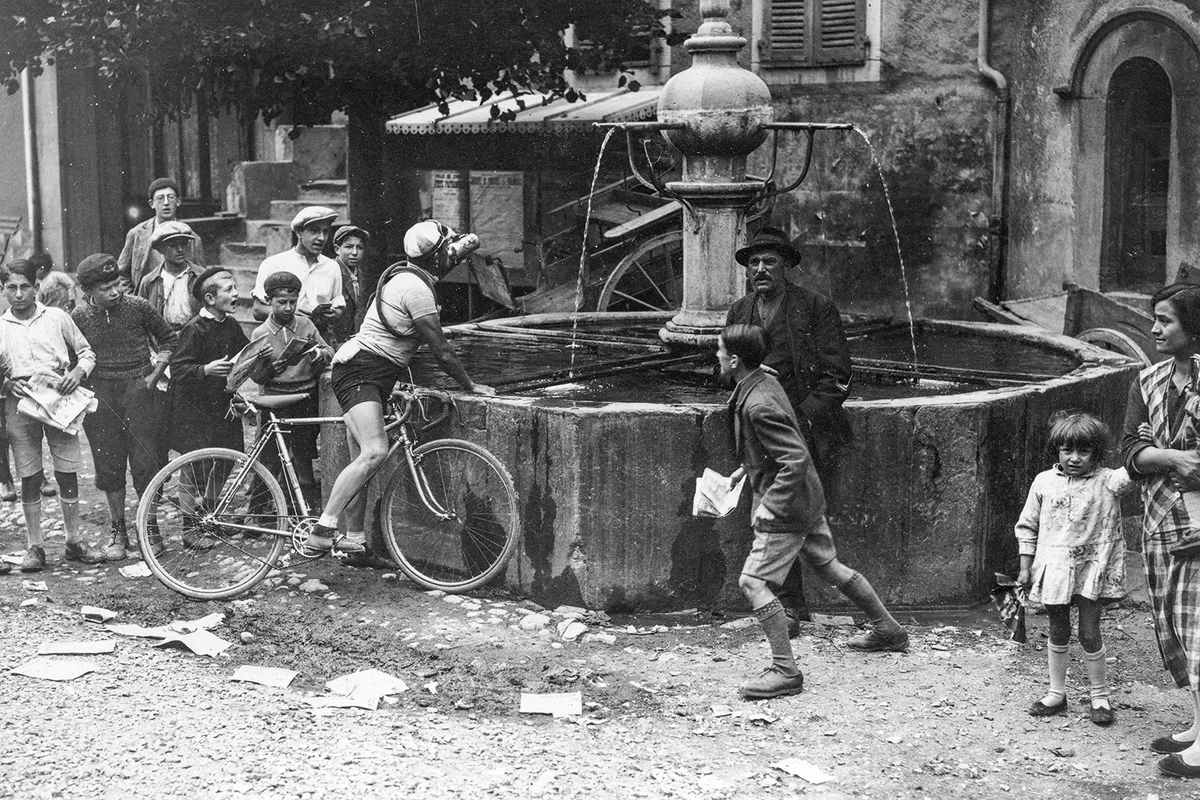
Talking about the Tour is also talking about photography. Few sporting events have been so well narrated by the camera. Cycling, by its very nature, is a gift for photographers: the gesture of effort, the solitude within the group, the open road, the clouds over the mountain, the sweat, the mud, the fog, the arms of the public almost touching the riders. The Tour is a race, yes, but also a succession of snapshots that tell the story of an era.
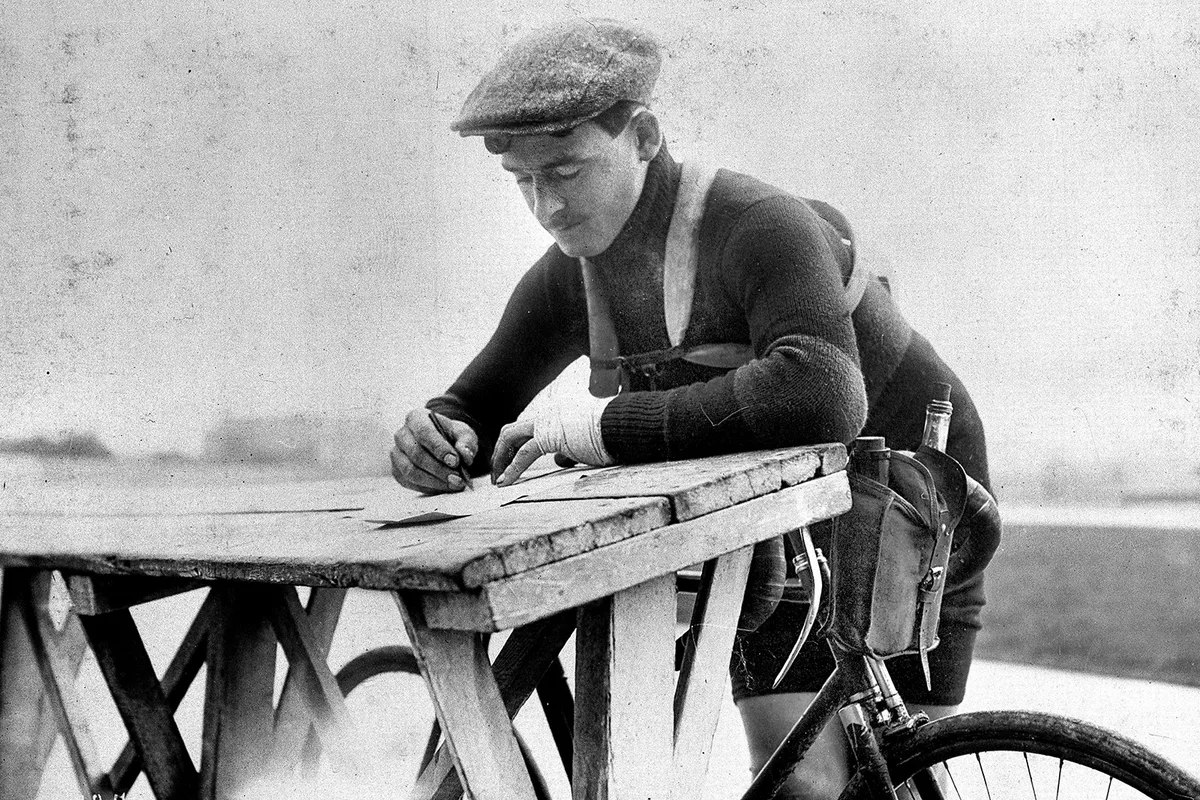
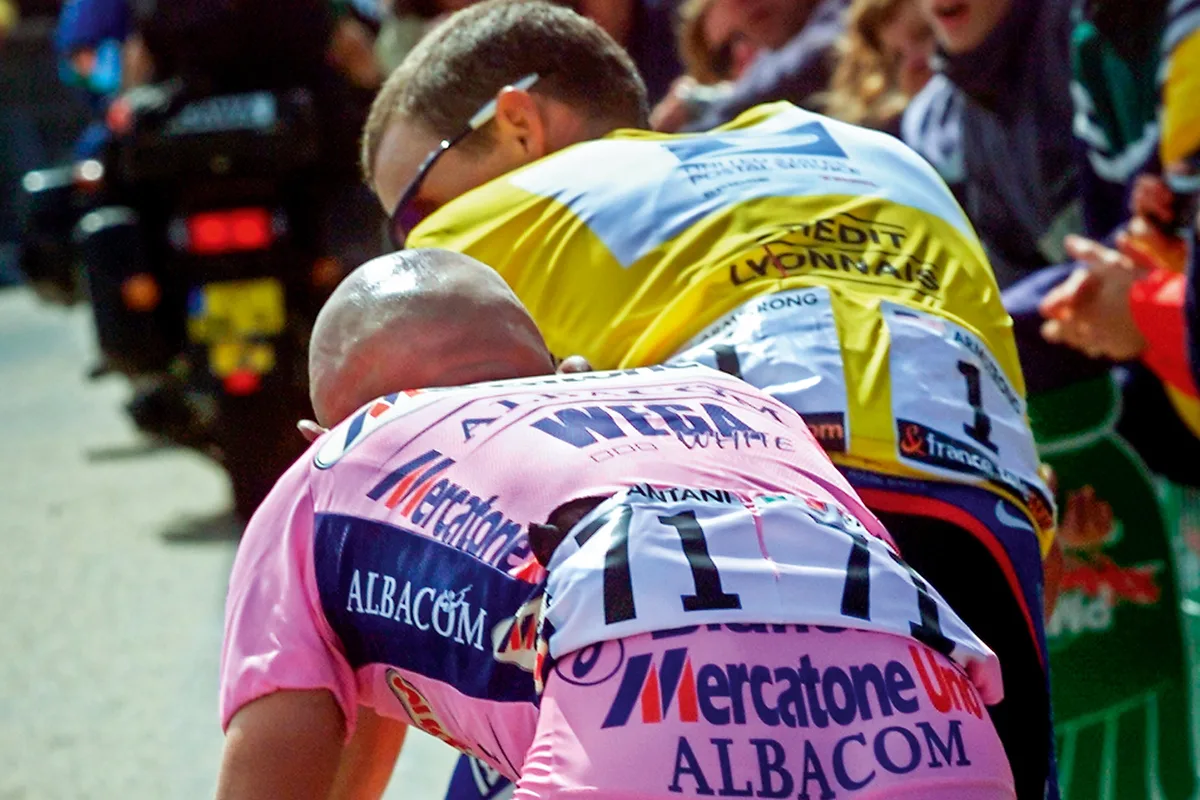
There are photos that have defined its myth: the muddy cyclists of the first decades, when the race was almost an adventure of survival; the duels between Fausto Coppi and Gino Bartali, with all the moral and political burden of post-war Italy; the shared bottle in the 1952 Tour, turned into an image of sportsmanship and legend; the slopes of the Ventoux with the riders turned into shadows against the white stone; Eddy Merckx dominating the landscape as if the Tour were an extension of his body; Bernard Hinault with his face distorted by pain; Greg LeMond and Laurent Fignon separated by eight seconds in 1989, one of the most dramatic photographs in the modern history of cycling; Marco Pantani dancing on the pedals, like an expressionist figure; Lance Armstrong, years later, turned into an example of how images can also age, crack and force us to reread the past.
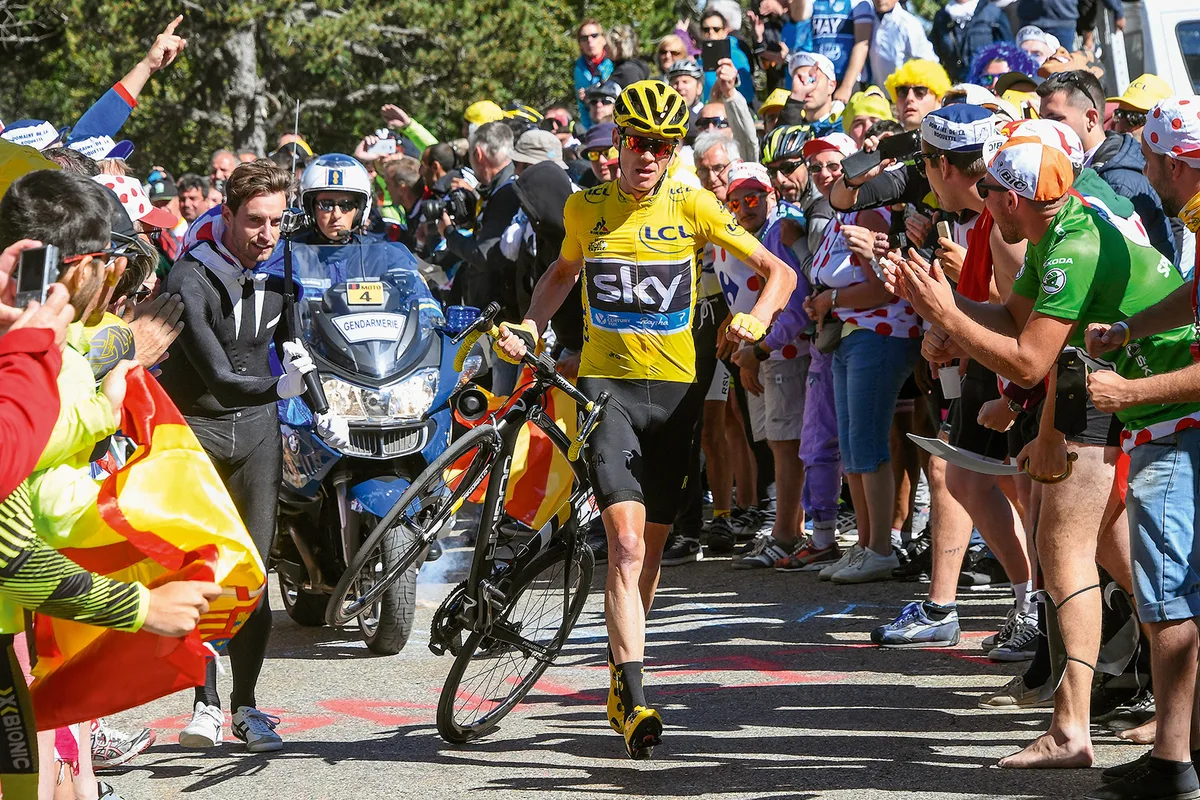
The Tour is this: a moving museum where photography not only illustrates the race, but also constructs it. We often remember an edition not because of the general classification, but because of a specific image: a broken runner on the sidelines, an attack in the fog, a child extending his hand, a village castle in the background, a bell tower, a cow, a bend full of flags. The history of the Tour is inseparable from the history of its representation.
The road as a cultural landscape
This is where the Tour definitively transcends the category of a sporting event. The race does something very contemporary and very ancient at the same time: it transforms the territory into a visual story. Each stage is a kind of live documentary film. The cameras not only follow the runners; they also explain a country, a region, an architecture, a way of life. The Tour is propaganda, it is a postcard, it is a spectacle, it is heritage, it is also a form of sentimental education for the spectator.
When it passes through Barcelona, this narrative capacity intensifies. Because the city is not a simple backdrop: it is an urban archive. Gaudí, Cerdà, the Olympic footprint, the port, the roundabouts, the up-and-coming neighborhoods of Montjuïc, the industrial and maritime memory. The Tour lands there with its French liturgy, but the city responds with its own visual density. The bicycle crosses a space where touristic monumentality and neighborhood everydayness coexist, architecture turned into a global brand and the popular memory of the city.
This is what makes this outing culturally relevant: it's not just that Barcelona "appears on TV". It's that it becomes part of a chain of images that, for more than a century, have defined what it means to see Europe in motion. The Tour has always been a great producer of landscape; now it will also produce a new chapter of the Barcelona landscape.
The images that Barcelona can leave behind
Each Grand Départ leaves its own iconography. Sometimes it is a bridge, a square, a crowd, an untimely rain or an unrepeatable light. In the case of Barcelona, there are some images that are already intuited before the race even starts: the teams parading in front of the Sagrada Família; the rider meandering between the blue of the Mediterranean and the stone of the city; the ramps of Montjuïc converted into a popular amphitheater; the flags, the T-shirts, the mobile phones raised like small cameras of a collective archive in real time; the two Catalan cyclists experiencing the Tour from home, between intimate emotion and global projection.
And then there is the most important image of all, the one that does not appear in a single photograph but runs through everything: the city transformed into a shared stage. The Tour has this ancient virtue —and today more valuable than ever—of making public space a place of collective experience again. For a few hours, the roads cease to be just traffic routes and are transformed into stands, into squares, into meeting places. The city looks at itself while being looked at by the world.


You may be
interested
...