News
The Met and the Neue Galerie: a historic alliance to preserve the art of modern Vienna
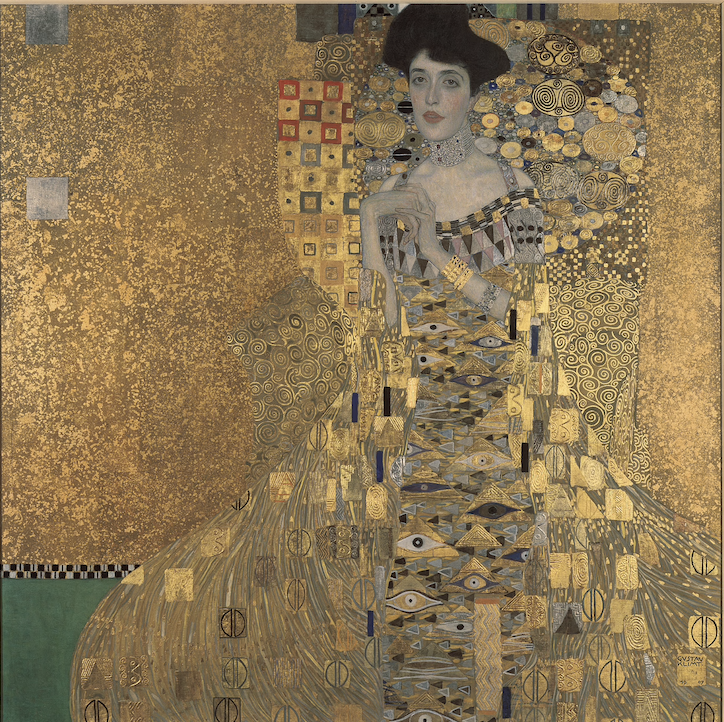
New York will be the stage for one of the most significant cultural movements of recent years. The Metropolitan Museum of Art, known worldwide as The Metropolitan Museum of Art, announced its integration with the Neue Galerie New York, the prestigious museum dedicated to early 20th-century German and Austrian art and design. The official merger will take place in 2028 and will mark a new chapter for both institutions.
The agreement will allow the Met to incorporate the historic Beaux-Arts mansion that currently houses the Neue Galerie, located just steps from Fifth Avenue. The building will retain its identity and will be renamed the Met Ronald S. Lauder Neue Galerie—or simply Met Neue Galerie—maintaining the essence that made the museum an international landmark for Central European modernism.
The news comes at a symbolic moment: the Neue Galerie is preparing to celebrate its 25th anniversary while undergoing a planned architectural renovation between May and August 2026. During that period, the museum will continue to operate normally, with its regular staff, its permanent collection open to the public, and the iconic Café Sabarsky as one of Manhattan's major cultural attractions.
Founded by businessman and collector Ronald S. Lauder, the Neue Galerie houses some of the most celebrated works of Austrian and German art. These include Gustav Klimt's iconic Portrait of Adele Bloch-Bauer I , along with key pieces by Egon Schiele, Oskar Kokoschka, Ernst Ludwig Kirchner, Max Beckmann, Gabriele Münter, and Josef Hoffmann, among other essential figures of the European avant-garde.
Beyond the institutional aspect, the operation reflects a long-term cultural vision. The Met will contribute research resources, academic programs, digital initiatives, and new international outreach platforms, expanding the reach of a collection that until now operated on a more intimate and specialized scale.
In a statement released alongside the announcement, Ronald S. Lauder described the merger as the best way to ensure the continuity of the Neue Galerie's spirit. The collector particularly emphasized the leadership of Max Hollein, the Met's current director, whom he described as a committed advocate for cultural memory and the collection's historical value.
For a quarter of a century, the Neue Galerie succeeded in creating a unique museum experience: an immersion into fin-de-siècle Vienna and Weimar Germany through art, architecture, design, and European intellectual life. Its future integration with the Met is not intended to erase that identity, but rather to strengthen it and project it to new generations of visitors.

You may be
interested
...