Exhibitions
The look of the Transition in key Ouka Leele
Between 1978 and 1980: photography, color and countercultural imagery in Barcelona.
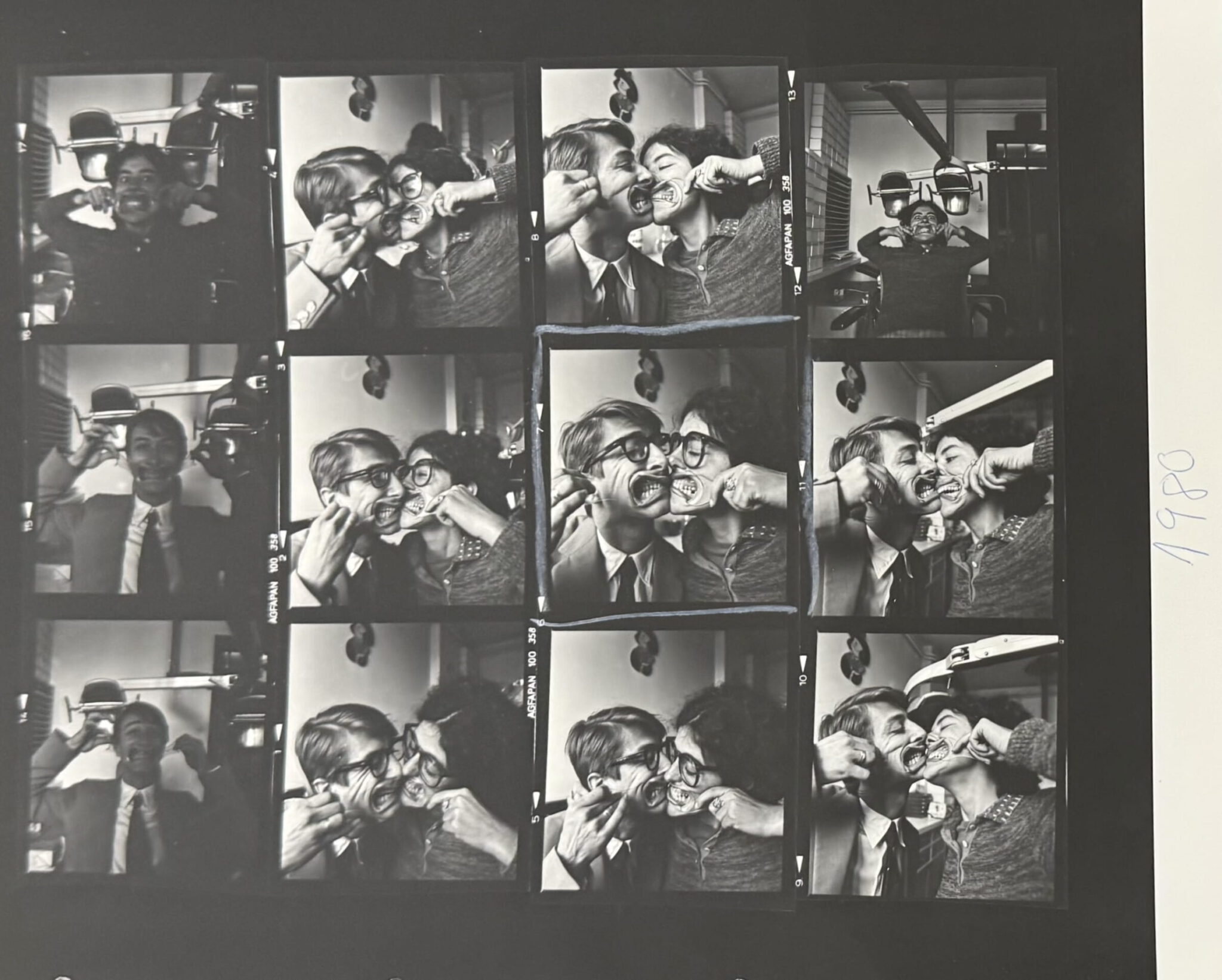
The perspective is set between 1978 and 1980, in the midst of the Spanish Transition, a moment of profound cultural transformation that the RocioSantaCruz gallery recovers through the work of Bárbara Allende Gil de Biedma, artistically known as Ouka Leele. This initial period allows us to observe the configuration of a visual language of her own that, over time, will become fundamental to understanding her contribution to contemporary photography.
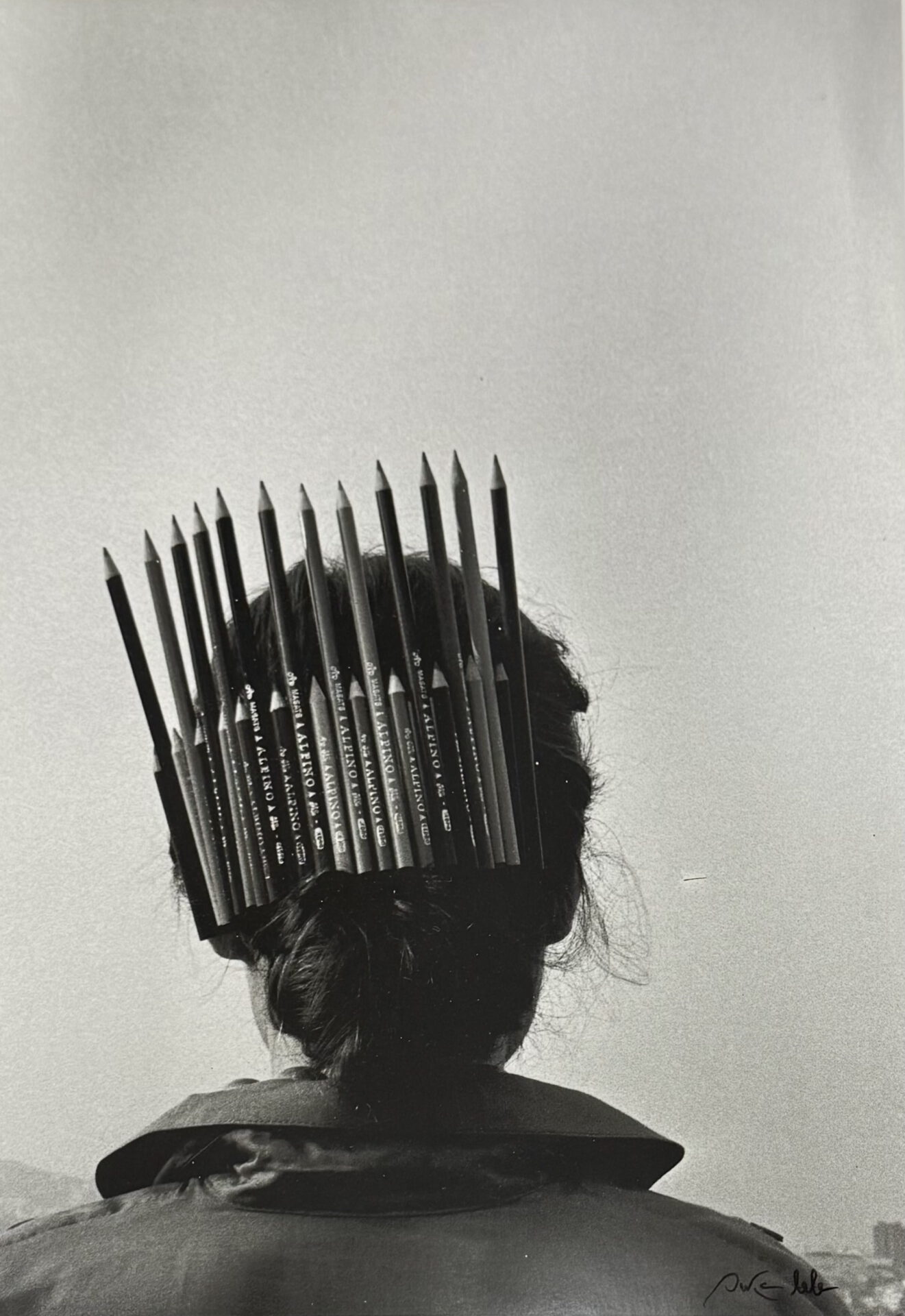
At the end of the seventies, his practice was part of a context of cultural effervescence in which the image progressively abandoned the documentary record to approach hybrid territories, between painting, performance and the dream universe. In this formative stage, a clear desire for scenic construction of the image is already recognized, with a use of color often applied manually that challenges the supposed photographic objectivity. His compositions articulate an intense theatricality, a suggestive symbolic charge and a deliberately artisanal aesthetic, in tune with the countercultural culture of the moment.
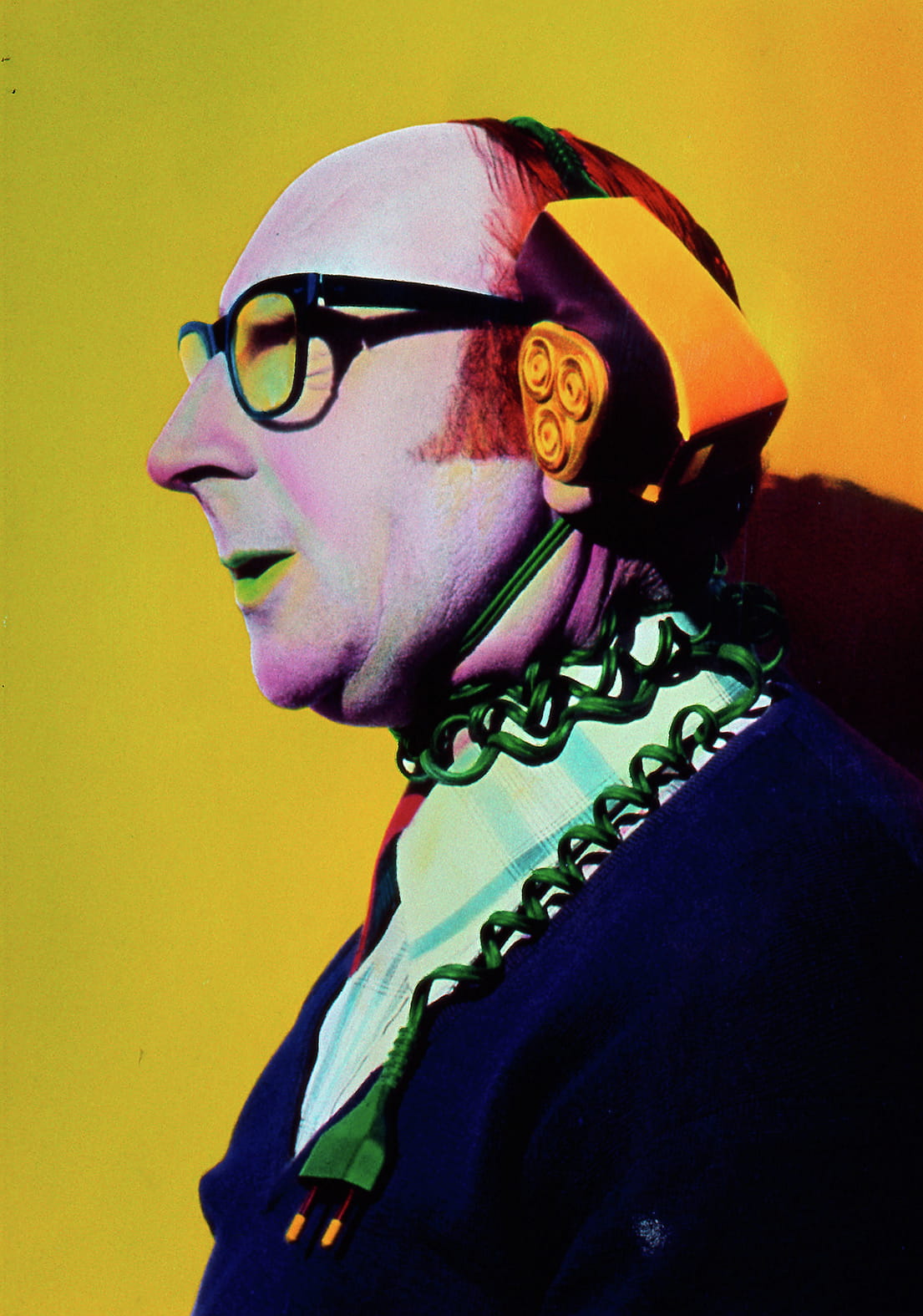
This language, still in gestation, anticipates the foundations of the future Movida Madrid, in which Ouka Leele will consolidate himself as one of the most unique and recognizable figures.
The RocioSantaCruz Gallery's exhibition project takes this stage and its relevance in the artist's career as its starting point. It has the involvement of María Rosenfeldt, the artist's daughter and head of the Ouka Leele archive, which has allowed for the first time to gather and present a set of photographs from the Peluquería series, as well as other works made during her stay in Barcelona.
The research is based on the study of more than 600 negatives and contact sheets from the period, many of them unpublished, to which are added unpublished texts and poems by the artist from the archive of the magazine Ajoblanco . The project thus highlights an often lesser-known but essential stage in the configuration of his visual universe.
The works presented reflect the fundamental features of his language: the expressive use of color, the symbolic charge of the images and the constant fusion between photography and painting, always in dialogue with the cultural energy of the Barcelona of the Transition.

You may be
interested
...