Exhibitions
Uruguay turns fragility into art at the Venice Biennale with Antifragile
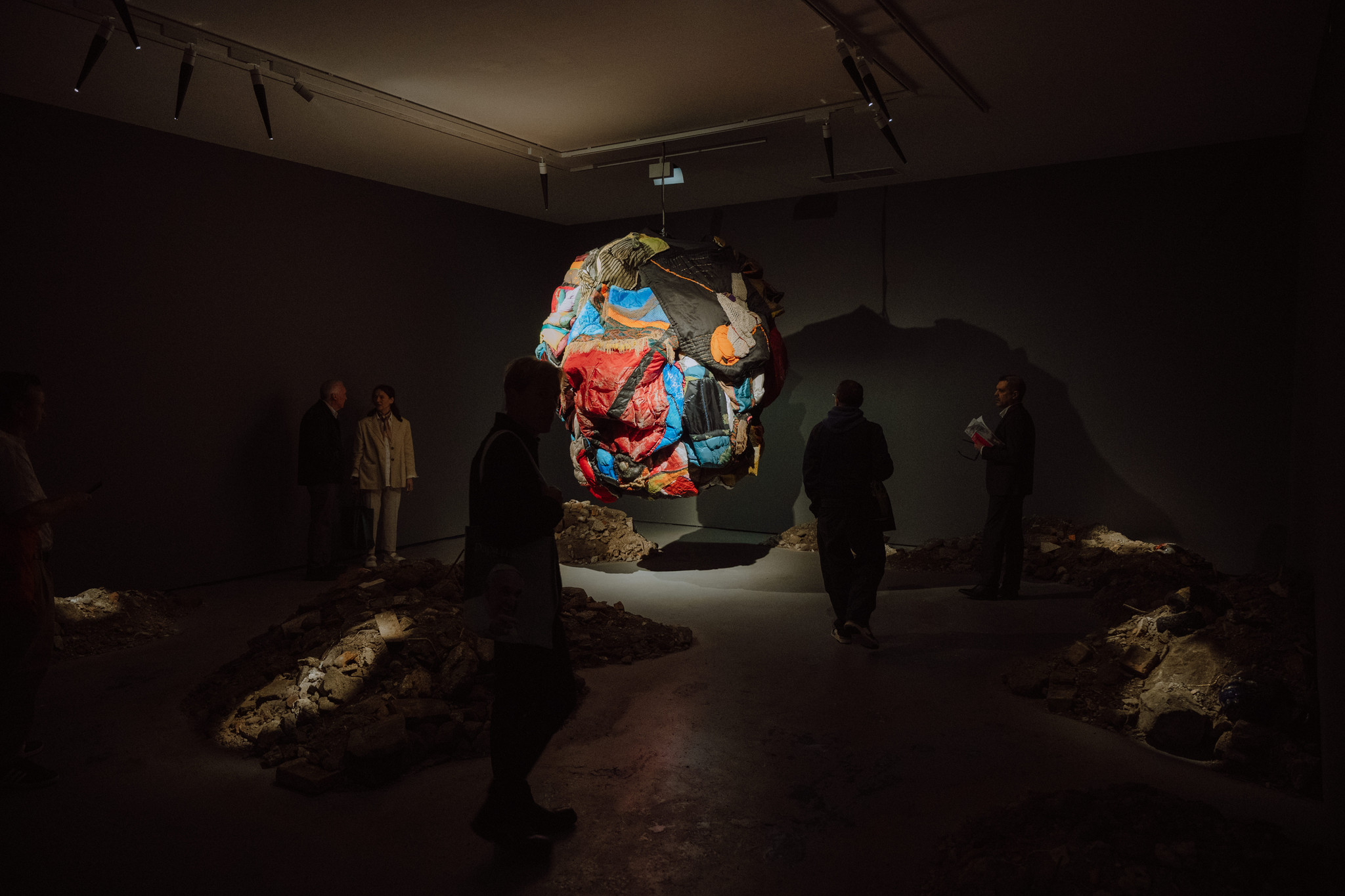
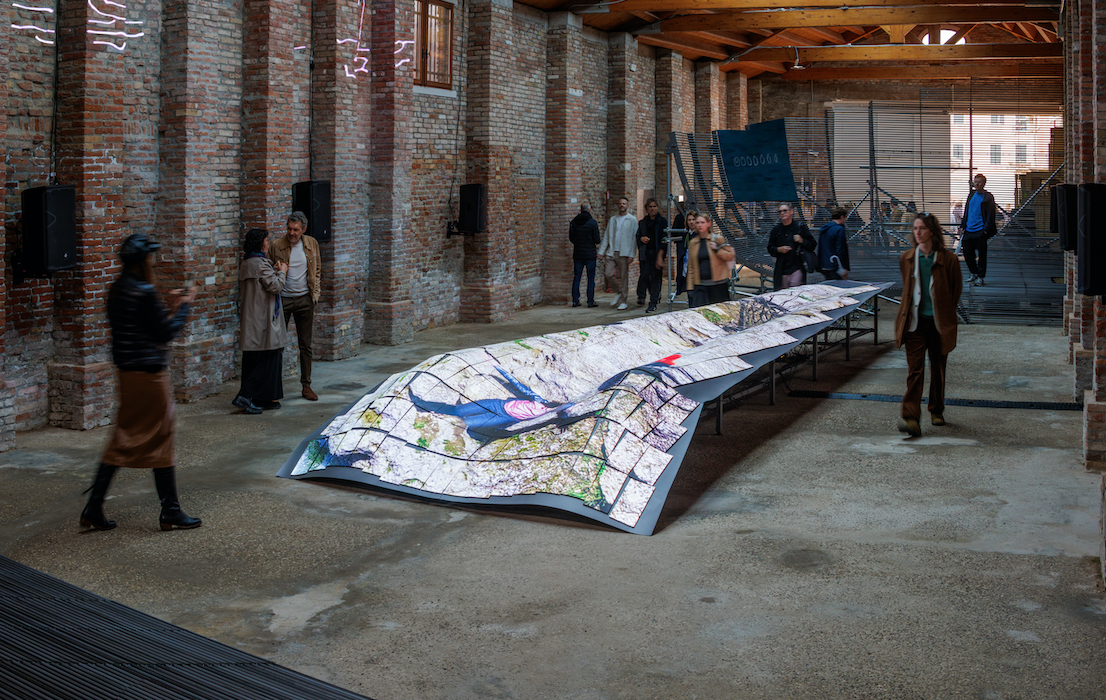
Uruguay once again took center stage on the international art scene with the inauguration of its official participation in the 61st Venice Biennale, one of the most influential platforms for contemporary art worldwide. The country presented ANTIFRÁGIL , an installation by Uruguayan artist Margaret Whyte, curated by Patricia Bentancur, in Uruguay's historic permanent pavilion in the Giardini of Venice, a privilege reserved for very few Latin American countries.
The exhibition, open to the public from May 9 to November 22, offers a profound reflection on transformation, vulnerability, and the capacity for reconstruction in the face of uncertainty. Inspired by the concept of "antifragility," developed by essayist and mathematician Nassim Nicholas Taleb, the work explores how certain systems not only withstand chaos but are strengthened by it.
In ANTIFRÁGIL , Whyte constructs a material universe composed of textiles, obsolete machinery, motorcycle helmets, and technological waste. Through assemblages marked by wear and tear and tension, the artist transforms remnants and fragments into poetic devices laden with memory. Her work, shaped by decades of research into matter and its traces, establishes a direct dialogue with social, political, and gender issues from a profoundly contemporary sensibility.
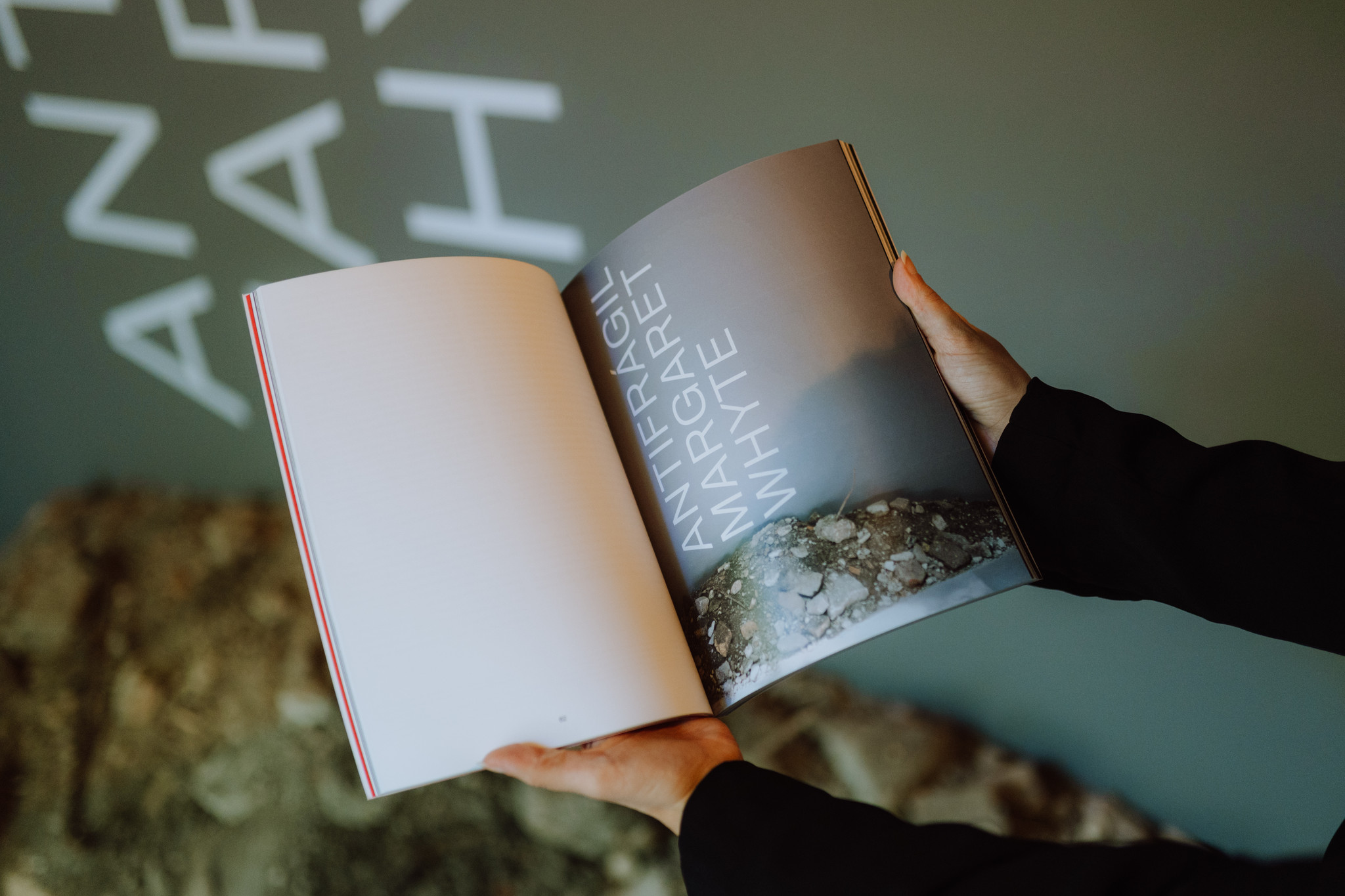
Photo: Ministry of Education and Culture.
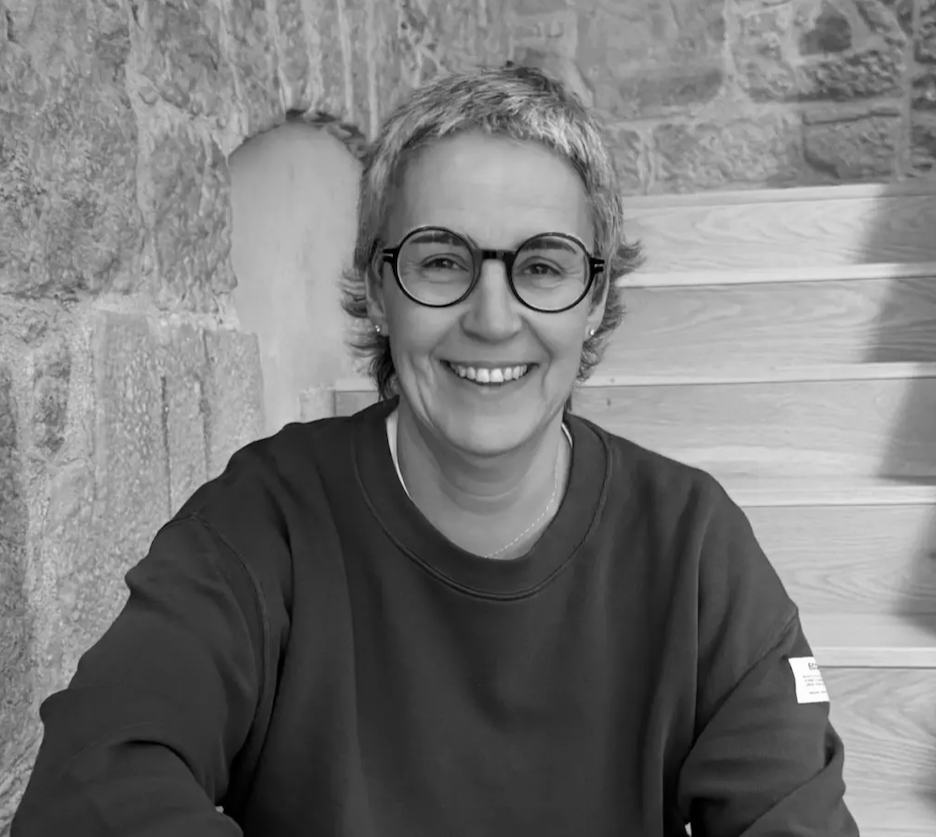
Curator Patricia Bentancur described Whyte as “a true pioneer of art” and emphasized the importance of revisiting historical narratives from a more inclusive perspective. She also underscored the enduring relevance of an artist who, at 90 years old, maintains an active, experimental, and constantly evolving artistic practice.
Far from theorizing about the exhibition during the opening, Margaret Whyte chose to talk about what she considers urgent in the present: the need to recover silence, listening and empathy in times of hyperconnectivity and constant acceleration.
“We are all running around everywhere. We are all becoming automatons. We need to strike a balance between the self and silence. To find ourselves and others,” the artist expressed to the audience gathered in Venice.
Uruguay has been part of the Venice Biennale since 1960 and has maintained uninterrupted participation since the return to democracy in 1985. Its permanent pavilion in the Giardini —one of only three stable Latin American spaces within the historic grounds of the Biennale— represents a strategic platform for Uruguayan visual arts and a symbol of cultural continuity on the global stage.

You may be
interested
...