Exhibitions
Zurbarán moves the audience at the National Gallery
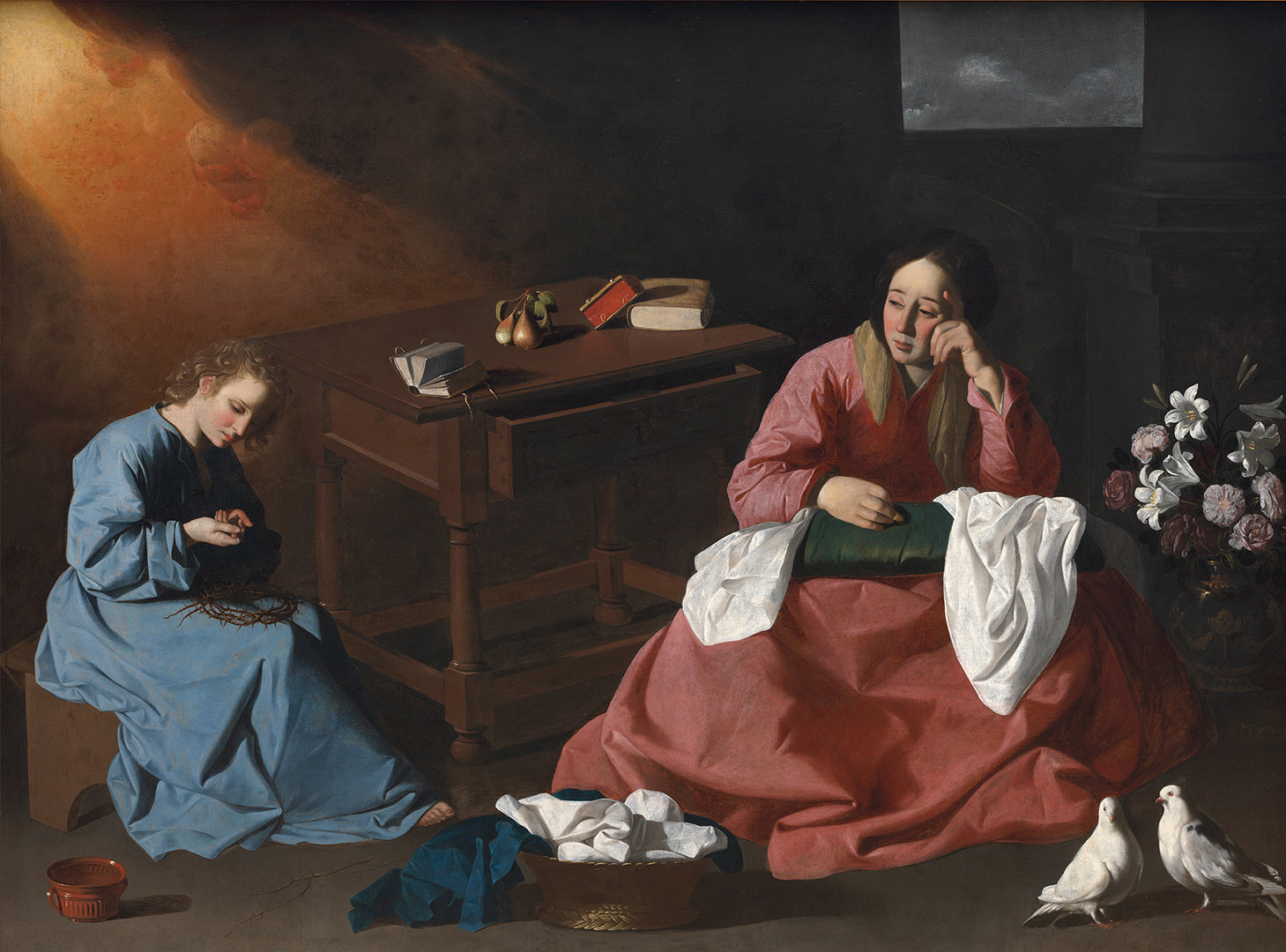
The National Gallery is hosting the first major solo exhibition in the UK dedicated to Francisco de Zurbarán. Organized in collaboration with the Louvre and the Art Institute of Chicago, the exhibition brings together around fifty paintings—many from the Prado Museum—and traces the artist's career from his early religious commissions to works intended for private devotion.
Rather than presenting Zurbarán as exclusively a Counter-Reformation painter, the exhibition emphasizes the unique visual character of his paintings. Originally conceived for religious contexts, these works combine precise naturalism with an almost visionary dimension, in which the supernatural is treated with a tangible intimacy. This tension between the real and the unreal, between the mystical and the earthly, is precisely the central theme of the exhibition.
The itinerary includes large compositions for religious orders, such as The Crucifixion (1627), and a small but significant group of still lifes, such as Sweets on a Silver Vase (1630-1632). In both groups, the artist's attention to materials and textures is evident. It is this intensity that reinforces the physical presence of the figures.
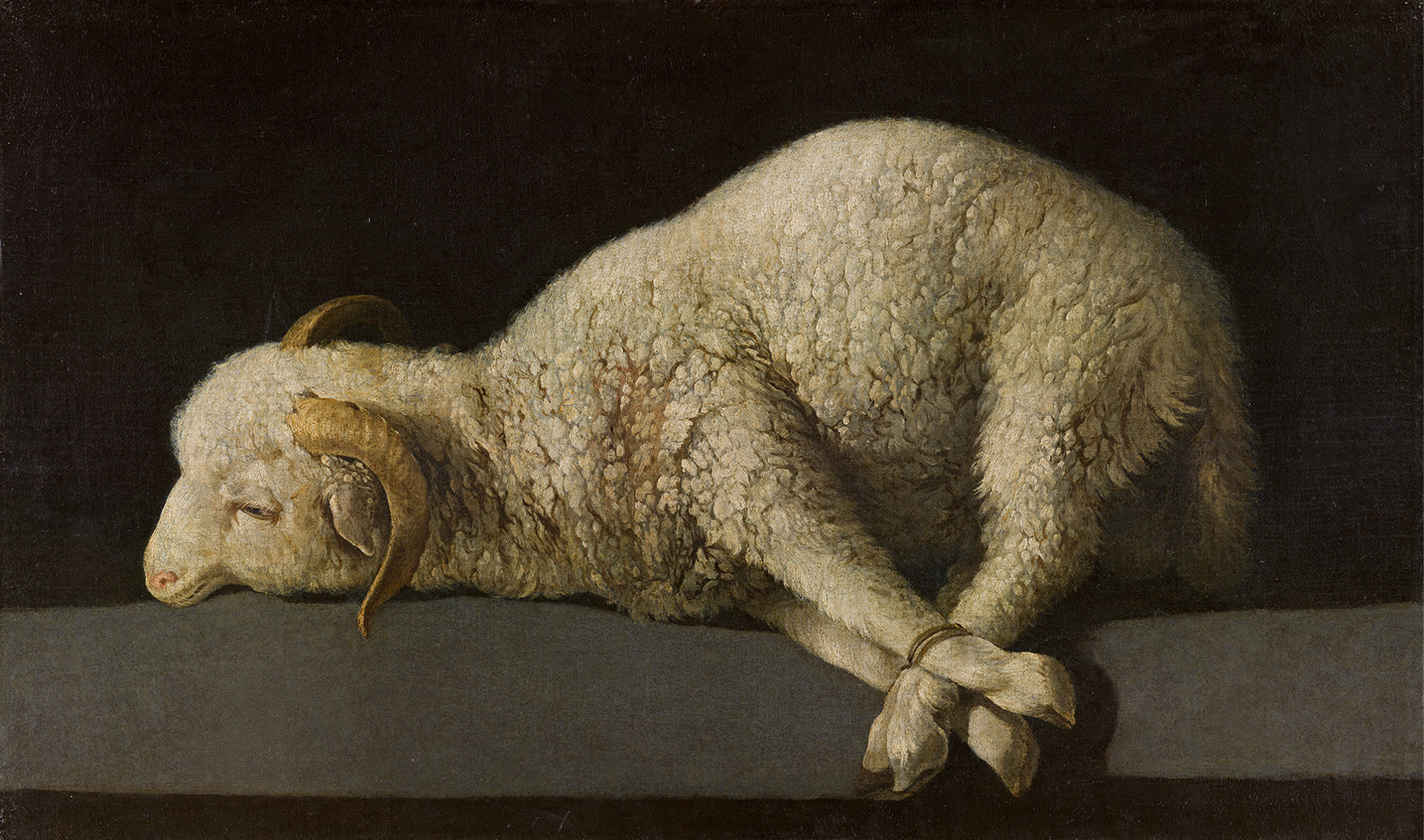
Francisco de Zurbarán, 'Agnus Dei' about 1635–40, Zurbarán paints the lamb's fleece with impressive realism using small, delicate touches of his brush. Strong light heightens the painting's illusionism. Image: Museo Nacional del Prado, Madrid © Photographic Archive Museo Nacional del Prado.
Among the outstanding works are recurring themes in his production, such as the various images of crucified Christs or the Agnus Dei , in which one can appreciate how Zurbarán transforms a simple motif into an image full of depth.
Overall, the exhibition underscores a clear idea: Zurbarán's painting is not limited to its religious function. His ability to isolate figures, freeze action, and reduce narrative elements generates images of great intensity that can still be interpreted through a contemporary sensibility. The exhibition does not seek spectacle; on the contrary, it aims for a slow, contemplative experience, in which the power of the works asserts itself without artifice.

You may be
interested
...