Opinion
Time standing still: Warhol facing the myth of the Empire State
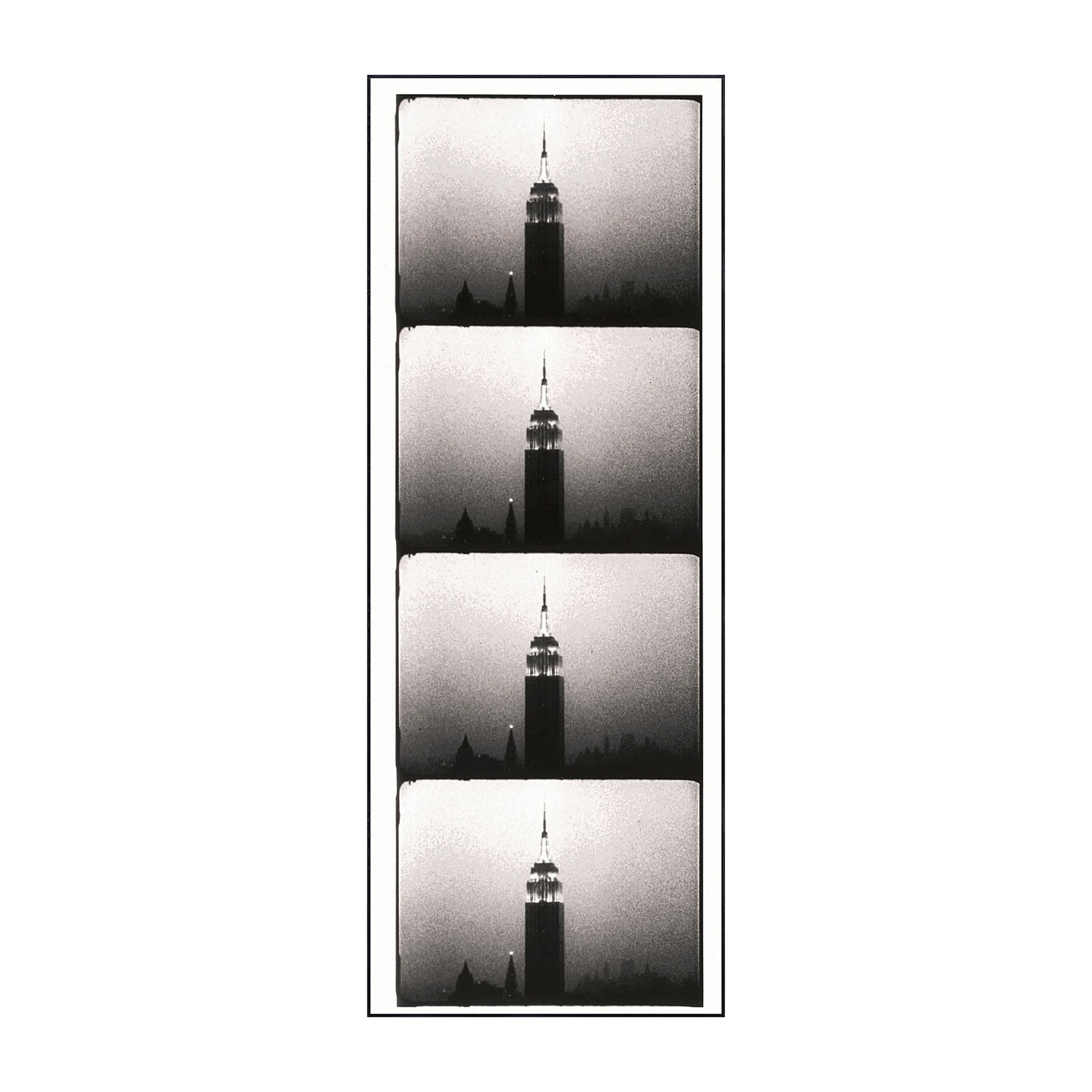
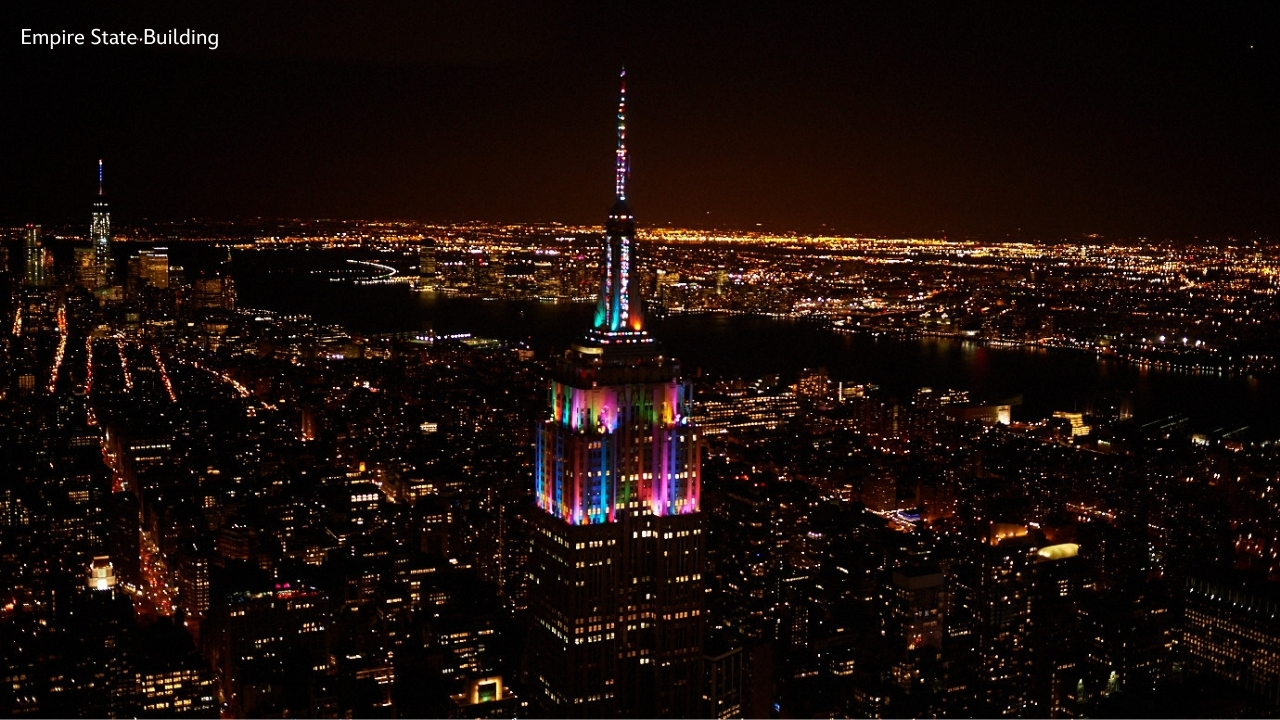
The recent anniversary of the Empire State Building—95 years of an icon that continues to define the New York skyline—invites us to do more than celebrate its architectural longevity. It compels us to reconsider its place in contemporary visual culture, where images are not only contemplated but also consumed, accelerated, and forgotten. In this context, the connection to Andy Warhol's film Empire (1964) is not accidental: it is revelatory.
The skyscraper, completed in just 410 days, was conceived as a symbol of progress, efficiency, and ambition. Today, according to its current management, it remains “the most famous building in the world,” adapted to 21st-century sustainability and technology standards. But there is another way to understand its grandeur, less tied to height and more to time: the one proposed by Warhol.
In Empire , Warhol does something radically simple and, therefore, profoundly unsettling: he fixes the camera on the building for more than eight hours, without cuts, without narrative, without concessions. In contrast to the logic of Hollywood—based on editing, selection, and pacing—the artist proposes the opposite: an accumulation of real time, an experience that resists being “consumed.”
Warhol explained it bluntly: he wasn't interested in choosing moments, but in showing them all. His films, like his paintings, question the hierarchy of what's important. Why should one moment be more significant than another? Why do we need someone to edit reality for us?
What's fascinating is that the object of that gaze—the Empire State Building—was already an icon saturated with meaning. Visible from miles away, reproduced in millions of photographs, transformed into a backdrop for fictions and fantasies, the building seemed to have seen it all. And yet, in Warhol's hands, it becomes something different: an object of almost meditative contemplation.
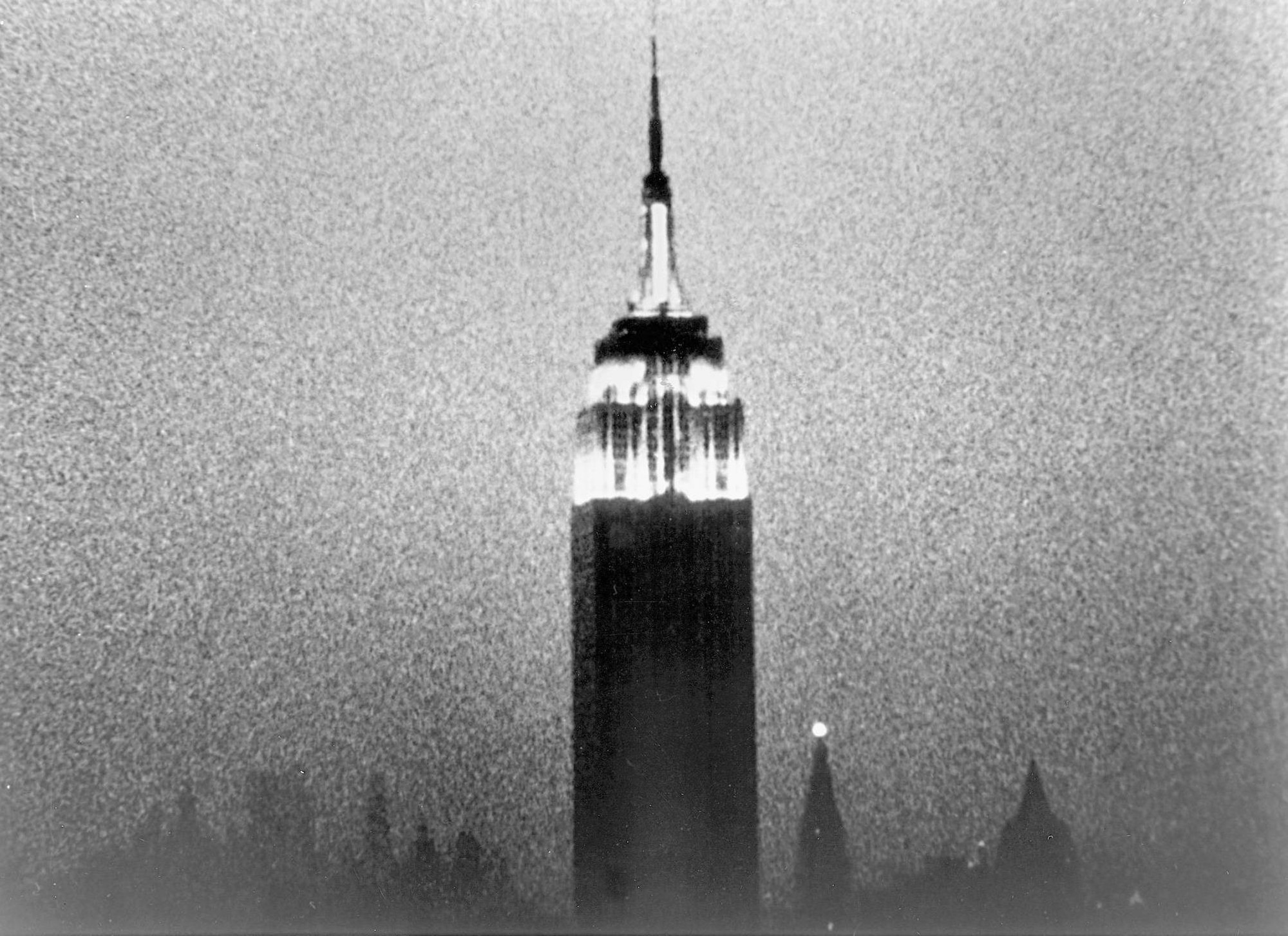
From the 41st floor of the Time-Life Building, across Manhattan, Warhol films the building not as a symbol of power, but as a presence. The light changes, night falls, the windows light up. Nothing “happens,” and yet everything does. The film forces the viewer to confront their own impatience, their need for constant stimulation.
Today, in an era dominated by short videos and fragmented narratives, Empire feels almost subversive. It reminds us that looking can also be an act of resistance. That pausing, observing, and inhabiting time is, perhaps, a way of reclaiming something essential.
That America's most famous building engages in dialogue with one of the 20th century's most influential artists is not only appropriate, it's essential. Because both—the skyscraper and the film—share something fundamental: they are monuments to time. One defies it through its verticality; the other expands it until it becomes almost tangible.


You may be
interested
...