Exhibitions
Light, fire, and ash
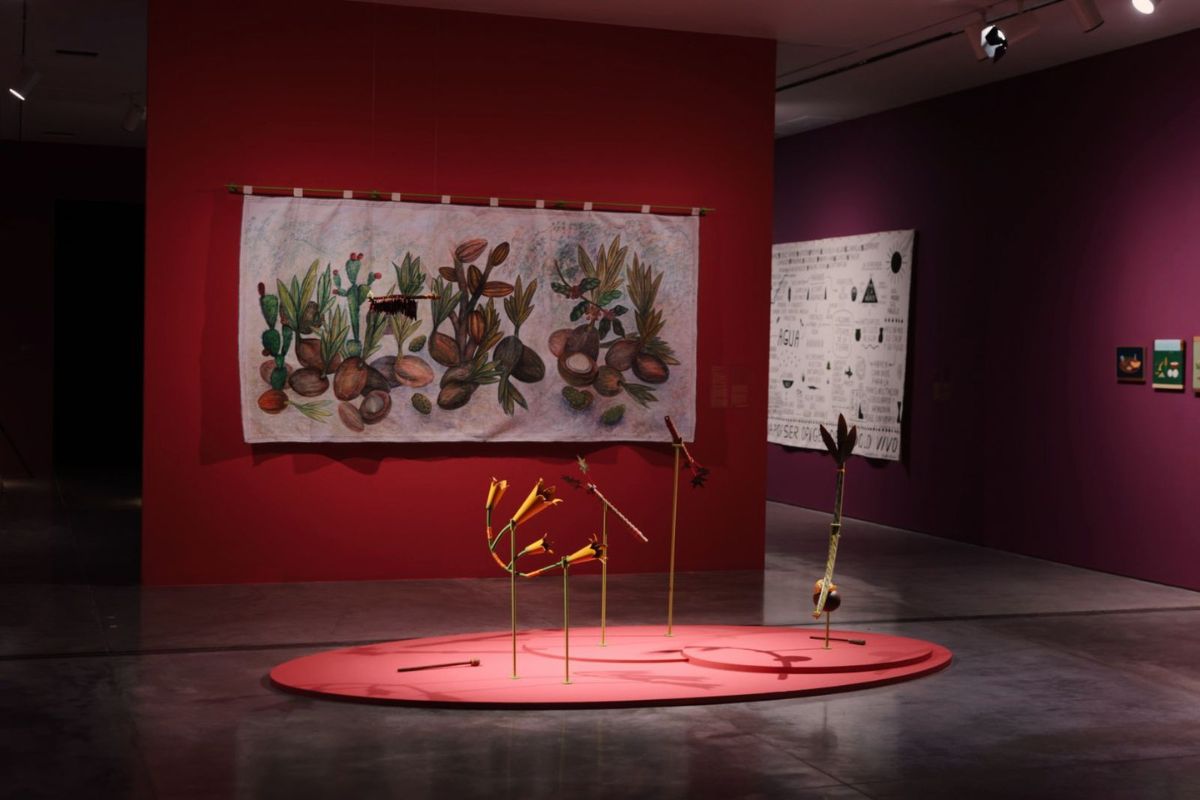
The exhibition "Light, Fire, and Ash ," curated by Ana Ruiz Valencia, proposes an expanded interpretation of food as a phenomenon that transcends the culinary to become a structural axis of life. Starting from the idea of the sun as the primordial food—light that activates life, fire that sustains it, and ash that regenerates it—the project articulates a reflection on the multiple dimensions that permeate our ways of nourishing ourselves and being nourished.
The exhibition understands food not only as a substance, but as a network of spiritual, ecological, territorial, cultural, and political relationships. Within this framework, eating and cooking are revealed as deeply situated acts, shaped by memories, displacements, and forms of collective resistance.
From a biological perspective, sunlight appears as the initial driving force of life, fueling photosynthesis and, consequently, the entire food chain. But the exhibition expands this interpretation to the symbolic: light also illuminates the emotional and cultural connections we build around ingredients, recipes, and everyday eating practices.
One of the project's central themes is the relationship between migration and food, understood in both its voluntary and forced dimensions. Human displacement, along with territorial uprooting, shapes new forms of cooking, exchange, and adaptation. In turn, the project highlights the interspecies collaborations that make food production possible, underscoring the interdependence between human bodies, plants, seeds, soils, and ecosystems.
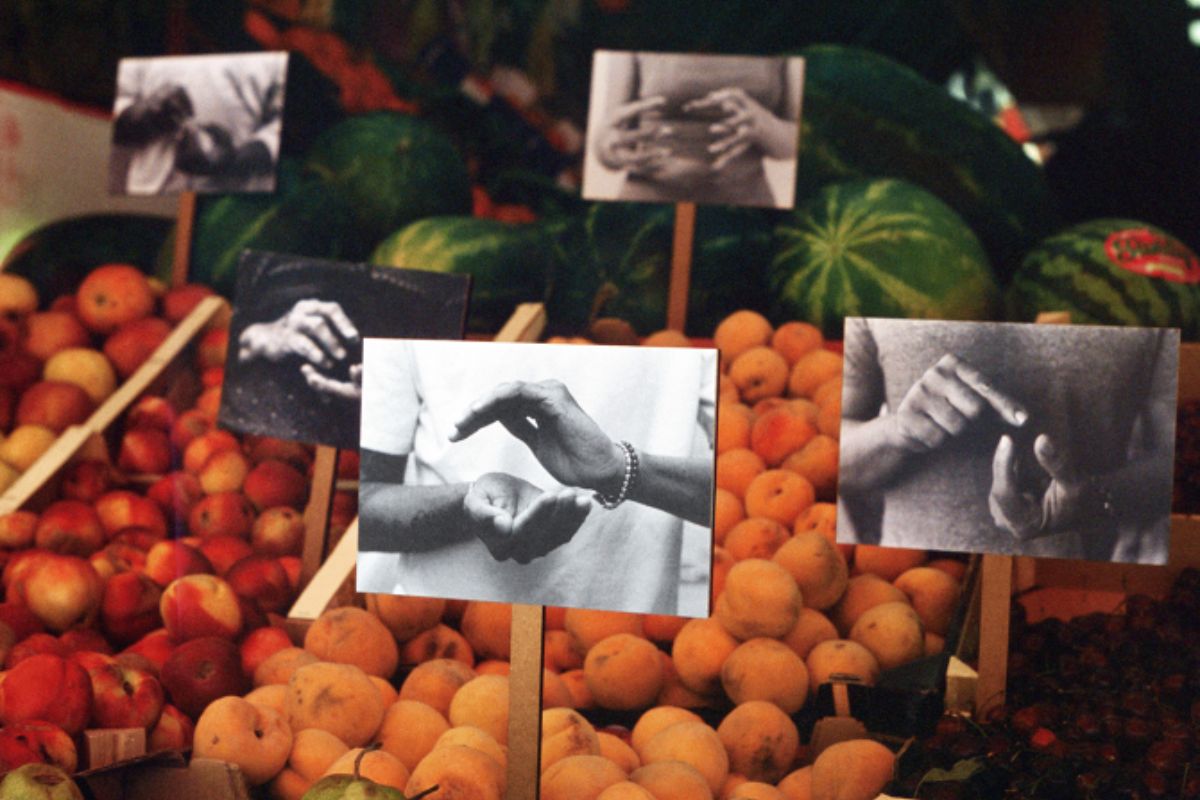
The exhibition unfolds in two complementary dimensions: an exhibition space in galleries B and C, and a dynamic program of public events. The latter includes performances, activities both inside and outside the museum, and the participation of local stakeholders such as farmers' markets, seed guardians, urban gardens, and traditional cooks. These collaborations aim to expand the museum space into a territory of shared learning, knowledge exchange, and community strengthening.
In this context, nutrition is understood as an expanded practice that connects economies, bodies, territories, and collective memories. Food thus becomes a tool for world-making, where the everyday acquires a political and poetic dimension.
The exhibition brings together works and proposals from Alejandro Ramírez Restrepo, Anca Benera & Arnold Estefan, Carlos Alfonso, Carolina Caycedo, Christian Salablanca, Claudia Claremi, Ernesto Restrepo Morillo, Fabio Melecio Palacios, Jorge Julián Aristizábal, Las Nietas de Nonó, Manuel Correa and Marina Otero, María Buenaventura, Maritza Sánchez, Miguel Ángel Cárdenas, Sofía Olascoaga, Tatyana Zambrano, Vivien Sansour and Yuliana Bustamante Sosa.
Taken together, “Light, Fire and Ash” poses an open question: what worlds are produced when we understand food not as a resource, but as a living relationship between beings, territories and memories?

You may be
interested
...