Exhibitions
Pachaq Ñusta: art as a bridge between land, memory and spirituality
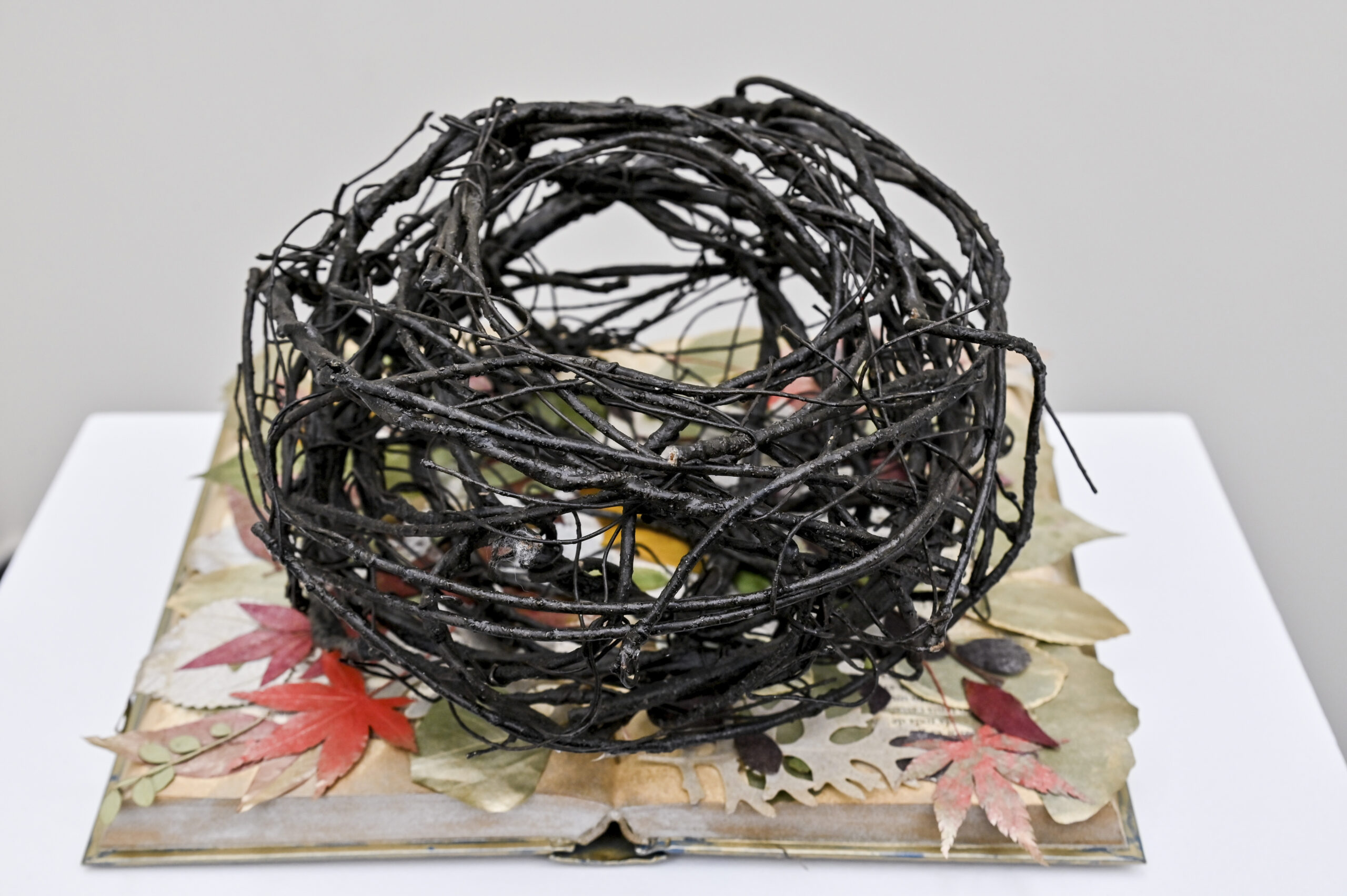
In the context of Bolivia's Bicentennial celebrations, Málaga-born artist Aixa Portero presents Pachaq Ñusta , an ambitious exhibition project promoted by the Simón I. Patiño University Foundation. Conceived as a traveling exhibition, it has already toured the cities of Santa Cruz and La Paz, and can currently be visited in Cochabamba, where it will remain open until June 14, 2026.
Far from being a conventional exhibition, Pachaq Ñusta stands as a visual manifesto that intertwines contemporary art, spirituality, and a culture of peace. Through more than a hundred works—encompassing sculpture, painting, installation, photography, and video art—Portero constructs a symbolic language that engages with the Andean worldview and proposes a reflection on the relationship between humanity and nature.
The exhibition's title, which in Quechua can be translated as "Princess of the Earth," alludes to the figures of Pachamama and Ñusta Allpa, symbols of fertility, wisdom, and balance. This vision is articulated around the three fundamental planes of Andean thought: the condor (spirit), the puma (action), and the serpent (inner wisdom), elements that conceptually permeate the entire exhibition.
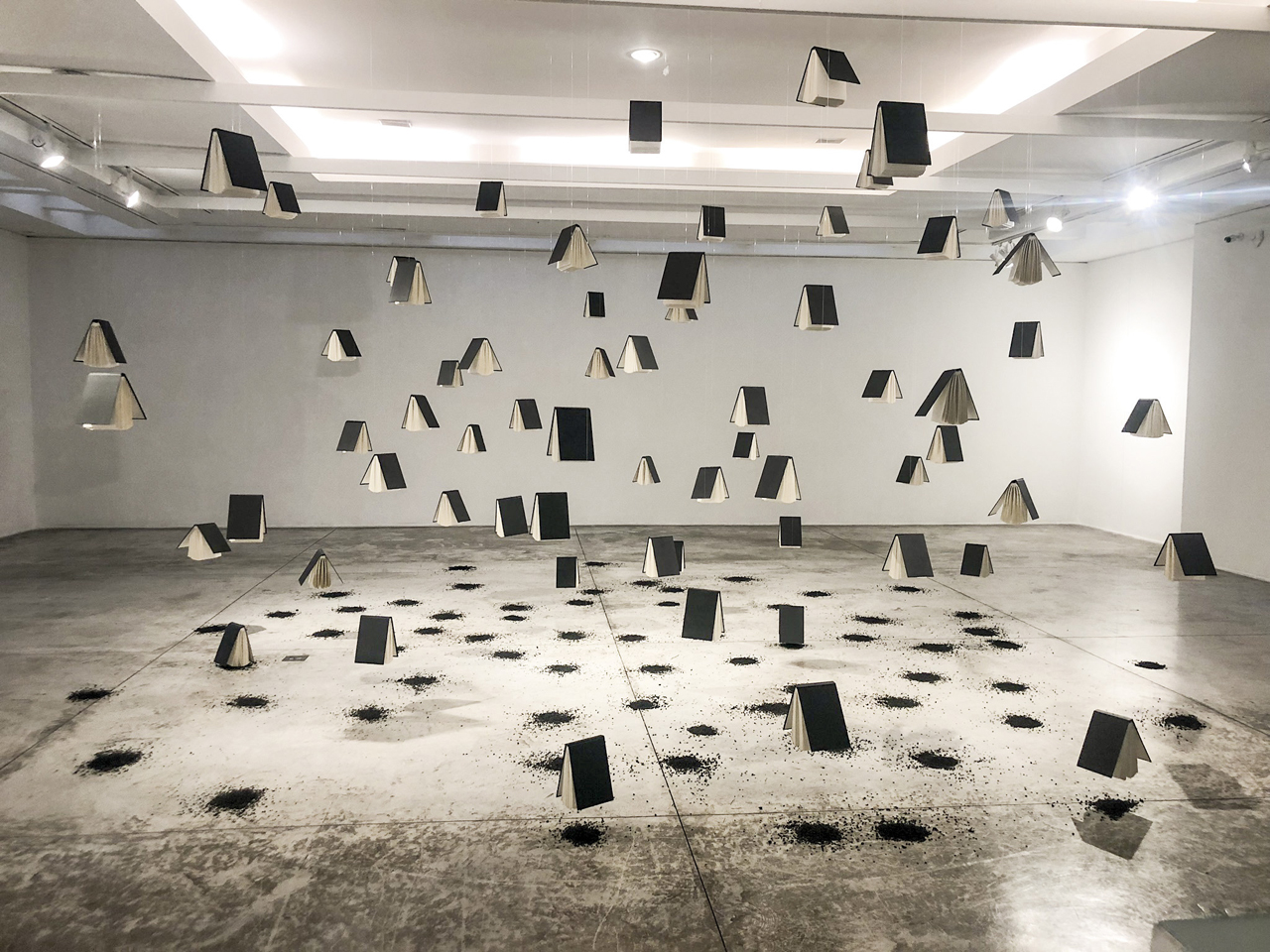
Among the most outstanding pieces are Natura Naturans (2021), a sculpture built from books intervened with feathers and references to prehistoric Venuses; Bosque Sideral (2024), a set of structures that link the terrestrial with the celestial through materials such as iron, wicker and stone; and the installation Las raíces del vuelo (2018–2024), composed of eighty suspended notebooks that evoke the fragility of memory and thought.
The exhibition also includes twenty-seven previously unseen photographs from the series Times of Omen (2022–2025), along with two video art pieces: Alice Through the Root (2022) and Ñusta Allpa (2025), the latter created specifically for its presentation in Bolivia. Both pieces explore the idea of the inner journey as a path to knowledge and connection with the sacred.
Curated by the artist herself and under the cultural direction of Ignacio de Lascurain, the exhibition is part of the Bicentennial cultural programs, consolidating the role of art as a tool for dialogue between cultures and generations.
In Pachaq Ñusta , Portero proposes a symbolic territory where matter and spirit converge. The use of organic materials—books, feathers, stone, iron—reinforces a visual poetics centered on roots, nurturing, and transformation. In this space, the feminine emerges as an essential force: origin, support, and the possibility of balance.
More than an exhibition, Pachaq Ñusta is an invitation to rethink our relationship with the Earth and with others, placing art as a meeting place where the ancestral and the contemporary dialogue in a key of hope.
You may be
interested
...