Exhibitions
The light of reason and the poetics of the Enlightenment with Wright of Derby
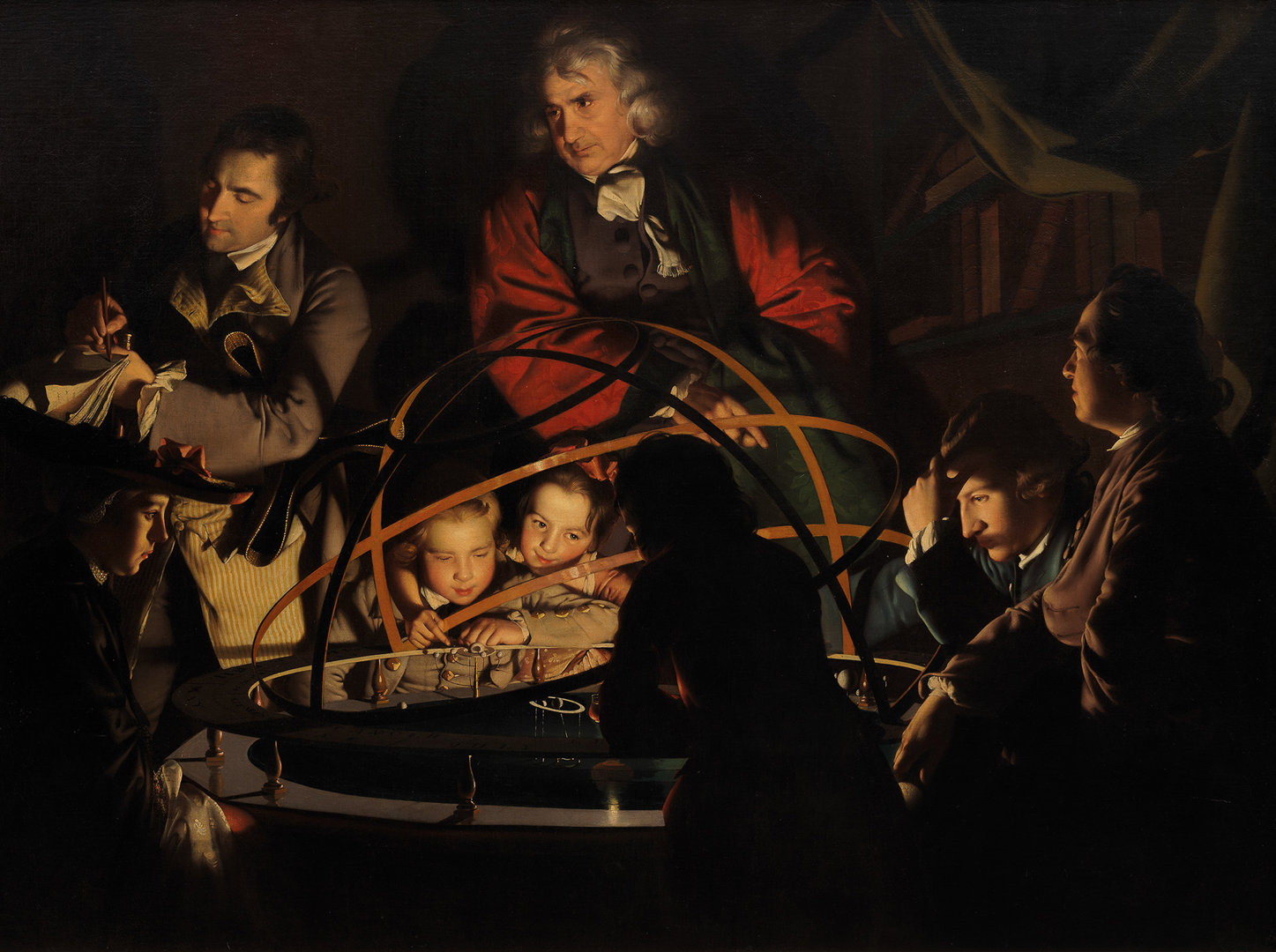
London's National Gallery is hosting one of the season's most groundbreaking exhibitions: Wright of Derby: From the Shadows , an ambitious show dedicated to the candlelit works of British painter Joseph Wright of Derby. Far from being merely a formal exploration of chiaroscuro, the exhibition places the artist at the heart of Enlightenment thought, where art, science, and emotion converge in a profoundly modern visual poetics.
The exhibition brings together a remarkable selection of masterpieces in which Wright captures scenes of scientific discovery, intellectual gatherings, and moments of collective learning. Through a masterful use of light and shadow, the painter intensifies the dramatic and philosophical dimension of his compositions, transforming lighting into a narrative device that guides the viewer's gaze and articulates meaning. This interplay of light not only defines his aesthetic but also embodies a metaphor for knowledge emerging from the shadows, in keeping with the spirit of the Enlightenment.
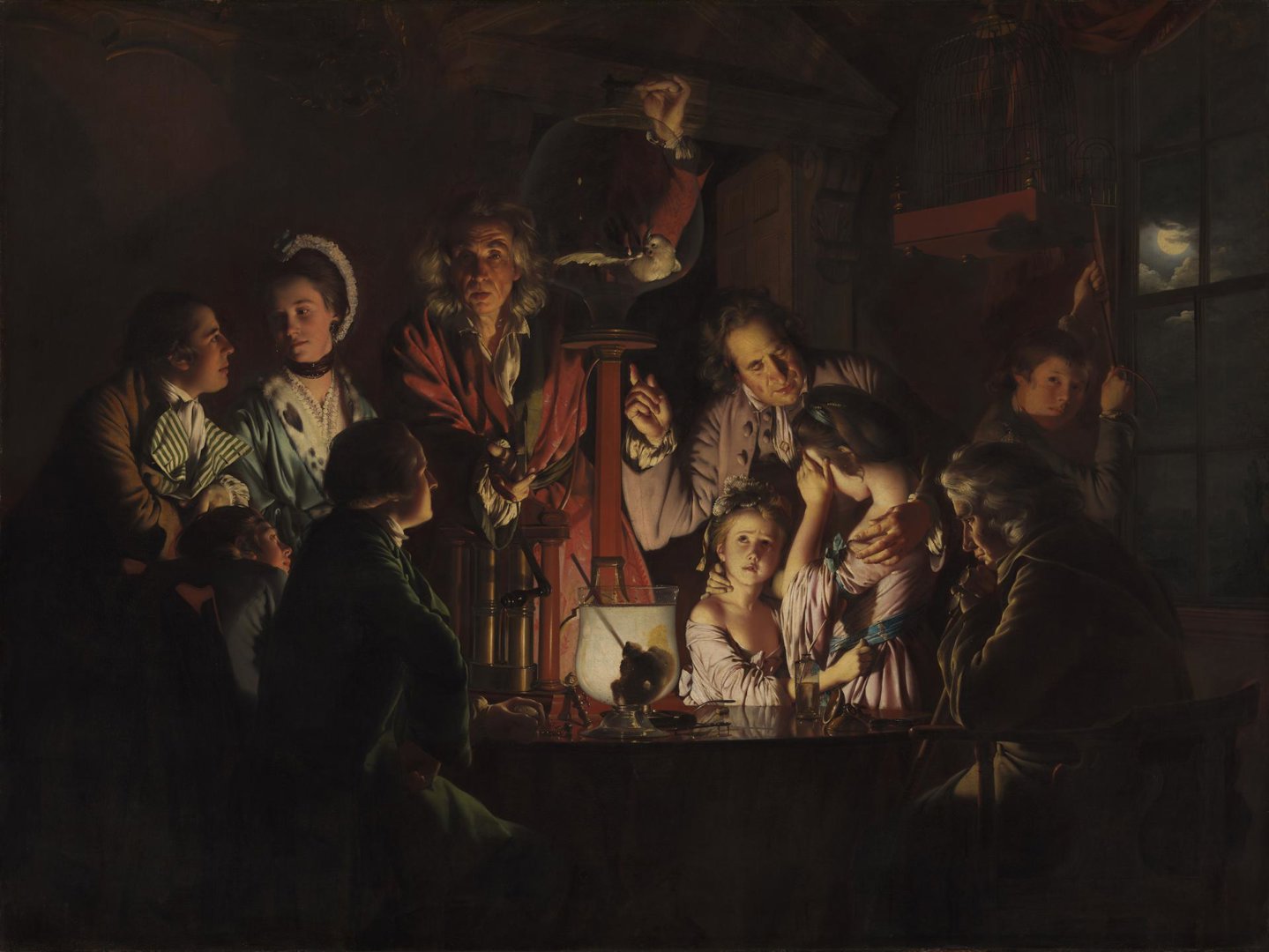
Joseph Wright 'of Derby', 'An Experiment on a Bird in the Air Pump', 1768 © The National Gallery, London.
The exhibition is enriched by the exceptional loan of seventeen pieces from Derby Museums, including five of his most important oil paintings. These are complemented by mezzotints and objects that contextualize his work and broaden the visitor's experience. In this sense, the exhibition contributes to a critical reevaluation of the artist, moving him away from the reductive label of "painter of light" to reveal a body of work imbued with deeper concerns: death, melancholy, morality, skepticism, and the sublime find in the night the ideal stage to unfold.
In 2026, the exhibition will travel to Derby Museums, a highly significant gesture: the return to the artist's hometown of two of his most emblematic paintings, *An Experiment on a Bird in the Air Pump* and *A Philosopher Giving That Lecture on the Orrery in Which a Lamp Is Put in the Place of the Sun* , which have been absent from Derby Museums for almost eighty years. This return underscores the enduring relevance of a body of work that, in its time, captured like few others the pulse of a society in transformation.
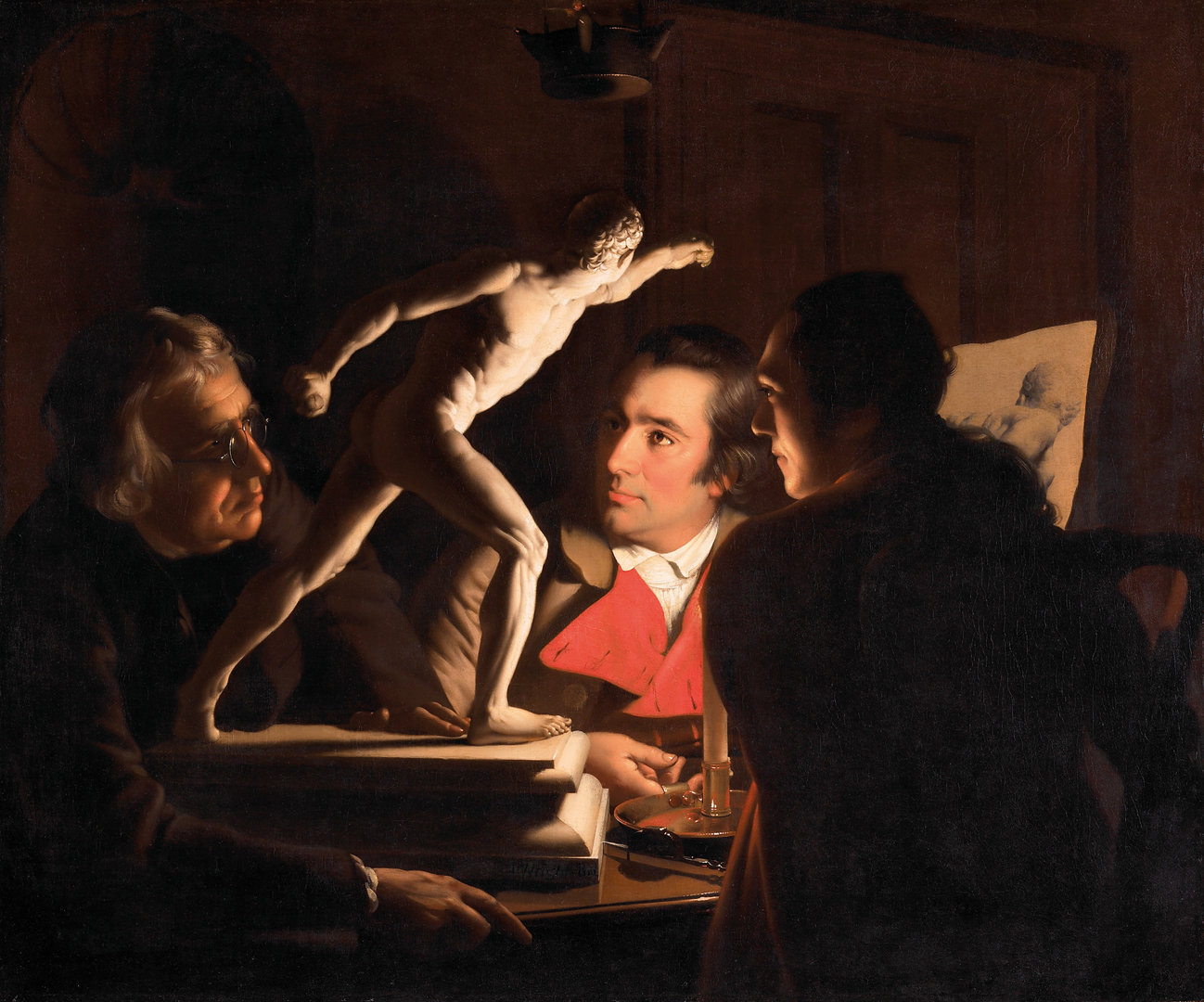
Joseph Wright 'of Derby', 'Three Persons Viewing the Gladiator by Candlelight', 1765, Private Collection. Photo © National Museums Liverpool
Wright's importance in the history of art lies precisely in his ability to visually translate the birth of modernity. Unlike many of his contemporaries, his interest in scientific experimentation, technological advances, and the environments associated with the Industrial Revolution places him in a unique position within 18th-century British painting. His scenes, conceived almost as theatrical devices for knowledge, elevate scientific curiosity to an aesthetic and symbolic category.
His mastery of chiaroscuro—especially in candlelit scenes—not only demonstrates extraordinary technical skill but also constructs a complex emotional atmosphere where light becomes a narrative and philosophical agent. In these compositions, Wright achieves a delicate balance between precision and drama, between empirical observation and poetic resonance. Thus, his work stands as a bridge between tradition and modernity, and as a privileged visual testament to the moment when reason, science, and sensibility began to redefine human experience.


You may be
interested
...