Exhibitions
Raphael in New York: Renaissance poetry comes to the Met
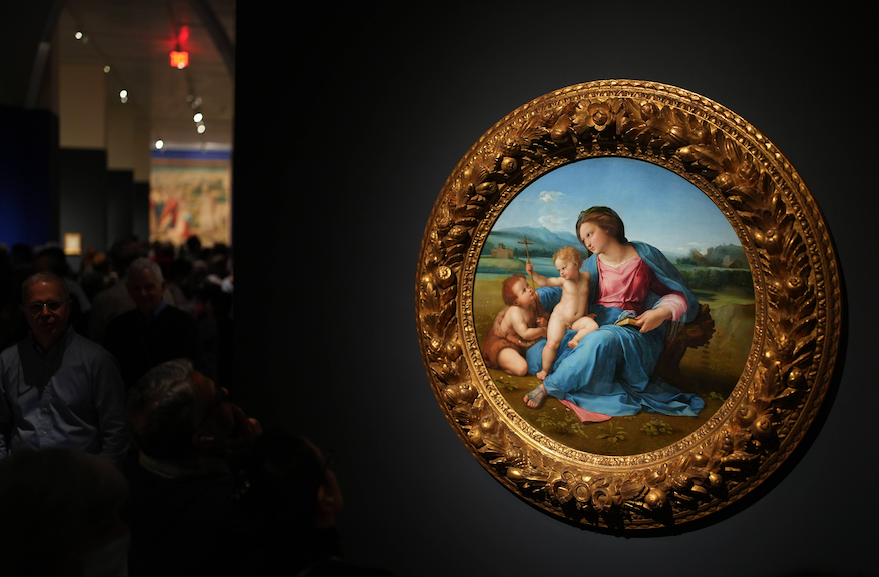
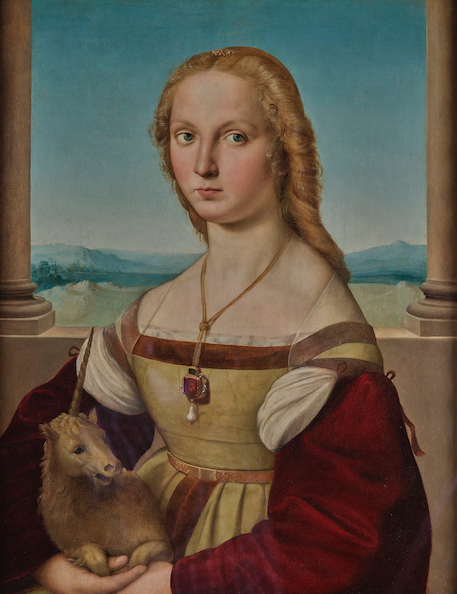
After eight years of meticulous planning, the Metropolitan Museum of Art in New York presents one of the most ambitious exhibitions ever dedicated to Raffaello di Giovanni Santi (1483–1520), known worldwide as Raphael, one of the most influential artists of the Italian Renaissance. The exhibition brings together more than 200 works—including paintings, drawings, and tapestries—that allow visitors to delve into the creative process of a genius who, despite his short life of 37 years, left an indelible mark on the history of art.
The exhibition traces Raphael's career from his training in Urbino, his birthplace, to his rise to prominence at the papal court in Rome, highlighting his ability to combine ambition and lyricism in works imbued with intellectual and emotional depth. Among the most remarkable pieces are the first painting he completed entirely on his own, as well as the famous tapestries designed for the Sistine Chapel. Thirty-seven of these works are exceptional loans from Italian museums, complemented by loans from European and North American institutions, including the Louvre.
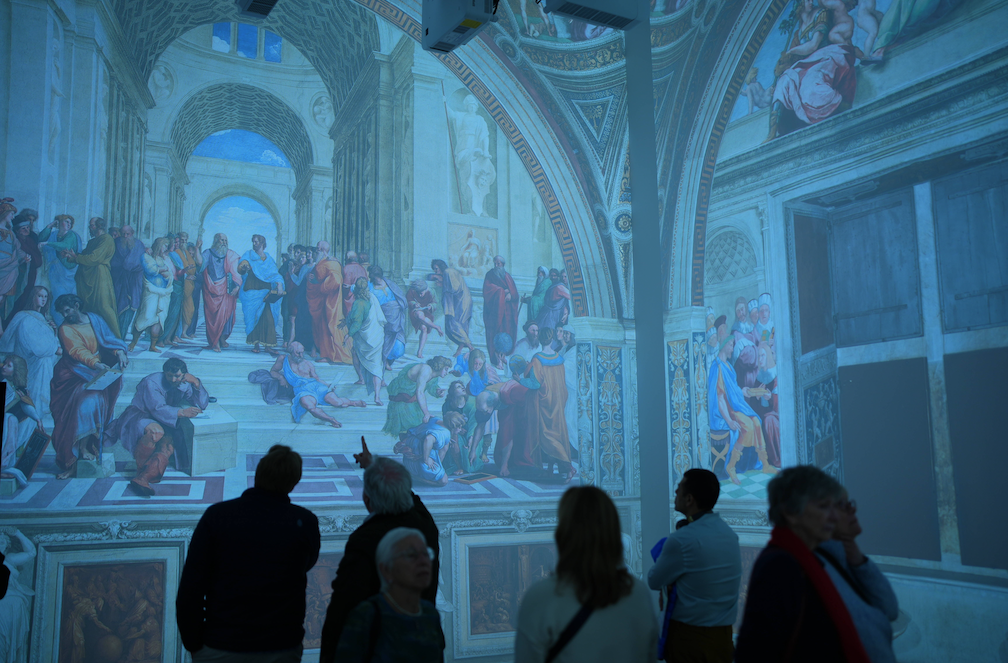
The exhibition's curator, Carmen C. Bambach, acknowledges the enormous effort required to mount this show, while the Met's director, Max Hollein, underscores the "poetic sensibility" of Raphael's works, which captivated contemporaries and subsequent generations. The reference to "poetry" in the exhibition's title is not accidental: Raphael was the son of a poet-painter and also dabbled in writing sonnets, reflecting the same lyricism that permeates his visual creations.
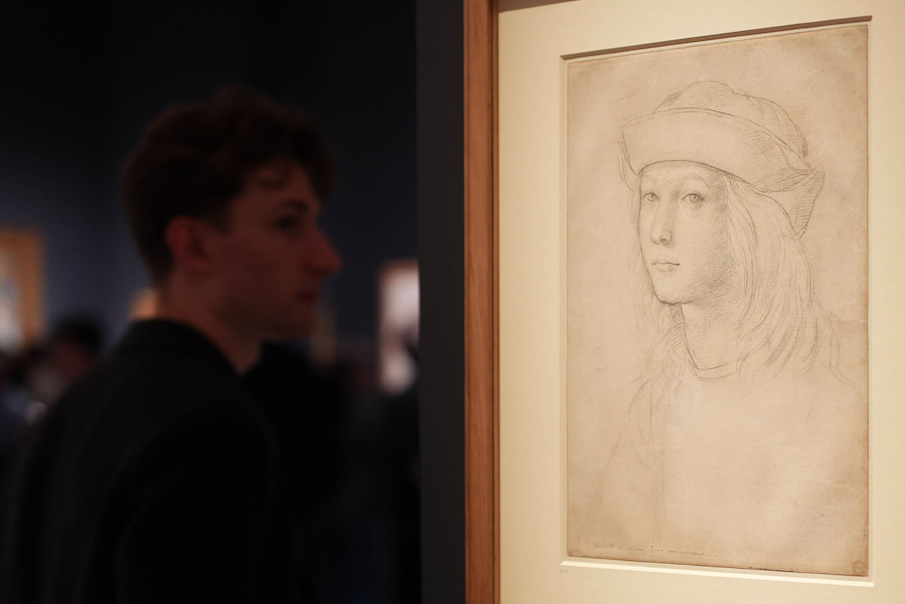
Visitors can enjoy the exhibition experience accompanied by an audio guide narrated by the Italian-American actress Isabella Rossellini, which offers an intimate exploration of the Renaissance master's work. In addition, the official catalogue, with 445 illustrations, a bibliography, and a comprehensive index, allows for in-depth exploration of the chronology of his career and his collaborations with other artists, as well as his mastery of portraiture.
The exhibition will be on view at the Met until June 28, offering a unique opportunity to contemplate Raphael's artistic perfection and understand why his legacy continues to resonate as powerfully as it did five centuries ago.

You may be
interested
...