Editorial
Culture under pressure: multipolarity, symbolic capital and Trump
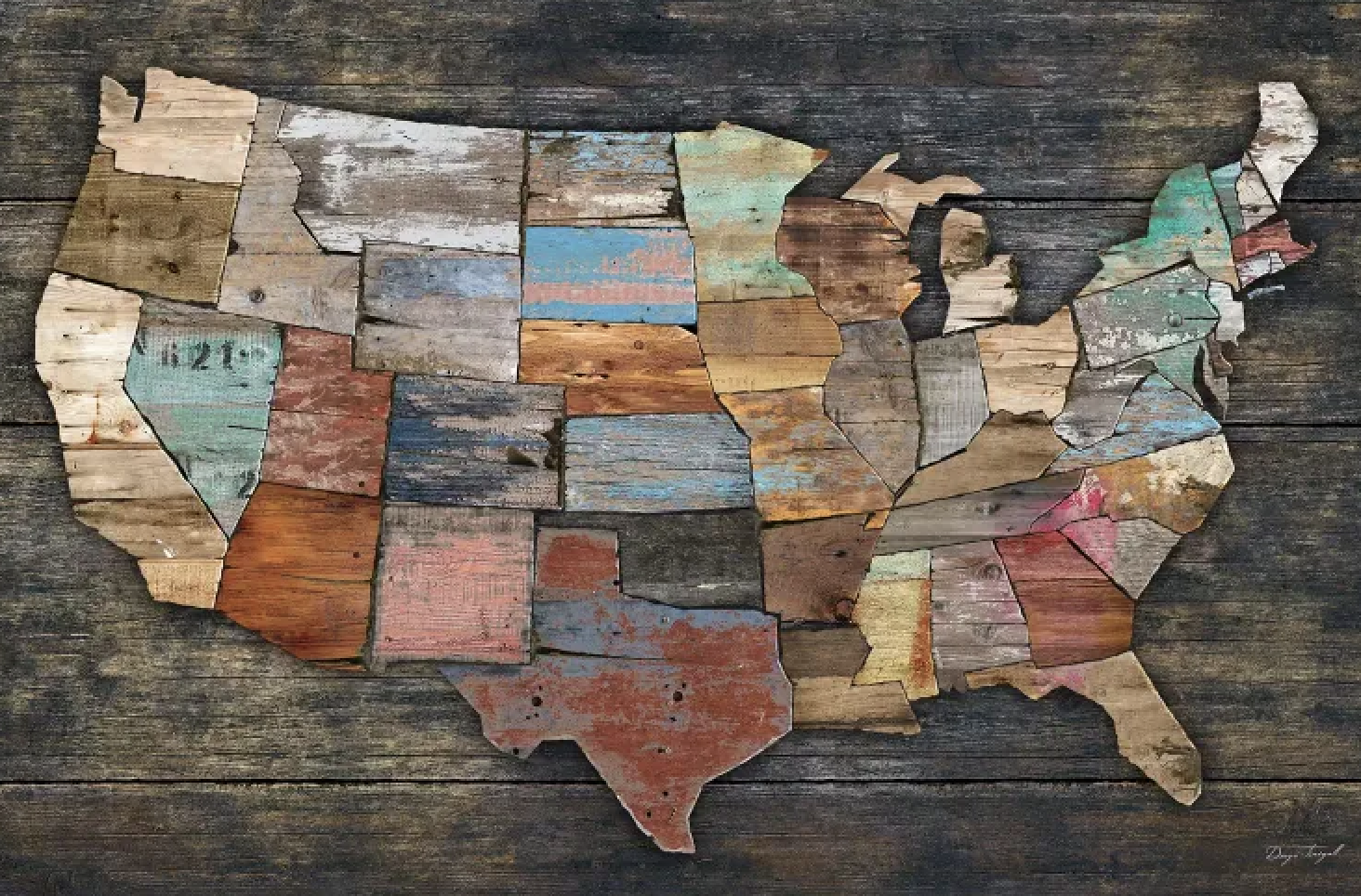
The United States built its global leadership not only through economics or traditional diplomacy, but also through culture. For decades, its cultural system was the primary generator of international symbolic legitimacy. New York was not merely a city with great museums; it was the place where what was relevant in contemporary art was decided. The Guggenheim, MoMA, and the Metropolitan functioned as nodes of global validation within an ecosystem sustained by the market, philanthropy, universities, and strategic cultural diplomacy. This symbolic capital accumulated over decades. Its erosion—with the emergence of new global centers—while not abrupt, is beginning to be noticeable. The coercive, intimidating, and disproportionate policies of the Trump era, including those in the arts and in the curatorial criteria of museums and cultural centers, often make a country that had always been receptive to incorporating, for example, talent, whether it came from abroad or not—borderlands being the scars of history—seem unwelcome.
TARIFFS: FRICTION IN THE CULTURAL SYSTEM
The implementation of global tariffs of 10% on imports introduces direct friction into the cultural ecosystem. The art market depends on constant mobility: the transport of artworks, international loans, art fairs, and the movement of collectors and capital. At a time when art, luxury goods, and digital assets operate as an asset class influenced by geopolitics and liquidity, regulatory predictability is essential. When legal and commercial uncertainty increases, capital seeks stability. Anti-money laundering regulations have professionalized the market but have also increased the operational burden. Transparency and oversight are necessary; excessive regulation reduces agility, especially in medium-sized galleries, and cripples small ones. In highly competitive markets, small structural changes generate gradual shifts in capital flows.
Recent data from the international market show that, although the absolute volume in the United States remains higher, relative growth rates in certain emerging Latin American segments exceed those of mature markets. The difference is not one of immediate magnitude, but rather of cumulative trend. In Spain, a 21% cultural VAT jeopardizes the competitiveness of the entire sector, while in Europe itself, the median cultural VAT rates do not reach 6%. In one place, art and culture are an asset to be protected; in the other, they are a luxury item. In Europe, institutional stability is being strengthened—even with internal crises and the rise of the far right—along with harmonized regulatory frameworks. Asia combines logistical efficiency with strategic investment in cultural industries. Latin America is strengthening its narrative autonomy. The global cultural system is becoming multipolar.
FAIRS AND NEW AXES
The impact of Trump's policies is also reaching art fair platforms. Miami has been the natural bridge between the United States and Latin America. The model worked precisely: institutional legitimization in New York, transactions in Miami, and subsequent international expansion. However, rising costs and uncertainty are forcing a reassessment of risks. Meanwhile, Zona MACO in Mexico City and ARTBO in Bogotá are expanding their influence. They no longer operate as peripheral fairs, but as regional hubs with the capacity to attract international attention. The traditional New York–Miami axis now coexists with more horizontal circuits: Mexico City–Bogotá/Medellín–São Paulo, directly connected to Europe and Asia. The strengthening of Mexican and Colombian collecting reinforces this trend. Mexico has a solid base of private collectors with international reach.
Colombia has increased its global presence, accompanied by internal growth and consistently producing highly accomplished artists. Legitimacy no longer depends exclusively on the New York filter. Thus, if art fairs are a commercial barometer, biennials are symbolic laboratories. The São Paulo Biennial remains one of the most influential events on the international calendar, acting as a structural pole of legitimacy. Unlike the transaction-centered model (galleries, fairs, auctions, etc.), the biennial constructs a narrative, and this narrative is symbolic capital.
For decades, Argentina has been experiencing structural precarity stemming from economic instability, and when we add to that Javier Milei's new, theatrical policies, we end up with reduced market capacity, although intellectual power remains. Chile is consolidating an incisive curatorial scene with potential for international projection. Peru and Ecuador are emerging intermittently with proposals that combine a strong debate between memory, indigenous identity, and contemporary experimentation. They are not yet consolidated markets, but they are centers of cultural density.
SCENARIO 2030
If structural friction persists, the cultural map will tend to distribute legitimacy and market power across several simultaneous poles. New York will remain a point of reference, but it has long competed with and/or engaged in dialogue with Paris, Berlin, Barcelona, London, Madrid, Hong Kong, Seoul, Mexico City, Venice, Istanbul, Malta, Turin, Bologna, Bogotá, Medellín, Lisbon, Porto, and São Paulo. Curatorial and market decisions no longer depend on a single vertical axis, but rather on an interconnected network where validation circulates in multiple directions.
Cultural history demonstrates that capitals change when the environment ceases to foster circulation, trust, and openness. This is not an ideological issue, but a structural one. When the center introduces constant friction, the periphery—new centers—learns to organize itself and build its own legitimacy. The United States may be, or already is, losing creative talent, but it is essentially losing its symbolic monopoly in the face of global multipolarity. And we already know that symbolic monopoly is the core of cultural soft power.
A MUSEUM TO BELIEVE IN
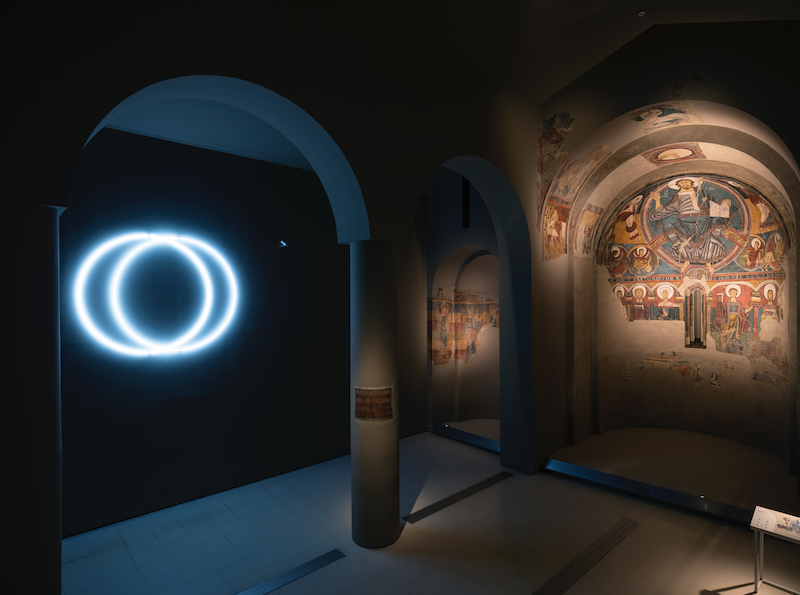
This year, the Lluís Coromina Isern Foundation is presenting the Pla de l'Estany Contemporary Art Museum project at the ARCO art fair in Madrid. Designed by architect and sculptor Josep Miàs, the project, inspired by models such as Chillida Leku and the Louisiana Museum, aims to integrate nearly four hectares of natural surroundings with pavilions that will create a dialogue between ancient and contemporary art. I have had the pleasure of leading this project for the past fifteen years, since its inception, and it now culminates in this museum, representing a sustained effort driven by the energy and enthusiasm of its president and creator.
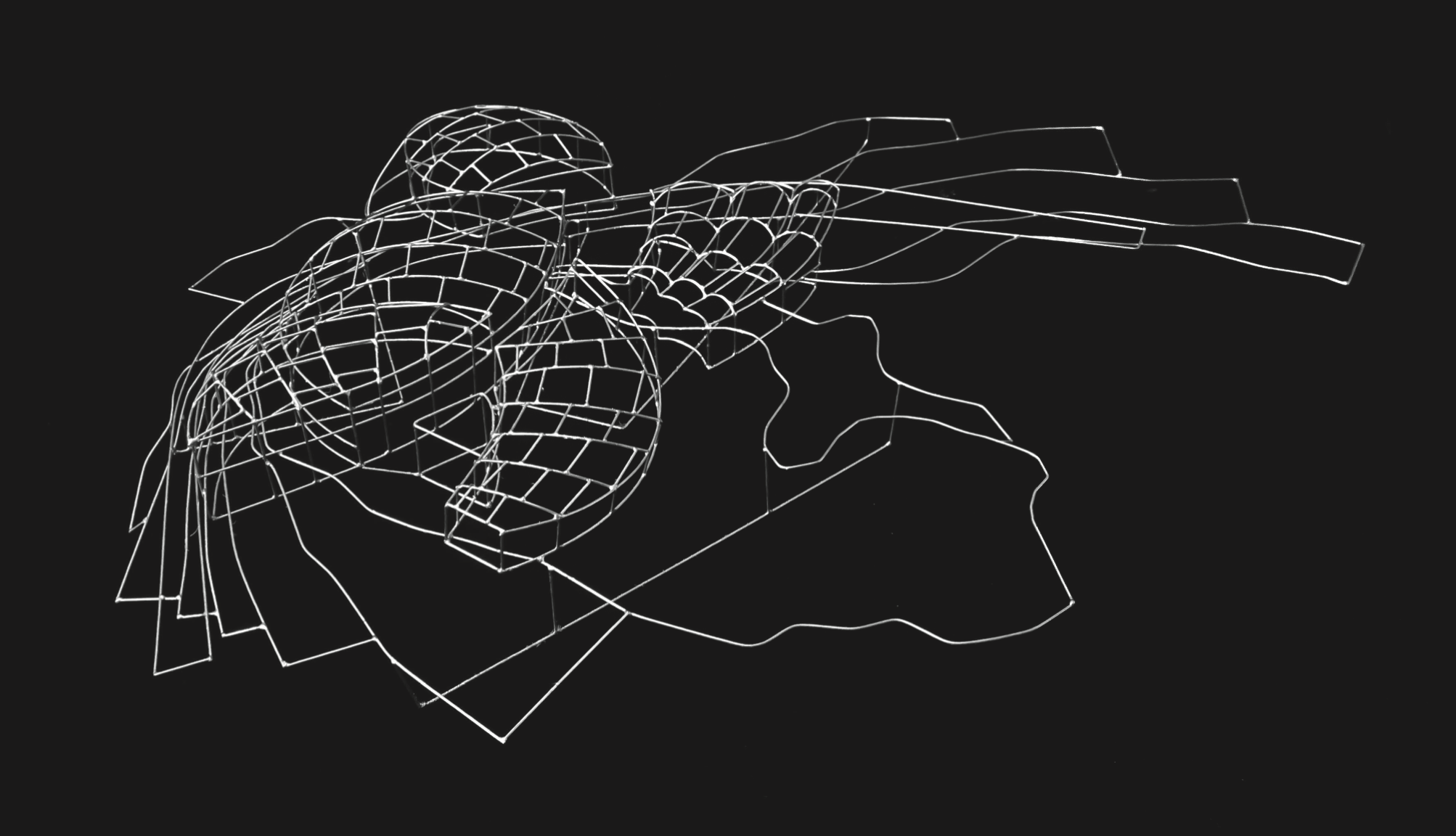
Drawings by the sculptor and architect Josep Miàs of the future Lluís Coromina Isern Museum-Center for Contemporary Art.

You may be
interested
...