Exhibitions
Six decades of memory, satire, and Colombian art come to the Barbican with Beatriz González
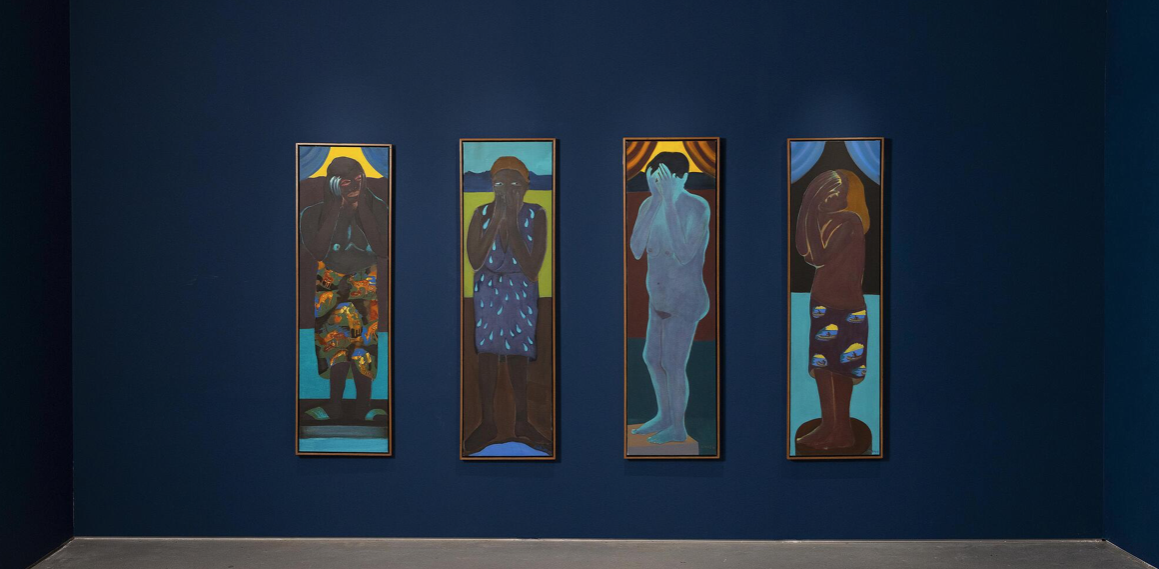
London's Barbican Centre is hosting the first major UK retrospective of renowned Colombian artist Beatriz González, cementing her place as one of the essential voices in contemporary Latin American art. The exhibition, which runs until May 10, 2026, brings together six decades of artistic production that have transformed the way we see, interpret, and question memory and power structures.
The exhibition explores González's distinctive visual language, constructed from found images: popular postcards, deteriorated reproductions of Western paintings, newspaper clippings, and press photographs that depict violence, tragedy, and everyday life. With his unique graphic style and vibrant palette, González transforms these materials into reflections that oscillate between irony and empathy, critiquing taste, denouncing violence, and celebrating the resilience of communities.
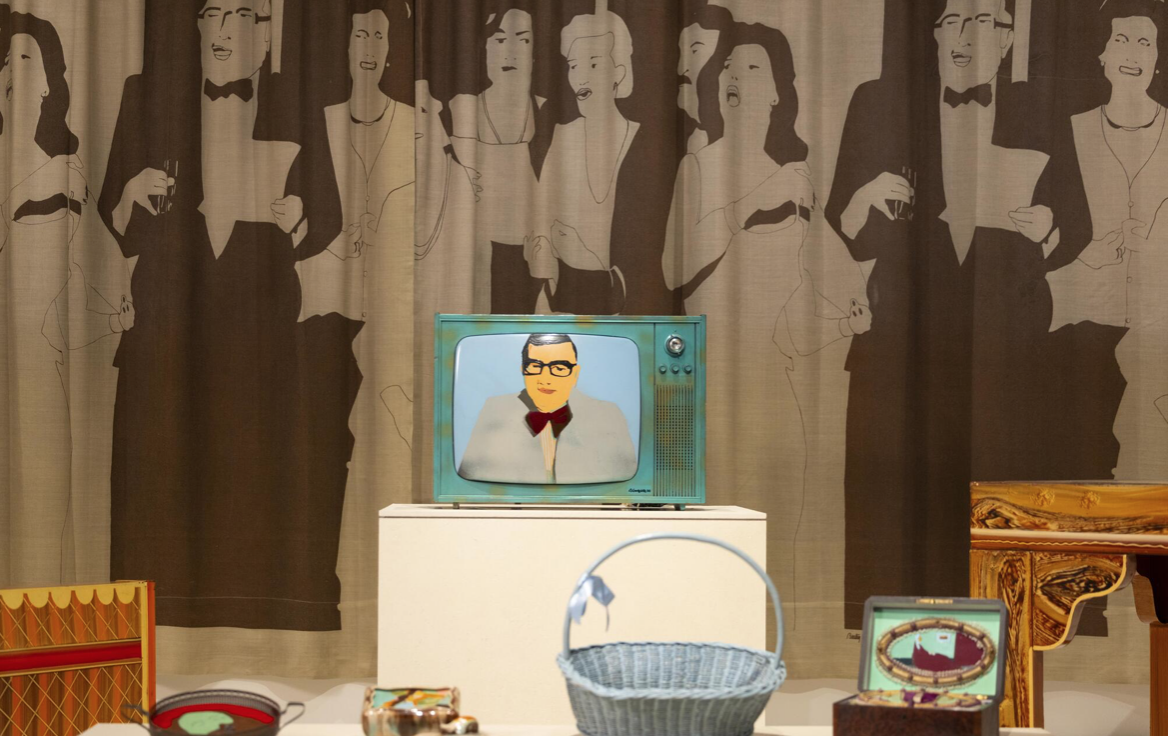
Among the key works included in the retrospective are The Suicides of Sisga (1965), an iconic piece in which the artist transforms a journalistic tragedy into planes of saturated color, inaugurating her visual poetics, and her celebrated interventions on furniture from the seventies, where beds, tables and televisions become pictorial supports that erase the boundaries between art, design and domestic life.
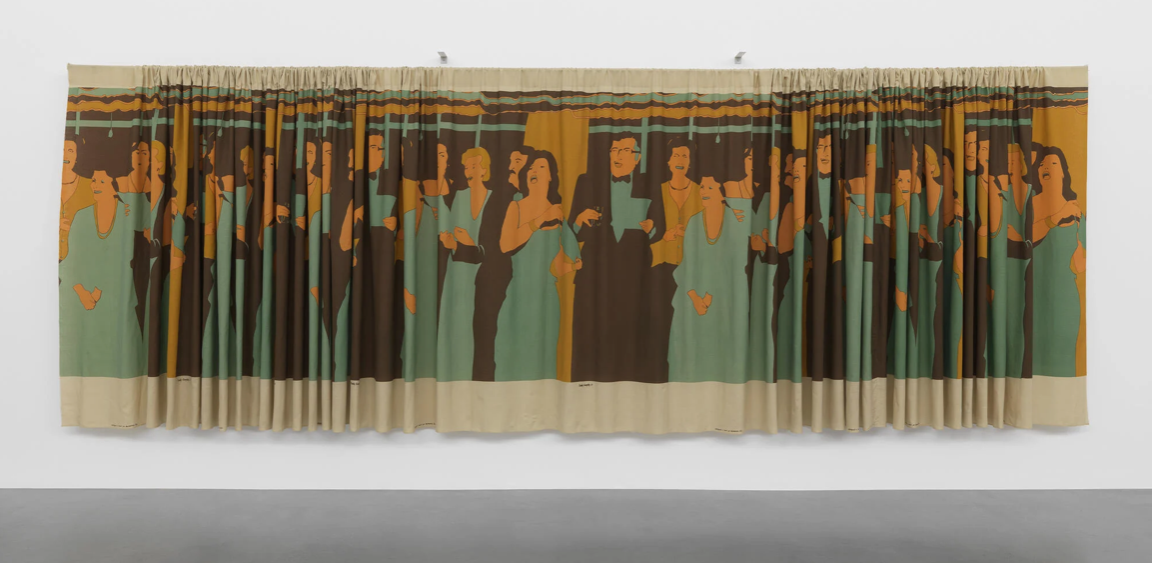
The exhibition also highlights González's shift from political satire to a direct testimony of violence, offering a poignant journey that combines social critique, historical memory, and aesthetic exploration. This retrospective represents the most ambitious presentation of her work in Europe to date, offering a unique opportunity to immerse oneself in the creative universe of an artist who has defined the identity of contemporary Latin American art.
The retrospective reaffirms Beatriz González as one of Latin America's most influential artists. Her work, while deeply rooted in the Colombian experience, engages in dialogue with global debates on violence, historical memory, the representation of suffering, and the political role of images. Through her work, González demonstrates that art can be a powerful critical instrument, capable of challenging both institutions and the viewer without ever losing its aesthetic force.
You may be
interested
...