Exhibitions
The Prado in 2026: art, history and experiences that invite you to look more slowly
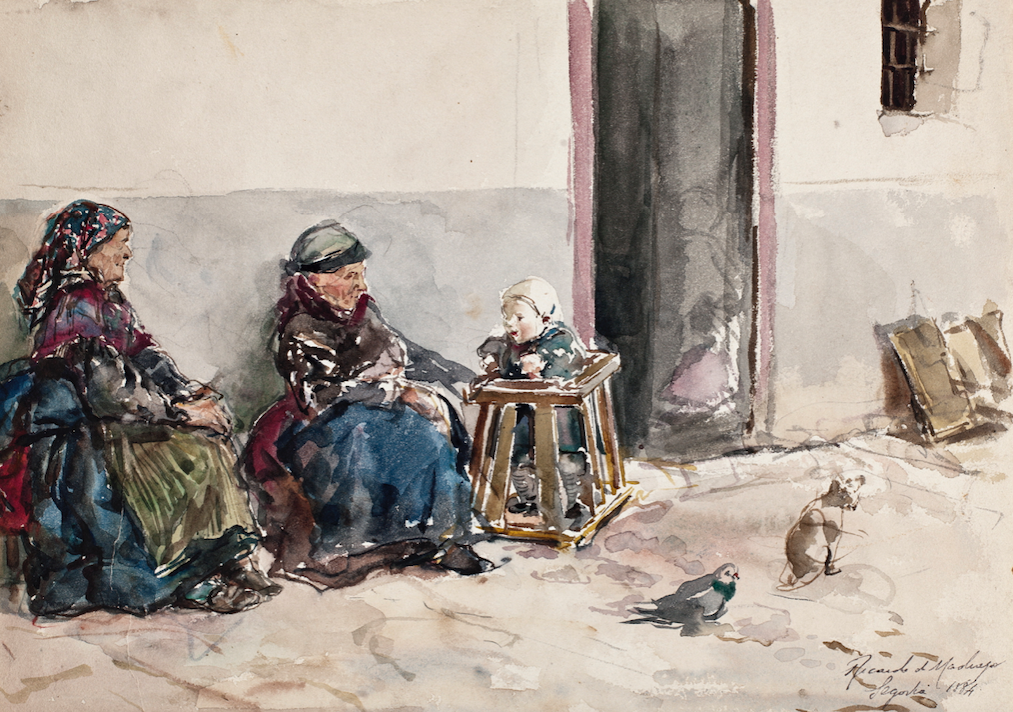
The Prado Museum is committed to a thematic program in 2026 that avoids large-scale monographs focused on the "big names" of art, as explained by its director, Miguel Falomir. The museum will concentrate on proposals that explore specific issues, combining research, innovation, and a fresh perspective on its collection.
The first major exhibition of the year, Italy, Spain, and Mediterranean Gothic , will address a topic that has been little explored in museums until now: the influence of Italy on Spanish painting of the 14th and 15th centuries. Falomir describes it as one of the “most complex and ambitious” exhibitions of his tenure as director of the Prado, not only for its academic rigor but also for the logistical challenges involved with extremely delicate pieces, such as ancient textiles and panels that have rarely left their original locations. Among them is a work from a cloistered convent that has not left its walls since the 14th century.
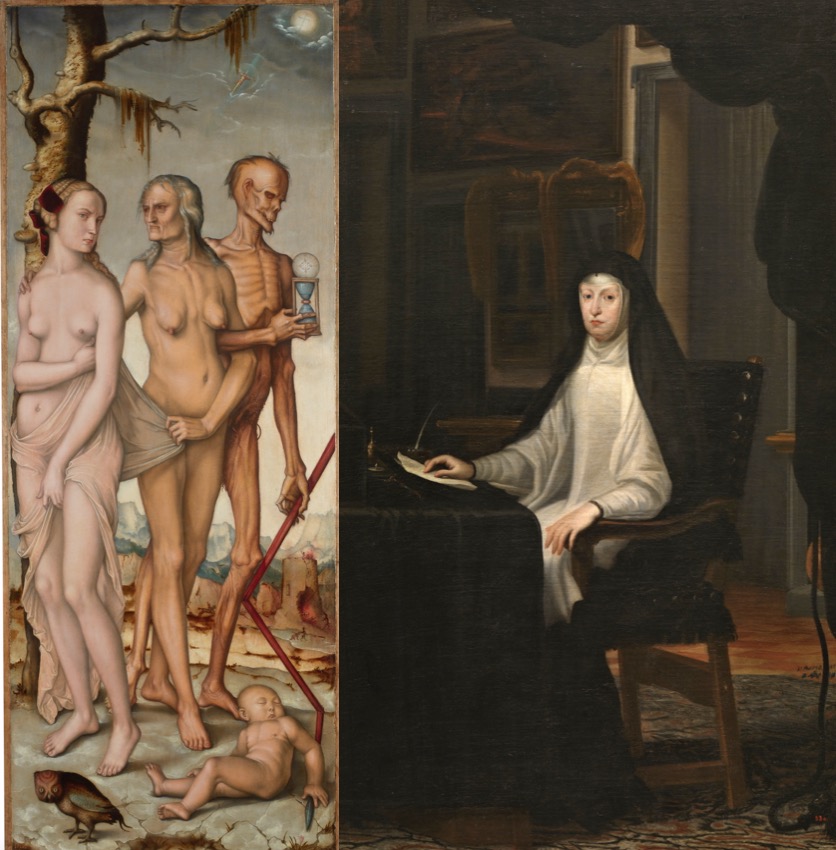
The Ages and Death, Hans Baldung Grien, 1541–1544. Oil on panel. Madrid, Museo Nacional del Prado. Exhibition: “Hans Baldung Grien” and Mariana of Austria, Queen Regent, Juan Carreño de Miranda, circa 1670. Oil on canvas. Madrid, Museo Nacional del Prado. Exhibition: “Mariana of Austria”.
With this thematic focus, the Prado seeks to offer more leisurely and enriching experiences for visitors, avoiding the feeling of overcrowding and "rush hour" that sometimes characterizes the busiest museums.
From June 9 to September 27, the exhibition Prado. 21st Century will offer a journey through the last 25 years of the museum, showcasing new acquisitions, the evolution of its museography, conservation efforts, visitor services, and international reach. The exhibition reflects the expansion of its collection, the strength of its scholarly program, and its growing engagement with the public, incorporating visual and documentary elements that illustrate the institution's transformation.
This autumn, the Prado will commemorate the centenary of the poet Rainer Maria Rilke with the exhibition Rilke and Spanish Art (November 17, 2026 – March 7, 2027). The exhibition will explore how Spanish painting influenced Rilke's artistic sensibility, from his admiration for Velázquez and Murillo to the profound influence of El Greco and Goya. It will also address his relationship with the painter Ignacio Zuloaga and the impact of Rilke's travels through Spain, especially his stays in Toledo, Ronda, and Madrid, where he visited the Prado Museum and the Royal Armoury.
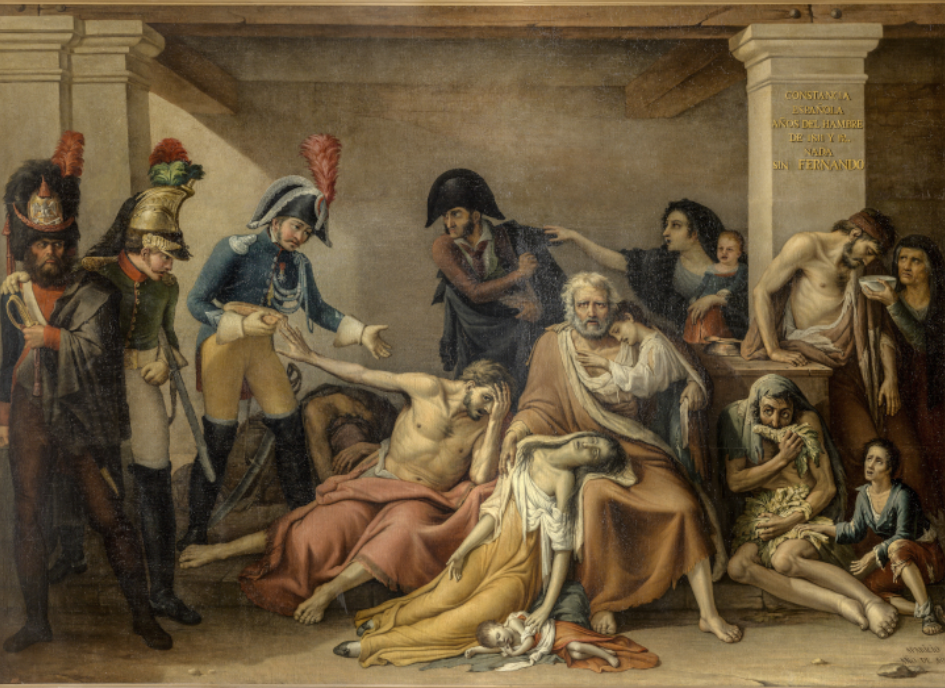
The Year of Hunger in Madrid, José Aparicio e Inglada, 1818. Oil on canvas. Madrid, Museo Nacional del Prado. Exhibition: “The Painting of Hunger”.
In parallel, the exhibition Hans Baldung Grien (November 24, 2026 – March 7, 2027) will introduce the public to German Renaissance painting, focusing on two recently restored late works by the artist, Harmony and The Ages and Death. The exhibition will explore Dürer's influence on Baldung, his study of nature and the human form, and the originality with which he reinterpreted classical themes such as beauty, life, and death within a Christian and humanist context.
With these proposals, the Prado combines historical heritage, research, education and new experiences for visitors, consolidating its position as one of the world's great museums and a cultural benchmark open to all.

You may be
interested
...