Exhibitions
Wifredo Lam conquers New York with a historical retrospective at MoMA
Years ago, I stopped at the Wifredo Lam Art Center, right on Havana's Cathedral Square, where an exceptional collection of over a thousand works is housed and preserved, and where the aesthetic experience intertwines with the heritage value of its building: the former mansion of the Counts of San Fernando de Peñalver, an 18th-century building steeped in history. Today, the journey is reversed: it is Wifredo Lam's work that has arrived in New York to take center stage at the Museum of Modern Art (MoMA) with the exhibition When I Don't Sleep, I Dream , open to the public until April 11, 2026.
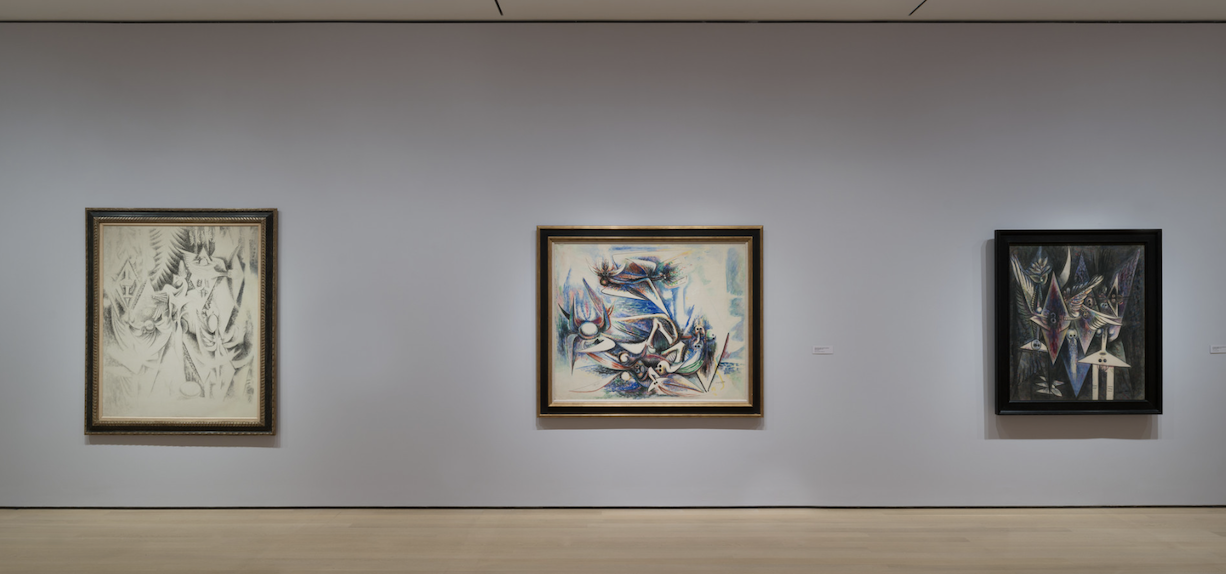
The retrospective is presented as a major event for understanding the breadth and depth of one of the most singular artists of the 20th century. With a fresh perspective, MoMA invites visitors to explore six decades of creation in which Lam transformed his mixed identity—Caribbean, African, Chinese, and European—into a unique visual language, imbued with symbolism, spirituality, and cultural critique. The exhibition brings together a wide array of paintings, drawings, ceramics, prints, editorial collaborations, and documentary materials that trace the evolution of his work from his formative years in Spain to his return to Cuba in the 1940s, where he reached a decisive poetic and political maturity.
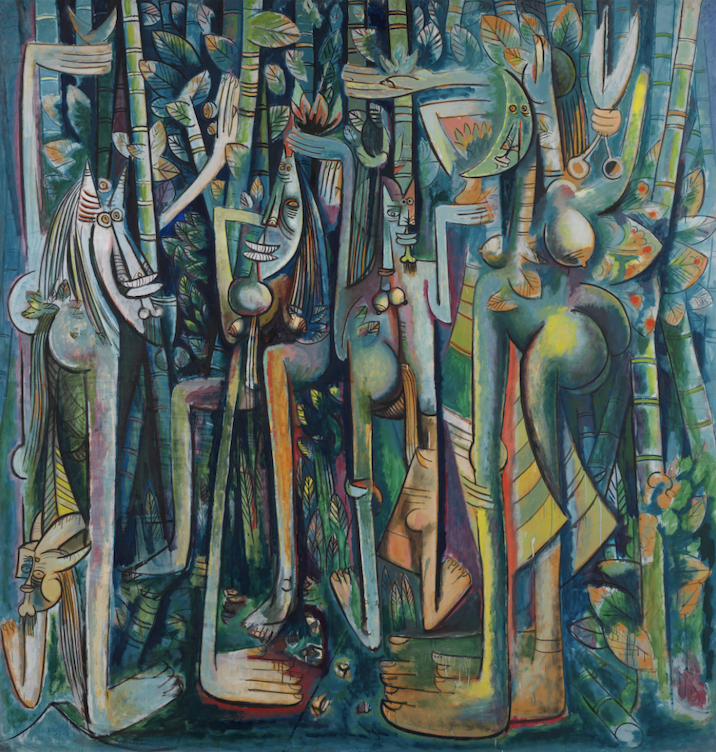
At the heart of the exhibition is The Jungle , MoMA's emblematic work and perhaps the piece that best embodies Lam's vision of the Caribbean: a dense and ritualistic territory, traversed by Afro-Atlantic memory and the historical scars of colonial exploitation. Before this monumental canvas, the visitor enters a universe of hybrid figures—between the human and the spiritual—that form a veritable visual chorus of resistance.
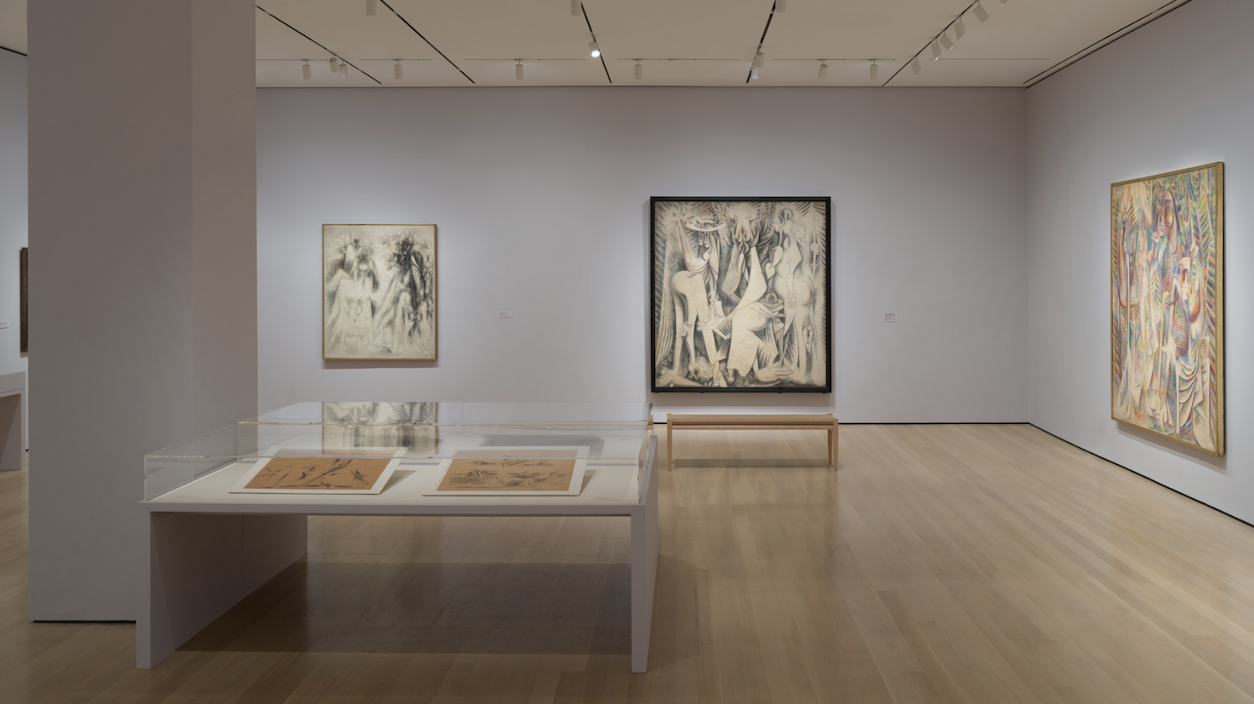
Although the Museum of Fine Arts in Havana declined to lend works for the retrospective, the MoMA curatorial team has managed to assemble more than one hundred essential pieces to rigorously reconstruct the artist's career. Among them is Grande Composition , Lam's largest and most ambitious work—4.2 meters wide by 2.7 meters high—which had not been publicly exhibited for 62 years and which the museum recently acquired after lengthy negotiations with a private collector. Its presence in the exhibition is one of the main attractions of the collection.
The exhibition also emphasizes the transnational dimension of the artist. Lam's life, marked by travel, exile, and encounters with movements such as Surrealism and Cubism, reveals a cultural map in which his work transcends any geographical or stylistic boundaries. Lam does not belong to a single place: his creation engages in dialogue with Havana, Paris, Marseille, New York, and Hong Kong, weaving a bridge between cultures, languages, and worldviews. This perspective rescues him from the marginalization to which he was often relegated, recognizing him as a central pillar of modernism, capable of challenging dominant narratives and opening space for non-Western sensibilities.
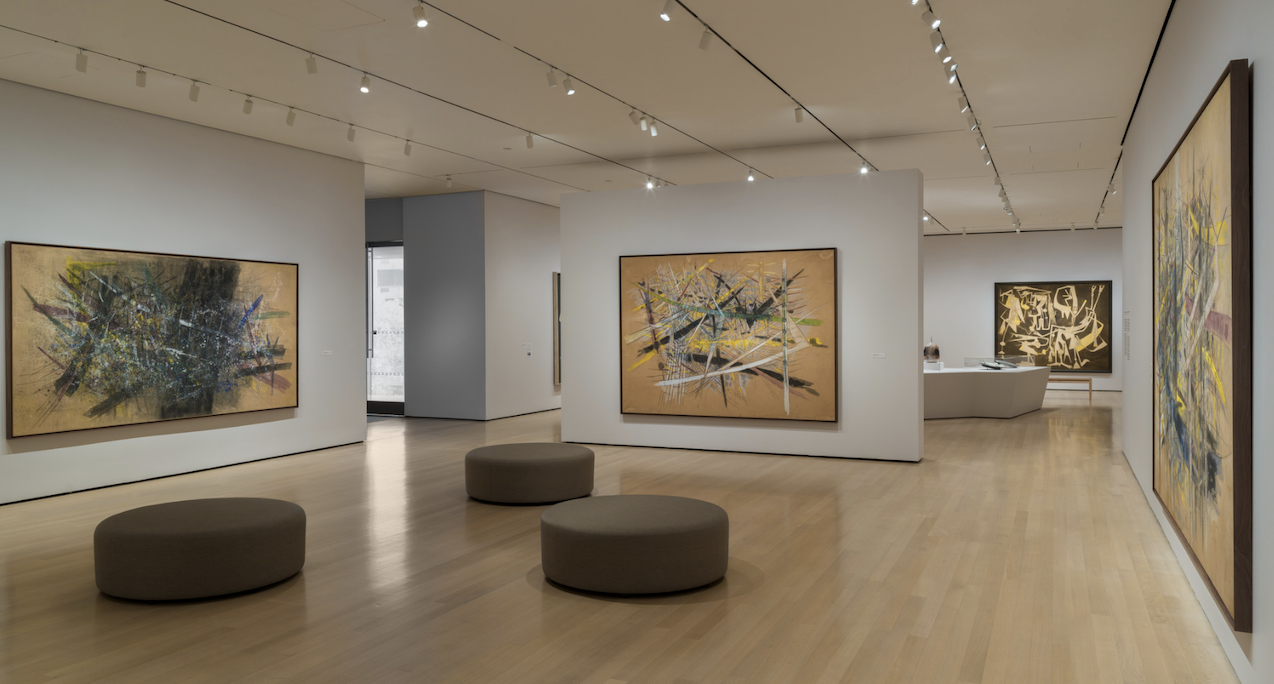
Another central theme of the exhibition is the decolonizing nature of his painting. Lam employed the tools of artistic modernity to challenge folkloric representations of the Caribbean and affirm its spiritual and social complexity. His metamorphosed figures, intricate jungles, and ritual scenes do not seek to exoticize: they seek to liberate. They are images of cultural emancipation, identity affirmation, and symbolic resistance.
Taken as a whole, When I Don't Sleep, I Dream reveals a Wifredo Lam who is fully contemporary, relevant, and urgent. His works address themes such as identity, migration, cultural mixing, and power dynamics. The exhibition confirms that, from the heart of the Caribbean, Lam opened new paths for modern art and continues to illuminate how we think about global culture.

You may be
interested
...