Exhibitions
Thomas Hirschhorn arrives at the Helga de Alvear Museum with his first European retrospective in 20 years
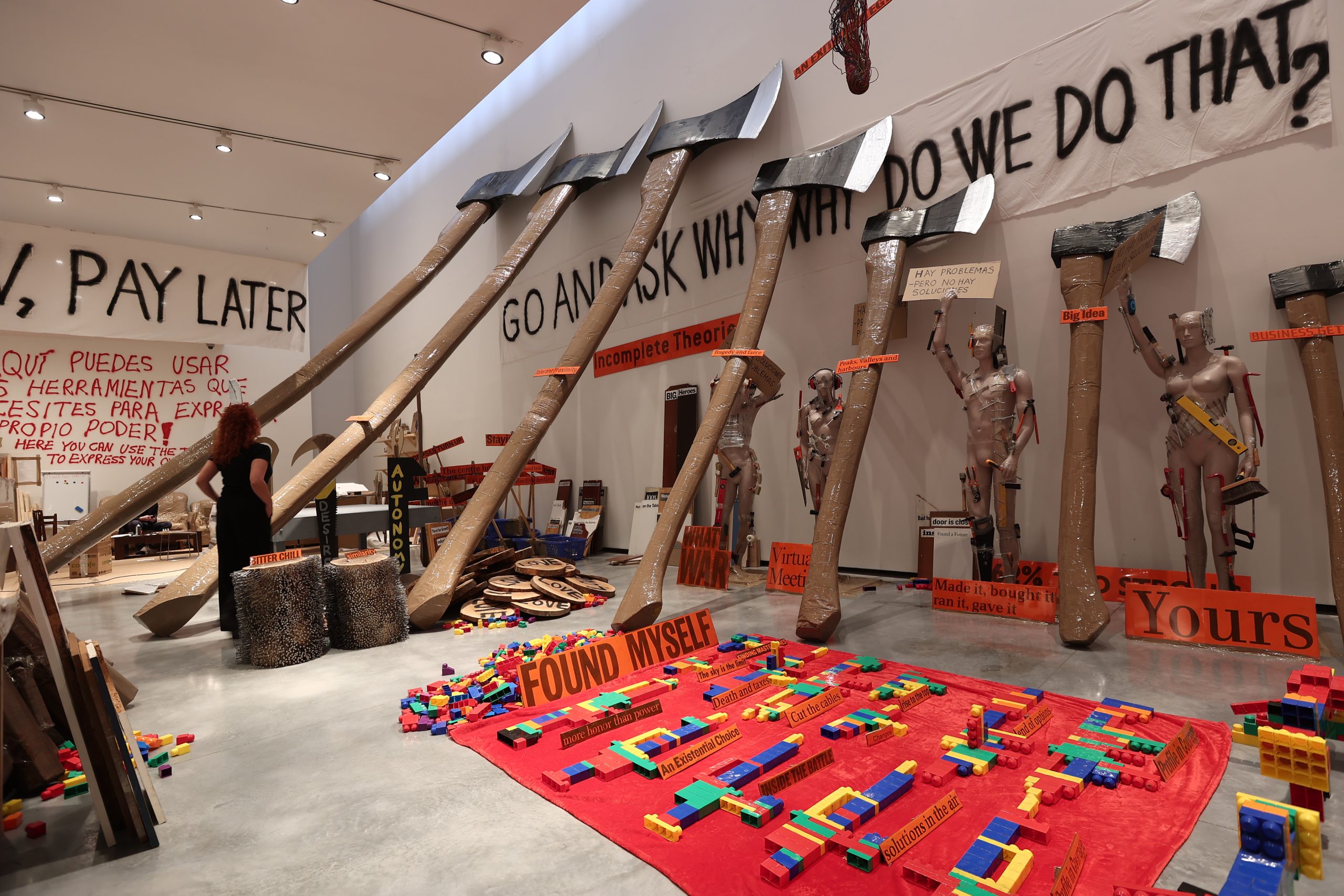
The Helga de Alvear Museum in Cáceres is opening a new exhibition dedicated to Thomas Hirschhorn, following the Santiago Sierra exhibition. Titled My Atlas # Our Atlas , it will be the first major retrospective in Europe in 20 years dedicated to the Swiss artist, and will run from November 14th until May 2026.
The exhibition, curated by Sandra Guimarães, traces Hirschhorn's career through some of his early iconic works, never before exhibited, in dialogue with new pieces created especially for this occasion, such as My Atlas (2025) and Gravity, Mass and Democracy (2025).
In addition, the museum presents Fake it, Fake it – till you Fake it (2023), a monumental work that will be shown for the first time in Europe and for the second time worldwide. The exhibition also includes a reconfiguration of Power Tools (2007), an installation already in the museum, along with its activation through the new Power Tools Workshop (2025).
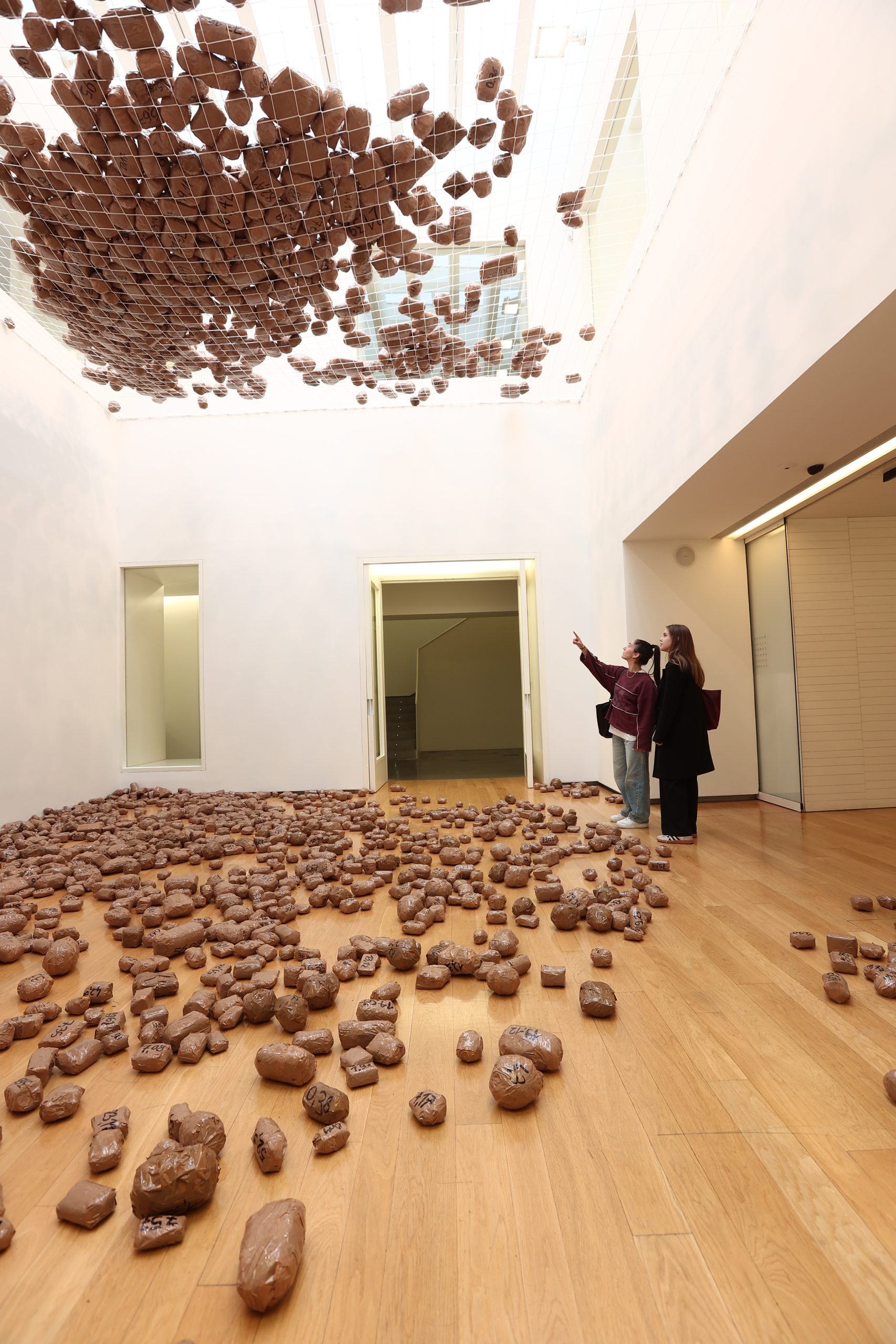
Thomas Hirschhorn, born in 1957 in Bern, Switzerland, is one of the most provocative and influential contemporary artists. His work is characterized by large-scale installations and sculptures made from everyday and inexpensive materials, such as cardboard, wood, adhesive tape, and metal sheets. Through these pieces, Hirschhorn addresses political and social issues, exploring themes such as power, inequality, consumerism, and mass culture. The artist also seeks to generate collective experiences, engaging the public and questioning the hierarchies of art and institutional spaces.
My Atlas (2025) represents Hirschhorn's personal interpretation of the concept of an "atlas," drawing inspiration from Aby Warburg's Mnemosyne Atlas . The work acts as a common thread, connecting not only his previous creations but also, and particularly relevant in the current context, the relationship between the individual and the collective. With this project, Hirschhorn reveals the internal logic of his artistic practice.
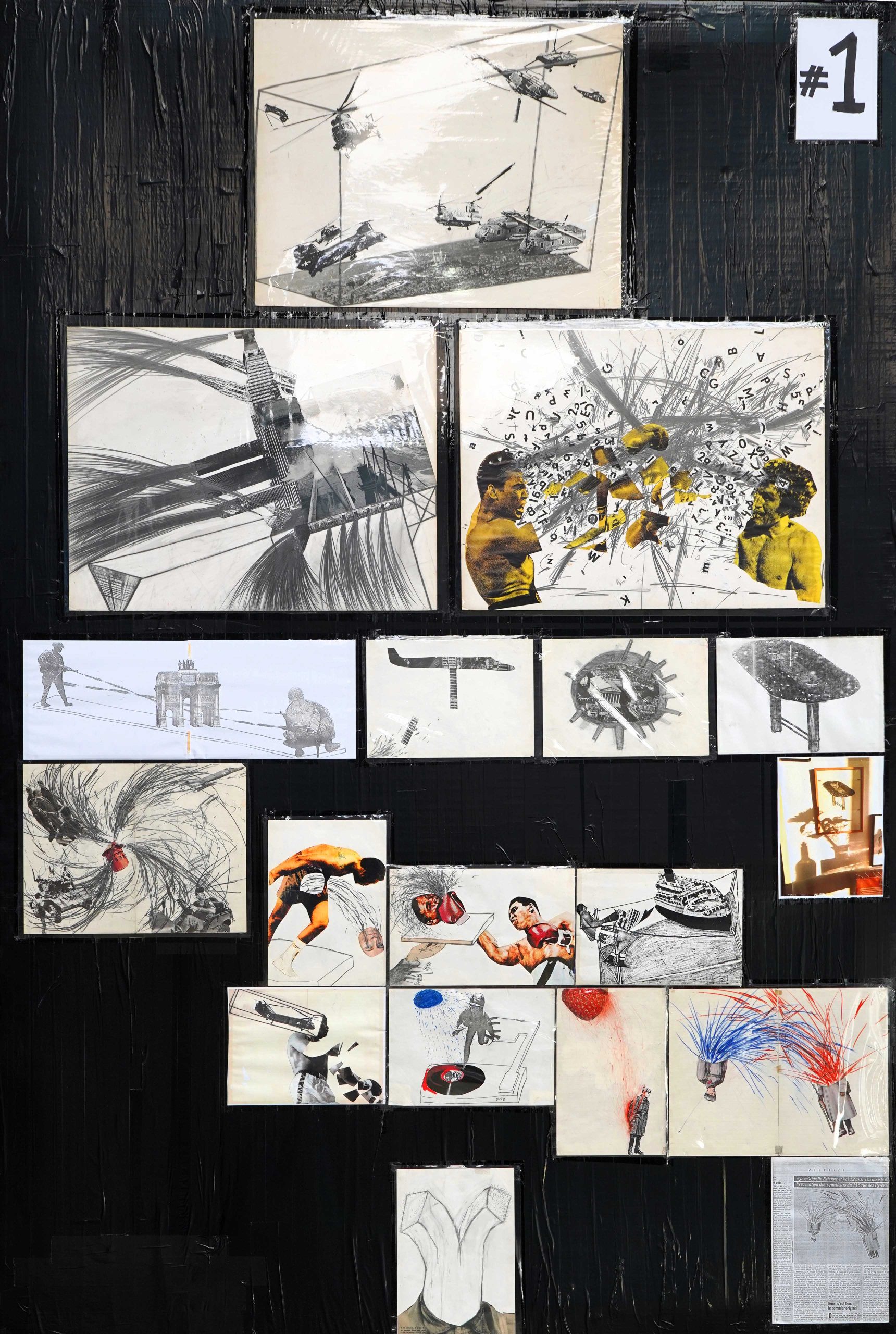
The artist describes it as "a horizontal statement," displayed across forty-five large cardboard panels covered in black plastic, where images of his works are juxtaposed, numbered up to forty-three, including two double panels. Some of these panels are accompanied by display cases with original pieces, while others show works arranged on the floor, creating a veritable visual "map" of his oeuvre.


You may be
interested
...