Exhibitions
Juan Muñoz returns to the Prado with a contemporary dialogue alongside the classical masters
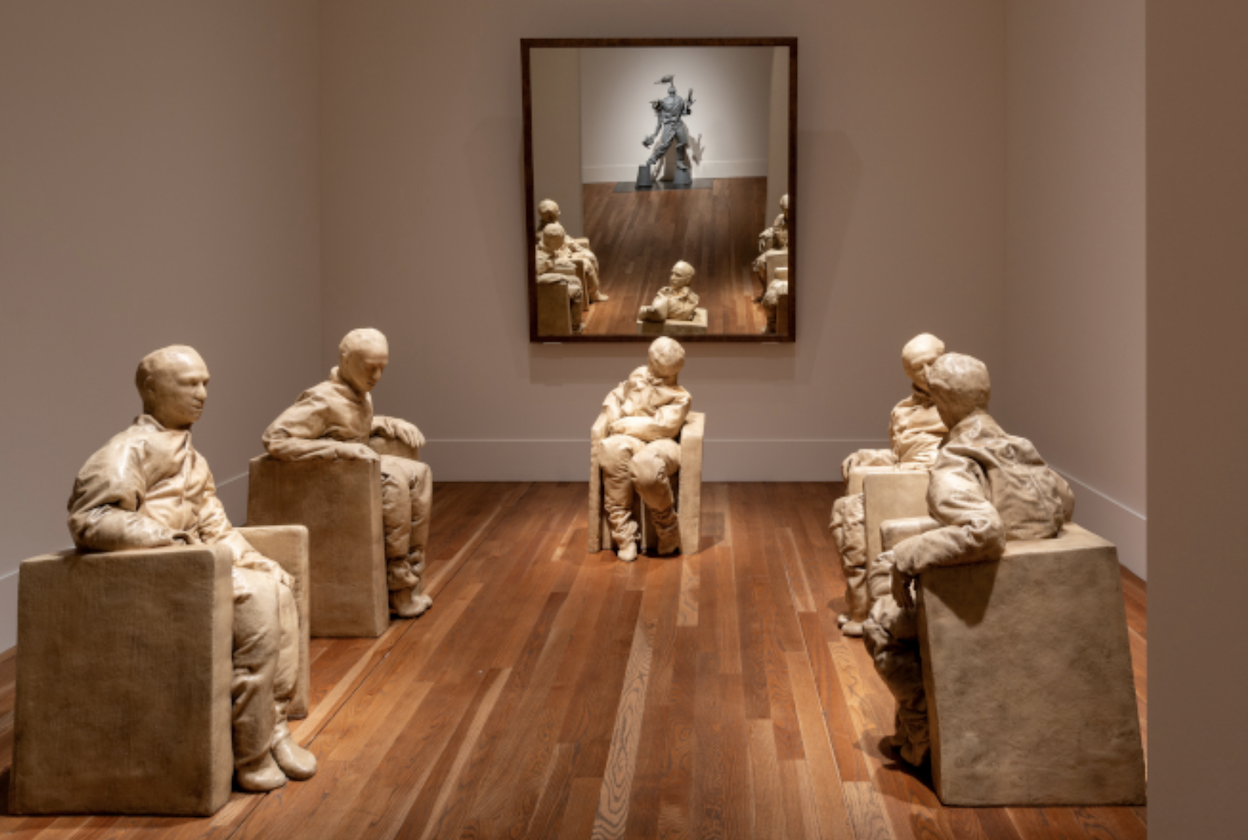
In the solemn halls of Madrid's Prado Museum, where Velázquez still holds the gaze of his ladies-in-waiting and Goya murmurs in chiaroscuro, a different presence begins to emerge. These are the silent figures of Juan Muñoz, those characters suspended between laughter and unease, advancing like contemporary shadows within a temple of old masters.
The Prado Museum opens its galleries to a presence that seemed to await us in silence: Juan Muñoz. "Stories of Art ," a major temporary exhibition at the art gallery that displays several of his works among the pictorial temples of the Old Masters. The museum thus welcomes back one of its most loyal visitors, an artist who found within these walls not only inspiration, but also an intimate setting in which to reflect on time, space, and perception.
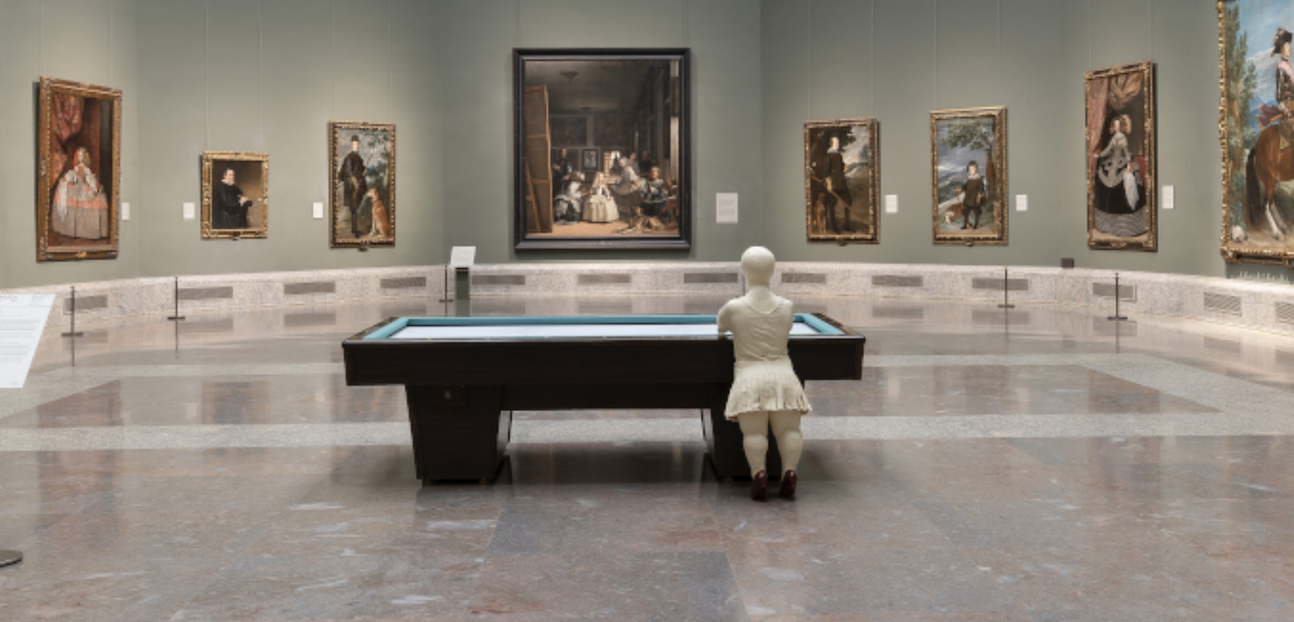
Image of the exhibition rooms “Juan Muñoz. Art Stories” Photo ©National Prado Museum/Luis Asín.
Juan Muñoz (1953–2001), a key figure in contemporary Spanish art, symbolically returns to the place that nourished his imagination. His work, always imbued with enigmas, maintains a subterranean dialogue with the Renaissance and the Baroque: eras when architecture unfolded like a theater and perspective was a way of summoning the viewer into the heart of the image. In Muñoz's work, these legacies are transformed into disquietude, into suspended gestures, into figures that inhabit the boundary between presence and disappearance.
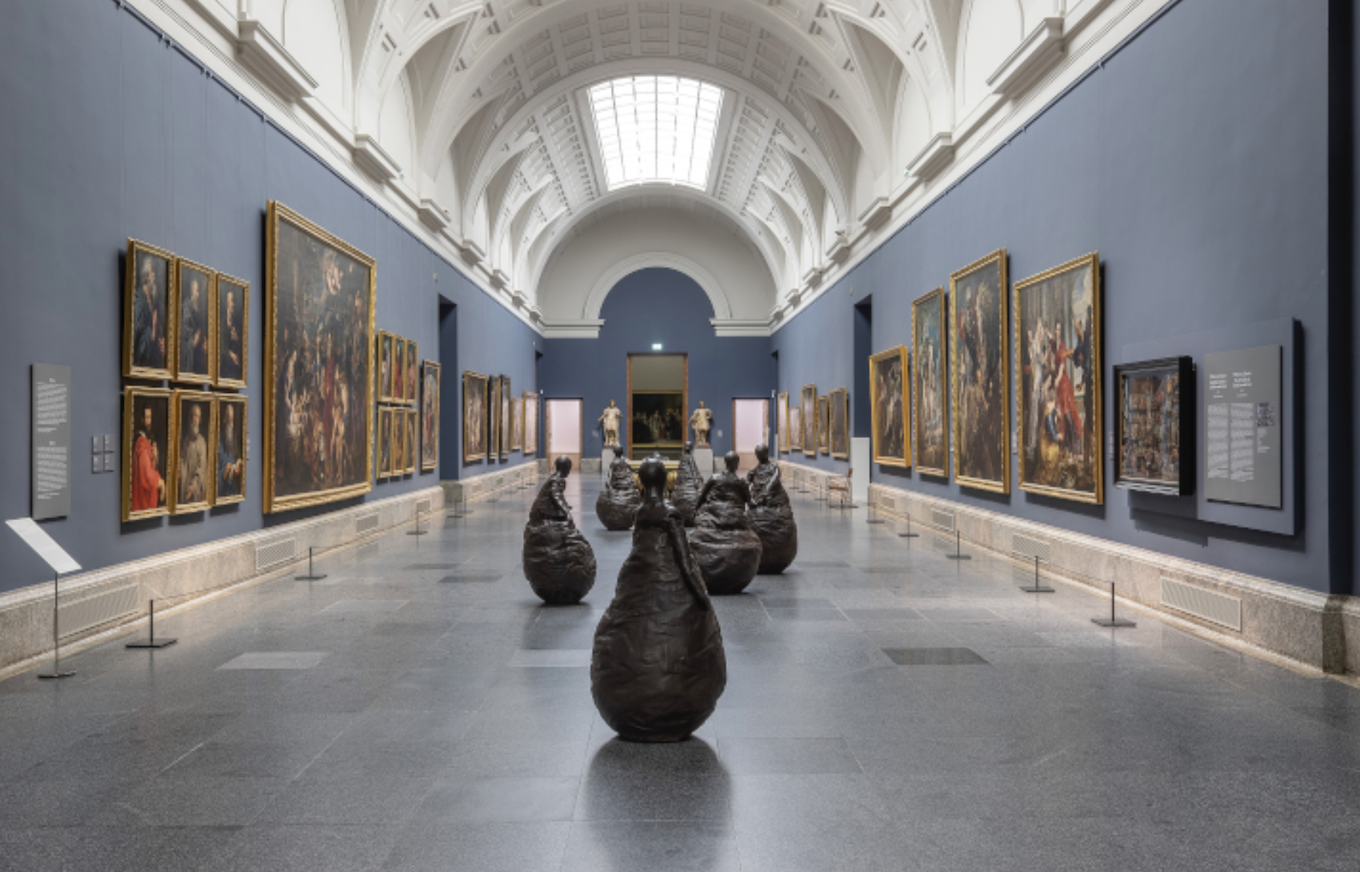
Now installed in the Prado's galleries, his sculptures seem to listen to the masters who came before him. They converse with Velázquez's oblique light, Goya's theatricality, and the austere geometry of architects of the past. His art, made of shadows and silences, reveals a profound affinity with the tradition that shaped him, not as a nostalgic homage, but as a poetic rewriting of that legacy.
This exhibition is not merely a journey, but a choreography of gazes: the artist's gaze upon the museum, the museum's gaze upon the artist, and the gaze of the public who discover how contemporary sculpture can stretch the invisible threads that connect different centuries. In this encounter, the Prado becomes a stage where time folds back, and the silent voice of Juan Muñoz resonates once more among works that have always been his companions.
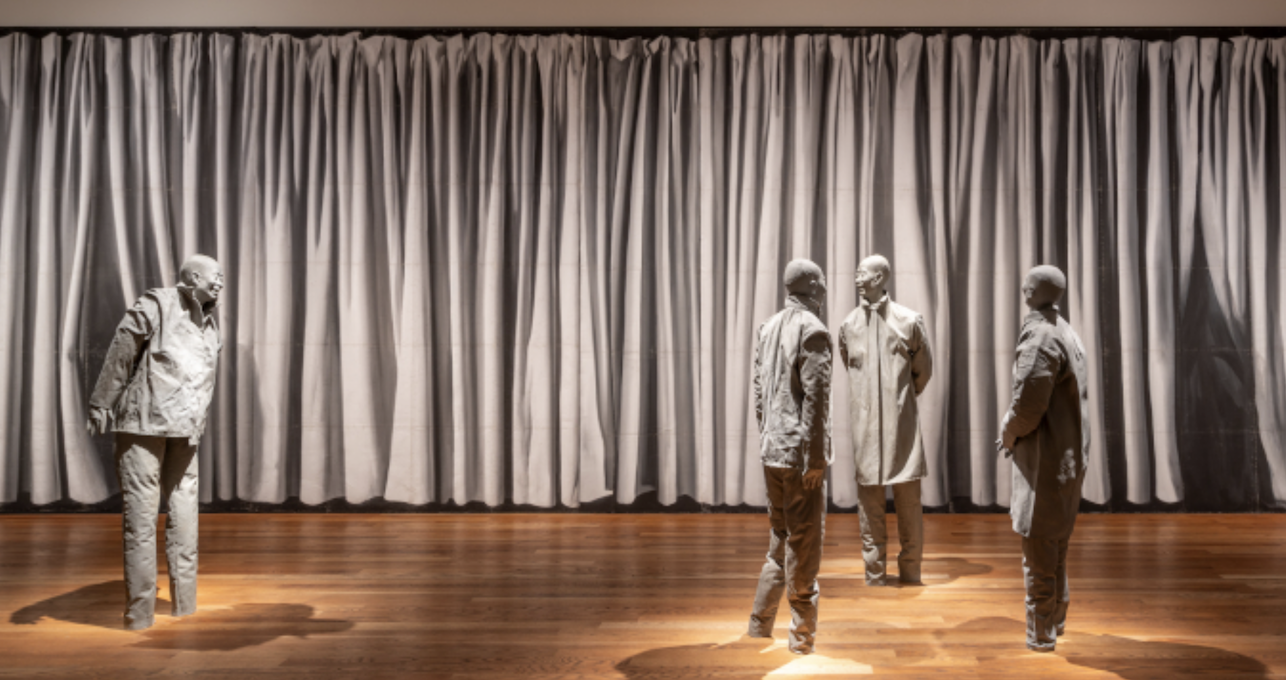
Curated by Vicente Todolí, former director of Tate Modern (2003–2010), the exhibition—running until March 8, 2026—until its conclusion, unfolds across rooms C and D of the Jerónimos building and various spaces within the Villanueva building. There, installations, sculptures, personal books, cabinets filled with small figures, drawings, and prints intertwine, offering a glimpse into the intimate world of Juan Muñoz.
The exhibition is divided into two distinct sections. On the one hand, an intimate tour in two rooms of the Jerónimos building, dedicated exclusively to Muñoz's sculptures, where emblematic works such as The Prompter and The Nature of Visual Illusion can be seen. On the other, a bolder and more expansive space, spread across the exterior, two painting galleries, and the staircases of the Villanueva building, where the sculptures intertwine with the traditional museum visit, establishing a direct and fascinating dialogue with paintings by Rubens and Velázquez. In this encounter, the contemporary and the classical meet face to face, transforming the Prado experience into a vibrant and surprising spectacle.
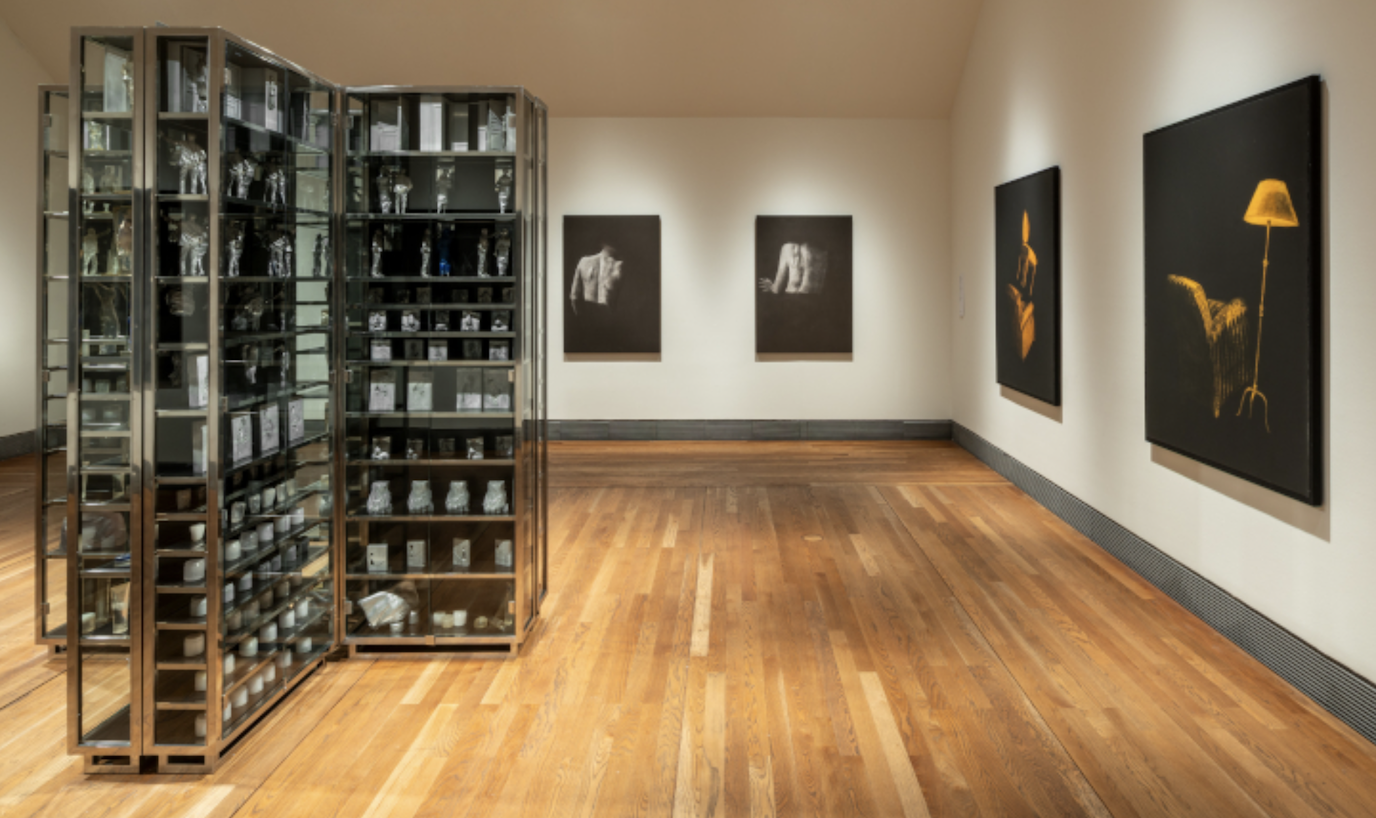
Full of audacity, humor, and an intense artistic and human vision, the exhibition reflects the essence of Juan Muñoz, one of the most internationally renowned Spanish artists of the late 20th century. The show explores the passionate and erudite relationship the artist maintained with the great classical masters, revealing how his contemporary work engages with centuries of art history.
Each piece acts as a key to deciphering the artist's profound affinity with the great masters of the Prado, especially Velázquez and Goya, as well as with the traditions of the Renaissance, Mannerism, and Baroque. It is a map of affinities, a silent dialogue between centuries, where Muñoz's work reveals its secret lineage and its ongoing conversation with the history of art.


You may be
interested
...