Exhibitions
Yoko Ono takes over MUSAC with the biggest exhibition of the Japanese artist in Spain in a decade
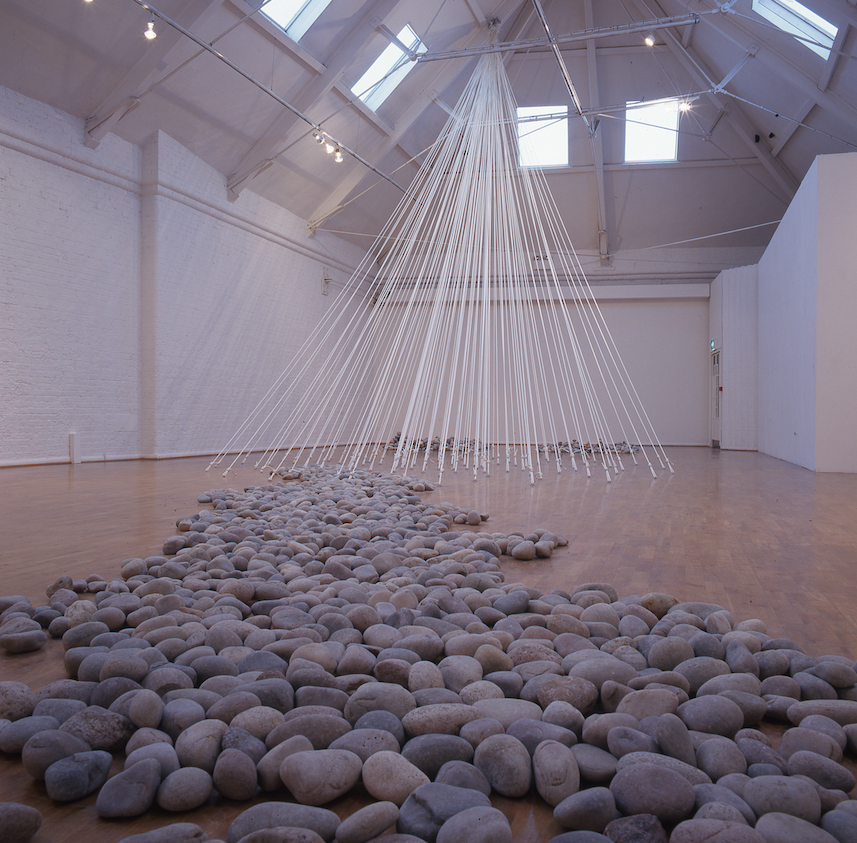
The MUSAC (Museum of Contemporary Art of Castile and León) is opening the most comprehensive Yoko Ono exhibition in Spain in the last ten years. Titled Yoko Ono: Insound and Instructure , the exhibition spans 1,700 square meters and offers a broad overview of the career of this Japanese artist, a pioneer of conceptual and participatory art, experimental film, and performance art, as well as a renowned musician and world peace activist. The exhibition celebrates the influence and reach of a body of work that continues to challenge conventions and provoke thought.
The exhibition at MUSAC is structured precisely around these concepts, presenting more than 70 pieces that trace a historical and thematic journey through Ono's work, from her early conceptual art proposals to her most recent productions. The exhibition will be on view until May 17, 2026, and has been curated by Jon Hendricks, Connor Monahan, and Álvaro Rodríguez Fominaya, who have designed a program that emphasizes both the conceptual and experimental dimensions of her work, as well as her commitment to activism and social transformation.
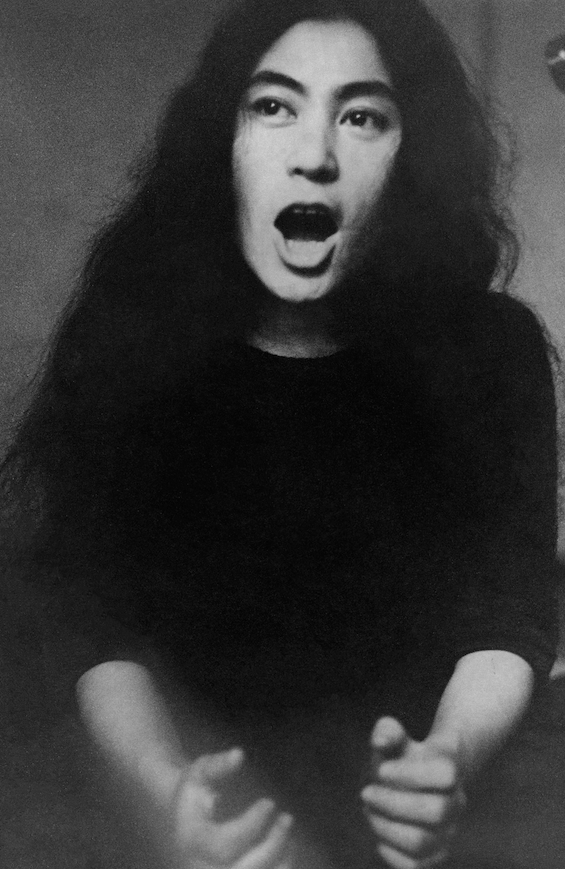
Yoko Ono, Voice Piece for Soprano, 1961. Photographed in September 1966. Performed by Yoko Ono at Two Evenings with Yoko Ono, Africa Centre, London, September 28–29, 1966. Presented at the Destruction in Art Symposium (DIAS). Photograph by Nigel Hartnup. © Yoko Ono.
From November 8th to May 17th, in rooms 3 to 6, the Museum of Contemporary Art of Castile and León (MUSAC) has created one of the top exhibitions of the year. The exhibition's title refers to a historic concert and exhibition that Ono presented on July 20, 1964, at 6:00 p.m. in the Yamaichi Hall in Kyoto. The terms "Insound" and "Instructure" allude to her unique way of integrating sound and instruction into her artistic practice, concepts that have remained a guiding thread in her work for over six decades.
One of the cornerstones of Ono's creative process is the series of "Instructions," text-based works that invite the reader or viewer to imagine, experiment, create, or complete the piece, making the idea and participation the true driving force behind her work. Thus, in Ono's work, thought and imagination take precedence over physical materials, placing the idea at the heart of her artistic practice.
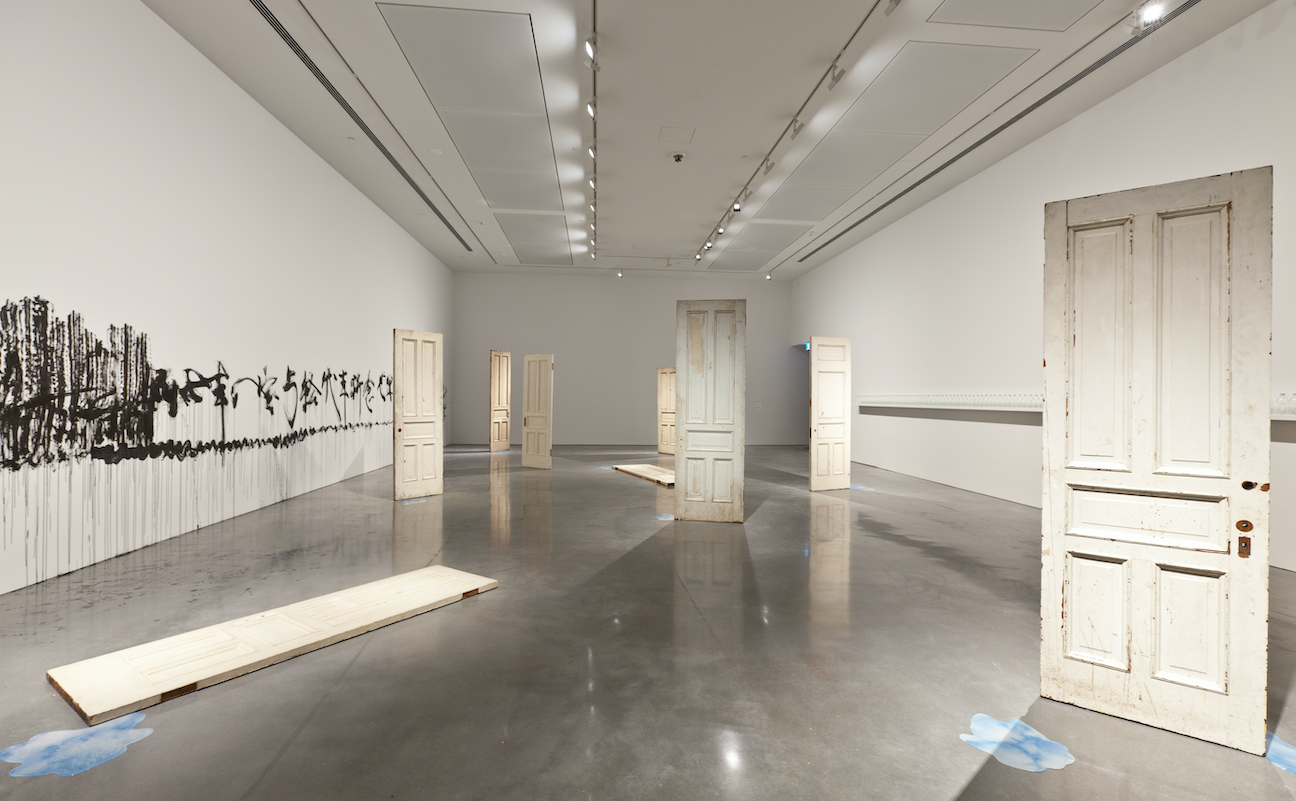
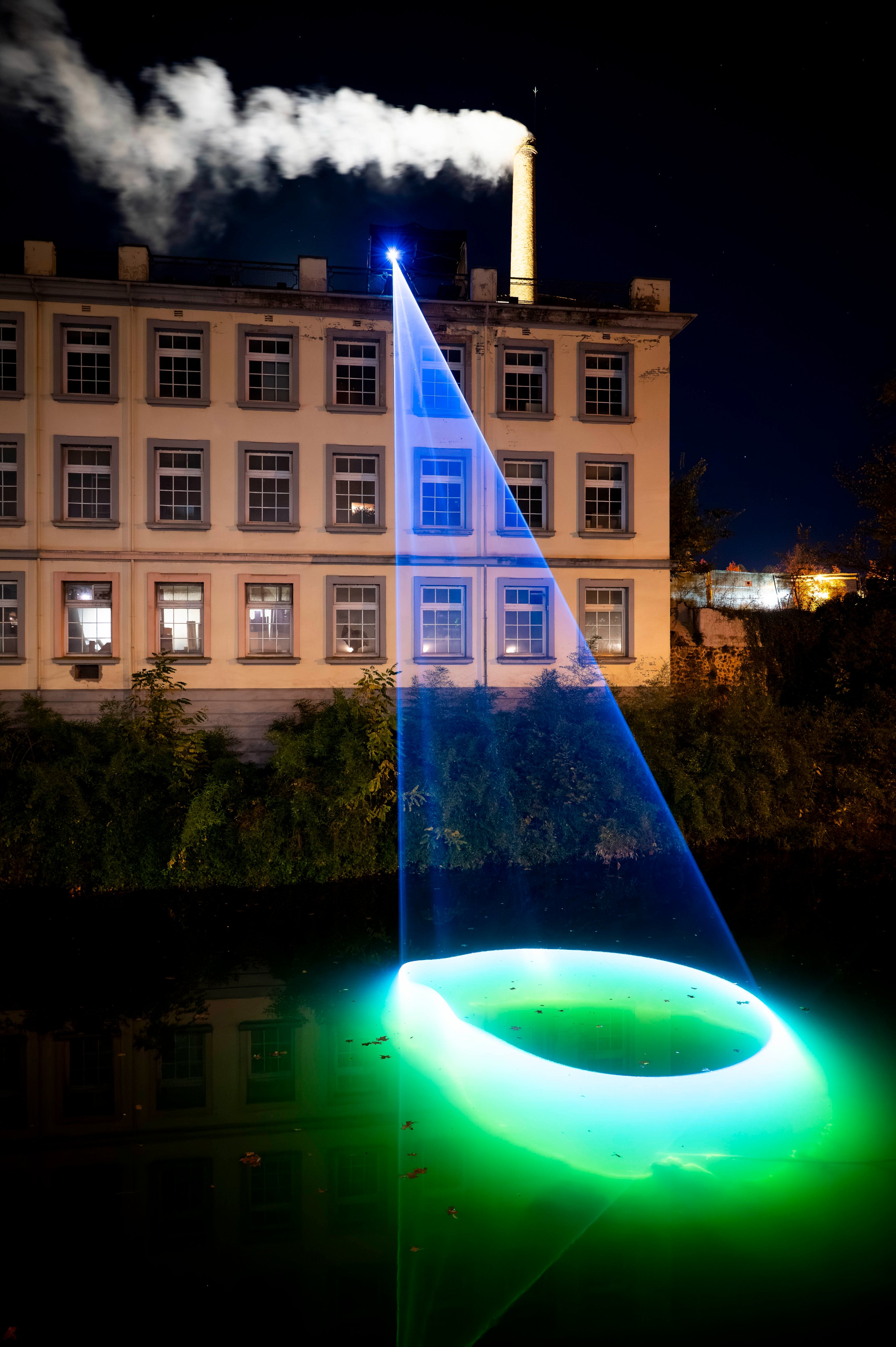
Yoko Ono, DOORS with SKY PUDDLES , 2011. Installation view at WAR IS OVER! if you want it , MCA Sydney, Sydney, Australia, 2013. Photograph by Alex Davies © Yoko Ono.
The exhibition offers a journey through the diverse techniques Yoko Ono has explored throughout her career, including performance, film, music, installation, painting, and photography. Among the selected works are some of her most emblematic creations, such as Cut Piece (1964), Voice Piece for Soprano (1961), and Draw Circle Painting (1964), the latter conceived to be completed with the active participation of the public.
With this exhibition, MUSAC offers the Spanish public a unique opportunity to get closer to the figure of Yoko Ono, an artist who has challenged the conventions of art, expanding the limits of creativity and the participation of the spectator, and leaving an indelible mark on the history of contemporary art.
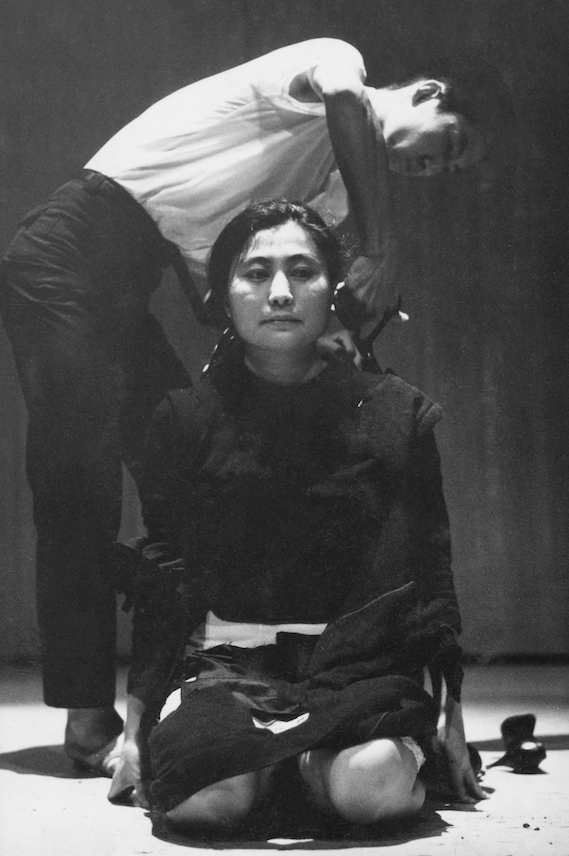
Yoko Ono, Cut Piece, 1964. Performance at Sōgetsu Art Center, Tokyo, Japan. Photograph by Minoru Hirata. Courtesy of Yoko Ono.


You may be
interested
...