Exhibitions
“On design and invisible people”: an exhibition that gives voice to those who often have none
An exhibition that unites art, design and social inclusion. Through pieces created with groups at risk of exclusion, designer Curro Claret transforms the creative process into a tool for visibility and social change.
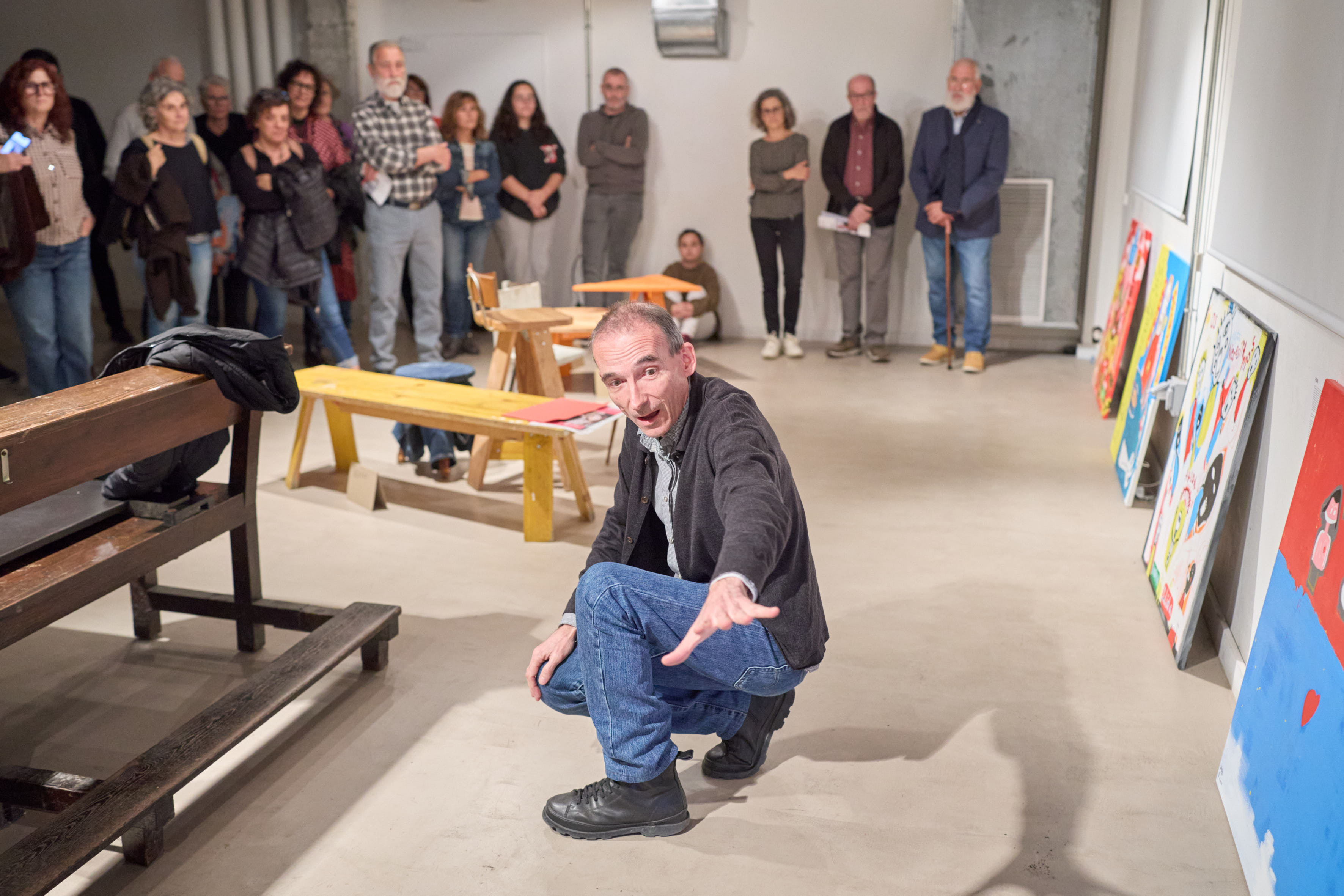
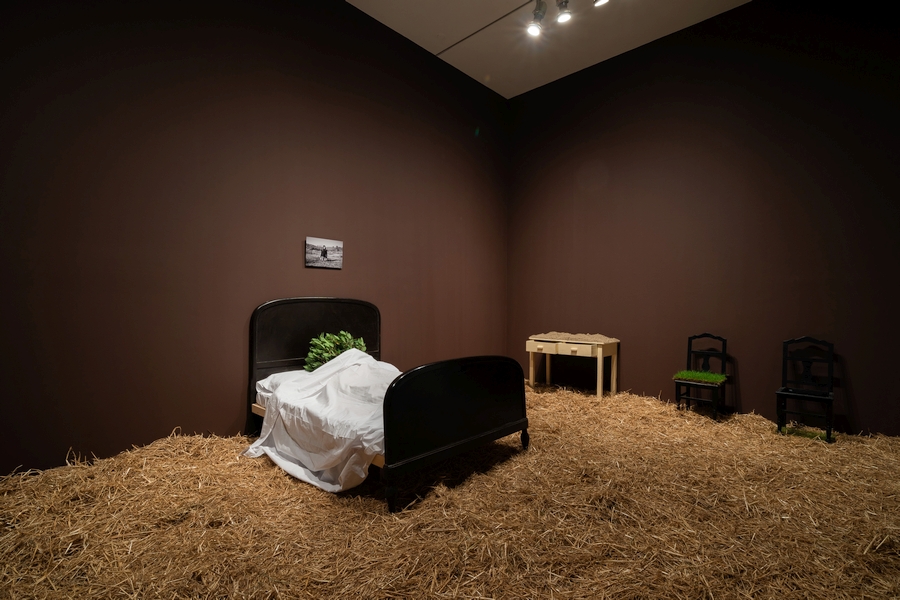
The Lluís Coromina Foundation presents on November 7th Sobre disseny i persones invisibles , the new temporary exhibition at the Banyoles space, which invites the public to reflect on the relationship between design, creativity and social inclusion. The exhibition brings together a selection of furniture pieces created over the last fifteen years by the designer Curro Claret, in collaboration with various people and groups who often find themselves in situations of vulnerability or risk of social exclusion.
Each piece on display is the result of a shared process, where design becomes a tool to generate opportunities, recognition and new forms of dialogue. Claret has worked closely with social entities and with people who, through these projects, have been able to develop skills and find a way to express themselves creatively.
Most of the projects and creations exhibited have been developed within the framework of a workshop, understood as an open space for experimentation and creative freedom. In these environments, the process becomes an opportunity to foster personal initiative, try out new ideas and test one's own capacity for improvement.
These pieces that are part of the Lluís Coromina Foundation exhibition have been created in the workshops of La Troballa, by Arrels Fundació, an entity that has been working in Barcelona for more than three decades alongside people who live or have lived on the streets.
The exhibition highlights the importance of design as a vehicle for social transformation and the visibility of those “invisible people” who are often left out of the dominant narrative. It also invites visitors to rethink the role of the designer and the public in building a more empathetic, open and participatory society.
You may be
interested
...