News
The Government will promote the comprehensive rehabilitation of the Palau de Pedralbes
The project envisages a complete action to resolve the structural and accessibility deficiencies of the Palace, which will become the second institutional headquarters of the Government and will also host cultural and international activities.
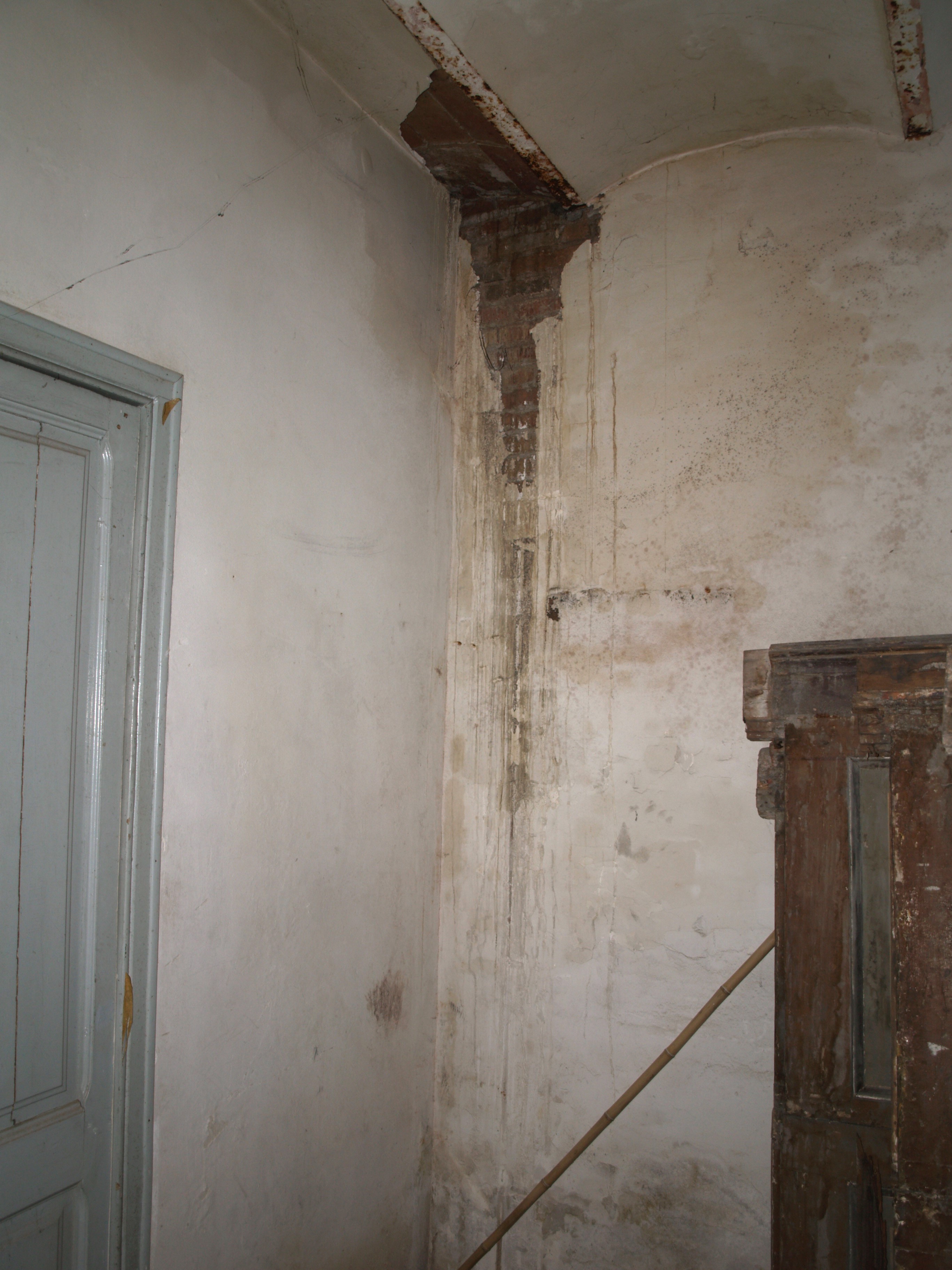
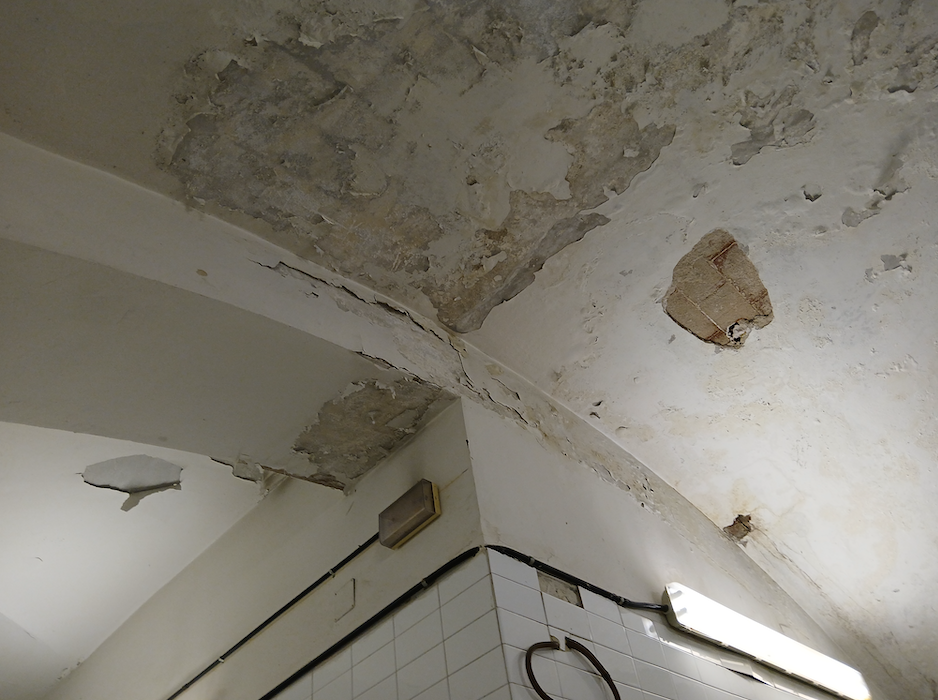
The Palau de Pedralbes will face a complete rehabilitation after decades without a global intervention. Structural deficiencies, moisture leaks and lack of accessibility and security have made in-depth action essential in this Cultural Asset of National Interest, which has never been addressed in a comprehensive manner until now.
This Monday, the Executive has put out to tender the ideas competition that will define the architectural project of the complex. Among other aspects, the competition will determine the creation of a new access and the improvement of the building's vertical connectivity, with the aim of adapting it to current standards and facilitating its institutional and public use.
The reform will also entail a redefinition of the uses of the Palace, which is planned to become the second institutional headquarters of the Government, in addition to a space intended to host international meetings and cultural activities. The works, which will be carried out in phases, are expected to begin in the summer of 2028.
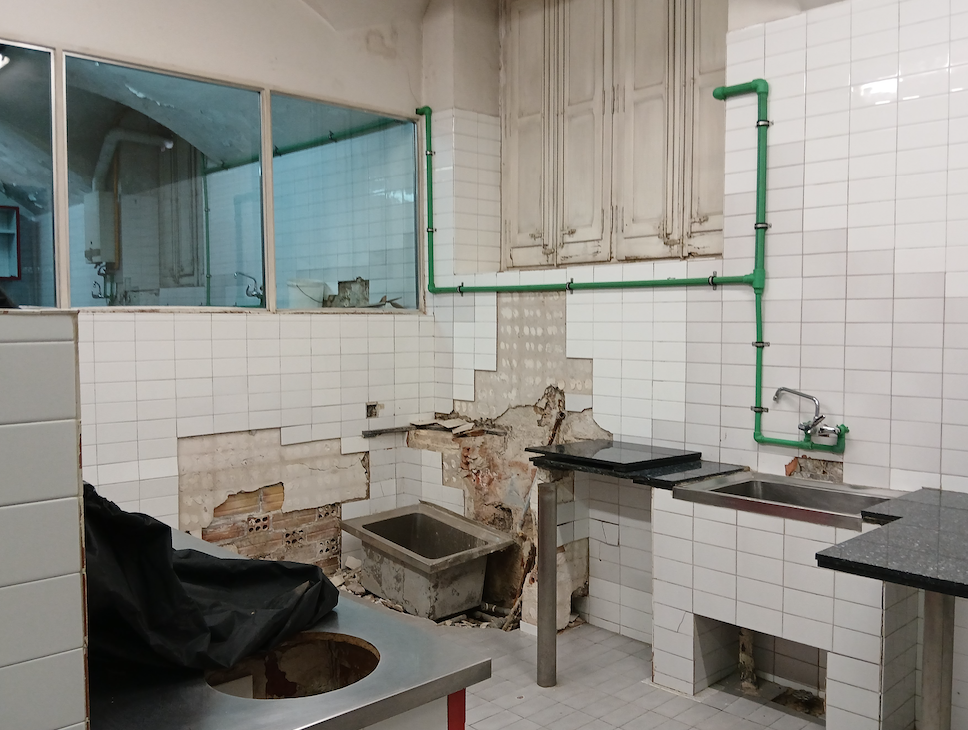
The Palau de Pedralbes is already showing obvious signs of degradation that make urgent intervention essential. Although the current state does not prevent the holding of specific events, technical reports warn of various deficiencies, both structural and maintenance, as well as poor waterproofing that has favored the presence of humidity and other interior damage. Important shortcomings have also been detected in terms of accessibility.
Given this situation, the Government considers it necessary to take advantage of the future reform to organize and update the uses of the building. Since 2022, specific maintenance actions have been carried out, but never before has a comprehensive rehabilitation been considered that addresses all these challenges in a global way.
Adaptation in 2005
The process of transferring the Palau de Pedralbes from the Barcelona City Council to the Generalitat de Catalunya began in 2005 and was not completed until June 2, 2022, when the change of ownership and powers was definitively formalized.
As early as 2006, part of the ground floor of the Palace was adapted to house the offices of the Department of the Presidency. Subsequently, from 2010, renovation works were carried out on the eastern sector of the building to adapt it as the headquarters of the Union for the Mediterranean (UPM), an international organization based in Barcelona.



You may be
interested
...