News
Fina Miralles, referent of Catalan conceptual art, National Prize for Plastic Arts 2025
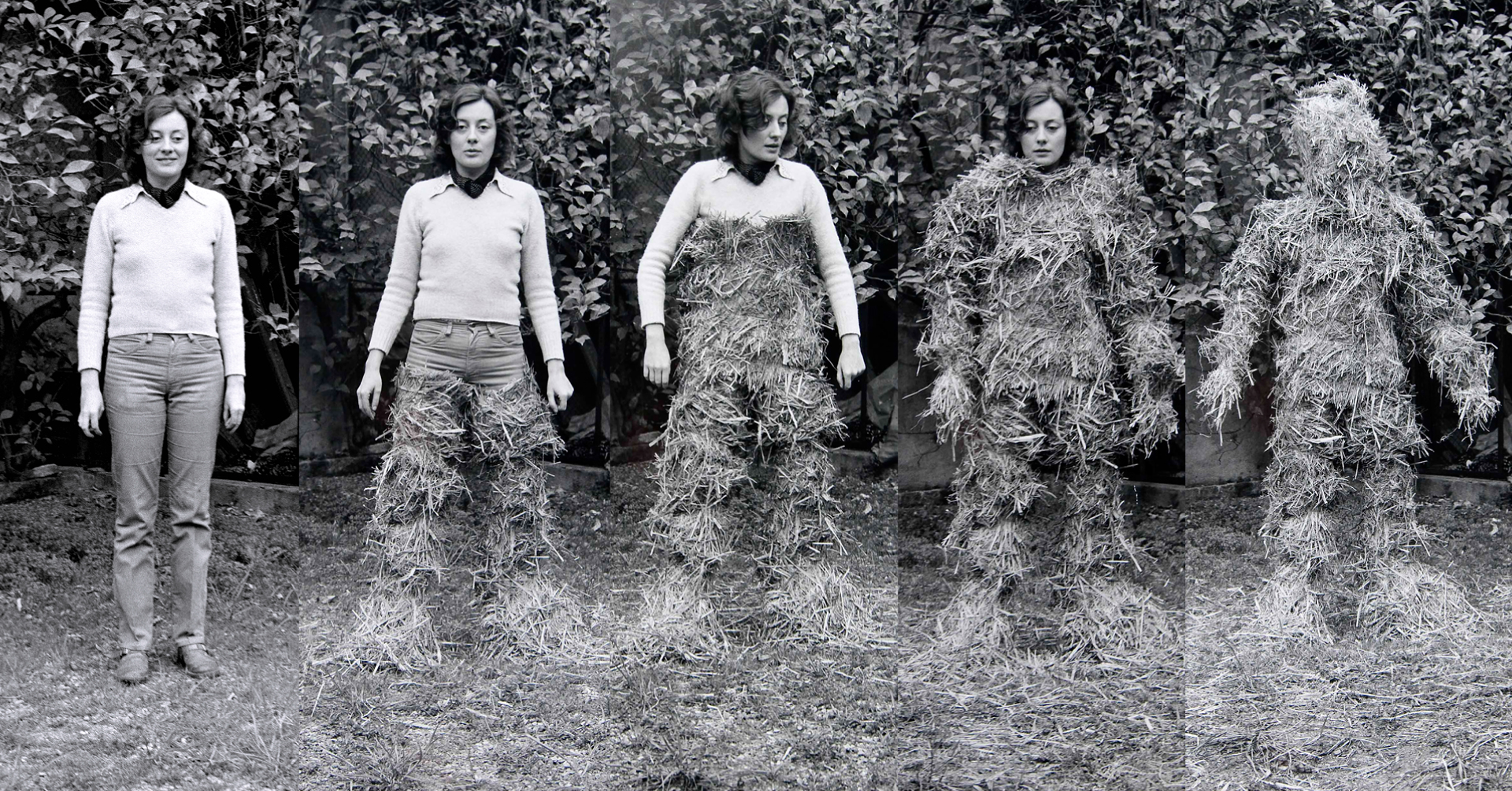
The jury awarded her “for her pioneering role within the framework of feminism and early ecological positions, vindicating the relationship between human beings and nature.” The prize, granted by the Ministry of Culture, is endowed with 30,000 euros.
The conceptualisms that extend chronologically between 1964 and 1980, from the end of informalism and the beginning of pop art and new figurations, to the return to painting in the eighties, inaugurate new practices and languages, such as action, video or experimental cinema. They constitute a paradigm shift in art and are located at the foundation of the most current practices, based on the culture of the project. An art that abandons the object in favor of the idea, that changes physicality for an assessment of the work process and that explores new concepts such as the dematerialization of the work of art. They address new relationships between art and language, art and politics, art and nature, and art and media and other fields emerge such as visual poetry, postcard art or the artist's book. In this context, they establish the natural/artificial dialectic and include works related to art povera' and 'land art'. Many artists practiced actions related to the body and nature in a line preceding environmentalism. Among others, Fina Miralles herself, Francesc Abad, Francesc Torres, Àngels Ribé, Pere Noguera, Pep Domènech, Antoni Muntadas, Manel Valls or Carles Pujol.
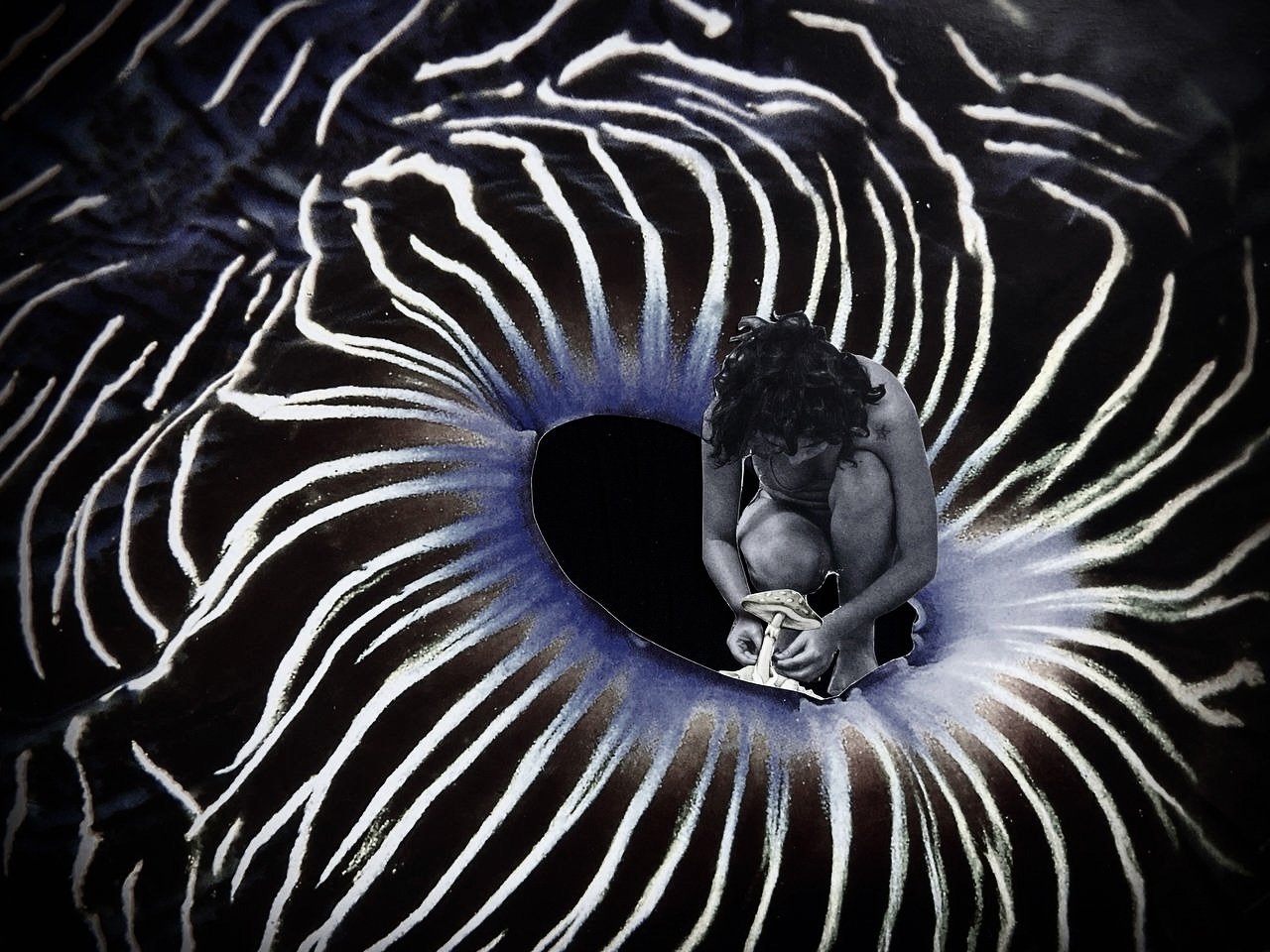
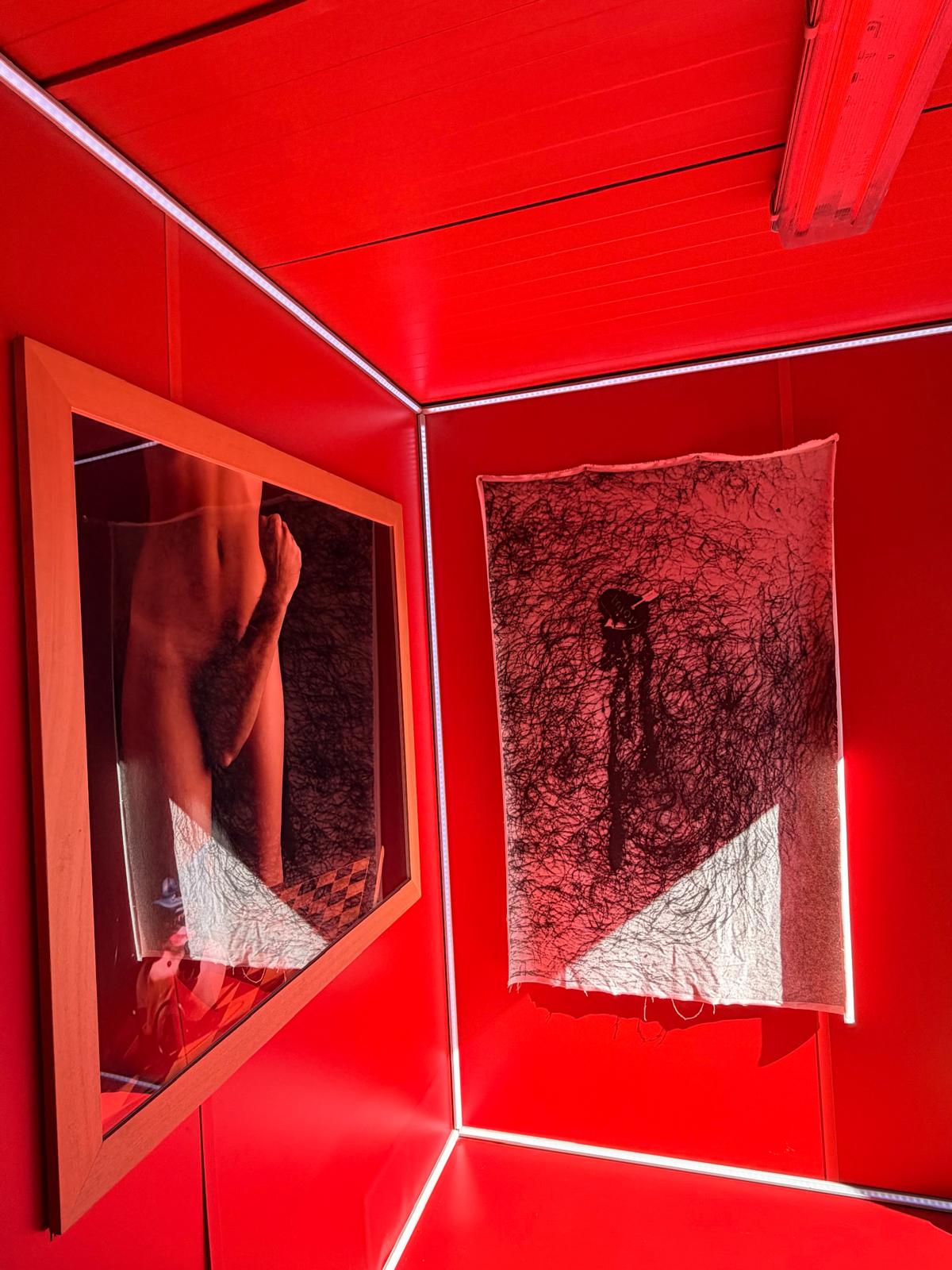
Fina Miralles (Sabadell, 1950) is one of the key figures in Catalan art of the last fifty years and one of the most recognized conceptual artists who broke with the boundaries of artistic conventions. She deals with themes such as feminism, nature and power through performative actions carried out by herself, with the help of photography, painting, video and collage. She carried out actions in nature, where she involved elements such as trees, earth, water and her own body in her pieces. Her career is crucial for understanding the relationships established between art and nature, the links with power, the condition of women, or the artist herself as an artistic object. These are some of the multiple facets that she has developed throughout her artistic career and that must be claimed as one of the most radical and free proposals in the art of this country. For this reason, the jury noted that "his work possesses a very powerful iconicity that extends its validity to the present. He carries out an acute critical reflection on power in all its aspects. In recent years he has carried out a profound textual reflection in which he addresses the human experience adopting a holistic perspective."
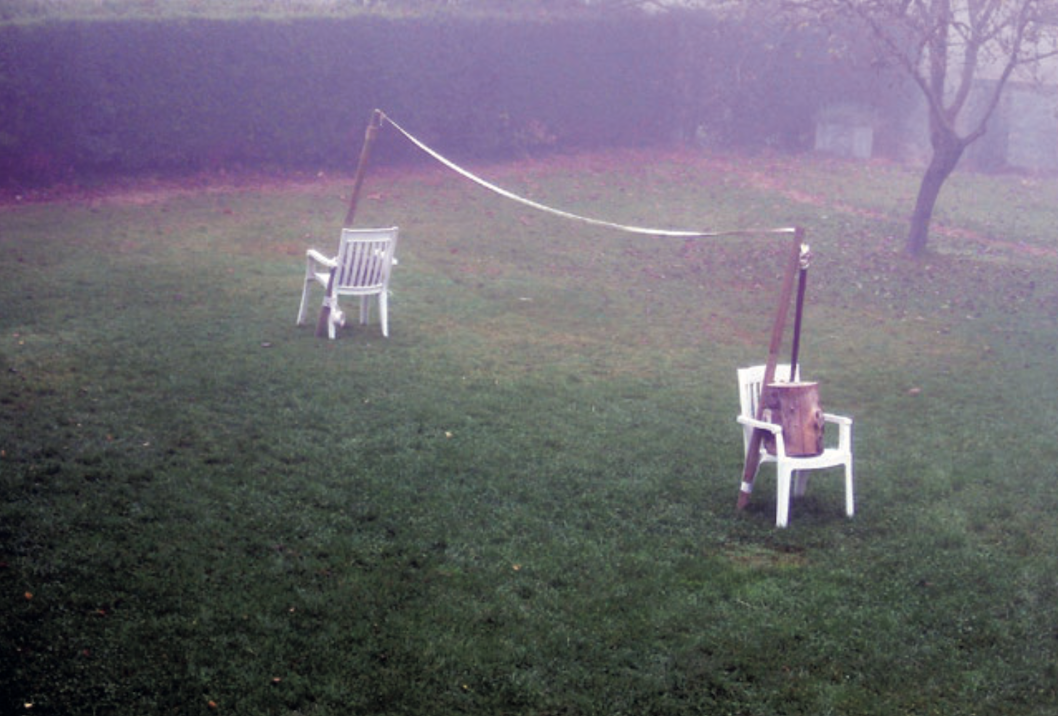
In the seventies, she began as a conceptual artist, and began to work by leaving aside the concept of a workshop to connect with nature, using natural materials without any transformation and avoiding the artificial. Miralles blurred the boundaries between trends and labels to the point that in 1973 she became a Tree-Woman when she stood in the middle of a field and buried her legs in the earth. Avoiding the idea of the body as an aesthetic support, she investigated self-knowledge and feminist emancipation, through processes of movement and body dynamics. She began the series Translacions ; a series of actions that consisted of moving different elements of nature and placing them in an unusual context. Among the many actions and performances of that period, some stand out as singularly challenging. For example, the one he presented in 1974 at the Sala Vinçon in Barcelona, entitled Images from the zoo in protest against the confinement of animals in poor conditions, deprived of their freedom. It consisted of photographs resulting from his confinement for three days in a cage, next to three other cages with a dog, a lamb and a frog,
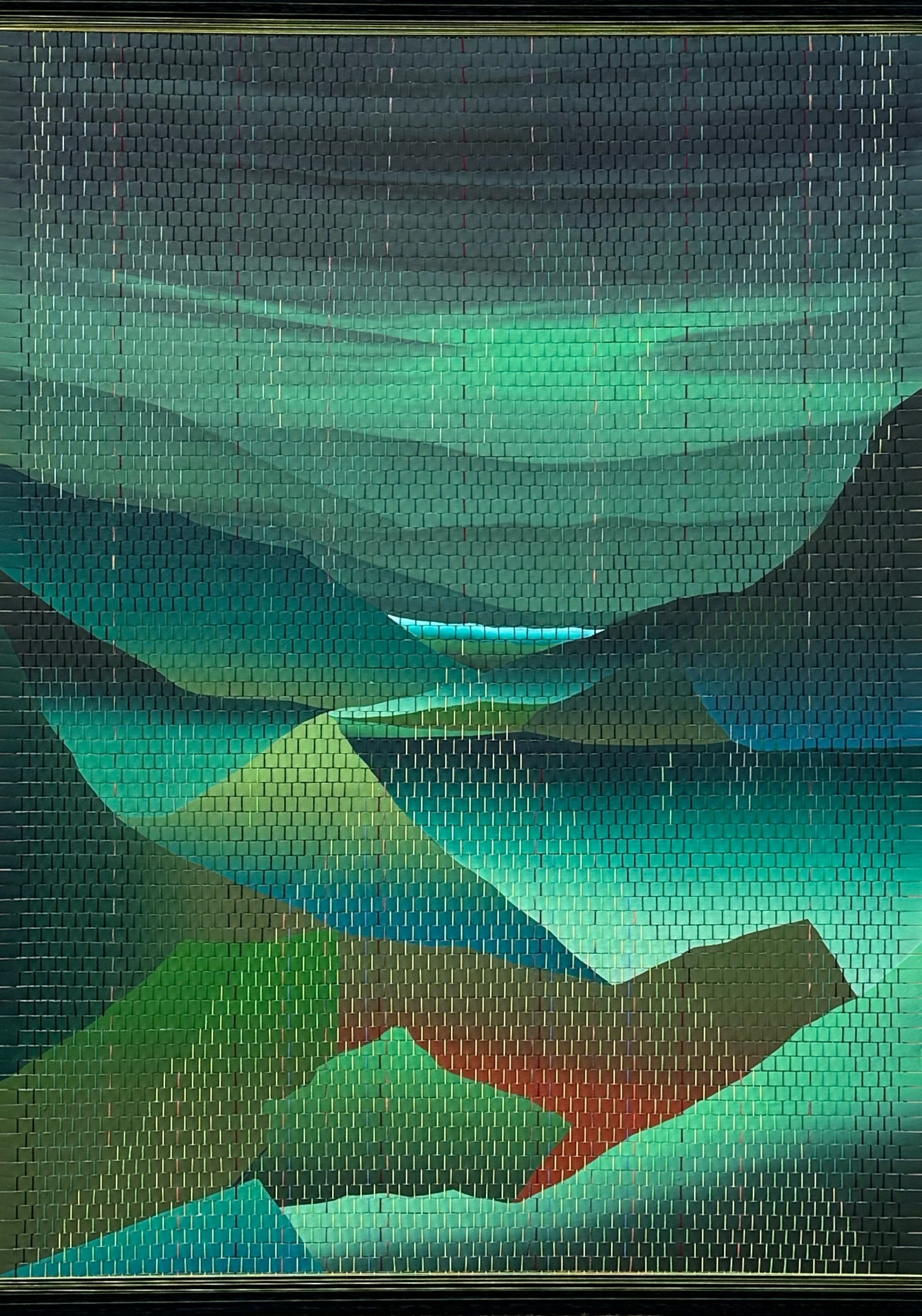
With the death of the dictator, Miralles created works on social and political themes such as totalitarianism, structural violence and patriarchy. From 1983 onwards, she began a vital pilgrimage that took her to South America, France and Italy, among others. She left performances, videos, installations and artist's books to turn abruptly towards painting as a landscape to investigate what she calls "the invisible/visible"; a search for spirituality, with gestural and symbolic inscriptions of great lyricism and simplicity. She reinterpreted the creative act as a return to ancient and millennial cultures, using drawing and writing as ways to open up to everything unknown. The study of Eastern philosophy allowed her to immerse herself in the perception of emptiness and expressive silence.
In 1978 she participated in the Paris and Venice Biennales as well as in the creation of Espai 13 of the Fundació Joan Miró. In 1999 she donated her photographic and documentary archive, her pictorial work and her travel notebooks to the Sabadell Art Museum, which in 2001 exhibited her. In 2014 she held the Nadala of the Fundació Joan Miró in Barcelona and in 2016 the Museo Arqueológico Nacional dedicated a monograph to her. In 2020 the MACBA organized the retrospective exhibition Fina Miralles. I am all those who I have been , curated by Teresa Grandas. In 2023 the Fundació Vila Casas presented Des de més enllà del temps . In 2018 she received the National Culture Award of the Generalitat de Catalunya and in 2021 she was awarded the honorary prize of the 14th edition of the GAC Awards. Since 1999 he has lived in Cadaqués, on the fringes of the art scene where he will continue to experiment in the well-known photo actions faithful to his daily dialogue with the land, the sea and the rhythms of nature. The four-volume edition of his writings with the title Fina Miralles. Fertile Words 1972-2017 highlights the deep relationship between the artist's writing and visual work. In his words: "Nature is my strength, the most intimate and profound. The emotion of belonging to the common root of all things."
This National Visual Arts Award not only recovers one of the figures of the conceptual legacy, but also puts the focus on women artists and especially on those who have lived from the resistance with a voluntary renunciation of the circuits and the commercialization of art.
You may be
interested
...