Exhibitions
Objects, power and desire: Nina Beier's first solo exhibition in Portugal
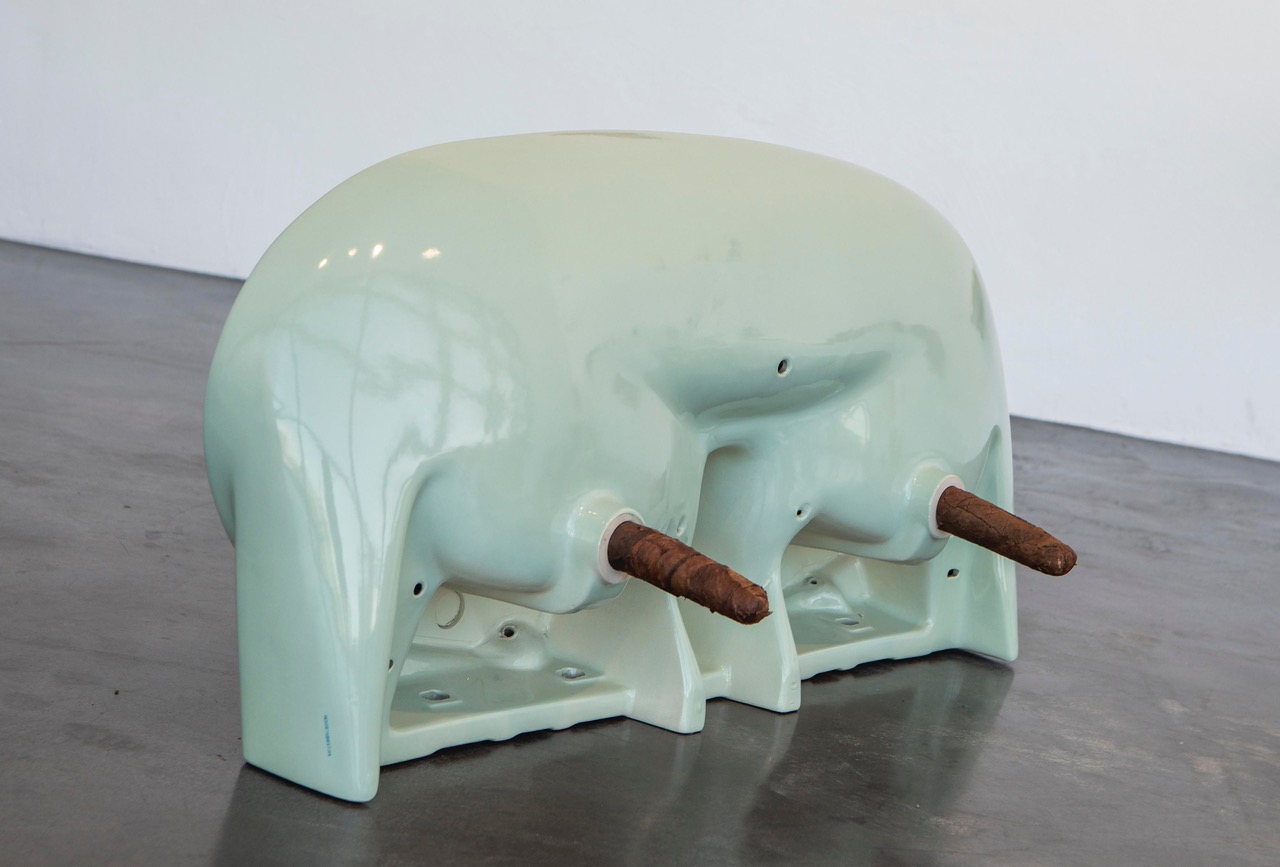
In her first major solo exhibition in Portugal, renowned Danish artist Nina Beier takes over the contemporary pavilion and part of the garden at the Albuquerque Foundation, transforming these spaces into open spaces for reflection. She does so with Bens . The exhibition offers a journey through sculptures and installations created over the last decade, allowing us to appreciate the coherence and, at the same time, the evolution of her artistic practice. The exhibition opens on September 27 and runs until January 4, 2026.
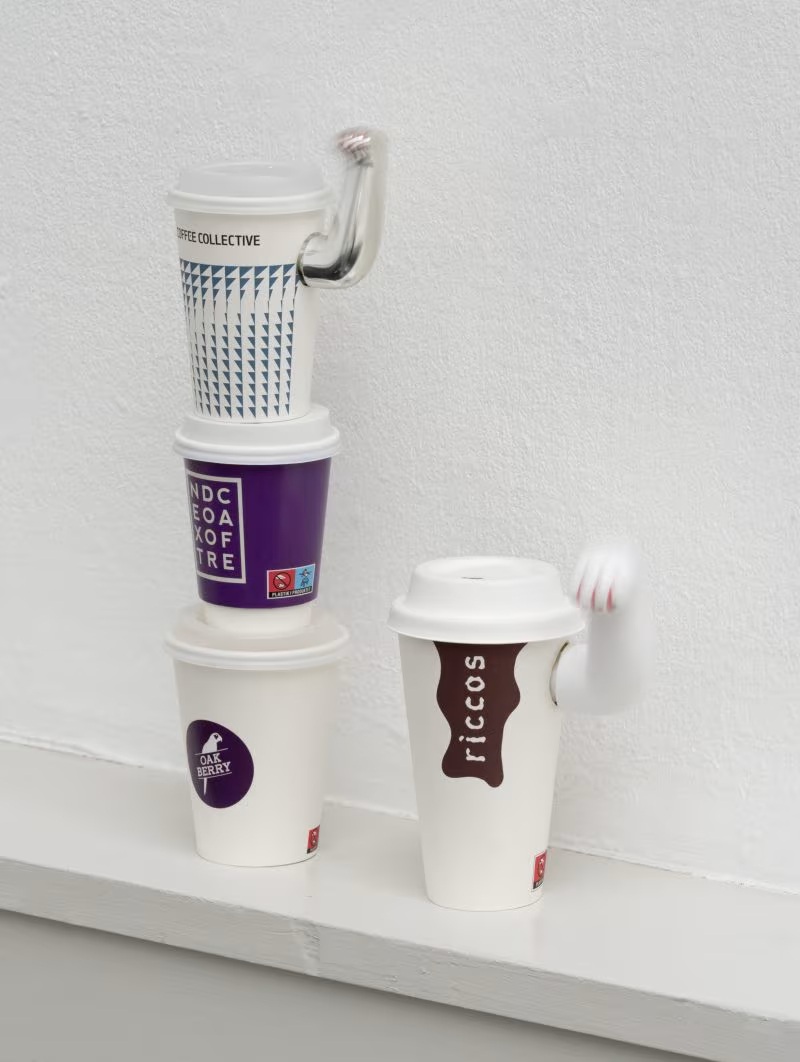
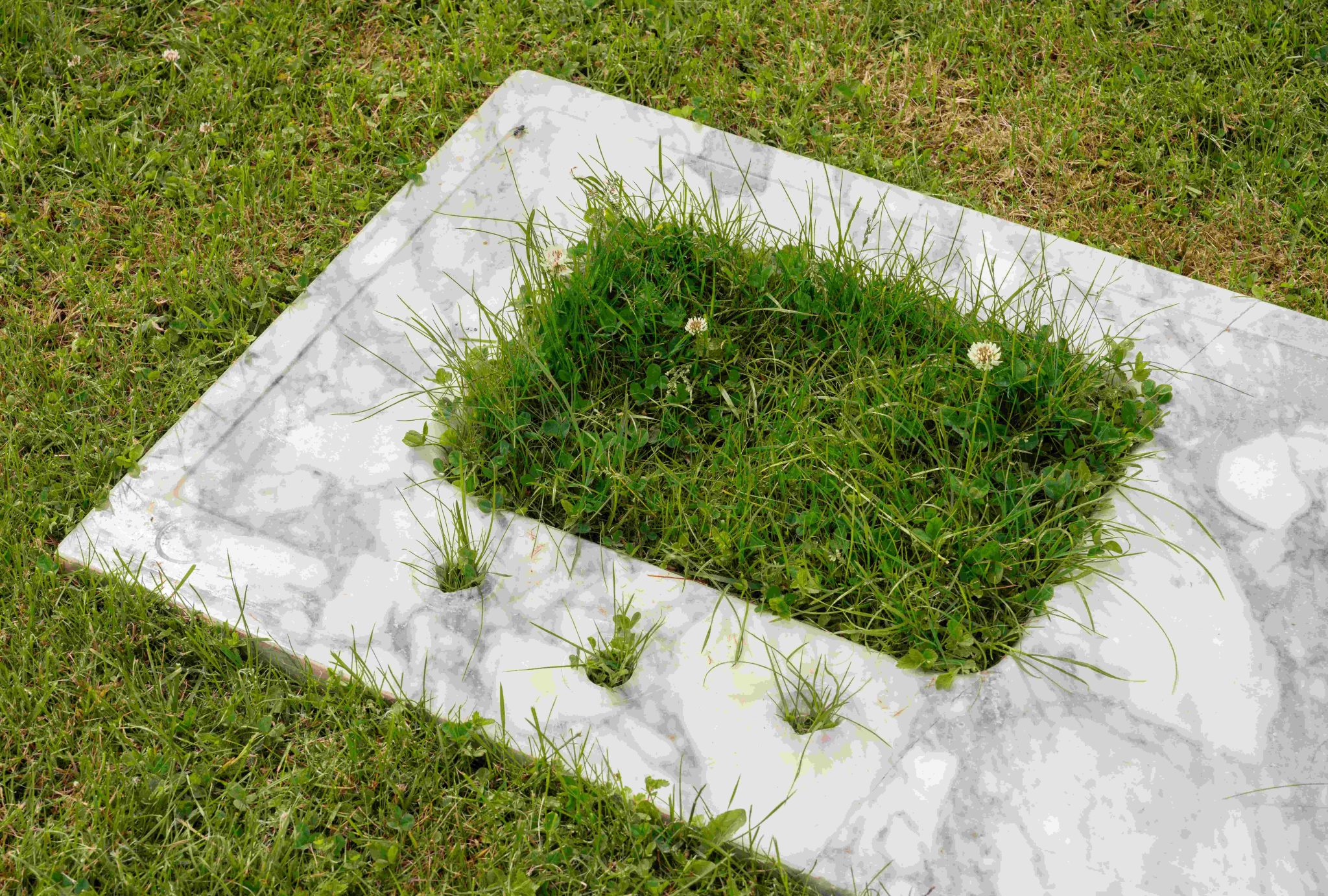
Beier, known for her approach to questioning value systems and cultural conventions through everyday objects, displays a series of pieces that engage both the pavilion's architecture and the surrounding nature. Visitors encounter a hybrid landscape in which the works, far from remaining static, seem to interrogate the relationship between the human, the material, and the natural.
A critical approach to everyday objects and the materials that circulate in our daily lives. Through sculptures, installations, and performances, the Danish artist examines how objects carry symbolic and material histories, revealing the systems of production, commerce, consumption, and disposal that permeate them. Her practice draws on found objects—from ceramics and furniture to taxidermied animals and commercial reproductions—to highlight how they shift meaning depending on the context in which they are presented. In her works, the common and the exceptional, the utilitarian and the artistic, the material and the performative are juxtaposed, questioning social, economic, and cultural hierarchies. In this way, Beier transforms the familiar into the strange and poses scenarios that force the viewer to reconsider their relationship with objects and the power structures that sustain them.
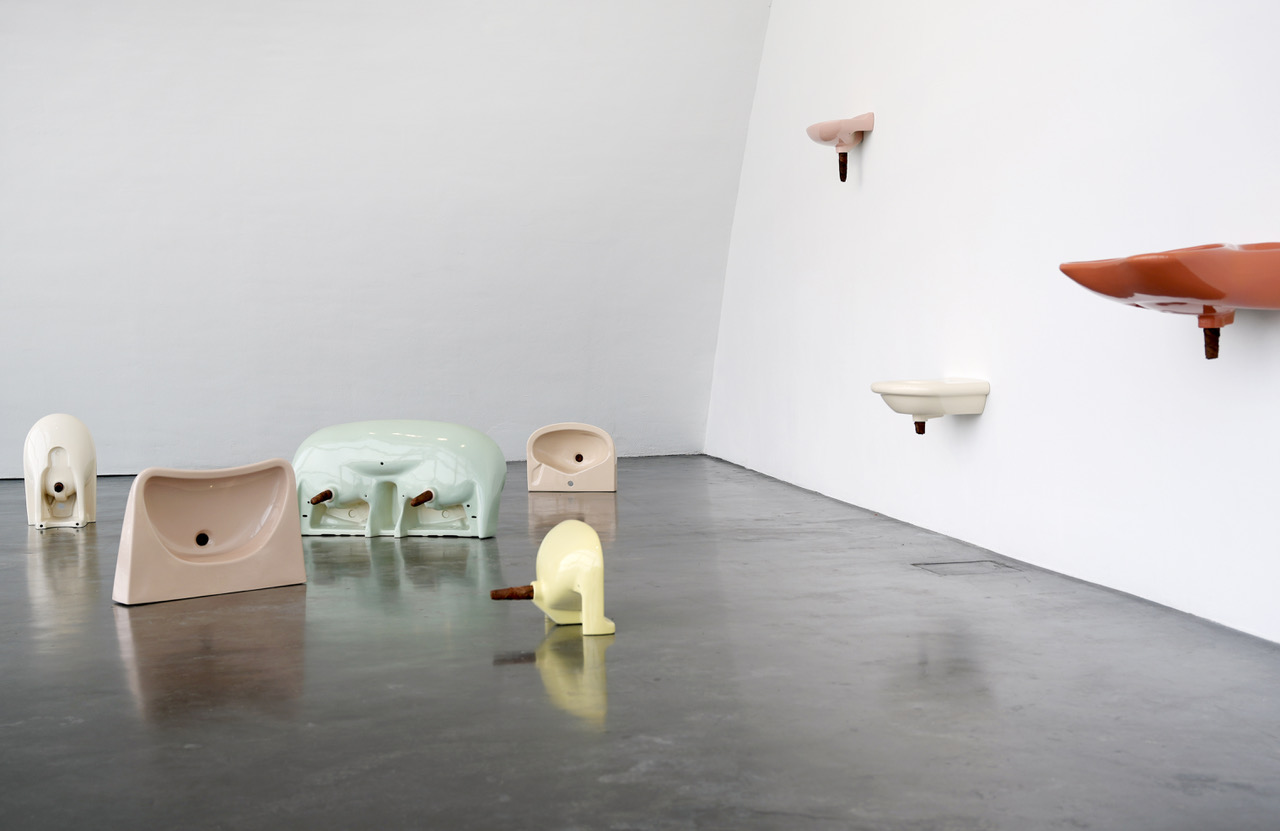
Thus, the exhibition not only marks a milestone in the artist's international career, but also offers a unique opportunity for the Portuguese public to explore a body of work that has been shown in museums and biennials around the world and is now uniquely integrated into the context of the Albuquerque Foundation.
The exhibition offers the public a critical and renewed perspective on the objects within it, while also prompting a broader reflection on the way value, power, and desire are intertwined in the field of art and, by extension, in the social structure itself. The artist does not personally execute her works, at least not in the conventional sense associated with artistic practice. She investigates the "market" until she finds the elements she is seeking.
You may be
interested
...